
The world of reality competition television is built upon the foundation of authority. For over a decade, Ink Master served as the definitive platform for the tattooing industry, transforming a niche subculture into a mainstream branding powerhouse. At the center of this cultural phenomenon were the judges—Chris Núñez, Oliver Peck, and Dave Navarro. Their roles were not merely to critique art, but to serve as the gatekeepers of a multi-million dollar brand.
However, the landscape of the show shifted dramatically with its move to Paramount+ and the subsequent restructuring of its cast. To understand what happened to the Ink Master judges is to analyze the intersection of personal branding, crisis management, and the evolution of corporate identity in the streaming era. For creative professionals and brand strategists, the trajectory of these individuals offers a masterclass in how to manage a professional narrative when the cameras stop rolling.
The Evolution of a Niche Brand: Why Ink Master Needed Fresh Faces
The transition of Ink Master from a cable network staple on Spike (later Paramount Network) to a flagship title on Paramount+ necessitated a fundamental reevaluation of the show’s brand identity. In the early seasons, the brand was built on a “tough love” aesthetic—heavy on conflict, grit, and a specific type of hyper-masculine bravado. As consumer tastes shifted toward inclusivity and technical nuance, the original judging panel’s brand began to feel like a relic of a previous era.
The Shift from Linear TV to Streaming Identity
When a media property moves to a streaming platform, its brand must appeal to a more diverse, global, and digitally savvy audience. The original judges represented the “old guard” of tattooing. While their expertise was unquestionable, their brand personas were static. Paramount’s decision to refresh the lineup was a strategic move to modernize the show’s corporate identity. By introducing new judges like Ryan Ashley, the show’s first female winner, the brand effectively signaled a commitment to progress and meritocracy, broadening its market appeal to a younger demographic that values representation as much as skill.
Diversifying the Judging Panel for a Global Audience
Brand diversification is essential for longevity. The introduction of judges like Nikko Hurtado and Ami James in later iterations allowed the Ink Master brand to tap into different sectors of the tattoo market—color realism and traditional Japanese styles, respectively. This move moved the brand away from being personality-driven and toward being expertise-driven. For the original judges, this shift meant their personal brands were no longer the primary engine of the show’s success, leading to a natural divergence between their individual career paths and the show’s corporate trajectory.
The Branding Crisis and Rebound: The Case of Oliver Peck
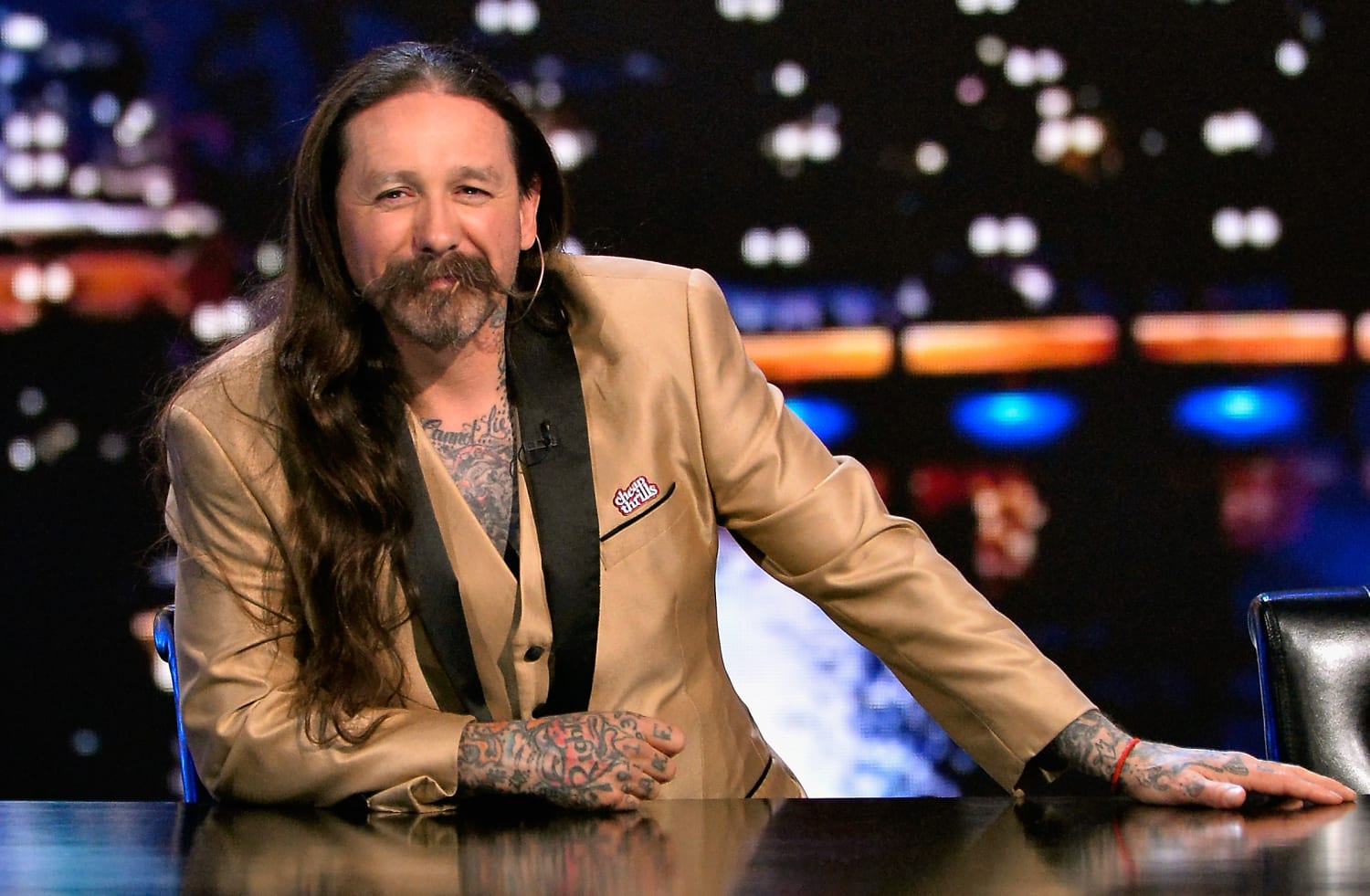
Perhaps the most significant disruption to the original Ink Master brand was the sudden departure of Oliver Peck. In 2020, photos of Peck in blackface surfaced on social media, sparking an immediate branding crisis for both the individual and the network. This event serves as a definitive case study in reputation management and the fragility of a personal brand in the digital age.
Navigating Reputation Management in the Social Media Age
In the modern marketplace, a personal brand is an asset that requires constant protection. When Peck’s past actions came to light, the Ink Master brand faced a “guilt by association” risk. The network’s decision to sever ties was a textbook example of corporate crisis management: prioritize the integrity of the corporate brand over the individual contributor. For Peck, the immediate fallout was a total blackout from mainstream media. His brand, which was built on being the “fun-loving traditionalist,” was instantly redefined by a single controversy, demonstrating how years of brand equity can be liquidated in a matter of hours.
Life After Ink Master: Reclaiming the Professional Narrative
Despite the public exit, Peck’s journey post-Ink Master highlights the resilience of a localized brand. By retreating from the national spotlight and focusing on his home base—Elm Street Tattoo in Dallas—Peck was able to stabilize his professional identity within his immediate community. He pivoted from being a “TV personality” back to being a “master craftsman.” This shift illustrates an important branding lesson: when a mass-market brand is compromised, returning to a niche, core audience can provide a path to professional survival.
Strategic Diversification: Dave Navarro and Chris Núñez
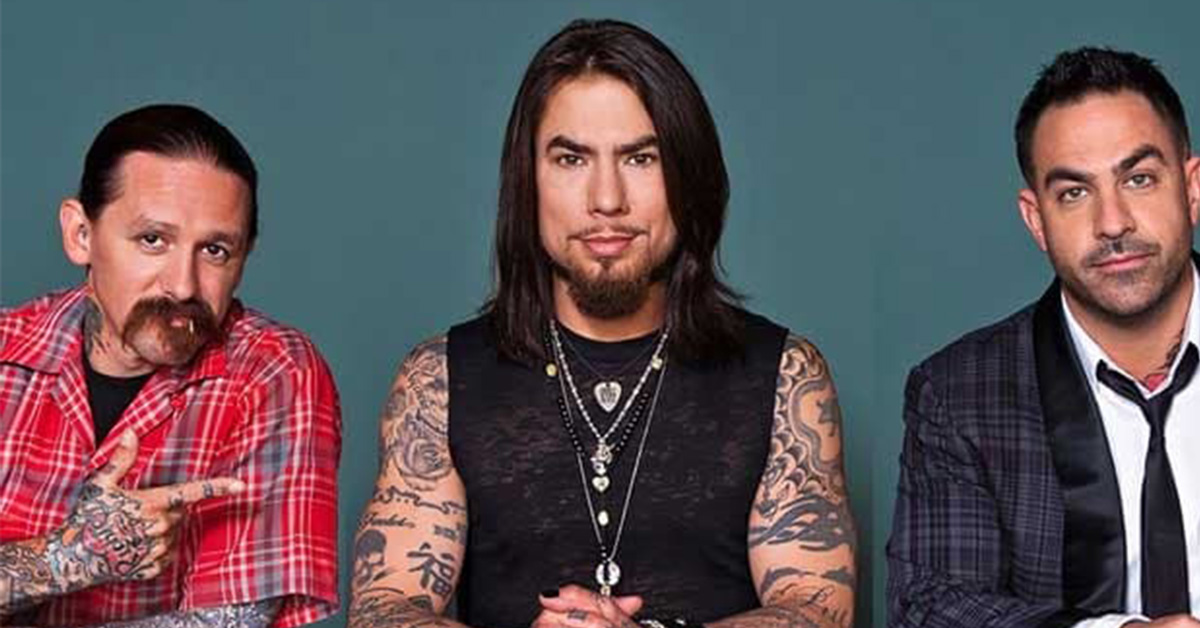
While Oliver Peck’s departure was defined by crisis, the transitions of Dave Navarro and Chris Núñez were defined by strategic pivots. Both men had established significant personal brands long before the show began, and their “post-judge” lives reflect a conscious effort to diversify their professional portfolios.
The Rock Star Brand vs. The Tattoo Authority
Dave Navarro’s involvement with Ink Master was always a unique branding marriage. He brought the “cool factor” of a rock star to a technical competition. As the show evolved, Navarro’s role shifted from host and judge to “Master of Ceremonies” and eventually to a producer-adjacent role. His brand was never solely dependent on tattooing, which allowed him to pivot back to music and visual arts with ease. When the show returned for Season 14, Navarro took on the title of “Master Emeritus,” a brilliant piece of brand positioning that allowed him to maintain his association with the show’s legacy without the day-to-day commitment of filming.
Entrepreneurial Ventures and Brand Longevity
Chris Núñez, conversely, used his tenure on the show to solidify his standing as a business mogul in the tattoo space. Núñez understood that the platform of a reality show is a temporary megaphone. During and after his time on the show, he focused on his Florida-based shop, Hand & Shield, and various media ventures. His brand became synonymous with high-level technical critique and business acumen. By focusing on the “business of art,” Núñez ensured that his professional value was not tied to a single television contract. His exit from the main judging chair was not a decline, but a transition into a more autonomous phase of his career.
The New Guard: Building Brand Equity for the Next Generation
The current iteration of Ink Master judges—featuring Joel Madden, Ryan Ashley, Nikko Hurtado, and DJ Tambe—represents a new strategy in brand architecture. Each of these individuals brings a specific type of “brand equity” to the table, creating a multifaceted authority that the original trio could not achieve alone.
Joel Madden and the Power of Cross-Industry Influence
The casting of Joel Madden as the host was a strategic move to leverage cross-industry brand influence. As the frontman of Good Charlotte, Madden brings a massive pre-existing fan base to the show. His brand is built on “alternative culture” rather than just tattooing. This allows the show to bridge the gap between different subcultures, increasing its reach and making the Ink Master name more attractive to advertisers and sponsors who are looking for lifestyle integration rather than just a niche art audience.
Ryan Ashley and the Evolution of the Professional Persona
Ryan Ashley’s transition from contestant to winner to judge is a perfect example of a vertical brand ascent. She represents the “success story” of the Ink Master franchise. For the audience, her brand is one of relatability and extreme technical proficiency. By placing her in a judging role, the show reinforces its own brand promise: that it is a meritocracy where talent leads to the highest levels of professional recognition.
Lessons in Brand Resilience for Creative Professionals
The story of what happened to the Ink Master judges is more than just a tale of television casting; it is a reflection of how professional identities must adapt to survive in a changing market. Whether through crisis, strategic pivot, or corporate restructuring, these individuals demonstrate that a career is not a static destination but a series of brand evolutions.
Consistency in the Face of Industry Shifts
The judges who have maintained the most influence are those whose personal brands remained consistent even when their medium changed. Chris Núñez stayed true to the “technical traditionalist” archetype, while Dave Navarro remained the “multidisciplinary artist.” By maintaining a core brand identity, they made it easier for their audiences to follow them from cable to streaming to social media.

The Role of Digital Presence in Modern Brand Strategy
In the years following their primary run on the show, all of the original judges have had to lean more heavily into digital platforms. From Instagram portfolios to digital art ventures (NFTs and digital design), the transition away from the “judge’s chair” required a rapid adoption of new tools. The lesson for any professional is clear: your brand is only as strong as your ability to communicate it on the platforms where your audience lives. The Ink Master judges may have left the television screen, but through smart branding and strategic pivots, they have ensured that their influence on the industry remains indelible.
aViewFromTheCave is a participant in the Amazon Services LLC Associates Program, an affiliate advertising program designed to provide a means for sites to earn advertising fees by advertising and linking to Amazon.com. Amazon, the Amazon logo, AmazonSupply, and the AmazonSupply logo are trademarks of Amazon.com, Inc. or its affiliates. As an Amazon Associate we earn affiliate commissions from qualifying purchases.