
For decades, the answer to the question “what color hair do I have?” was subjective, relying on the human eye, ambient lighting, and a limited vocabulary of “brunette,” “blonde,” or “red.” However, in the modern digital era, this question has shifted from the realm of personal opinion into the domain of advanced computer vision, machine learning, and high-resolution sensor technology. Determining one’s precise hair color is now a technical process involving the analysis of light reflection, pigment density data, and algorithmic processing.
As technology continues to integrate with the beauty and personal care industries—a sector often referred to as “Beauty Tech”—the tools used to identify and categorize human hair color have become incredibly sophisticated. Whether through mobile applications utilizing Augmented Reality (AR) or professional-grade spectrophotometers, the tech stack behind color identification is redefining how we perceive our physical identity.

The Architecture of Digital Color Identification
To understand how technology answers the question of hair color, we must first examine the transition from analog perception to digital data. Human hair color is determined by two types of melanin: eumelanin (which creates brown and black shades) and pheomelanin (which creates red and blonde shades). Historically, identifying these required a professional colorist. Today, hardware and software work in tandem to map these biological traits into digital signatures.
Computer Vision and Pixel Analysis
At the core of digital hair color identification is computer vision. When you point a smartphone camera at your hair, the software does not “see” hair; it interprets a grid of pixels. Each pixel carries data regarding its color values, typically represented in the RGB (Red, Green, Blue) color model or the more professional Lab color space (Lightness, A-axis, B-axis).
Sophisticated algorithms utilize Convolutional Neural Networks (CNNs) to segment the image. This process, known as “semantic segmentation,” allows the AI to distinguish between the pixels that constitute “hair” and those that constitute “skin,” “clothing,” or “background.” Once the hair is isolated, the software performs a statistical analysis of the color distribution. Since hair is never a flat, monolithic color, the AI calculates the mean, median, and mode of the color values to provide a precise technical definition of the user’s current shade.
The Role of Spectrophotometry in Beauty Tech
While consumer apps use RGB data from cameras, the cutting edge of hair color identification utilizes spectrophotometry. A spectrophotometer is a device that measures the intensity of light as a function of its wavelength. In professional settings, handheld digital scanners can be pressed against the hair to capture the exact spectral reflection.
This technology bypasses the limitations of digital cameras, such as lens distortion or sensor noise. By measuring how much light is absorbed versus reflected at specific nanometer increments, the device creates a “spectral fingerprint.” This data is then compared against massive databases of hair dye formulations and natural hair profiles to give a definitive answer that is far more accurate than any human observation.
AI-Driven Virtual Try-Ons and Simulation
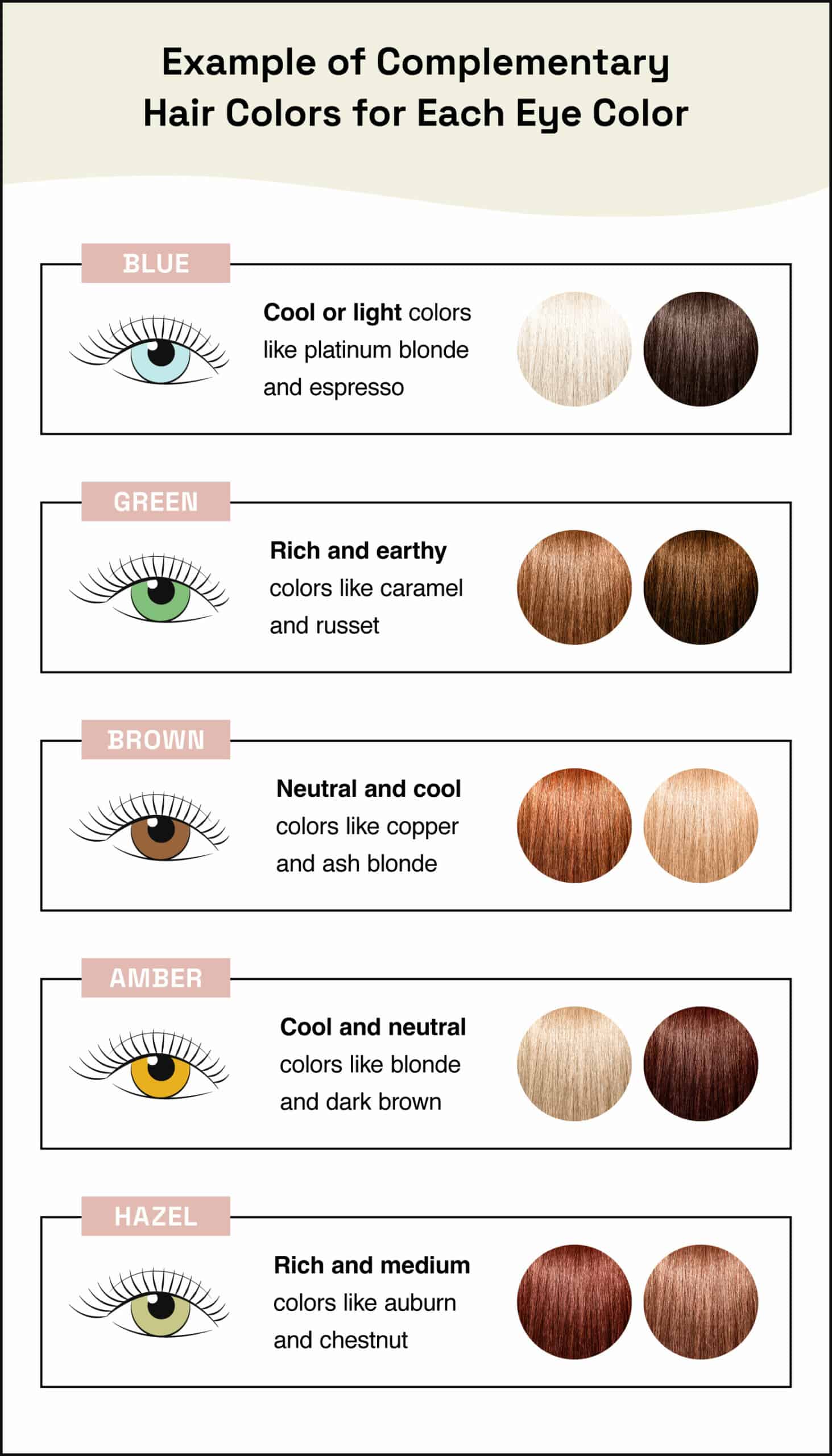
Once the technology identifies “what color hair do I have,” the next logical step in the tech ecosystem is “what color could I have?” This is where Augmented Reality (AR) and Generative AI take center stage. The ability to simulate new colors over a digital version of one’s own hair is one of the most successful applications of AR in the consumer market today.
Real-Time Ray Tracing and Occlusion
One of the greatest challenges in hair-related technology is the complexity of hair as a physical object. Hair consists of thousands of individual strands, each interacting with light differently. To provide a realistic answer to a user’s query, AR software must utilize real-time ray tracing and advanced occlusion techniques.
Occlusion refers to the ability of the software to understand which objects are in front of others. For instance, if a user moves their hand in front of their hair, the digital color must be hidden behind the hand. High-end AR engines, such as those developed by firms like ModiFace (acquired by L’Oréal) or Perfect Corp, use deep learning to map the hair’s volume in three-dimensional space. This ensures that the digital color appears to sit on the strands rather than looking like a flat filter applied over the image.
Machine Learning for Predictive Results
Beyond simple visualization, AI is now being used to predict the chemical outcome of hair coloring. If a software identifies a user’s hair as “Level 4 Ash Brown,” it can use predictive modeling to determine how a specific chemical lightener will react with those specific base pigments. This involves training models on thousands of physical “swatch” tests, allowing the software to act as a digital laboratory. The user is no longer just seeing a “sticker” of color on their head; they are seeing a data-backed simulation of a chemical reaction.
Overcoming Environmental Variables: The Lighting Challenge
The most significant hurdle for any technology trying to identify hair color is the variability of light. A person’s hair color looks vastly different under the blue-tinted light of a cloudy day compared to the warm, yellow-tinted light of an incandescent bulb. This is known in color science as metamerism.
White Balance and Sensor Calibration
To provide an accurate answer, tech developers must account for the “color temperature” of the environment. Most modern hair analysis apps include a calibration step. This might involve asking the user to hold a white piece of paper near their hair. Since the software knows the paper is true white, it can calculate the “color cast” of the room and subtract that bias from the hair color analysis.
Advanced Image Signal Processors (ISPs) in modern smartphones also perform “Auto White Balance” (AWB) using AI. By identifying known objects in the frame—like skin tones or common household items—the processor adjusts the image data to represent what the colors would look like under neutral, “daylight” conditions. This digital correction is essential for any app attempting to provide a professional-grade color identification.
The Impact of High Dynamic Range (HDR)
Hair is naturally shiny, leading to “specular highlights” where light reflects directly off the cuticle. These highlights can “blow out” a digital sensor, making a dark brown hair look white in certain spots. To solve this, developers utilize HDR technology. By taking multiple exposures in a fraction of a second and merging them, the software can see the detail in the darkest shadows of the hair and the brightest highlights simultaneously. This provides a holistic data set, allowing the AI to understand the depth and multi-tonal nature of the user’s hair.
Data Privacy and the Future of Personalized Beauty Tech
As we ask “what color hair do I have” through our devices, we are providing those devices with high-resolution biometric data. The intersection of beauty tech and digital security is a growing concern for both developers and users.
Biometric Mapping and Data Security
Hair analysis often requires a full-face scan to provide context for the hair’s movement and position. This data is biometric in nature. Leading tech companies in this space are increasingly moving toward “Edge Computing,” where the AI analysis happens locally on the user’s device rather than being uploaded to a central server. This ensures that the sensitive mapping of a user’s face remains private while still providing the benefits of high-powered AI analysis.
The Shift Toward Hyper-Personalization
The future of hair color technology lies in the integration of this data with the broader Internet of Things (IoT). Imagine a “smart mirror” that identifies your hair color in the morning, detects fading or UV damage through spectral analysis, and automatically updates your e-commerce cart with a specific toner or UV-protectant spray.
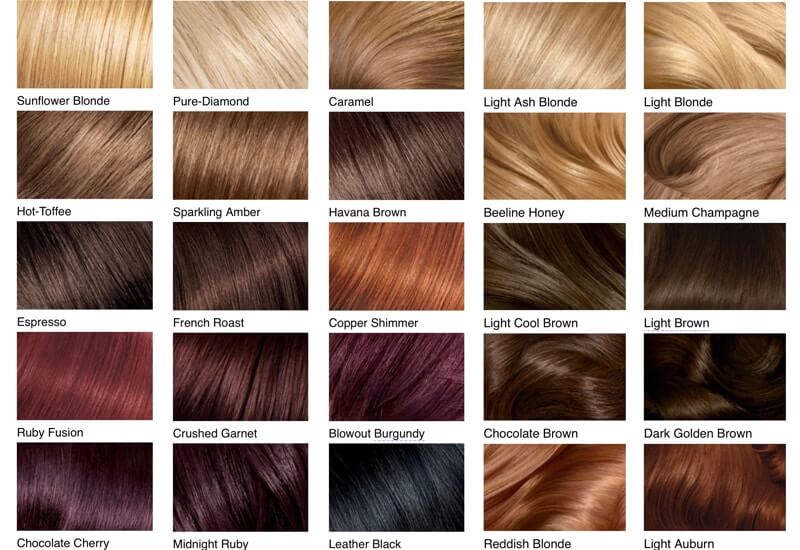
We are moving away from a world of “one size fits all” hair products. By accurately answering “what color hair do I have” through data science, technology enables hyper-personalization. Algorithms can now recommend specific shampoo pH levels or pigment-depositing conditioners based on the exact hex code of a user’s hair. This data-driven approach removes the guesswork from maintenance and styling, turning a simple aesthetic question into a precise, tech-enabled solution.
In conclusion, the question “what color hair do I have?” has evolved into a sophisticated interaction between the user and high-level computational processes. Through the marriage of computer vision, AR, and spectrophotometry, we are gaining a deeper, more accurate understanding of our physical attributes, powered by the same technologies that drive autonomous vehicles and medical imaging. The mirror of the future is not made of glass; it is made of code.
aViewFromTheCave is a participant in the Amazon Services LLC Associates Program, an affiliate advertising program designed to provide a means for sites to earn advertising fees by advertising and linking to Amazon.com. Amazon, the Amazon logo, AmazonSupply, and the AmazonSupply logo are trademarks of Amazon.com, Inc. or its affiliates. As an Amazon Associate we earn affiliate commissions from qualifying purchases.