
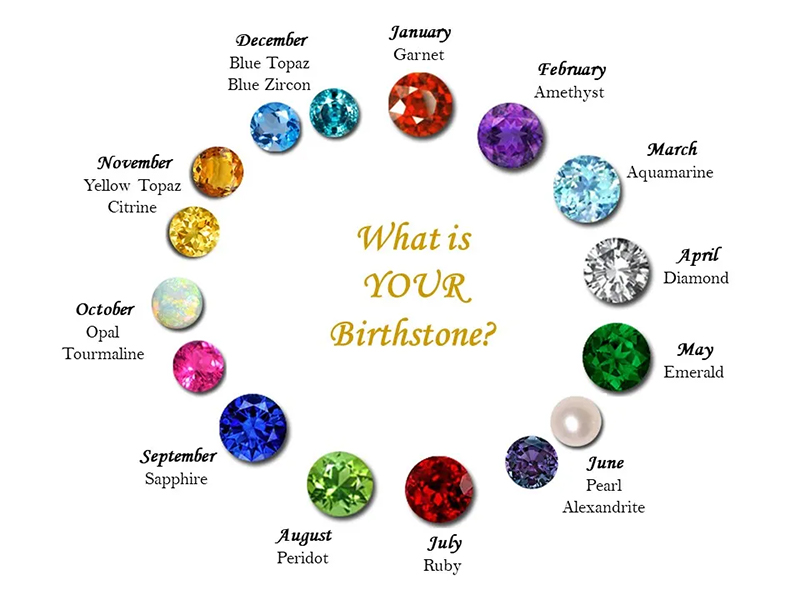
When consumers ask, “what birthstone is blue?” they are often seeking a simple answer for a gift or a personal memento. However, from the perspective of an investor or a high-net-worth individual, the answer reveals a complex map of high-value tangible assets. Blue gemstones—ranging from the deep velvet of a royal sapphire to the crystalline clarity of an aquamarine—represent some of the most stable and appreciating sectors within the luxury goods market.
In the modern financial landscape, diversifying a portfolio beyond traditional equities and bonds has become essential. Luxury assets, particularly colored gemstones, have shown a remarkable ability to hedge against inflation and currency devaluation. Understanding which birthstones are blue is the first step in identifying entry points into a market that combines aesthetic legacy with serious fiscal growth.

The Economic Value of Blue Birthstones: Beyond Aesthetic Appeal
The global gemstone market has seen a significant shift over the last decade. While diamonds have traditionally dominated the bridal sector, colored stones have begun to command record-breaking prices at auction houses like Sotheby’s and Christie’s. Blue birthstones, in particular, benefit from a “universal demand.” Blue is statistically the most popular color globally, ensuring that the secondary market for these stones remains liquid and robust.
Scarcity as a Value Driver
In economics, the principle of scarcity is the primary driver of value. Unlike lab-grown alternatives or common minerals, investment-grade blue birthstones are geologically rare. For instance, the conditions required to create a vivid blue sapphire or a clean, deep-toned tanzanite occur in only a few locations on Earth. As mines reach their “end of life” status, the supply of these natural assets shrinks while global demand from emerging markets in Asia and the Middle East continues to rise. This supply-demand imbalance is a fundamental reason why high-quality blue gemstones are considered “portable wealth.”
Market Liquidity and Resale Value
One of the primary concerns for any investor in tangible assets is liquidity. While a gemstone is not as liquid as a blue-chip stock, blue birthstones occupy a unique niche. Because they are tied to specific months of the year, there is a built-in, perpetual retail demand. A September sapphire or a March aquamarine has a guaranteed audience. For the investor, this means that high-quality specimens can be liquidated through specialized dealers, auction houses, or private collections with greater ease than more obscure, non-birthstone minerals.
Month-by-Month: The Blue Gems and Their Market Position
To answer “what birthstone is blue” requires a breakdown of the calendar, as several months claim various shades of the azure spectrum. Each of these stones represents a different tier of investment, from the accessible mid-range to the ultra-high-end “blue-chip” assets.
March: Aquamarine—The Stable Mid-Tier Asset
Aquamarine, the birthstone for March, is a variety of the mineral beryl. From a financial standpoint, aquamarine offers an excellent entry point for those looking to start a gemstone portfolio. The value of aquamarine is heavily dependent on the saturation of its blue hue. The “Santa Maria” blue—a deep, saturated azure named after the Brazilian mine—commands the highest price per carat.
While aquamarine is more abundant than sapphire, large, eye-clean crystals are becoming harder to find. Investors look for stones over 10 carats with no visible inclusions, as these “investment grade” pieces appreciate at a higher rate than smaller, commercial-grade stones found in standard retail jewelry.
September: Sapphire—The Blue-Chip Investment
If you are looking for the gold standard of blue birthstones, it is the September sapphire. Part of the “Big Three” of colored stones (alongside ruby and emerald), sapphires have historically outperformed many traditional investment vehicles.
The most valuable sapphires are those that are “unheated.” Approximately 90-95% of sapphires on the market are heat-treated to improve color and clarity. Therefore, a natural, unheated blue sapphire with a “Cornflower” or “Royal Blue” designation is an extremely rare asset. For example, Kashmir sapphires, which haven’t been actively mined for decades, are the pinnacle of this asset class, often selling for hundreds of thousands of dollars per carat. For a balanced portfolio, a high-quality Ceylon (Sri Lankan) or Madagascar sapphire offers a more attainable but still highly appreciative alternative.
December: Tanzanite, Zircon, and Turquoise—The Diversified Portfolio
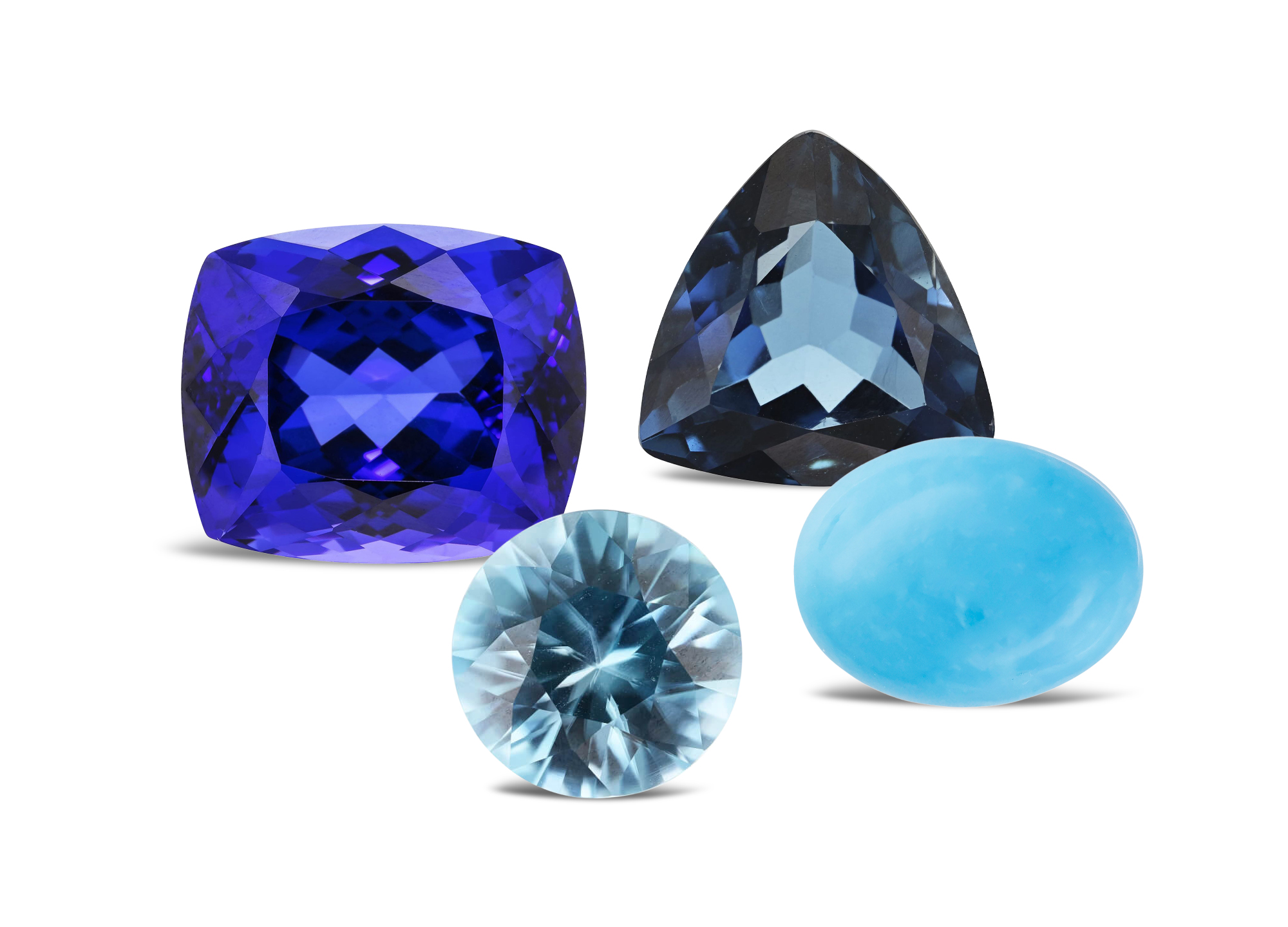
December is unique because it features three blue birthstones, each with a different financial profile:
- Tanzanite: This is often referred to as the “generation stone.” It is found in only one place on Earth—the Merelani Hills of Tanzania. Because the source is so geographically limited, geologists estimate the mines will be exhausted within the next 20 to 30 years. This “finite supply” narrative makes Tanzanite a speculative but high-upside investment.
- Blue Zircon: Not to be confused with synthetic cubic zirconia, natural blue zircon is a brilliant, high-refractive-index gem. It is undervalued in the current market, making it a “value play” for investors who believe its brilliance will eventually lead to a market correction in its pricing.
- Turquoise: This stone represents the “opaque” luxury market. High-grade, “sleeping beauty” turquoise from Arizona, which is robin’s-egg blue with no matrix (veining), has seen prices skyrocket since the mine’s closure. It is a niche investment but highly prized in the Americana and high-fashion sectors.
Appraisal and Authentication: Protecting Your Capital
Investing in blue birthstones requires a rigorous approach to due diligence. Unlike the stock market, the gemstone market is decentralized, making authentication the most critical step in capital preservation.
The Role of Certification
In the world of high-finance gemstones, a stone is only as valuable as the “paper” that accompanies it. Reputable laboratories such as the Gemological Institute of America (GIA), the American Gemological Laboratories (AGL), or the Swiss Gemmological Institute (SSEF) provide independent grading reports. These documents confirm whether a stone is natural or synthetic and, crucially, whether it has undergone any treatments. For a sapphire, a report stating “No Indications of Heating” can increase the asset’s value by 50% to 100%.
Identifying Synthetics and Simulants
As technology advances, lab-grown blue sapphires and hydrothermal aquamarines have become indistinguishable from natural stones to the naked eye. While these have a place in the fashion industry, they have zero investment value. Their “intrinsic value” is tied to the cost of electricity and factory overhead, not geological rarity. An investor must ensure they are purchasing “earth-mined” assets to ensure long-term capital appreciation.
Strategic Purchasing: How to Buy Blue Birthstones for Growth
For those looking to integrate blue birthstones into their financial planning, the strategy should mirror that of any other alternative asset class.
The 4 Cs of Gemstone Finance
While the 4 Cs (Color, Clarity, Cut, and Carat) are used for diamonds, they are applied differently to blue gemstones:
- Color: In colored stones, color is the primary driver of value. The more vivid and saturated the blue, the higher the price.
- Clarity: While some inclusions are acceptable (and prove the stone is natural), “eye-clean” stones command a premium.
- Cut: A precision cut that maximizes light return (brilliance) can add significant value to the raw material.
- Carat: The price-per-carat increases exponentially with size. A single 5-carat sapphire is worth significantly more than five 1-carat sapphires of the same quality.
Acquisition Channels
Purchasing at the retail level is rarely a viable investment strategy due to the significant markups (often 100% to 300%) found in traditional jewelry stores. Investors should look toward:
- Wholesale Dealers: Buying “loose” stones before they are set into jewelry saves on the manufacturing markup.
- Estate Sales and Auctions: These venues often provide opportunities to acquire vintage stones at “hammer prices” that are closer to the actual market value.
- Private Equity Gem Funds: For those who want exposure to the market without physically holding the assets, specialized funds exist that pool capital to buy investment-grade stones.
Portfolio Diversification through Luxury Goods
The inclusion of tangible assets like blue birthstones serves as a hedge against “black swan” events in the financial markets. During periods of hyperinflation or regional instability, high-value gemstones retain their worth in a way that paper currency does not. They are compact, portable, and globally recognized.
Furthermore, the rise of the “Digital Nomad” and the globalization of wealth have increased the demand for assets that can be easily moved across borders. A blue sapphire worth $50,000 can fit in a pocket, providing a level of financial mobility that real estate or heavy machinery cannot match.
As we look toward the future of wealth management, the answer to “what birthstone is blue” is more than just a list of minerals. It is a list of opportunities. Whether it is the scarcity-driven potential of Tanzanite, the blue-chip stability of the Sapphire, or the accessible growth of Aquamarine, these azure gems offer a unique intersection of beauty and business. By focusing on quality, certification, and market trends, an investor can ensure that their foray into the world of blue birthstones is not just a purchase, but a cornerstone of a diversified financial legacy.
aViewFromTheCave is a participant in the Amazon Services LLC Associates Program, an affiliate advertising program designed to provide a means for sites to earn advertising fees by advertising and linking to Amazon.com. Amazon, the Amazon logo, AmazonSupply, and the AmazonSupply logo are trademarks of Amazon.com, Inc. or its affiliates. As an Amazon Associate we earn affiliate commissions from qualifying purchases.