
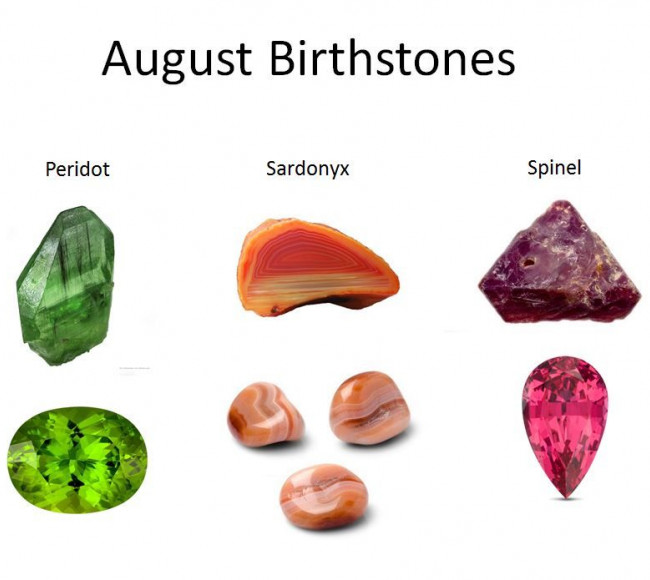
In the specialized world of alternative asset investing, gemstones have long served as a hedge against currency volatility and a portable form of wealth. For those analyzing the specific market segment of August birthstones, the primary focus is on the distinctive lime-green hue of Peridot and the multi-tonal brilliance of Spinel. While these stones are traditionally viewed through the lens of jewelry, a sophisticated financial perspective reveals a complex ecosystem of supply chain logistics, rarity factors, and price appreciation trends. Understanding the color profile of August birthstones is not merely an aesthetic endeavor; it is an essential component of evaluating their market liquidity and long-term investment potential.

The Economics of Peridot: Analyzing the Value of the “Evening Emerald”
Peridot is one of the few gemstones that exists in only one color: green. However, from a financial valuation standpoint, the “color” of an August birthstone is far from monolithic. The market distinguishes sharply between yellowish-green, olive-green, and the highly coveted pure grass-green. As an investor or a high-net-worth collector, identifying the specific saturation and tone is the primary driver of the asset’s valuation.
Supply Side Dynamics and Scarcity
The price of Peridot is heavily influenced by its point of origin. Historically, the finest specimens were sourced from the Red Sea island of Zabargad, but modern supply chains are dominated by deposits in Arizona (USA), Myanmar (Burma), Pakistan, and China.
The financial divergence between these sources is significant. Peridots from the San Carlos Apache Reservation in Arizona typically yield smaller stones, often under three carats. While these are excellent for mass-market retail liquidity, they rarely achieve the “investment grade” status required for significant capital appreciation. In contrast, the Pakistani “Kashmir” Peridots, found at high altitudes in the Himalayas, often produce larger, cleaner crystals with a vibrant, saturated green that commands a premium. For a portfolio focused on growth, the Pakistani and Burmese variants represent a more robust entry point due to their relative scarcity in larger carat weights.
Color Saturation and Market Pricing
In the gemstone trade, the “color” of August’s Peridot is graded on a scale of saturation and tone. The most valuable stones are those that do not exhibit a brown or yellow undertone. A pure, vivid green—often referred to as “oily” due to its luster—can see price per carat jumps of 200% to 500% compared to its paler counterparts.
When evaluating these stones for a financial portfolio, the “extinction” (dark areas in the stone) must be minimized. A stone that “glows” even in low-light environments—a property that earned it the nickname “Evening Emerald”—retains its value more effectively during market downturns because its visual appeal remains consistent regardless of the setting.
Spinel: The High-Growth Alternative Asset
In 2016, the jewelry industry officially added Spinel as a secondary birthstone for August. From a wealth management perspective, this addition was revolutionary. Spinel has historically been undervalued, often mistaken for Ruby or Sapphire, but it has recently seen some of the most aggressive price appreciation in the colored stone market.
Historical Misidentification and Value Correction
For centuries, Spinel was the “great imposter” of the financial world. The “Black Prince’s Ruby” in the British Imperial State Crown is, in fact, a red Spinel. This historical confusion created a market inefficiency that modern investors are now exploiting. As gemological testing became more accessible, the unique properties of Spinel—such as its single refraction and exceptional hardness—led to a surge in demand.
Unlike Peridot, the “color” of August’s Spinel spans a wide spectrum, including vibrant reds, cobalt blues, and deep pinks. However, for the August birthstone market, the vivid pink and “Jedi” red (a trade term for highly fluorescent Burmese specimens) are the primary drivers of value. The limited supply of these specific hues, coupled with the fact that Spinel is rarely treated or enhanced, makes it a “pure” investment.
Analyzing the ROI of Neon Hues
The financial allure of Spinel lies in its lack of treatment. While 90% of Rubies and Sapphires are heat-treated to improve color, Spinel naturally possesses high clarity and vivid saturation. This “natural” status is a significant selling point for ESG-conscious investors and those looking for “clean” assets.

In the last decade, high-quality pink and red Spinels have seen an annual price increase of 10-15%, outperforming many traditional mid-cap stocks. The market for “Cobalt Blue” Spinel is even more exclusive, with prices for top-tier specimens rivaling those of high-end Sapphires. For an August-themed investment strategy, focusing on the neon pinks and reds provides a balance of aesthetic beauty and historical price resilience.
Risk Mitigation in Gemstone Investing
Investing in the color of August birthstones requires more than just an eye for beauty; it requires a rigorous approach to risk management. Unlike the stock market, the gemstone market is decentralized and can suffer from liquidity issues if the asset is not properly vetted.
Certification and the Role of Third-Party Appraisal
The primary risk in purchasing high-value Peridot or Spinel is the presence of synthetics or undisclosed treatments. For any stone intended as a financial asset, a certificate from a reputable laboratory—such as the Gemological Institute of America (GIA) or the Swiss Gemmological Institute (SSEF)—is mandatory.
A certificate does more than verify the color; it confirms the stone’s origin and the absence of heat treatment or clarity enhancement. In the resale market, a GIA-certified “Natural Spinel” with a “Vivid Red” color grade will move significantly faster and at a higher price point than an uncertified stone of similar appearance. This documentation serves as the “audit report” of the physical asset.
Liquidity Challenges and Exit Strategies
Gemstones are generally considered long-term “buy and hold” assets. The bid-ask spread in the gemstone market can be wide, meaning that selling a stone shortly after purchase often results in a loss once commissions and auction fees are accounted for.
To mitigate this, investors should focus on “commercial” vs. “connoisseur” grades. While the most expensive, rarest stones (connoisseur grade) have the highest ceiling for appreciation, they also have a smaller pool of potential buyers. Conversely, mid-to-high-grade stones in the 2-5 carat range have much higher liquidity, as they are accessible to a broader range of high-end retail consumers and collectors.
Strategic Portfolio Diversification with Colored Stones
Incorporating August birthstones into a broader financial strategy is about more than just diversification; it is about capital preservation. Gemstones are a non-correlated asset class, meaning their value does not necessarily move in tandem with the S&P 500 or the bond market.
The Hedge Against Inflation
In periods of high inflation or currency devaluation, hard assets—including precious gems—tend to retain their purchasing power. The intrinsic value of a 10-carat, top-quality Burmese Peridot is derived from its geological rarity, which cannot be “printed” or “diluted” by central bank policy.
Furthermore, the portability of gemstones offers a unique advantage in terms of wealth transfer and global mobility. A million-dollar portfolio of August birthstones can fit into a small velvet pouch, providing a level of financial security that real estate or heavy bullion cannot match.
Market Trends and Future Outlook
The future of the August birthstone market looks promising due to the rising “middle class” in emerging markets like China and India, where birthstone traditions are being adopted alongside a growing appetite for luxury goods. As demand for “alternative” engagement rings grows, the vibrant green of Peridot and the durable brilliance of Spinel are becoming mainstream favorites, further driving up the floor price for high-quality rough material.
Investors should keep a close eye on the “Ethical Sourcing” trend. Stones that can be traced back to a specific mine with fair labor practices are beginning to command a “provenance premium.” In the next decade, the “color” of a stone may be secondary to its “story” and ethical footprint in determining its ultimate ROI.
By viewing the August birthstone not just as a piece of jewelry, but as a complex financial instrument, investors can capitalize on the unique market dynamics of Peridot and Spinel. Whether it is the supply-constrained green of the Pakistani Peridot or the high-growth trajectory of the Burmese Spinel, these stones offer a colorful and potentially lucrative avenue for wealth diversification.
aViewFromTheCave is a participant in the Amazon Services LLC Associates Program, an affiliate advertising program designed to provide a means for sites to earn advertising fees by advertising and linking to Amazon.com. Amazon, the Amazon logo, AmazonSupply, and the AmazonSupply logo are trademarks of Amazon.com, Inc. or its affiliates. As an Amazon Associate we earn affiliate commissions from qualifying purchases.