
In the world of global marketing and corporate identity, few figures are as universally recognized or as masterfully branded as Santa Claus. While the figure of Saint Nicholas has roots in ancient history, the modern “Santa Brand” is a triumph of 19th and 20th-century storytelling, character design, and strategic consistency. At the heart of this brand’s logistical operations and narrative appeal are his reindeer.
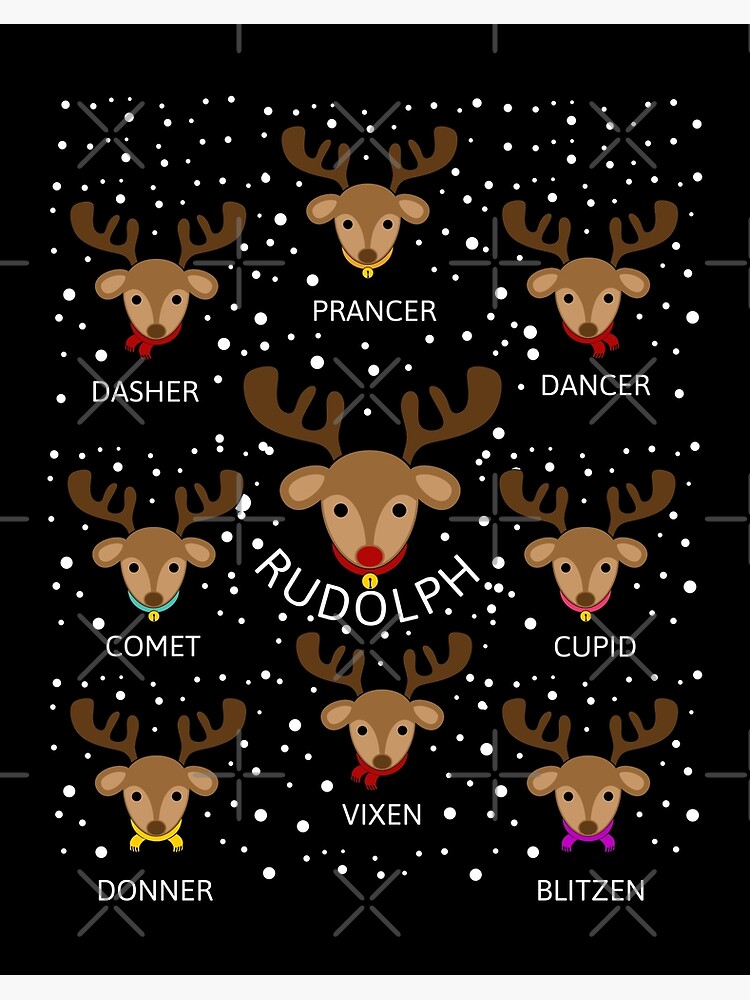
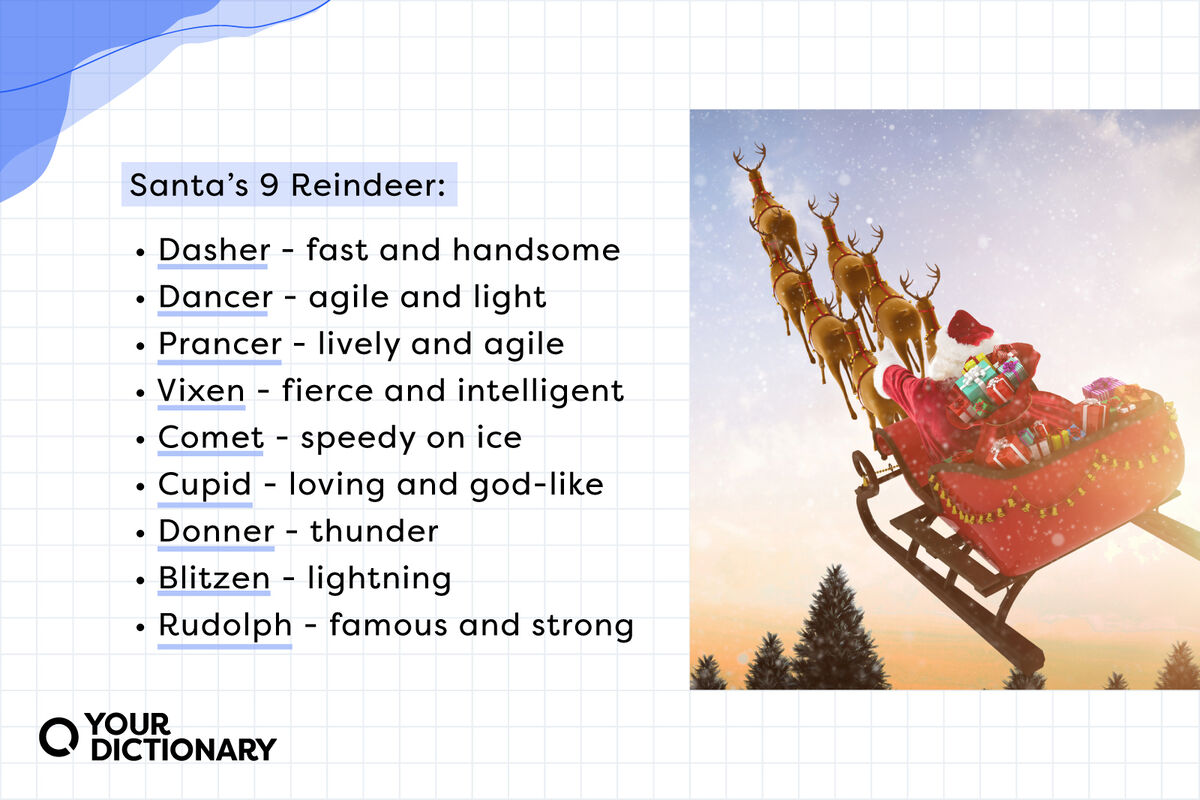
To answer the question of what the names of Santa’s reindeer are, one must look beyond simple folklore and examine how a specific roster of characters was curated, marketed, and solidified into the global consciousness. The names we know today—Dasher, Dancer, Prancer, Vixen, Comet, Cupid, Donner, Blitzen, and the later addition, Rudolph—represent one of the most successful examples of brand expansion and intellectual property development in history.

The Historical Foundation: Mapping the Original Eight
The names of the reindeer were not always a matter of public record. For centuries, the legend of Saint Nicholas involved various modes of transportation, from horses to donkeys. The transition to reindeer was a deliberate narrative pivot that occurred in the early 19th century, serving to “brand” the character with a specific, Arctic-themed aesthetic that separated him from other winter deities.
The 1823 Pivot: “A Visit from St. Nicholas”
The definitive list of the original eight reindeer was established in 1823 with the publication of the poem “A Visit from St. Nicholas” (more commonly known as “The Night Before Christmas”). This poem acted as a foundational brand guidelines document. For the first time, the reindeer were given distinct identities through their names:
- Dasher
- Dancer
- Prancer
- Vixen
- Comet
- Cupid
- Dunder (later Donner)
- Blixem (later Blitzen)
From a branding perspective, these names were genius. They utilize alliteration and rhythmic meter to ensure mnemonic retention. The names “Dasher” and “Dancer” suggest speed and grace, while “Vixen” adds a touch of mystery. By naming these entities, the author transformed them from mere beasts of burden into individual brand assets, each contributing to the collective image of Santa’s magical enterprise.
The Linguistic Evolution of Donner and Blitzen
Interestingly, the names of the final two reindeer have undergone a “brand refresh” over the decades. In the original 1823 manuscript, they were named “Dunder” and “Blixem,” which are Dutch for “thunder” and “lightning.” As the Santa brand moved into the mid-19th century and sought a more Germanic, sophisticated appeal, these names evolved into “Donder” and eventually “Donner” and “Blitzen.”
This shift highlights a key principle in brand management: the need to adapt nomenclature to fit the linguistic and cultural sensibilities of the target audience. The modern versions provide a harder, more rhythmic punch that complements the rest of the roster, ensuring the brand remains cohesive and memorable.
Rudolph the Red-Nosed Reindeer: The Masterclass in Commercial Expansion
While the original eight reindeer established the brand’s foundation, it was the addition of the ninth reindeer that demonstrated the true power of commercial storytelling. Rudolph the Red-Nosed Reindeer is perhaps the most significant “brand extension” in the history of holiday marketing.
Montgomery Ward’s Content Marketing Strategy
Unlike the original eight, who emerged from literary folklore, Rudolph was a corporate creation. In 1939, Robert L. May, a copywriter for the department store Montgomery Ward, was tasked with creating a character for a promotional coloring book. The goal was to drive foot traffic and create a unique “gift-with-purchase” that would build brand loyalty.
May developed the story of Rudolph, the social outcast whose physical “defect” (the glowing red nose) eventually becomes the brand’s greatest competitive advantage. This narrative of the “underdog turned hero” is a classic branding trope that resonates across cultures. It humanized the Santa enterprise and added a layer of emotional depth that the original eight lacked.
Scaling the IP: From Booklet to Song to Screen
The branding of Rudolph didn’t stop at the coloring book. The character underwent a massive scaling effort:
- The Song: In 1949, Gene Autry recorded the song “Rudolph the Red-Nosed Reindeer,” which sold millions of copies and became a permanent fixture on the airwaves.
- The Special: The 1964 Rankin/Bass stop-motion special gave Rudolph a visual identity that remains the industry standard today.
From a strategic standpoint, Rudolph represents a “sub-brand” that eventually became as powerful as the parent brand. The names of the other reindeer are often recited as a preamble to Rudolph, proving that a well-executed expansion can breathe new life into an established legacy.
The Psychological Impact of Character Naming in Brand Identity
Why do the names of Santa’s reindeer stick so effectively in our collective memory? The answer lies in the psychology of character branding and how these names serve as distinct personality archetypes.
Alliteration and Mnemonic Retention
Marketers have long known that alliteration (Dasher, Dancer) and rhyming patterns facilitate memory. When a consumer can easily recall the components of a brand, the brand’s equity increases. The reindeer list functions like a well-crafted slogan or a “jingle” in list form. The cadence of the names—four pairs of trochaic meter followed by the outlier Rudolph—creates a satisfying narrative arc that is easy for children and adults to memorize and repeat.
Personality Archetypes in a Narrative Ensemble
Each reindeer name suggests a specific role within the corporate structure of the North Pole:
- Comet and Cupid bridge the gap between celestial speed and emotional connection.
- Prancer and Vixen suggest a high-end, aesthetic appeal.
- Donner and Blitzen represent the “muscle” or the power of the operation.
In modern brand strategy, this is known as “ensemble branding.” By giving each member of the team a name that implies a specific trait, the brand creates multiple “entry points” for the audience. Different people may have different “favorite” reindeer based on the personality traits implied by their names, allowing for broader market penetration and merchandise opportunities.
Global Standardization: How the Reindeer Names Became Corporate Canon
One of the greatest challenges for any global brand is maintaining consistency across different markets and media. The names of Santa’s reindeer have achieved a level of standardization that most corporations would envy.
The Role of Media and Early Advertising
In the mid-20th century, companies like Coca-Cola played a pivotal role in standardizing the Santa brand. By featuring Santa and his team of reindeer in high-quality, widely distributed print advertisements, Coca-Cola helped cement the visual and nomenclature standards of the holiday. When a consumer in New York and a consumer in London both see the same eight (or nine) reindeer with the same names, the brand becomes an undisputed cultural truth.
Protecting the IP in the Public Domain
While many elements of the Santa legend are in the public domain, the names of the reindeer are protected through cultural consensus and, in the case of Rudolph, specific trademark and copyright law. The character of Rudolph is owned by The Rudolph Company, L.P., which carefully manages how the name and likeness are used in commercial ventures. This stewardship ensures that the “Rudolph brand” isn’t diluted by off-model appearances or contradictory narratives, a lesson in the importance of IP management.
Strategic Takeaways: What Modern Brands Can Learn from Santa’s Team
The names of Santa’s reindeer are more than just a festive list; they are a blueprint for building a lasting brand identity. By examining the history of these names, modern businesses can glean several key strategic insights.
- Narrative is the Engine of Growth: A brand is more than a product; it is a story. Without the names and the narrative provided by the 1823 poem, Santa’s sleigh would just be a wagon. The names provide the magic.
- Consistency Leads to Longevity: By sticking to a core roster of characters for nearly 200 years, the Santa brand has built an insurmountable level of brand recognition.
- Strategic Innovation Can Redefine a Brand: The introduction of Rudolph shows that even an established brand can be revitalized by a well-timed, emotionally resonant addition.
- Character Names Should Reflect Brand Values: Whether it is speed (Dasher), power (Donner), or uniqueness (Rudolph), the names chosen for brand assets should reinforce the core message of the organization.
In conclusion, the names of Santa’s reindeer—Dasher, Dancer, Prancer, Vixen, Comet, Cupid, Donner, Blitzen, and Rudolph—stand as a testament to the power of literary branding. They have moved from the pages of 19th-century poetry to the heights of global commercial iconography, proving that with the right names and the right story, a brand can truly become immortal.
aViewFromTheCave is a participant in the Amazon Services LLC Associates Program, an affiliate advertising program designed to provide a means for sites to earn advertising fees by advertising and linking to Amazon.com. Amazon, the Amazon logo, AmazonSupply, and the AmazonSupply logo are trademarks of Amazon.com, Inc. or its affiliates. As an Amazon Associate we earn affiliate commissions from qualifying purchases.