
In the world of finance and global economics, the term “deadliest” often refers to the staggering loss of human life, but for investors, insurers, and policymakers, it also signifies the catastrophic destruction of capital. When a major hurricane makes landfall, it doesn’t just disrupt local weather patterns; it triggers a cascade of financial consequences that can destabilize regional economies, bankrupt insurance providers, and reshape the real estate market for decades. Understanding the deadliest hurricanes through a financial lens reveals a narrative of risk management, infrastructure resilience, and the massive fiscal burden of rebuilding.

The economic lethality of a storm is measured not just in immediate damage to property, but in the long-term erosion of tax bases, the interruption of global supply chains, and the inflationary pressure caused by surges in construction demand. As climate volatility increases, the financial stakes have never been higher, making it essential for the modern investor and business leader to understand the true cost of these atmospheric titans.
The Economics of Destruction: Measuring the Financial Lethality of Hurricanes
When economists quantify the impact of a hurricane, they look far beyond the initial headlines of shattered windows and flooded streets. The financial “deadliness” of a storm is categorized into direct losses and indirect economic friction. Direct losses include the destruction of residential and commercial real estate, public infrastructure, and inventory. Indirect losses, however, are often more insidious, involving the loss of productivity, the cessation of business operations, and the subsequent “brain drain” when high-skilled workers migrate away from devastated areas.
Direct Physical Capital Losses and the Replacement Cost Gap
The most immediate financial blow is the destruction of physical assets. From a personal finance perspective, this represents the single largest hit to household wealth for those in the storm’s path. However, a significant gap often exists between the insured value of an asset and its actual replacement cost. In the wake of a “deadly” financial storm, the price of lumber, copper, and labor skyrockets due to localized demand shocks. This “demand surge” can inflate rebuilding costs by 20% to 30%, leaving property owners and businesses with massive capital shortfalls that can lead to insolvency.
Indirect Economic Disruption and Supply Chain Failure
The true lethality of a hurricane often manifests in its ability to sever critical economic arteries. For instance, a storm hitting the Gulf Coast doesn’t just affect local businesses; it threatens the heart of the U.S. energy sector. When refineries shut down and ports are blocked, the ripples are felt in global fuel prices and manufacturing schedules. For a business, three weeks of halted operations can be the difference between a profitable year and a total collapse of liquidity. This “hidden” cost of hurricanes is a primary driver of long-term economic decline in vulnerable regions.
Historical Financial Giants: Analyzing the Costliest Storms in Modern History
Looking back at the most destructive hurricanes provides a blueprint for understanding financial risk. While some storms are remembered for their wind speeds, the “deadliest” from a monetary perspective are those that strike densely populated, high-value economic hubs.
Hurricane Katrina and the Total Collapse of Regional Infrastructure
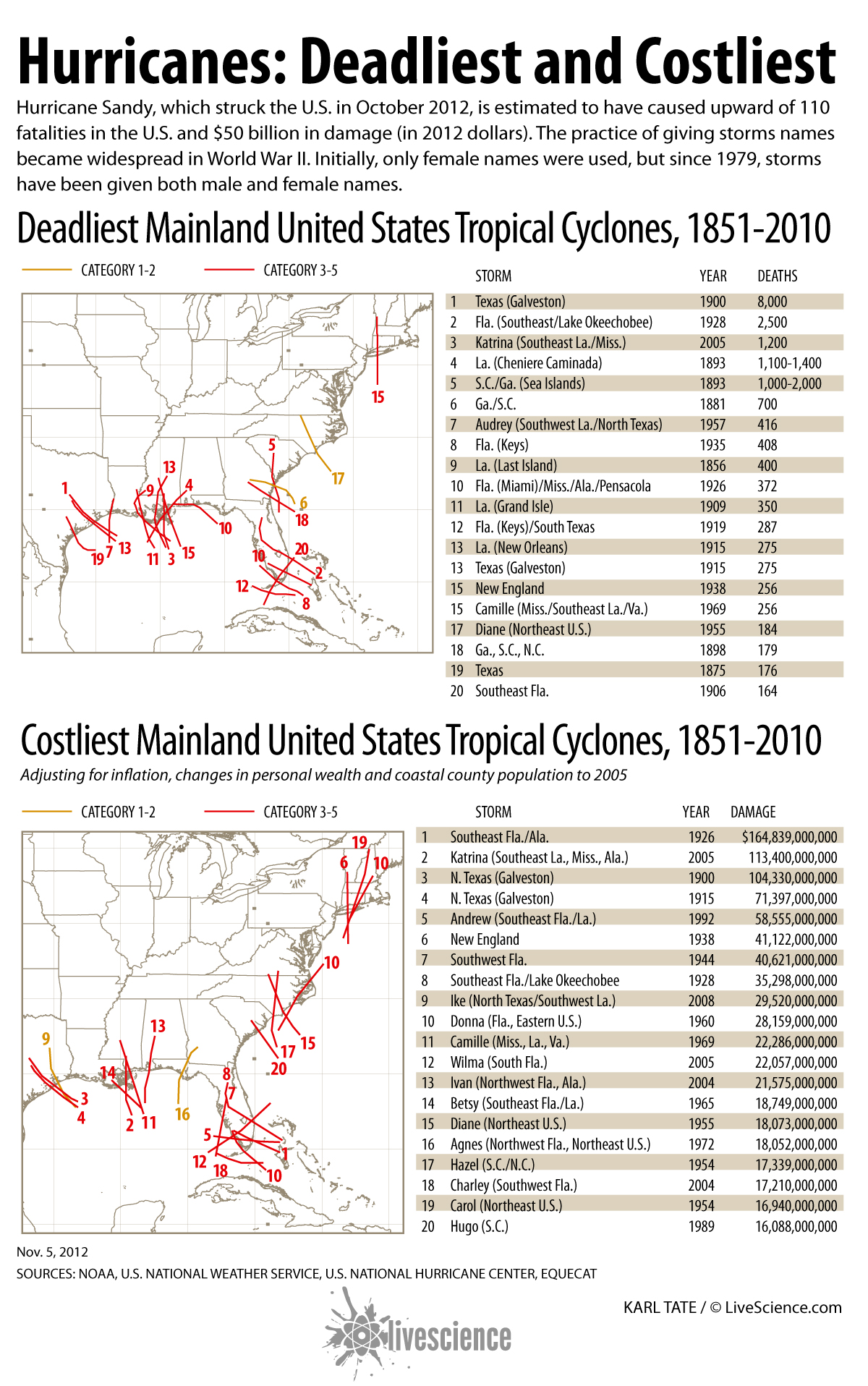
Hurricane Katrina remains the gold standard for economic catastrophe. With total losses exceeding $190 billion (inflation-adjusted), it demonstrated how a storm could essentially delete a city’s tax base overnight. The financial lethality of Katrina was not just in the $100 billion-plus in property damage, but in the systemic failure of the New Orleans economy. Thousands of small businesses never reopened, and the banking sector faced a localized crisis of non-performing loans. The federal government’s massive injection of capital was necessary to prevent a total regional depression, illustrating the massive fiscal liability these storms represent to the national treasury.
Hurricane Harvey and the Energy Sector Shock
In 2017, Hurricane Harvey delivered a different kind of financial blow. Dropping more than 50 inches of rain on the Houston metropolitan area, Harvey targeted one of the most critical industrial and financial centers in the United States. The storm caused an estimated $155 billion in damage. Unlike Katrina, which was a story of structural failure, Harvey was a story of business interruption. The flooding of the energy corridor paralyzed petroleum production, causing a spike in gas prices that acted as a temporary tax on consumers nationwide. For investors, Harvey was a wake-up call regarding the vulnerability of industrial assets to extreme precipitation events.
Hurricane Ian and the Florida Real Estate Crisis
More recently, Hurricane Ian in 2022 highlighted the fragility of the luxury real estate market and the insurance industry. With estimated losses nearing $115 billion, Ian struck a region that had seen an unprecedented influx of capital and migration. The “lethality” here was seen in the immediate devaluation of coastal property and the acceleration of an insurance crisis that has seen premiums in Florida rise to unsustainable levels. For the first time, the “cost of risk” began to outweigh the “benefit of location” for many high-net-worth investors, signaling a potential shift in the valuation of coastal assets.
The Insurance Implosion: How Major Hurricanes Reshape Global Risk Markets
The insurance industry is the frontline of hurricane finance. However, the sheer scale of modern “deadly” hurricanes has pushed the traditional insurance model to its breaking point. When a single event causes $50 billion or more in insured losses, the reverberations are felt in the boardrooms of Zurich, London, and New York.
The Disappearing Act of Private Insurers
In the aftermath of recent mega-storms, several major private insurers have either exited high-risk markets entirely or significantly reduced their exposure. This creates a vacuum where property owners must rely on state-funded “insurers of last resort.” From a financial strategy standpoint, this represents a massive shift in risk from the private sector to the public sector. When private capital flees, the cost of property ownership increases, cooling the real estate market and slowing economic growth.
The Rise of Reinsurance Costs and Global Capital Markets
Insurance companies themselves buy insurance, known as reinsurance. After a series of “deadly” hurricane seasons, reinsurance rates have spiked globally. This means that a storm in the Caribbean can indirectly raise insurance premiums for a warehouse in the Midwest or a tech hub in Europe, as global capital seeks to recoup its losses. Furthermore, the rise of “Catastrophe Bonds” (Cat Bonds) has allowed institutional investors to bet on the frequency of these storms. While offering high yields, these financial instruments are wiped out when a major hurricane hits, creating a direct link between atmospheric events and the portfolios of pension funds and hedge funds.
Protecting Your Wealth: Financial Strategies for a Hurricane-Prone Future
For individuals and business owners, the “deadliness” of a hurricane can be mitigated through proactive financial engineering. As these storms become more frequent and severe, traditional savings and standard insurance policies are no longer sufficient.
Diversifying Real Estate Portfolios
The primary rule of personal finance—diversification—applies heavily to real estate. Holding all of one’s equity in a single coastal market is an increasingly high-risk strategy. Sophisticated investors are now “geographical hedging,” balancing coastal holdings with inland assets that are less susceptible to wind and surge damage. This protects the overall net worth from being decimated by a single landfalling storm.
Investing in Resilient Infrastructure and Green Bonds
There is a growing market for “resilience investing.” This involves putting capital into companies that specialize in storm-hardened construction, advanced forecasting technology, and municipal water management systems. Additionally, “Green Bonds” issued by cities to fund sea walls and drainage upgrades offer a way for investors to support climate adaptation while earning a fixed income. From a business finance perspective, investing in on-site power generation and hardened supply chains is no longer an elective expense; it is a necessary capital expenditure to ensure business continuity.
The Macroeconomic Long Game: Rebuilding Costs and National Debt
On a national level, the deadliest hurricanes are those that force the government into massive deficit spending. Every billion dollars spent on disaster relief is a billion dollars diverted from education, technology, or infrastructure.
The “opportunity cost” of hurricanes is a major drag on long-term GDP growth. When the federal government acts as the ultimate backstop for flood insurance and disaster recovery, it creates a “moral hazard” where development continues in high-risk zones, fueled by subsidized risk. Breaking this cycle requires a fundamental shift in how we price the financial risk of hurricanes. By moving toward market-based insurance rates and incentivizing retreat from the most vulnerable areas, the “economic lethality” of future storms can be managed.
In conclusion, while we measure the tragedy of hurricanes in human lives, we must also measure their “deadliness” in the systematic destruction of economic potential. From the collapse of small businesses in the wake of Katrina to the insurance volatility following Ian, these storms are the ultimate “black swan” events for the financial world. By understanding the mechanics of hurricane-driven economic loss, investors and policymakers can better prepare for a future where the cost of the wind is higher than ever before. Growing wealth in a hurricane-prone world requires more than just sturdy shutters; it requires a sophisticated understanding of how capital flows—and evaporates—in the eye of the storm.
aViewFromTheCave is a participant in the Amazon Services LLC Associates Program, an affiliate advertising program designed to provide a means for sites to earn advertising fees by advertising and linking to Amazon.com. Amazon, the Amazon logo, AmazonSupply, and the AmazonSupply logo are trademarks of Amazon.com, Inc. or its affiliates. As an Amazon Associate we earn affiliate commissions from qualifying purchases.