
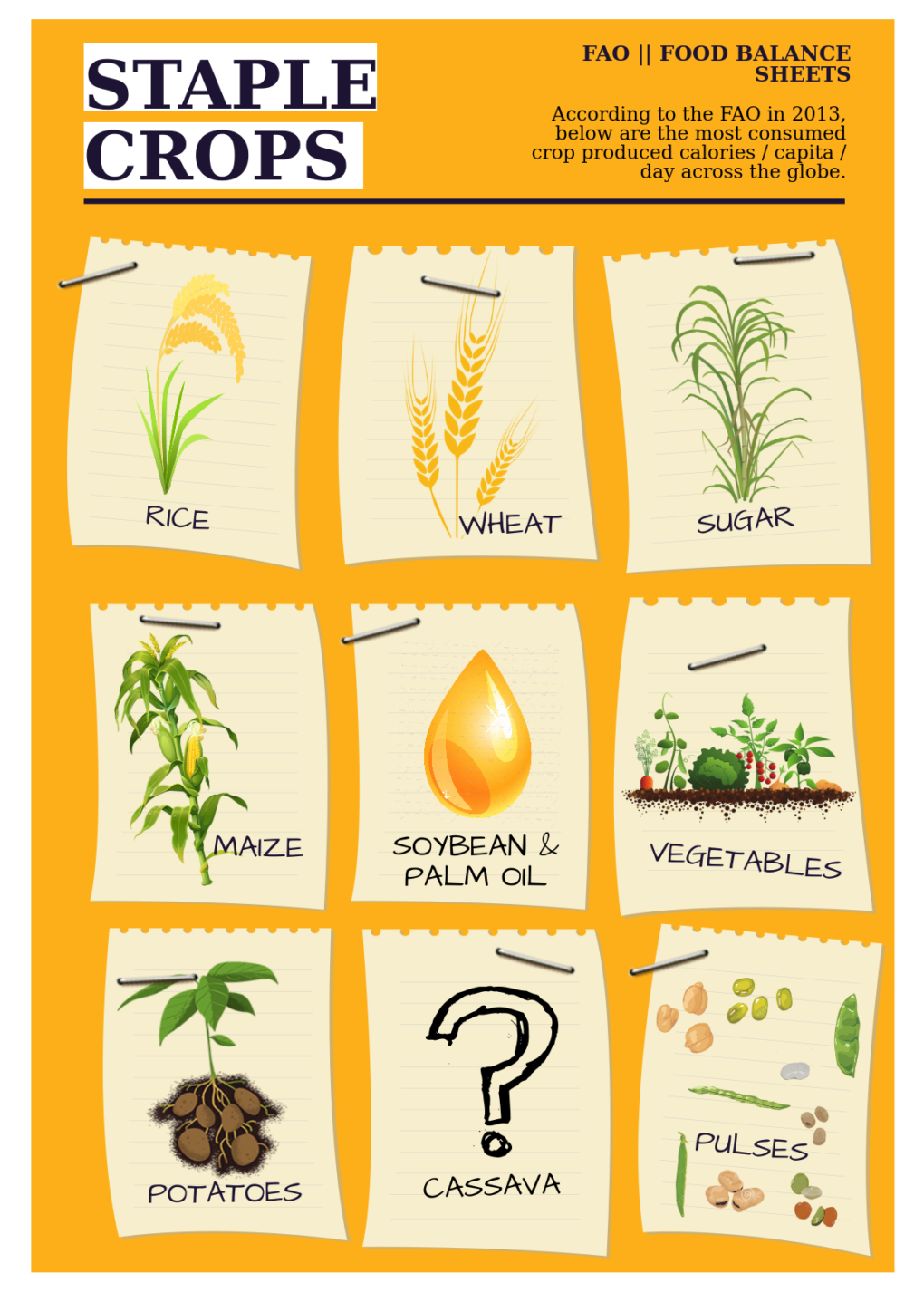
In the complex ecosystem of global finance, few assets possess the fundamental necessity and market resilience of staple crops. While high-tech stocks and volatile cryptocurrencies often dominate financial headlines, the global economy is built upon a foundation of grains, tubers, and legumes. Staple crops are defined as plants that are eaten routinely and in such quantities that they constitute a dominant portion of a standard diet in a given population, supplying a large fraction of energy needs and generally forming a significant proportion of the intake of other nutrients as well.

From an investment and macroeconomic perspective, staple crops are more than just food; they are high-volume commodities that drive international trade, influence inflation rates, and dictate the economic stability of entire nations. Understanding the mechanics of these crops—how they are produced, traded, and hedged—is essential for any investor looking to understand the “real” economy.
The Big Three: The Pillars of Global Commodity Trading
While there are hundreds of edible plant species, the global economy is primarily anchored by three major staple crops: corn (maize), wheat, and rice. Together, these three provide more than half of the world’s dietary energy. For the business analyst or investor, these represent the most liquid and actively traded “soft commodities” on the planet.
Corn: The Industrial Powerhouse
Corn is perhaps the most versatile staple crop in the modern economy. Unlike rice, which is primarily consumed directly by humans, corn is an industrial multi-tool. In the United States, the world’s largest producer, corn is a primary input for livestock feed, ethanol production, and thousands of consumer goods ranging from high-fructose corn syrup to biodegradable plastics.
From a financial standpoint, the corn market is highly sensitive to energy prices. Because corn is a feedstock for biofuel, its price often correlates with crude oil. When oil prices rise, the demand for ethanol increases, driving up corn prices. This interdependency makes corn a unique asset class that sits at the intersection of agriculture and energy.
Wheat: The Geopolitical Barometer
Wheat is the most widely traded crop globally and is grown on more land area than any other food crop. It is the primary protein source in many emerging markets and developed nations alike. Because wheat production is geographically diverse—spanning the United Kingdom, Russia, the United States, and Australia—it serves as a barometer for global geopolitical stability.
The “breadbasket” regions of the world are often flashpoints for economic shifts. For instance, disruptions in the Black Sea region can cause immediate spikes in wheat futures on the Chicago Board of Trade (CBOT), leading to “agflation”—agricultural inflation—that can destabilize the economies of importing nations in North Africa and the Middle East.
Rice: The Anchor of Eastern Economies
Rice is the primary staple for more than half of the world’s population, particularly in Asia. Unlike wheat and corn, a smaller percentage of global rice production is traded across borders; most is consumed in the country where it is grown. However, this lack of liquidity often leads to extreme price volatility when major exporters, such as India or Vietnam, impose export restrictions to protect domestic food security. For investors, rice is a key indicator of economic health and social stability in the Asia-Pacific region.
The Economics of Staple Crop Production and Supply Chains
The profitability of staple crops is dictated by a high-volume, low-margin business model. Because these are undifferentiated commodities, producers cannot compete on brand; they must compete on scale, efficiency, and logistics.
Input Costs and Margin Compression
The “Money” side of farming staple crops involves a sophisticated dance of managing input costs. The primary expenses for producing staple crops include seeds, fertilizers (largely nitrogen-based, which requires natural gas to produce), fuel for machinery, and labor.
When the price of natural gas rises, fertilizer prices skyrocket, compressing the profit margins of farmers. This creates a ripple effect throughout the supply chain. Large-scale agribusinesses—often referred to as the “ABCD” companies (Archer-Daniels-Midland, Bunge, Cargill, and Louis Dreyfus)—manage these risks through massive infrastructure and vertical integration, controlling everything from seed distribution to transoceanic shipping.
The Role of Futures and Hedging
The commodities market exists because staple crop production is inherently risky. Farmers face the “yield risk” of weather and pests, while buyers face “price risk.” The futures market allows these participants to lock in prices months in advance.
An investor “going long” on wheat is essentially betting on a price increase, while a commercial bread producer might “hedge” by buying futures to ensure their raw material costs don’t spike unexpectedly. This financial layer turns biological growth into a tradable financial instrument, providing the liquidity necessary for global food security.
Investing in Staple Crops: Strategies for Diversification
For those looking to gain exposure to the staple crop sector, several avenues exist beyond the high-risk world of direct futures trading. Staple crops offer a natural hedge against inflation, as food prices are a primary component of the Consumer Price Index (CPI).
Agricultural ETFs and Commodities Indexes
Exchange-Traded Funds (ETFs) allow investors to track the price of staple crops without owning a silo. Some ETFs focus on specific crops (like a dedicated corn or wheat fund), while others track a broad basket of agricultural commodities. These funds typically hold a mix of futures contracts, providing a simplified way for retail investors to participate in the “softs” market.
Agribusiness Equities
Another strategy involves investing in the companies that facilitate staple crop production. This includes:
- Seed and Chemical Providers: Companies that develop high-yield, drought-resistant seeds and the fertilizers/pesticides required to protect them.
- Equipment Manufacturers: Firms that produce the tractors and harvesters necessary for large-scale staple farming. These stocks often correlate with farmer net income.
- Processors and Distributors: The “middlemen” who buy raw staples and turn them into flour, oil, or feed. These companies often thrive on volume and market volatility.
The Impact of “Agri-Tech” on ROI
Modern staple crop production is becoming increasingly data-driven. The rise of Agri-tech—using AI for precision farming, satellite imagery for yield prediction, and automated machinery—is shifting the economic landscape. By reducing waste and increasing yields, these technologies are improving the Return on Investment (ROI) for large-scale operations, making the sector more attractive to venture capital and institutional investors.
Global Risks and the Future of Staple Market Valuation
The valuation of staple crops is facing unprecedented challenges that could fundamentally alter their market dynamics in the coming decades. Investors must account for “tail risks” that were previously considered rare.
Climate Volatility and Yield Stability
Staple crops are highly sensitive to temperature and water availability. Prolonged droughts in the U.S. Midwest or erratic monsoons in India can erase billions of dollars in market value in a single season. As the climate becomes more volatile, the premium on “climate-resilient” staple crops is rising. This is driving investment into genetic research and sustainable farming practices, such as regenerative agriculture, which seeks to maintain soil health for long-term financial viability.
Protectionism and Trade Policy
Because staple crops are essential for survival, they are often used as political leverage. Trade wars, tariffs, and export bans can disrupt established supply chains overnight. When a major producer restricts exports to lower domestic prices, global prices surge. This “food nationalism” is a significant risk factor for global commodity traders and requires a deep understanding of international policy and trade agreements.
The Shift Toward Alternative Proteins
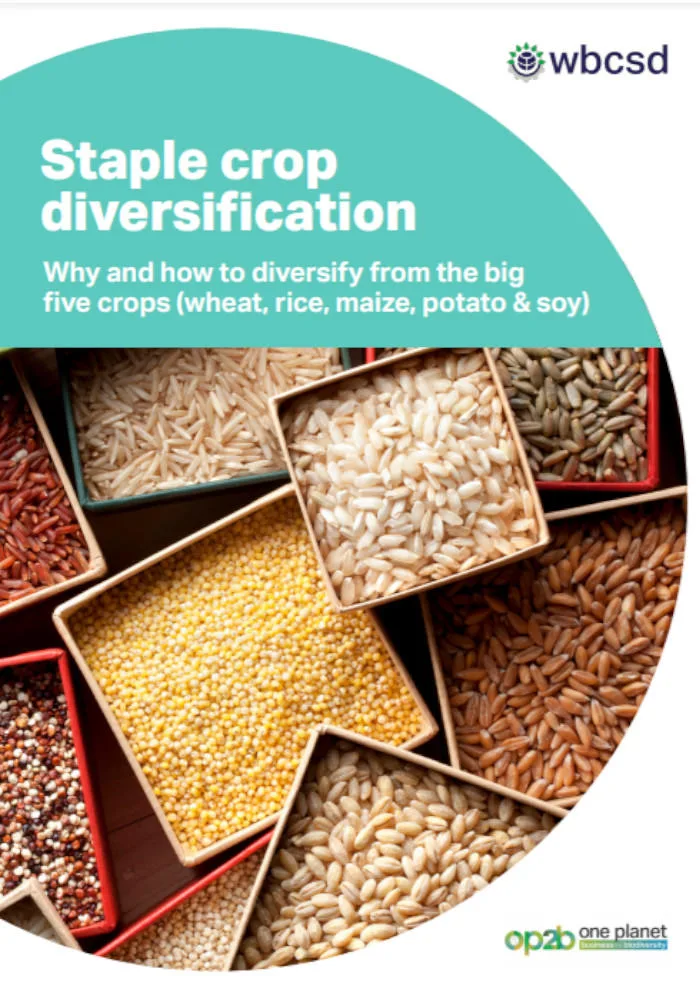
In the long term, the economic dominance of certain staple crops—specifically corn and soy used for livestock feed—may face competition from the rise of plant-based and lab-grown proteins. As the efficiency of converting crops to animal calories is questioned by ESG-focused investors, we may see a shift in capital toward crops destined for direct human consumption or new, high-efficiency staples like certain types of pulses and legumes.
Conclusion: The Perpetual Value of Staples
While the methods of production and the platforms for trading may evolve, the fundamental economic value of staple crops remains unchanged. They are the ultimate “defensive” asset; regardless of the state of the stock market or the strength of a currency, the global population requires the caloric energy provided by these crops. For the savvy investor, staple crops represent a bridge between the physical world and the financial markets—a sector where biology, weather, and macroeconomics converge to create one of the most vital and enduring investment themes in history. Understanding what staple crops are—and the vast financial network that supports them—is the first step in mastering the complexities of the global commodity market.
aViewFromTheCave is a participant in the Amazon Services LLC Associates Program, an affiliate advertising program designed to provide a means for sites to earn advertising fees by advertising and linking to Amazon.com. Amazon, the Amazon logo, AmazonSupply, and the AmazonSupply logo are trademarks of Amazon.com, Inc. or its affiliates. As an Amazon Associate we earn affiliate commissions from qualifying purchases.