
For the uninitiated, the term “pellet gun” often conjures images of simplistic backyard toys or relics of mid-century childhood. However, in the contemporary landscape of high-precision gadgets and mechanical engineering, pellet guns—properly known as adult airguns—have evolved into sophisticated pieces of pneumatic technology. These devices leverage complex physics, advanced materials science, and increasingly, digital integration to achieve levels of accuracy and power that rival traditional firearms.
A pellet gun is a type of air rifle or pistol that utilizes compressed air or other gases to propel a non-spherical projectile, typically made of lead or a lead-free alloy, through a rifled barrel. Unlike BB guns, which fire round steel shot through smoothbore barrels, pellet guns are designed for aerodynamic stability and long-range precision. To understand what a pellet gun is in the modern era, one must look closely at the engineering categories that define the niche: power plants, ballistic technology, and smart integrations.

The Mechanics of Airpower: From Spring-Pistons to Pre-Charged Pneumatics
The defining characteristic of any pellet gun is its power plant—the mechanical system used to compress and release air. In the tech world, this is the “engine” of the device, and it has seen significant innovation over the last two decades.
Spring-Piston and Gas Ram Technology
The most traditional form of high-performance airpower is the spring-piston system. In this setup, a powerful coiled steel spring is compressed by a cocking lever (often the barrel itself). When the trigger is pulled, the spring releases a piston, which moves forward rapidly within a cylinder, compressing air in front of it and forcing it through a small port behind the pellet.
The modern technological iteration of this is the “Gas Ram” or “Gas Strut.” Instead of a metal spring, these units use a sealed cylinder of nitrogen. This shift in technology offers several advantages: smoother cocking, less recoil vibration, and the ability to remain cocked for long periods without “spring fatigue.” From an engineering standpoint, gas rams represent a move toward the reliability and consistency found in automotive suspension systems.
The CO2 Expansion System
CO2-powered pellet guns utilize liquid carbon dioxide stored in small, disposable canisters or larger refillable tanks. When the trigger is pulled, a hammer strikes a valve, releasing a metered amount of liquid CO2, which instantly flashes into a gas and expands to propel the pellet. While CO2 is less powerful than other systems and sensitive to temperature fluctuations, it allows for semi-automatic and fully automatic firing cycles, making it a popular choice for “gadget-heavy” tactical replicas and rapid-fire training tools.
Pre-Charged Pneumatics (PCP) and Regulatory Valves
The pinnacle of modern airgun technology is the Pre-Charged Pneumatic (PCP) system. These guns feature an onboard high-pressure reservoir filled with compressed air—not CO2 or oxygen—to pressures ranging from 2,000 to over 4,500 PSI (pounds per square inch).
The “tech” highlight of the PCP world is the regulator. In a non-regulated gun, the velocity of the pellet drops as the air in the tank is depleted. A mechanical regulator acts as a sophisticated pressure-management gate, ensuring that every shot receives exactly the same volume of air at the same pressure, regardless of how much air remains in the main tank. This consistency is what allows modern pellet guns to achieve sub-MOA (Minute of Angle) accuracy at distances of 100 yards and beyond.
Precision Engineering: Barrel Rifling and Ballistics Technology
A pellet gun is only as good as its ability to guide a projectile. This is where mechanical engineering and fluid dynamics intersect. Unlike the smooth tubes found in low-end airguns, high-quality pellet guns utilize precision-rifled barrels.
The Science of the Twist Rate
Rifling consists of a series of helical grooves machined into the interior of the barrel. These grooves impart a spin on the pellet, creating gyroscopic stability. In recent years, companies like FX Airguns have revolutionized this space with “Smooth Twist” technology. Instead of traditional rifling throughout the entire length of the barrel—which can cause friction and slow the projectile—the barrel is smooth for most of its length, with the rifling “pressed” into the exterior of the barrel at the very end. This reduces friction while still providing the necessary spin, representing a significant leap in barrel manufacturing technology.
Materials Science in Pellet Manufacturing
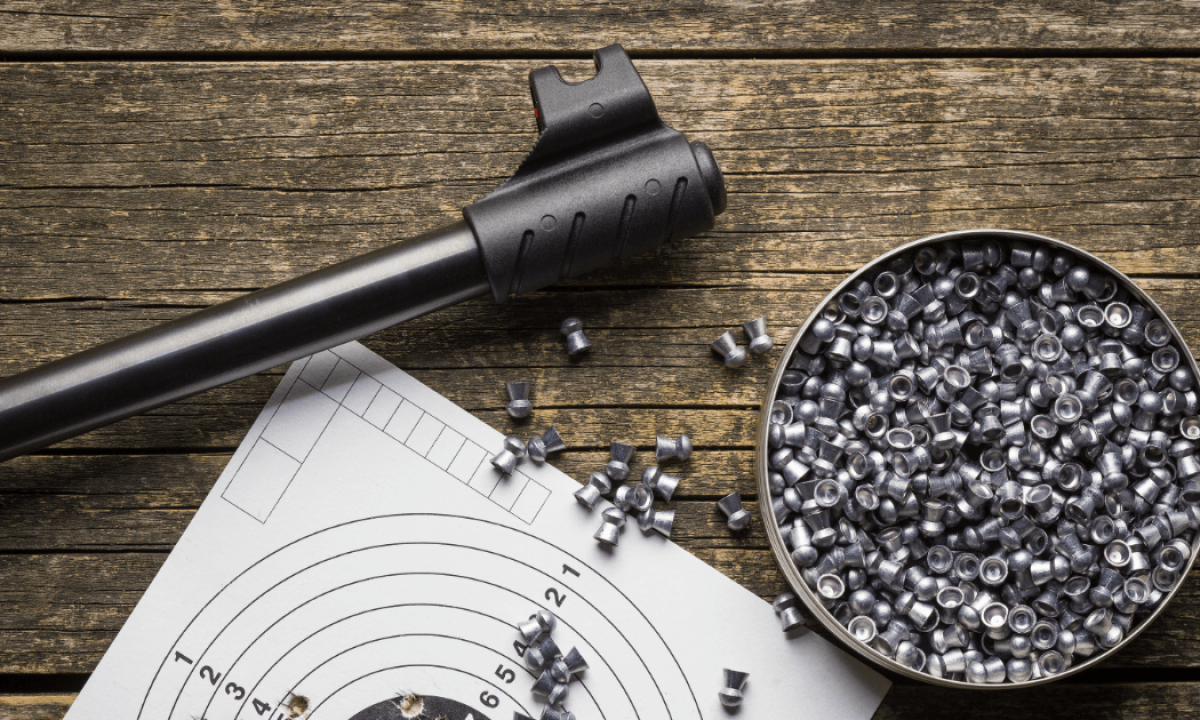
The projectiles themselves, known as “diabolo” pellets due to their waisted, shuttlecock-like shape, are marvels of aerodynamic engineering. The flared skirt of the pellet serves two technological purposes: it creates a seal against the barrel walls to prevent air leakage, and it creates drag at the rear to keep the nose pointed forward, much like a badminton birdie.
As the tech moves forward, we are seeing a shift toward “slugs.” These are more traditional, bullet-shaped projectiles designed for high-power PCP rifles. Slugs have a much higher ballistic coefficient, meaning they cut through the wind more efficiently. The engineering challenge here lies in matching the barrel’s twist rate to the slug’s weight and length—a calculation that involves deep physics and computer-aided design (CAD).
Digital Integration: The Rise of Smart Pellet Gun Systems
Perhaps the most exciting trend in pellet gun technology is the move toward digitalization. The industry is currently witnessing a “smart” revolution, where electronic components are replacing traditional mechanical linkages.
Electronic Triggers and Solenoids
In a traditional pellet gun, the trigger is a series of mechanical sears. In high-end “electronic” air rifles, the trigger is essentially a microswitch. When pressed, it sends a signal to a circuit board, which then activates a high-speed solenoid. The solenoid strikes the air valve with millisecond precision. This eliminates “lock time”—the delay between the trigger pull and the pellet leaving the barrel—resulting in unmatched accuracy. These systems often include LCD screens that allow the user to program the rifle’s power output, shot count, and even “magazine empty” alerts.
Digital Pressure Monitoring and Bluetooth Connectivity
Modern PCP rifles are increasingly incorporating digital transducers instead of analog needle gauges. These sensors provide real-time data on the remaining pressure in the reservoir and the pressure in the regulated plenum. Some high-end models now feature Bluetooth connectivity, allowing users to sync their rifle with a smartphone app. Through the app, a shooter can adjust the regulator pressure, monitor battery life on electronic components, and track the number of shots fired for maintenance scheduling.
Smart Optics and Ballistic Calculators
While not part of the gun itself, the “tech stack” of a modern pellet gun setup often includes smart optics. Scopes equipped with built-in laser rangefinders and ballistic computers can now communicate directly with the rifle. Once the range is found, the scope’s internal display adjusts the aiming point (the reticle) based on the pellet’s weight, the current temperature, and even the angle of the shot. This integration of hardware and software has turned the pellet gun into a high-tech shooting platform capable of professional-grade performance.
The Future of Pellet Gun Technology: Sustainability and Innovation
As we look toward the future, pellet gun technology is focusing on two main areas: independent power generation and modularity.
High-Pressure Compressor Technology
One of the historical “pain points” of high-end PCP pellet guns was the need for external air sources like SCUBA tanks. Today, the market is seeing a surge in portable, high-pressure 12V compressors. These devices use sophisticated cooling and filtration systems to take ambient air and compress it to 4,500 PSI in a compact, tabletop form factor. This democratization of high-pressure air has made the technology accessible to a much wider audience, moving the pellet gun further into the realm of a self-sustaining tech gadget.

3D Printing and Modular Customization
The “maker” movement has also found its way into the pellet gun niche. Modern airguns are increasingly modular, utilizing M-LOK rails and Picatinny systems borrowed from the tactical world. Furthermore, the use of high-strength polymers and 3D-printed components for stocks, grips, and shrouds allows for rapid prototyping and customization. Enthusiasts can now download CAD files to print their own ergonomic upgrades, illustrating the crossover between digital fabrication and mechanical sport.
In summary, a pellet gun is far more than a simple projectile launcher; it is a sophisticated pneumatic tool that sits at the intersection of mechanical physics and digital innovation. From the regulated air systems of PCP rifles to the electronic solenoids of high-end competition models, the technology behind these devices continues to push the boundaries of what is possible with nothing more than a puff of air. Whether used for precision target competition, pest control, or high-level hobbyism, the modern pellet gun is a testament to the enduring appeal of refined engineering.
aViewFromTheCave is a participant in the Amazon Services LLC Associates Program, an affiliate advertising program designed to provide a means for sites to earn advertising fees by advertising and linking to Amazon.com. Amazon, the Amazon logo, AmazonSupply, and the AmazonSupply logo are trademarks of Amazon.com, Inc. or its affiliates. As an Amazon Associate we earn affiliate commissions from qualifying purchases.