
In the landscape of modern commerce, few sectors have demonstrated the resilience and transformative power of the microbrewery. While the consumer understands “micro brews” as high-quality, artisanal beverages, the financial world views them through a different lens: as a high-growth asset class characterized by lean operational models, significant brand equity, and a unique position within the broader beverage industry. Understanding what micro brews are from a business and financial perspective requires a deep dive into production metrics, capital allocation strategies, and the evolving valuation models that drive this multi-billion dollar niche.

The Economic Definition of Microbreweries
From a strictly financial and regulatory standpoint, a microbrewery is defined not just by the ingredients it uses, but by its annual production volume and its independence from larger corporate conglomerates. In the United States, the Brewers Association defines a microbrewery as one that produces fewer than 15,000 barrels of beer per year, with at least 75 percent of that beer sold off-site.
Production Volume and Financial Thresholds
The 15,000-barrel threshold is more than a mere statistic; it represents a specific stage in the business lifecycle where economies of scale begin to conflict with artisanal quality. For investors, this production cap dictates the tax environment in which the business operates. Under the Craft Beverage Modernization and Tax Reform Act, smaller producers enjoy significantly reduced federal excise tax rates compared to their “Big Beer” counterparts. This tax advantage is a critical component of the microbrewery business model, allowing these smaller entities to reinvest capital into research and development, quality control, and localized marketing efforts that build brand loyalty.
The Market Valuation of Independent Craft
Independence is the second pillar of the microbrewery definition. To be classified as a craft microbrewery, no more than 25 percent of the company can be owned or controlled by an alcoholic beverage industry member that is not itself a craft brewer. This independence is a major driver of brand value. In the current market, “authenticity” acts as a form of intangible capital. Consumers are increasingly willing to pay a premium—often 30% to 50% higher than mass-market lagers—for products perceived as independent. This premium creates robust profit margins that, when managed correctly, offset the higher costs of raw materials and small-batch labor.
Investment Strategies in the Brewing Sector
The rise of the microbrewery has opened new avenues for both institutional and retail investors. Unlike the consolidated, slow-growth nature of global beverage corporations, the micro-brew sector offers opportunities for aggressive growth and localized market dominance.
Direct Investment vs. Equity Crowdfunding
Traditionally, entering the microbrewery market required significant private equity or angel investment. However, the landscape has shifted with the rise of equity crowdfunding. Platforms now allow enthusiasts to become fractional owners of local breweries, providing the business with a debt-free capital injection while simultaneously creating a built-in base of brand ambassadors.
For the professional investor, direct equity in a microbrewery is often a play on “exit potential.” Large international brewers, facing stagnant growth in their flagship brands, frequently acquire successful microbreweries at high valuation multiples. These acquisitions are not merely for the physical assets, but for the brand’s intellectual property and its established distribution network within a specific demographic.
Analyzing the ROI of Taproom-Centric Models
One of the most significant financial shifts in the microbrewery world is the move toward the taproom-centric model. Traditionally, breweries relied on the “three-tier system”: brewer to wholesaler to retailer. Each tier takes a cut of the margin. By focusing on on-site sales through a taproom, a microbrewery can capture the full retail margin.
The Return on Investment (ROI) for a taproom is significantly higher than for distribution-heavy models. In a taproom, a pint sold for $7.00 might yield a gross margin of over 80% once the cost of goods sold (COGS) is accounted for. In contrast, the same beer sold through a distributor might yield a margin of only 20% to 30%. Financial analysts now look at “taproom-to-distribution ratios” as a primary indicator of a microbrewery’s fiscal health and long-term sustainability.
The Business Finance of Micro-Production
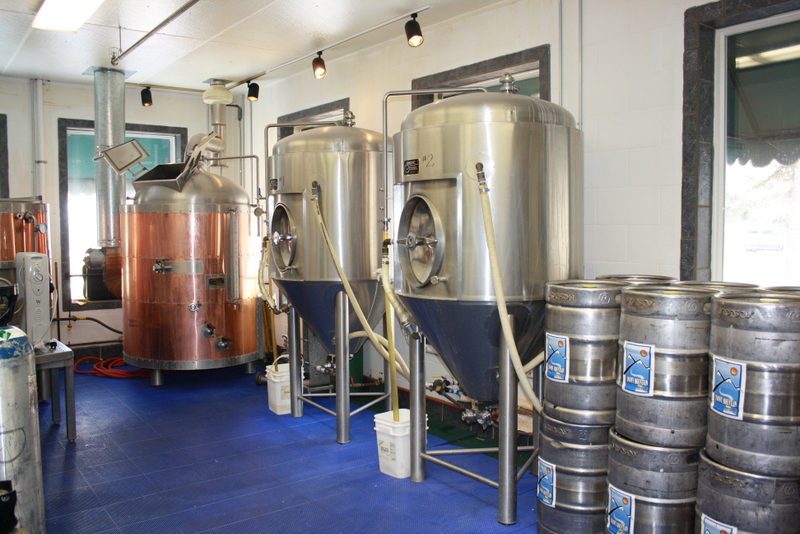
Operating a microbrewery is a capital-intensive venture that requires a sophisticated understanding of balance sheets and cash flow management. The journey from a garage-based “side hustle” to a commercial micro-brewery involves navigating complex financial hurdles.
Capital Expenditures (CapEx) in Early-Stage Brewing
The initial barrier to entry for a microbrewery is the high cost of stainless steel equipment. Fermenters, mash tuns, canning lines, and refrigeration systems represent a massive upfront Capital Expenditure (CapEx). A standard 7-barrel brewhouse can cost anywhere from $100,000 to $250,000 for the equipment alone, not including the leasehold improvements required for plumbing, ventilation, and flooring.
Effective financial management in this stage involves strategic financing. Many successful micro-brewers utilize equipment leasing or SBA (Small Business Administration) loans to preserve liquid capital for operational needs. The goal is to reach “breakeven volume” as quickly as possible—the point where the volume of beer sold covers both the variable costs of production and the fixed costs of debt service and rent.
Managing Operational Costs and Lean Distribution
Beyond the initial equipment, the ongoing operational costs (OpEx) of a microbrewery are subject to the volatility of agricultural markets. Hops, malt, and yeast are the primary raw materials, and their prices can fluctuate based on global harvest yields.
Microbreweries that excel financially often adopt “lean” principles. This includes optimizing the supply chain to reduce waste and utilizing “just-in-time” inventory for perishable ingredients. Furthermore, the distribution strategy must be carefully calibrated. Self-distribution, where legal, allows the brewery to retain more profit but requires investment in a delivery fleet and logistics staff. Finding the “sweet spot” between local self-distribution and partnering with a regional wholesaler is a critical financial decision for a growing micro-brand.
Market Trends and Revenue Diversification
As the craft beer market matures, microbreweries are diversifying their revenue streams to protect against market saturation and changing consumer preferences. This diversification is a key strategy for maintaining healthy financial ratios.
The Impact of “Big Beer” Acquisitions on Brand Value
The phenomenon of “Big Beer” buying “Little Beer” has profound implications for the niche. When a multi-national corporation like Anheuser-Busch InBev or Molson Coors acquires a microbrewery, the financial infusion allows the brand to scale rapidly. However, this often leads to a “brand dilution” risk. From a financial perspective, the challenge is to maintain the “craft premium” price point while leveraging the parent company’s massive distribution efficiencies. Investors monitor these acquisitions closely, as they often set the benchmark for valuation multiples across the entire industry. Current multiples for high-growth micro-brands can range from 10x to 15x EBITDA (Earnings Before Interest, Taxes, Depreciation, and Amortization), depending on the brand’s regional strength.
New Revenue Streams: DTC and Subscription Models
Following the lead of the wine industry, many microbreweries are turning to Direct-to-Consumer (DTC) shipping and subscription-based “Beer Clubs.” Financially, this is a revolutionary shift. Subscription models provide a predictable, recurring revenue stream—a rarity in a business often dictated by seasonal fluctuations and foot traffic.
By bypassing traditional retail, breweries can offer exclusive, small-batch releases to their most loyal customers at a premium price. This not only increases the Average Order Value (AOV) but also provides valuable data on consumer behavior. In the age of digital finance, this data is an asset in itself, allowing breweries to target their production and marketing spend with surgical precision, thereby increasing the overall efficiency of their marketing budget.

The Future of Micro Brews as a Business Class
What are micro brews? They are no longer just a hobbyist’s pursuit or a niche lifestyle product. They represent a sophisticated sector of the beverage economy that rewards operational efficiency, brand authenticity, and strategic capital allocation. For the entrepreneur, they offer a path to build a high-margin, community-integrated business. For the investor, they represent a diversification play in the consumer staples category with the growth profile of a tech startup.
As the industry continues to evolve, the most successful microbreweries will be those that balance the “art” of brewing with the “science” of business finance. By focusing on high-margin sales channels, managing the complexities of CapEx, and protecting the integrity of their brand, micro-brewers can continue to outperform traditional beverage benchmarks and redefine what it means to be a successful small-scale producer in a globalized economy.
aViewFromTheCave is a participant in the Amazon Services LLC Associates Program, an affiliate advertising program designed to provide a means for sites to earn advertising fees by advertising and linking to Amazon.com. Amazon, the Amazon logo, AmazonSupply, and the AmazonSupply logo are trademarks of Amazon.com, Inc. or its affiliates. As an Amazon Associate we earn affiliate commissions from qualifying purchases.