
In the contemporary landscape of lifestyle marketing and wellness commerce, few items represent the intersection of ancient tradition and modern brand identity as poignantly as mala beads. While traditionally recognized as a tool for meditation and prayer in Buddhist and Hindu practices, mala beads have transitioned into a powerful symbol within the global wellness industry. For brand strategists, marketers, and entrepreneurs, understanding the narrative power of these 108-bead strands provides a masterclass in how cultural heritage can be integrated into personal and corporate branding to communicate values of intentionality, presence, and ethical consciousness.
To understand mala beads through the lens of brand strategy is to understand the “meaning economy.” In this economy, consumers are not merely purchasing a physical product; they are investing in a curated identity and a set of perceived values. Mala beads serve as a visual shorthand—a semiotic tool—that signals a commitment to a specific lifestyle.
The Anatomy of a Spiritual Brand: Why Mala Beads Resonate in the Market
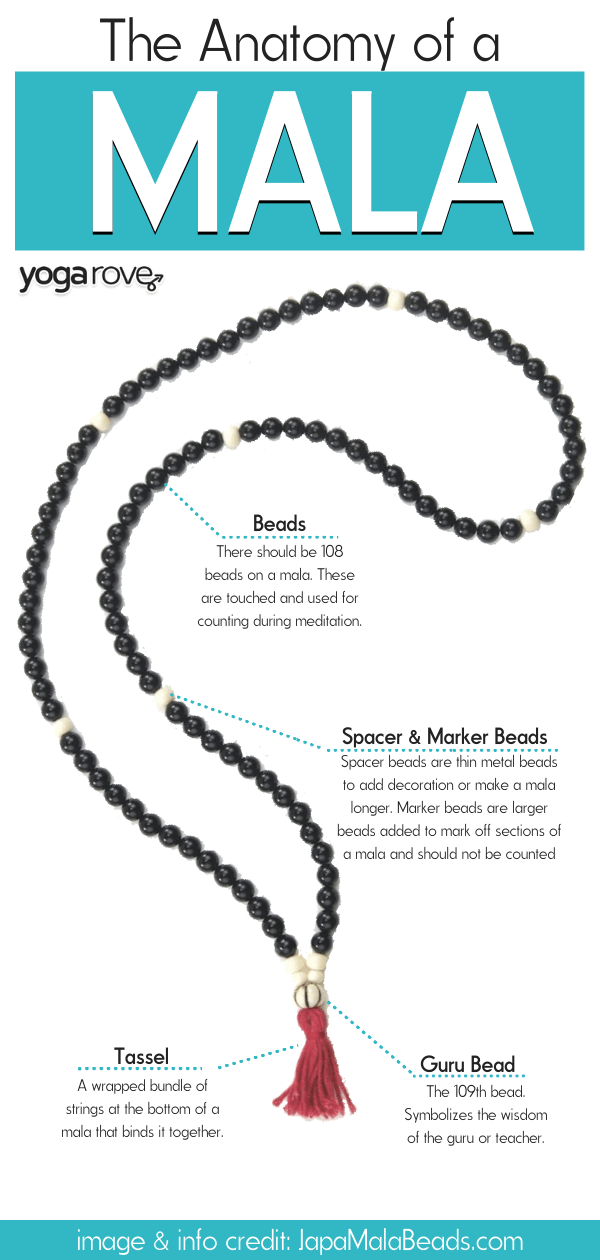
At their core, mala beads are more than jewelry; they are a tactile manifestation of a brand’s narrative. Traditionally consisting of 108 beads, a “guru bead,” and a tassel, the structure of the mala offers a framework that brands use to tell complex stories. From a branding perspective, the “108” represents a “Legacy Metric”—a historical anchor that gives a product immediate depth and authenticity.
The Power of Symbolic Storytelling
Successful brands thrive on storytelling. Mala beads offer a pre-built narrative that spans millennia. When a brand incorporates malas into its product line, it is tapping into a story of enlightenment, discipline, and inner peace. This is an example of “Archetypal Branding.” By aligning with the Sage or the Spiritual Seeker archetypes, a company can bypass traditional marketing skepticism and appeal directly to a consumer’s aspiration for a higher state of being.
Materiality and Brand Perception
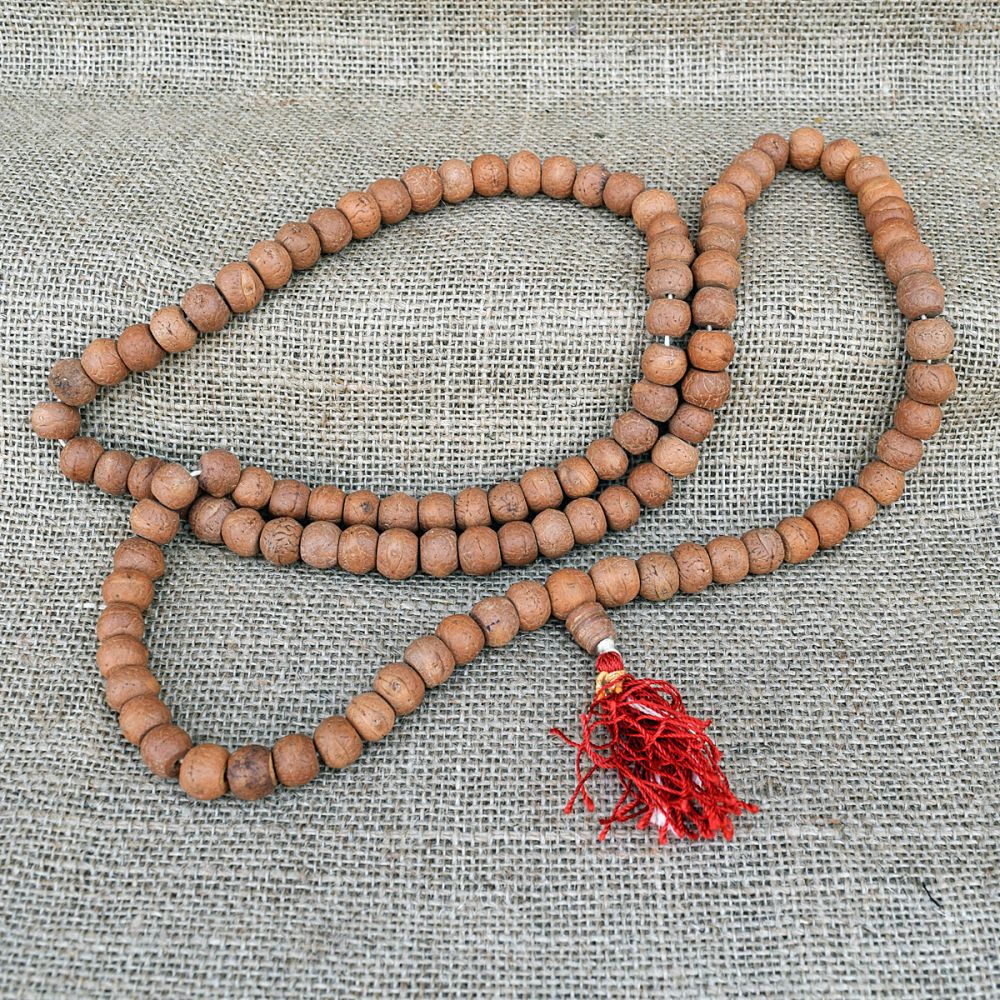
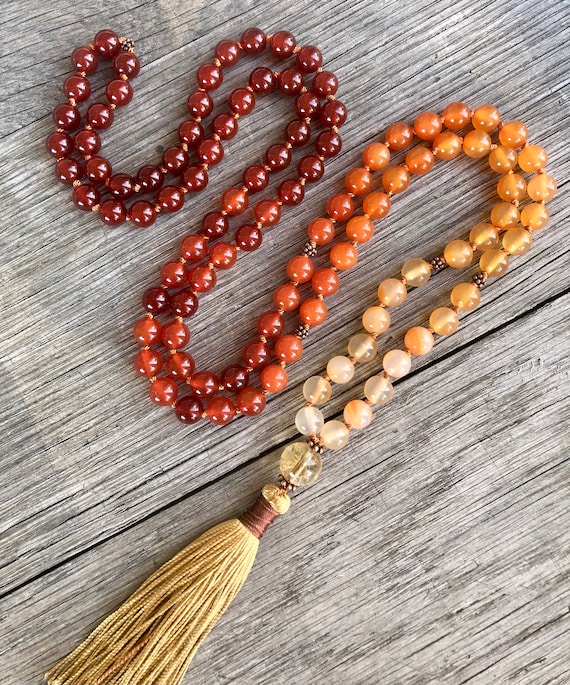
In brand design, the choice of materials is a critical communicator of quality and philosophy. Mala beads are typically crafted from rudraksha seeds, sandalwood, or various gemstones. Each material carries its own “brand promise.” For instance, a brand focusing on “Strength and Resilience” might utilize lava stone malas, while a brand centered on “Calm and Clarity” might opt for amethyst. This level of customization allows for precise brand positioning, catering to niche market segments within the broader wellness industry.
Market Positioning: From Ancient Tradition to Luxury Lifestyle Asset
The evolution of mala beads from monastic tools to high-fashion accessories is a fascinating study in market positioning. Premiumization—the process of making a product more prestigious—has transformed the mala into a luxury asset. High-end lifestyle brands have successfully repositioned these items by focusing on three key pillars: craftsmanship, exclusivity, and the “Experience Economy.”
The Craftsmanship Narrative
Modern branding often emphasizes the “maker’s story.” For mala beads, this involves highlighting the artisanal process—hand-knotting between each bead, the sourcing of ethical gemstones, and the intention set during the manufacturing process. This narrative moves the product from a mass-produced commodity to a “bespoke artifact.” Consumers are willing to pay a premium for products that feel “touched by human hands,” especially in an increasingly digital and automated world.
Strategic Price Positioning
The price of mala beads in the current market varies significantly, ranging from $20 to over $1,000. This disparity is a result of strategic tiering.
- Entry-Level Brands: Focus on accessibility and the “trend” aspect of mindfulness.
- Mid-Tier Brands: Focus on the specific properties of gemstones and the “self-care” benefits.
- Luxury Brands: Focus on rare materials (such as high-grade sandalwood or precious stones) and the “status” of spiritual enlightenment.
By analyzing these tiers, brands can decide where they want to sit on the value chain, ensuring their pricing reflects their overall brand identity.
Branding Ethics: Authenticity vs. Appropriation in Wellness Marketing
One of the most critical challenges in using mala beads as a branding element is navigating the line between cultural appreciation and cultural appropriation. In the modern “conscious consumer” era, brand reputation can be built or destroyed based on how a company handles cultural symbols.
The Authenticity Audit
For a brand to remain sustainable, it must conduct what experts call an “Authenticity Audit.” If a brand sells mala beads solely as a fashion accessory without acknowledging their roots in Dharmic traditions, it risks being labeled as exploitative. Brand strategy must involve “Integrity-Based Marketing.” This includes:
- Educational Content: Providing consumers with the history and proper use of the tool.
- Sourcing Transparency: Ensuring that the production of beads supports the communities from which the tradition originates.
- Collaborative Partnerships: Working with traditional artisans rather than mass-producing designs.
Building Trust Through Transparency
Trust is the currency of the modern brand. Brands that successfully market mala beads often do so by being transparent about their supply chain and their “Give Back” initiatives. For example, a brand might donate a percentage of its mala sales to meditation retreats or Himalayan conservation efforts. This “Social Impact Branding” aligns the company with the compassionate values inherent in the beads themselves, creating a cohesive and believable brand identity.
Personal Branding and the “Mindful Leader” Aesthetic
Beyond corporate products, mala beads have become a staple in personal branding, particularly among executives, entrepreneurs, and thought leaders. In a high-stress corporate environment, wearing or carrying mala beads has become a way for individuals to signal “Mindful Leadership.”
The Visual Identity of Leadership
In personal branding, visual cues are used to establish authority and character. A mala bead bracelet worn with a professional suit serves as a “Contrast Signal.” It suggests that while the leader is capable of navigating the complexities of business, they are also grounded in a personal practice of reflection and calm. This duality is highly attractive in the modern “Human-Centric” business world.
Networking and Tribal Signalling
Mala beads also function as a “Tribal Marker.” Much like a luxury watch or a specific tech gadget, malas can signal membership in a particular community—in this case, the global community of conscious entrepreneurs. This facilitates “Value-Based Networking,” where individuals are drawn to others who share similar philosophical commitments. For personal brand strategists, the mala is a tool for attracting a “Vibe-Compatible” audience.
The Future of Mindfulness Branding: Digital Integration and Sustainability
As we look toward the future, the branding of mala beads is likely to evolve in two distinct directions: digital integration and extreme sustainability.
The Digital Mala
With the rise of the “Mindful Tech” sector, we are seeing the emergence of “Smart Malas.” These are beads equipped with haptic feedback or sensors that sync with meditation apps to track breath-work or mantra repetitions. From a brand strategy perspective, this represents the “Hybridization of Tradition.” It allows tech brands to soften their image by associating with ancient wisdom, while traditional brands can modernize their appeal to Gen Z and Alpha demographics.
Sustainability as the Ultimate Brand Promise
As environmental concerns become central to consumer behavior, brands that focus on “Regenerative Malas” will lead the market. This involves using seeds from sustainably managed forests or recycled gemstones. The “Circular Economy” of wellness products will become a major selling point. Brands that can prove their malas actually contribute to the healing of the planet—not just the healing of the individual—will achieve the highest levels of brand loyalty.
Conclusion: The Enduring Value of the Mala in Brand Strategy
In conclusion, “what are mala beads” is a question that, in the context of brand strategy, yields a complex answer. They are a bridge between the sacred and the commercial, the ancient and the modern. For brands, they offer a rich repository of meaning, allowing for the creation of products and identities that resonate on a deeply human level.
By focusing on authentic storytelling, ethical positioning, and the “Mindful Leader” aesthetic, businesses can leverage the power of mala beads to build a brand that is not only profitable but also meaningful. In a marketplace saturated with fleeting trends, the enduring symbolism of the 108 beads provides a blueprint for building a legacy brand that stands the test of time. Intentionality, after all, is the most valuable commodity a brand can offer.
aViewFromTheCave is a participant in the Amazon Services LLC Associates Program, an affiliate advertising program designed to provide a means for sites to earn advertising fees by advertising and linking to Amazon.com. Amazon, the Amazon logo, AmazonSupply, and the AmazonSupply logo are trademarks of Amazon.com, Inc. or its affiliates. As an Amazon Associate we earn affiliate commissions from qualifying purchases.