
In the fast-paced world of software development, where continuous integration and continuous delivery (CI/CD) are the industry standards, the pressure to maintain uptime is immense. Despite rigorous testing, automated quality assurance, and meticulous code reviews, bugs inevitably slip through the cracks. Some of these bugs are minor annoyances—a misaligned button or a typo in a tool-tip—but others are catastrophic. When a critical security vulnerability is discovered or a core piece of functionality breaks for millions of users, the standard release cycle is too slow. This is where the hotfix enters the frame.
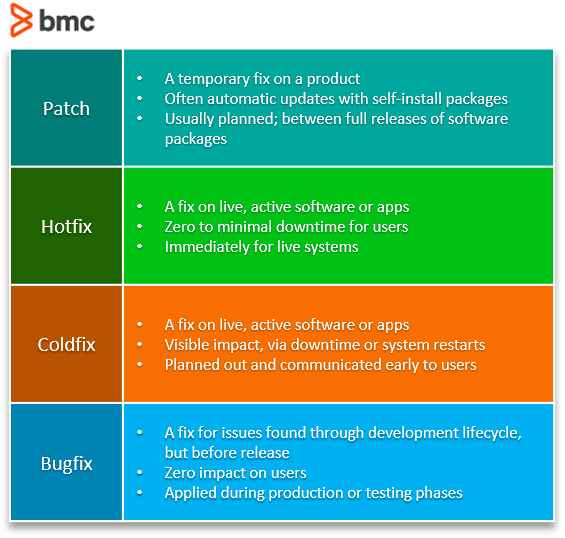
A hotfix is a specialized, rapid-response software update designed to address a specific, high-priority issue. Unlike scheduled updates or general patches, which often bundle dozens of new features and minor bug fixes into a single release, a hotfix is a targeted strike. It is the digital equivalent of a trauma surgeon performing an emergency procedure to stabilize a patient before a long-term recovery plan can be implemented.
The Anatomy of a Hotfix: Speed vs. Stability
To understand what a hotfix is, one must first understand what it is not. In the hierarchy of software updates, there are three primary categories: major releases, minor patches, and hotfixes. Major releases introduce significant new functionality and often involve changes to the underlying architecture. Minor patches are typically scheduled updates that address a collection of non-critical bugs and security enhancements.
The hotfix sits in a category of its own because of its “emergency” status. It is typically applied to a “live” or production environment to fix a bug that is currently affecting users. Because the stakes are so high, the traditional rules of the software development lifecycle (SDLC) are often condensed or modified.
How Hotfixes Differ from Patches and Updates
The primary differentiator is the sense of urgency. A patch might be released once a month (often referred to as “Patch Tuesday” in the enterprise world). It undergoes weeks of regression testing to ensure that fixing one bug doesn’t inadvertently break five other things.
A hotfix, however, might be developed, tested, and deployed within hours. Its scope is intentionally narrow. If a banking app’s login portal is crashing on mobile devices, the developers won’t wait to bundle that fix with next month’s new UI theme. They will isolate the specific lines of code causing the crash and push a hotfix immediately.
The Critical Nature of “Day Zero” Vulnerabilities
One of the most common reasons for a hotfix is the discovery of a “zero-day” vulnerability. This is a security flaw that is unknown to the software vendor but may already be exploited by hackers. In these scenarios, the hotfix is a race against time. The goal is to close the security hole before widespread data breaches occur. In the tech industry, the ability to deploy a hotfix efficiently is often the difference between a minor PR hiccup and a multi-million dollar legal liability.
The Hotfix Lifecycle: From Detection to Deployment
While a hotfix is “hot”—meaning it happens while the system is running and is urgent—it should never be reckless. A “cowboy coding” approach, where a developer changes code directly on a live server without testing, is a recipe for disaster. Professional tech organizations follow a condensed version of the SDLC to ensure the hotfix solves the problem without creating new ones.
Identifying and Isolating the Bug
The process begins with detection. This usually happens through automated monitoring tools, crash reports, or an influx of customer support tickets. Once a critical issue is identified, the engineering team must reproduce the bug in a local development environment.
Isolation is key. Developers must determine exactly what is causing the failure. Because hotfixes are meant to be small, the fix should involve the minimum amount of code change necessary to resolve the issue. This reduces the surface area for potential side effects.
Testing in a Staging Environment
Even in an emergency, a hotfix must be tested. Most modern tech companies use a “staging” or “sandbox” environment that mirrors the production environment. The hotfix is applied here first.
Automated regression tests are run to ensure that the new code doesn’t break existing features. While a full suite of tests might take hours, teams often run a “smoke test”—a subset of critical tests—to verify the core stability of the application. If the hotfix passes in staging, it is cleared for production.
Rollout Strategies: Canary and Blue-Green Deployments
Deploying a hotfix to 100% of your users at once is risky. To mitigate this, many tech companies use “Canary Deployments.” The hotfix is pushed to a small percentage of users (the “canaries”). If the metrics look good and no new crashes are reported, the fix is rolled out to the rest of the user base.
Another popular method is the “Blue-Green” deployment. The “Green” environment is the current live version, and the “Blue” environment is an identical copy where the hotfix is applied. Traffic is then flipped from Green to Blue. If something goes wrong, the team can flip the switch back to Green almost instantaneously, minimizing downtime.

Best Practices for Implementing Hotfixes
Because hotfixes are high-pressure events, they are prone to human error. Establishing a clear protocol for hotfixing is essential for any technical organization that values its digital security and user experience.
Maintaining Strict Version Control
In the heat of the moment, it is easy to lose track of versioning. However, a hotfix must be integrated into the main code branch (often called the “main” or “master” branch) immediately after it is deployed to production. If the hotfix is only applied to the live server and not saved in the version control system (like Git), the next scheduled update will overwrite the hotfix, and the original bug will magically “reappear.” This is known as a regression, and it is one of the most frustrating errors in software engineering.
Avoiding “Spaghetti Fixes”
There is a temptation to use “hacks” to fix a problem quickly. A “spaghetti fix” is a piece of code that solves the immediate problem but is messy, poorly documented, and difficult to maintain. While speed is essential, developers should strive to write clean code that adheres to the project’s standards. If a temporary “hack” is truly necessary to stop a system-wide crash, it must be documented with a “Technical Debt” ticket to be refactored into a proper solution later.
Communication with Stakeholders
A hotfix isn’t just a technical event; it’s a business event. Communication is vital. The technical team should keep the customer success, marketing, and executive teams informed. Knowing when a fix is expected allows support teams to provide accurate timelines to frustrated users, preserving the brand’s reputation.
The Risks of the “Quick Fix” Mentality
While hotfixes are necessary, relying on them too heavily is a symptom of a deeper problem in the software development process. A culture that prioritizes hotfixes over robust initial development often falls into the trap of “Technical Debt.”
Technical Debt and Future Scaling
Every time a hotfix is rushed through without full documentation or comprehensive testing, a small amount of technical debt is accrued. Over time, these quick fixes can make the codebase fragile. What was once a streamlined application becomes a “house of cards,” where a change in one area causes an unexpected collapse in another. If a company finds itself issuing hotfixes every week, it is a clear sign that their QA (Quality Assurance) processes or their initial architectural designs are failing.
The Danger of Cascading Failures
The biggest risk of a hotfix is that it might fix the “symptom” but ignore the “disease.” If a developer fixes a database timeout by simply increasing the timeout limit, they haven’t addressed why the database is slow. They’ve merely delayed the inevitable. This can lead to cascading failures where the system eventually crashes under a different set of conditions, often more severely than the first time.
Modern Tools and CI/CD Integration for Hotfixing
The modern tech landscape has provided developers with tools that make hotfixing safer and more efficient. Automation is the greatest ally in the fight against critical bugs.
Automation in the Hotfix Pipeline
Continuous Integration (CI) tools like Jenkins, CircleCI, or GitHub Actions can be configured to trigger specific “hotfix workflows.” When a developer tags a piece of code as a hotfix, the CI tool can automatically run a targeted battery of tests, build the application, and prepare it for deployment. This removes the “human element” from the repetitive parts of the process, reducing the likelihood of a configuration error.
Feature Flags: The Alternative to Hotfixes
One of the most revolutionary trends in software engineering is the use of “Feature Flags” (or Feature Toggles). Instead of deploying a hotfix to change the code, developers can use a dashboard to simply “turn off” a broken feature.
Imagine a new checkout process is causing errors. If that process is wrapped in a feature flag, the engineering team doesn’t need to write a hotfix and redeploy the entire app. They simply toggle the flag to “Off,” and the app automatically reverts to the old, stable checkout process. This allows the team to fix the bug in a low-pressure environment without the site being down for users.

Conclusion: The Strategic Importance of the Hotfix
Hotfixes are an inevitable part of the technology landscape. As software becomes more complex and interconnected, the probability of unforeseen interactions increases. A well-executed hotfix is a testament to a technical team’s agility, skill, and commitment to user experience.
However, the goal of any high-performing tech organization should be to make hotfixes rare. By investing in robust automated testing, maintaining clear documentation, and utilizing modern tools like feature flags, companies can ensure that when a crisis does occur, they are prepared to handle it with precision rather than panic. In the end, a hotfix is more than just a code update; it is a critical tool for maintaining the trust and security of the digital world.
aViewFromTheCave is a participant in the Amazon Services LLC Associates Program, an affiliate advertising program designed to provide a means for sites to earn advertising fees by advertising and linking to Amazon.com. Amazon, the Amazon logo, AmazonSupply, and the AmazonSupply logo are trademarks of Amazon.com, Inc. or its affiliates. As an Amazon Associate we earn affiliate commissions from qualifying purchases.