
In the rapidly evolving landscape of digital content creation, the difference between a professional production and an amateur video often comes down to one critical factor: stability. Whether you are capturing high-speed action sequences, cinematic walkthroughs, or simple vlogs for social media, shaky footage is the quickest way to alienate an audience. This is where the gimbal comes into play. A gimbal is a pivoted support that allows an object to rotate about an axis, but in the context of modern technology, it refers to a sophisticated electronic device used to keep cameras level and steady regardless of the operator’s movement.
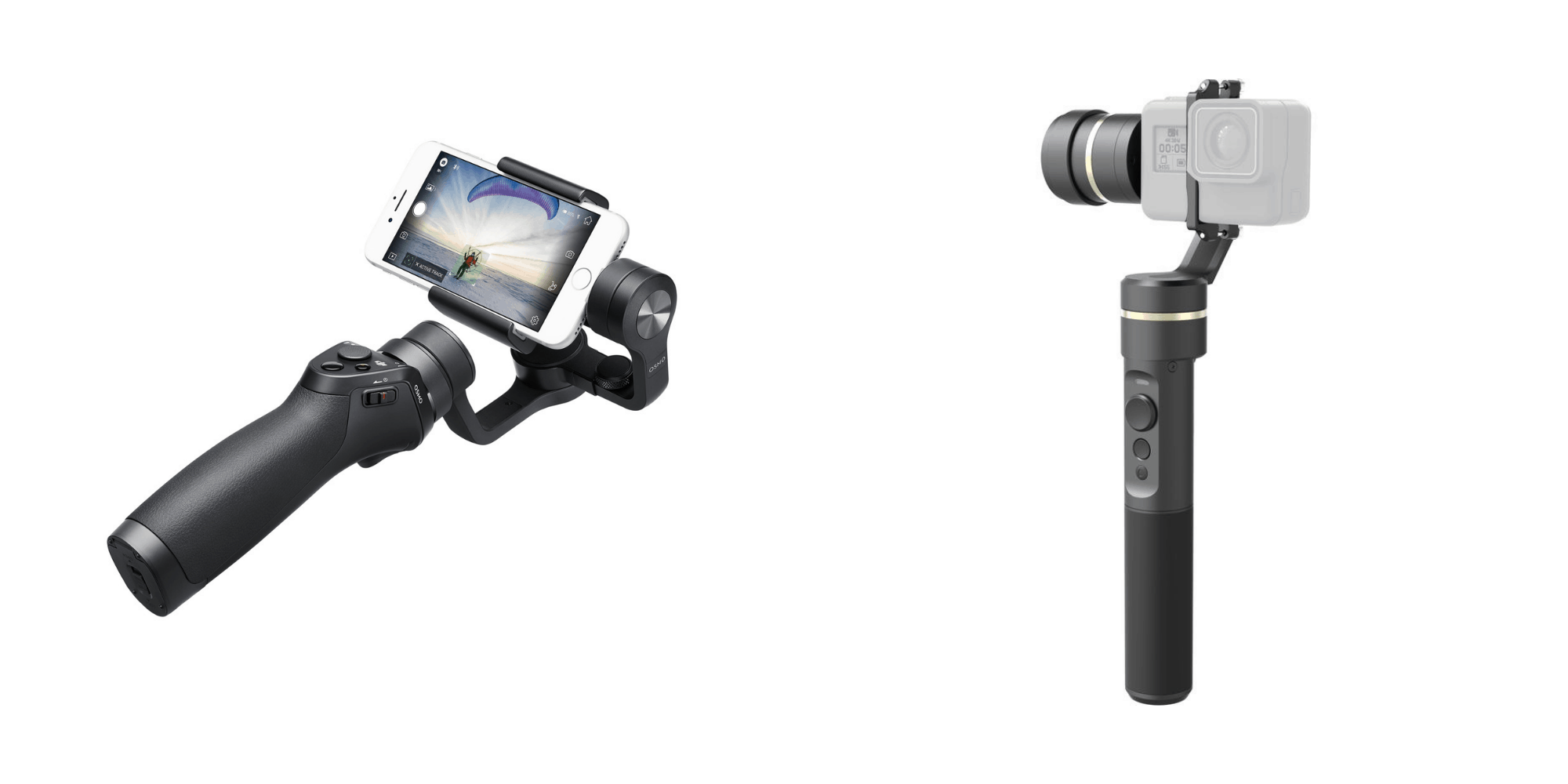
The integration of gimbals into the consumer and professional tech markets has revolutionized how we perceive motion in digital media. By utilizing complex sensors and brushless motors, these devices have democratized high-end cinematography, allowing anyone with a smartphone or a mirrorless camera to achieve the “floating” camera effect that was once exclusive to multi-million dollar Hollywood Steadicam rigs.
The Mechanics of Stability: How Gimbals Work
To understand why gimbals are essential, one must first understand the physics they counteract. When a human holds a camera, even the steadiest hands transmit micro-vibrations and unintentional shifts in three-dimensional space. Modern gimbals are designed to neutralize these movements across three specific axes: pitch, roll, and yaw.
The Three-Axis System
The standard electronic gimbal used today is a “3-axis gimbal.” Each axis is responsible for a specific type of motion:
- Pitch (Tilt): This refers to the up-and-down movement of the camera. When you are walking, your body naturally bobs up and down; the pitch motor compensates for this vertical movement to keep the lens pointed at the horizon or the chosen subject.
- Roll: This is the side-to-side rotation or “horizon tilt.” If the operator accidentally tilts the handle to the left or right, the roll motor rotates in the opposite direction to ensure the horizon remains perfectly level.
- Yaw (Pan): This refers to the left-and-right movement. The yaw motor smoothes out horizontal rotations, preventing the jerky movements that occur when a person turns their body too quickly.
Sensors and Brushless Motors
The “magic” of a gimbal lies in its internal brain—the Inertial Measurement Unit (IMU). This unit consists of gyroscopes and accelerometers that detect movement in real-time, often at a rate of thousands of times per second. When the IMU detects a tilt or a shake, it sends a signal to the gimbal’s processor, which then instructs the brushless motors to move in the exact opposite direction.
Unlike traditional geared motors, brushless motors provide silent, friction-free movement. This is crucial for video production because any motor noise could be picked up by the camera’s internal microphone. The speed and precision of these motors allow for instantaneous corrections, creating the illusion that the camera is gliding through the air on an invisible rail.
The Evolution of Gimbal Categories
As the demand for stabilized video has grown, the technology has branched into several distinct categories, each tailored to specific hardware and use cases. Understanding these categories is vital for anyone looking to integrate stabilization into their workflow.
Smartphone Gimbals
The most accessible entry point into stabilization technology is the smartphone gimbal. These devices are compact, often foldable, and designed to handle the lightweight nature of modern mobile devices. Brands like DJI and Zhiyun have pioneered this space, integrating advanced software that allows the gimbal to talk to the phone via Bluetooth.
Smartphone gimbals are more than just stabilizers; they are creative hubs. Through dedicated apps, these gimbals offer features like gesture control, automatic object tracking (where the gimbal follows a moving person without manual input), and sophisticated time-lapse modes. They have become the standard tool for TikTok creators, Instagram influencers, and mobile journalists.
DSLR and Mirrorless Gimbals
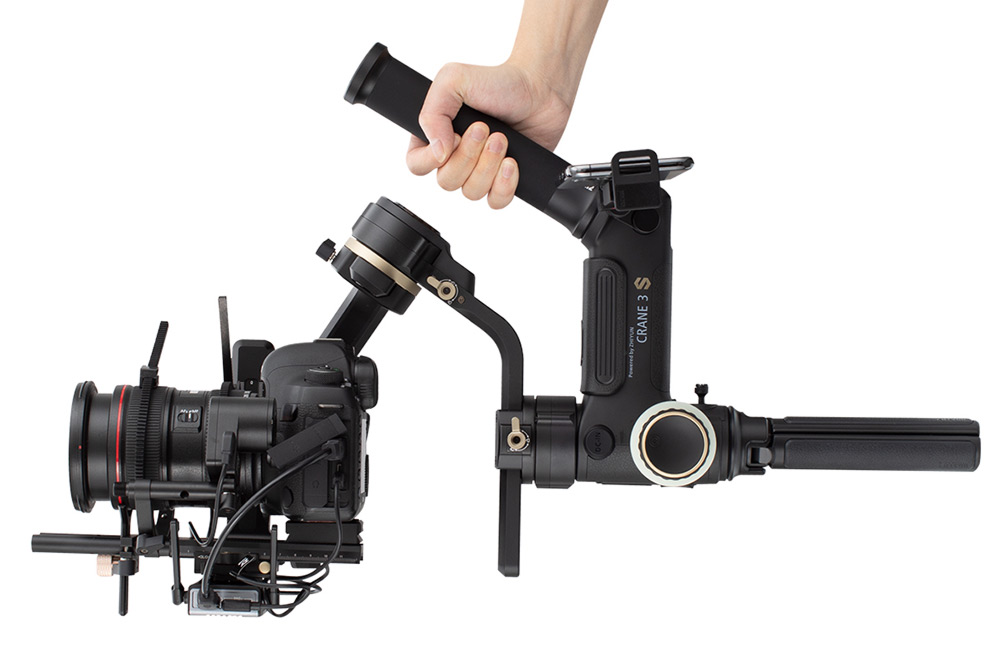
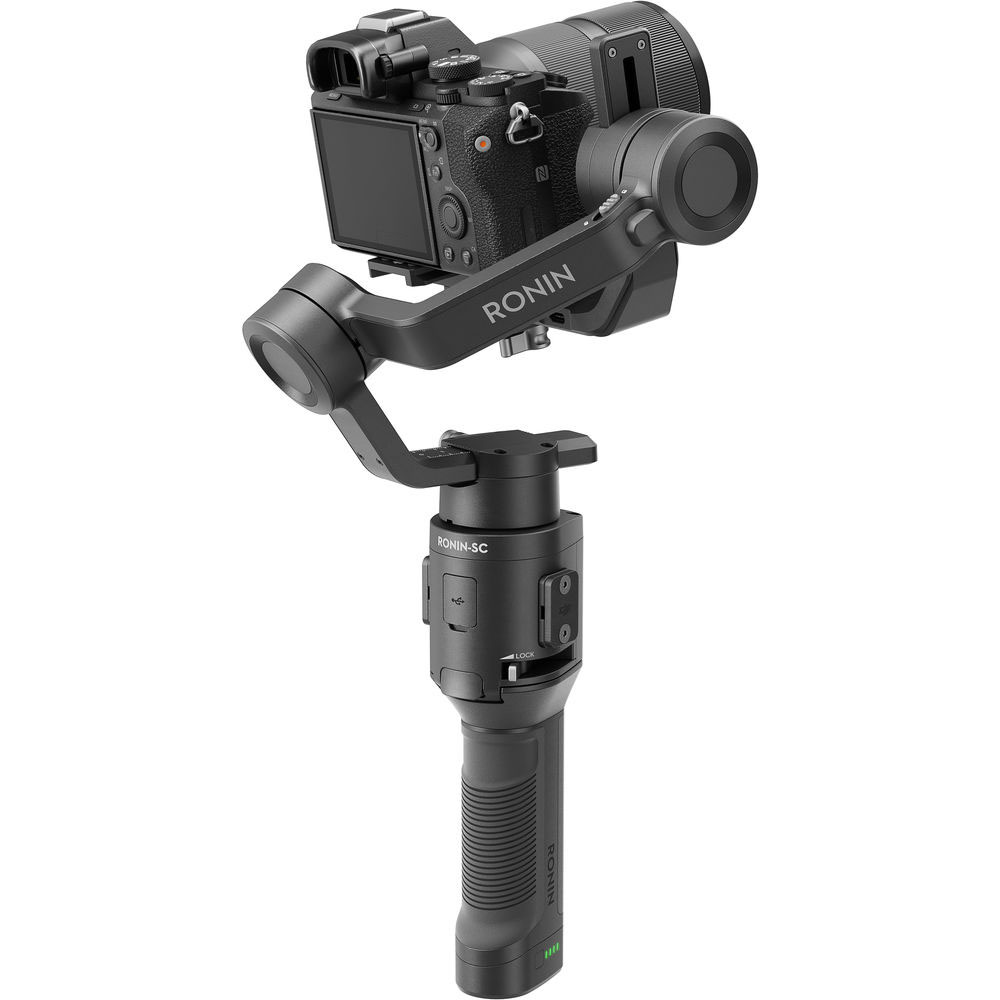
For professional filmmakers and high-end hobbyists, the DSLR/mirrorless gimbal is the workhorse of the industry. These are significantly larger and more powerful than their smartphone counterparts, as they must support “payloads” ranging from two to ten pounds or more.
The complexity of these gimbals increases with their power. They often feature modular designs, allowing for the attachment of follow-focus motors, external monitors, and microphones. The calibration process for these devices is also more intensive; because every lens and camera body combination has a different center of gravity, the operator must manually balance the camera on each axis before turning the motors on to prevent burnout and ensure maximum battery efficiency.
Action Camera Gimbals
Action cameras like the GoPro are designed for extreme environments, but their small form factor makes them particularly susceptible to “jitter.” While many modern action cameras use Electronic Image Stabilization (EIS) to smooth out footage digitally, hardware gimbals remain superior for preserving image quality. Wearable or mountable action camera gimbals allow athletes and adventurers to capture smooth, high-speed footage from perspectives like chest mounts or bike handlebars without the “motion sickness” effect often found in raw action footage.
Integrated Gimbals and Drones
Perhaps the most impressive application of gimbal technology is in the world of Unmanned Aerial Vehicles (UAVs). Without a gimbal, drone footage would be unusable due to the constant vibrations of the propellers and the tilting required for the drone to move. Integrated 3-axis gimbals on drones are marvels of miniaturization, maintaining a steady shot even while the aircraft is buffeted by high winds or performing aggressive maneuvers.
Technological Features and Intelligent Modes
A modern gimbal is not merely a mechanical stabilizer; it is a computer. The software integration within these devices has introduced a variety of “intelligent modes” that expand the creative possibilities for the user.
Active Tracking and AI
One of the most significant advancements in gimbal tech is the use of computer vision and AI for subject tracking. By selecting a subject on the connected screen, the gimbal’s processor can analyze the pixels and move the motors to keep that subject centered in the frame. This allows a single operator to perform complex “tracking shots” that would traditionally require a camera operator and a separate person to move the camera rig.
Creative Movement Modes
Gimbals come pre-programmed with several operating modes that change how the motors respond to the user’s input:
- Pan Follow (PF): The camera follows the left/right movements of the operator but keeps the horizon level and the tilt locked. This is ideal for walking alongside a subject.
- Lock Mode (L): All three axes are locked. No matter how you move the handle, the camera remains pointed in a single, fixed direction.
- POV (Point of View) Mode: All three axes follow the movement of the handle, allowing for “banked” turns that mimic the motion of a plane or a person’s natural head movement.
- Vortex/Inception Mode: The gimbal rotates the camera 360 degrees on the roll axis while moving forward, creating a dizzying, cinematic spinning effect popularized in high-concept films.
Gimbals vs. Digital Stabilization
It is important to distinguish between the physical stabilization of a gimbal and the software-based stabilization (EIS) found in many modern cameras and smartphones. EIS works by cropping into the image and shifting the frame digitally to counteract shake. This often results in a loss of resolution, “warping” artifacts in low light, and a narrower field of view. A gimbal, by contrast, stabilizes the entire camera body, preserving every pixel and ensuring the highest possible image quality without the “jello effect” common in digital correction.
Choosing the Right Gimbal: Technical Considerations
When selecting a gimbal, several technical specifications must be evaluated to ensure the device meets the needs of the project and the hardware.
Payload Capacity
The most critical spec is the payload. If you attempt to use a heavy camera on a gimbal designed for a smartphone, the motors will overheat and eventually fail. Conversely, using a very light camera on a heavy-duty gimbal can lead to “micro-jitters” because the motors are tuned for higher resistance. It is essential to calculate the weight of your camera body, lens, and all accessories (like filters or microphones) before choosing a model.
Battery Life and Charging
Modern gimbals typically offer between 8 and 15 hours of battery life. However, this varies significantly based on how well the camera is balanced. A poorly balanced camera forces the motors to work harder, draining the battery in a fraction of the advertised time. Many professional gimbals now feature “reverse charging,” allowing the gimbal’s battery to power the camera during a long shoot.
Connectivity and Ecosystem
In the tech world, the ecosystem matters. Some gimbals offer deep integration with specific camera brands, allowing the user to control the camera’s shutter, ISO, and aperture directly from the gimbal’s handle. Connectivity via USB-C or Bluetooth determines how seamless this experience will be. For mobile creators, the quality of the companion app—and its compatibility with the latest version of iOS or Android—is a make-or-break factor.
The Future of Stabilization Technology
As we look toward the future, the boundary between hardware and software continues to blur. We are seeing the rise of “hybrid” systems where AI-driven software works in tandem with mechanical gimbals to predict the operator’s next move, making the stabilization even more fluid. Furthermore, the trend toward miniaturization continues, with high-torque motors becoming smaller and more efficient, leading to ultra-portable stabilizers that can fit in a pocket.
The democratization of gimbal technology has fundamentally changed the visual language of the internet. By removing the barrier of shaky footage, gimbals have allowed creators to focus on storytelling, composition, and movement. Whether you are a professional filmmaker or a casual hobbyist, understanding and utilizing a gimbal is no longer just a luxury—it is a foundational skill in the modern tech-driven world of digital media. As sensors become more sensitive and AI becomes more integrated, the gimbal will remain a vital tool in the kit of anyone looking to capture the world with clarity and cinematic grace.
aViewFromTheCave is a participant in the Amazon Services LLC Associates Program, an affiliate advertising program designed to provide a means for sites to earn advertising fees by advertising and linking to Amazon.com. Amazon, the Amazon logo, AmazonSupply, and the AmazonSupply logo are trademarks of Amazon.com, Inc. or its affiliates. As an Amazon Associate we earn affiliate commissions from qualifying purchases.