
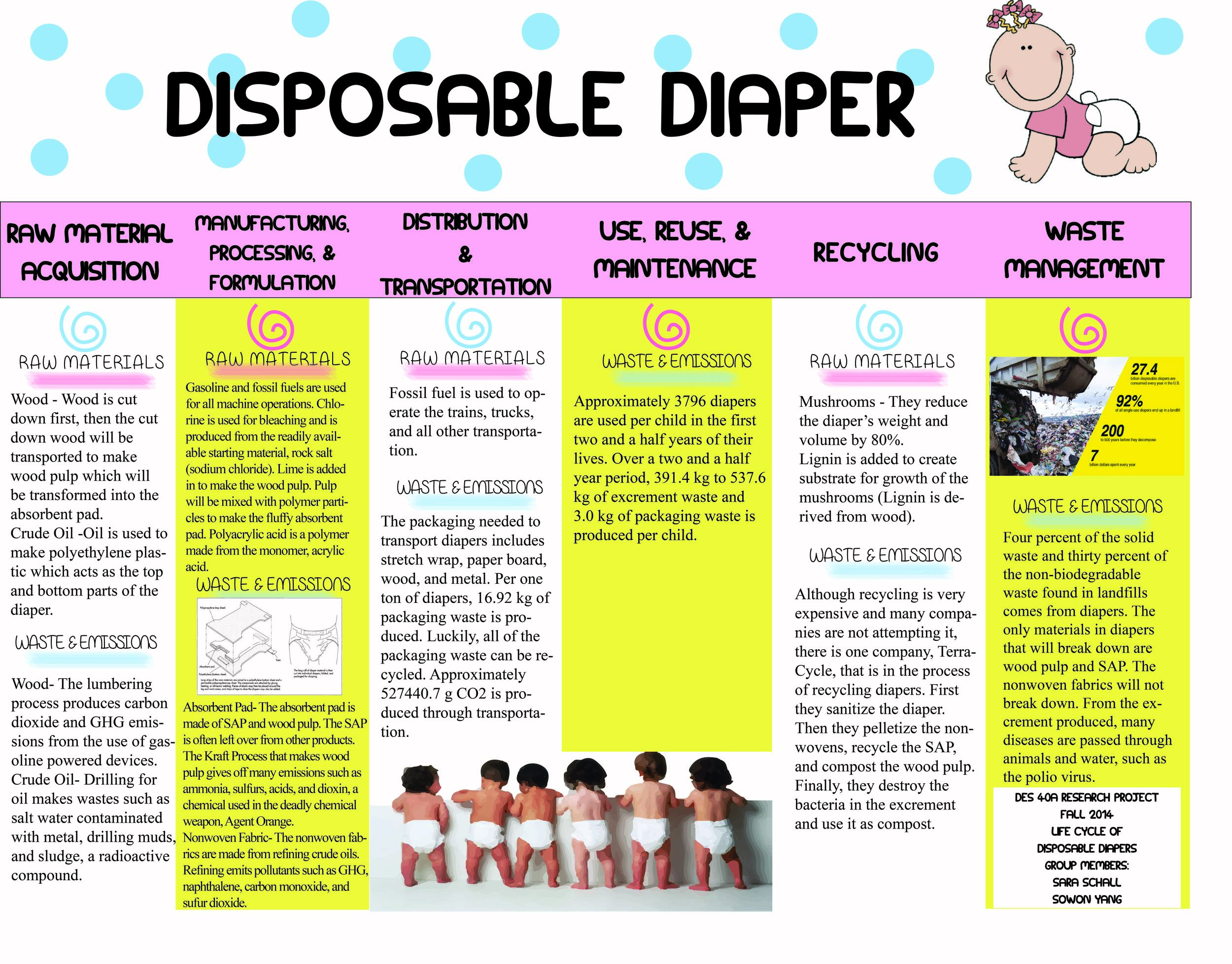
When observing a modern disposable diaper, it is easy to view it as a simple commodity of convenience. However, from a technical and engineering perspective, the modern diaper is a sophisticated multi-layered bio-mechanical system. It represents decades of evolution in material science, chemical engineering, and precision manufacturing. The journey from the bulky cloth iterations of the early 20th century to the ultra-thin, high-performance variants of today is driven by breakthroughs in polymer chemistry and non-woven fabric technology. Understanding what a diaper is made of requires a deep dive into the specific synthetic and organic components that work in harmony to manage fluid dynamics, skin pH, and structural integrity.
The Architecture of Non-Woven Fabrics: The Top and Back Sheets
The primary interface of a diaper consists of non-woven fabrics, which are engineered materials created by bonding fibers together through mechanical, thermal, or chemical processes, rather than weaving or knitting. These materials are chosen for their specific porosity, softness, and tensile strength.
Hydrophilic Topsheet Technology
The topsheet is the layer in direct contact with the skin. Its primary technical requirement is “strike-through” efficiency—the ability to allow fluid to pass through quickly into the core while remaining dry to the touch. This is achieved using spunbond polypropylene. In the manufacturing process, polypropylene resins are melted and extruded through spinnerets to create continuous filaments, which are then laid onto a conveyor belt and thermally bonded. To make these naturally hydrophobic (water-repelling) plastics hydrophilic (water-attracting), they are treated with surfactants. This chemical coating reduces surface tension, allowing moisture to migrate instantly toward the absorbent layers.
Breathable Microporous Backsheets
The outermost layer, or backsheet, must perform a contradictory task: it must be liquid-impermeable to prevent leaks but gas-permeable to allow for “breathability.” This is achieved through the use of microporous polyethylene films. During the extrusion of this film, calcium carbonate fillers are added. The film is then stretched, creating microscopic voids around the calcium carbonate particles. These voids are small enough to block liquid water molecules, which are held together by surface tension, but large enough to allow water vapor molecules to escape. This air exchange is critical for maintaining skin health and preventing diaper dermatitis.
The Superabsorbent Polymer (SAP) Revolution
The most significant technological leap in diaper history occurred in the 1980s with the integration of Superabsorbent Polymers (SAP). Before SAP, diapers relied on bulky layers of cellulose wadding or fluff pulp, making them thick and prone to leaking under pressure.
The Chemistry of Sodium Polyacrylate
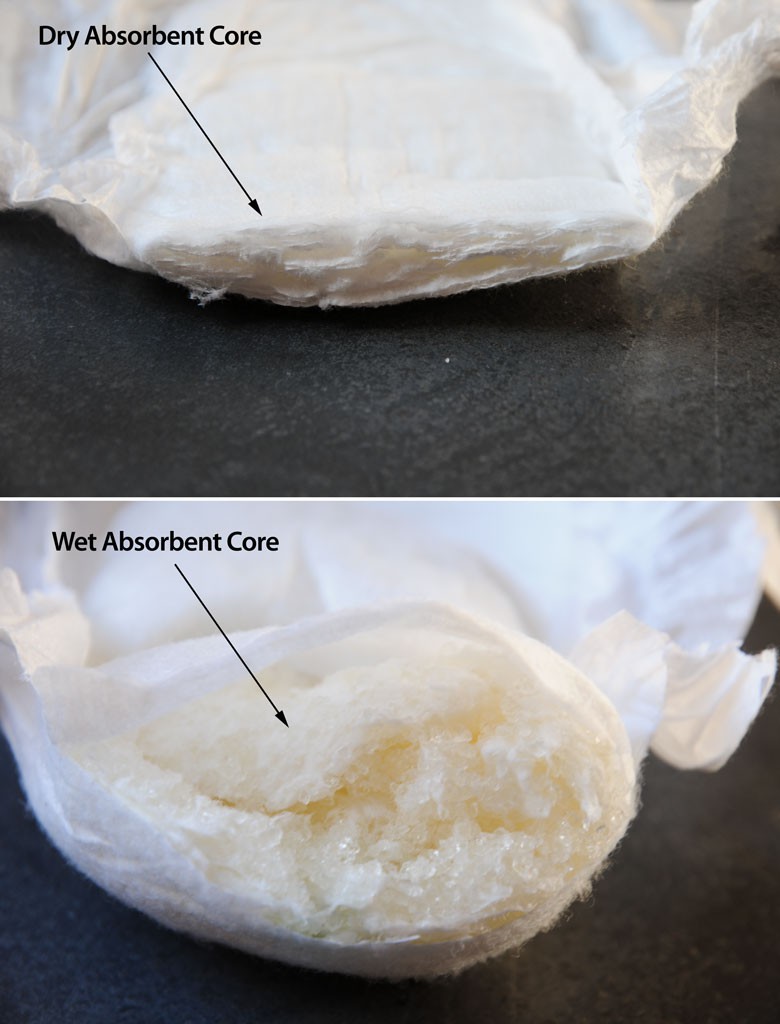
The “magic” ingredient in the core of a modern diaper is sodium polyacrylate. This is a polymer consisting of long chains of repeating units with carboxylate groups. When these chains come into contact with liquid, they undergo a process called osmotic pressure. The sodium ions within the polymer network want to dilute themselves, drawing water into the polymer structure. As the water enters, the polymer chains uncoil and expand, transforming the dry powder into a stable hydrogel.
A high-quality SAP can absorb up to 300 times its weight in distilled water. However, in the context of a diaper, the SAP must work against the salinity of urine, which reduces its efficiency. Engineers optimize the “cross-linking” density of the polymer—the chemical bonds that hold the chains together—to ensure the gel is firm enough to retain liquid even when a baby sits or crawls on the diaper. This is known as “Absorbency Under Load” (AUL).
Fluid Distribution Layers (ADL)
Because SAP absorbs liquid relatively slowly compared to the rate of a sudden “insult” (voiding), a secondary layer known as the Acquisition Distribution Layer (ADL) is placed between the topsheet and the core. The ADL is typically a high-loft non-woven material with large interstitial spaces. It acts as a temporary reservoir, capturing the fluid and distributing it laterally across the entire surface area of the SAP core. This prevents “gel blocking,” a technical failure where the SAP at the point of impact becomes so saturated it prevents fluid from reaching the dry SAP elsewhere in the diaper.
The Structural Engineering of Fit and Containment
Beyond the chemistry of the core, the structural components of a diaper rely on advanced elastomer technology and adhesive engineering to ensure a secure, leak-proof fit.
Elastomeric Systems and Leg Cuffs
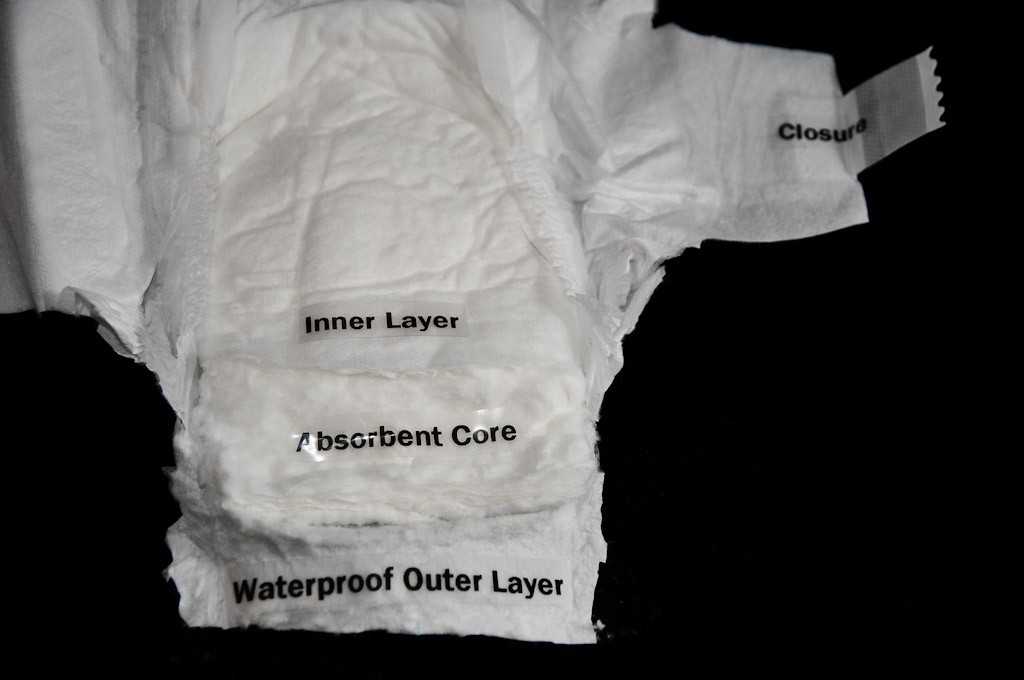
The “stretch” in a diaper is provided by synthetic elastomers, primarily Lycra (spandex) or polyurethane foams. These are integrated into the leg cuffs and waistbands. The leg cuffs often feature a “standing” inner barrier made of hydrophobic non-woven fabric. These barriers are engineered to stand upright against the skin, utilizing the tension of the elastic strands to create a mechanical seal that prevents lateral leakage of both liquids and solids.
Multi-Stage Adhesives and Fastening Tech
Diaper assembly requires a variety of hot-melt adhesives. These are not standard glues; they are complex formulations of thermoplastic polymers, resins, and plasticizers. “Construction adhesives” hold the various layers together, while “elastic adhesives” must maintain a bond even when the material is under extreme tension.
The fastening system itself has evolved from simple adhesive tapes to mechanical “hook and loop” technology (often referred to as Velcro-style). The “hook” component is a precision-molded plastic strip with microscopic hooks, while the “landing zone” on the front of the diaper is a soft, loopy non-woven fabric. This allows for multiple refastenings without losing grip, even if oils or powders are present on the hands or the diaper surface.
Sustainable Innovations and Green Material Science
As environmental concerns rise, the industry is pivoting toward “Green Tech” and bio-based materials. The challenge lies in replacing petroleum-based synthetics without sacrificing the high performance that consumers expect.
Bio-Based Polymers and Fibers
The cellulose fluff pulp used in the core is already a renewable resource, usually sourced from FSC-certified forests. However, current R&D is focused on replacing the polypropylene and polyethylene layers with Polylactic Acid (PLA), a biodegradable polymer derived from fermented plant starch (usually corn or sugarcane). Additionally, many manufacturers are incorporating bamboo fibers into the non-woven sheets. Bamboo is highly prized in textile engineering for its rapid growth cycle and natural antimicrobial properties, though it often requires significant chemical processing to turn into a soft non-woven substrate.
The Quest for Bio-SAP
The final frontier in diaper technology is the development of a fully biodegradable Superabsorbent Polymer. While sodium polyacrylate is highly effective, it is not biodegradable. Researchers are currently experimenting with starch-based or cellulose-based hydrogels. These materials utilize the same osmotic principles but are designed to break down in composting environments. Currently, these bio-SAPs face challenges regarding “gel strength” and cost-efficiency, but they represent the next major wave of innovation in the industry.
Manufacturing Precision: The High-Speed Assembly Process
To understand what a diaper is made of, one must also consider the technology used to put it together. Diapers are produced on massive, high-speed automated production lines that can exceed lengths of 100 meters. These machines are marvels of synchronized motion control.
Integration of Sensors and AI
Modern production lines operate at speeds of up to 1,000 diapers per minute. At this velocity, human inspection is impossible. Consequently, the manufacturing tech incorporates high-speed camera systems and infrared sensors that use Artificial Intelligence (AI) to detect millisecond deviations in material alignment or SAP distribution. If a single elastic strand is out of tension by a fraction of a millimeter, the system automatically marks the unit for rejection.
Ultrasonic Bonding
In a push to reduce the chemical footprint of diapers, many manufacturers are moving away from hot-melt adhesives in favor of ultrasonic bonding. This technology uses high-frequency acoustic vibrations to create localized heat through friction, effectively “welding” the thermoplastic fibers together. This results in a softer, thinner seam and reduces the overall weight of the diaper by eliminating the mass of the glue.
Conclusion
The modern diaper is a masterpiece of material science. It is a product of sophisticated chemical engineering, involving the precise manipulation of polymers to manage fluid at the molecular level. From the microporous films that allow skin to breathe to the superabsorbent resins that lock away moisture under pressure, every component is the result of rigorous R&D. As the industry moves toward more sustainable, bio-based alternatives, the “tech” inside the diaper will continue to evolve, proving that even the most everyday items are built upon a foundation of complex scientific innovation.
aViewFromTheCave is a participant in the Amazon Services LLC Associates Program, an affiliate advertising program designed to provide a means for sites to earn advertising fees by advertising and linking to Amazon.com. Amazon, the Amazon logo, AmazonSupply, and the AmazonSupply logo are trademarks of Amazon.com, Inc. or its affiliates. As an Amazon Associate we earn affiliate commissions from qualifying purchases.