
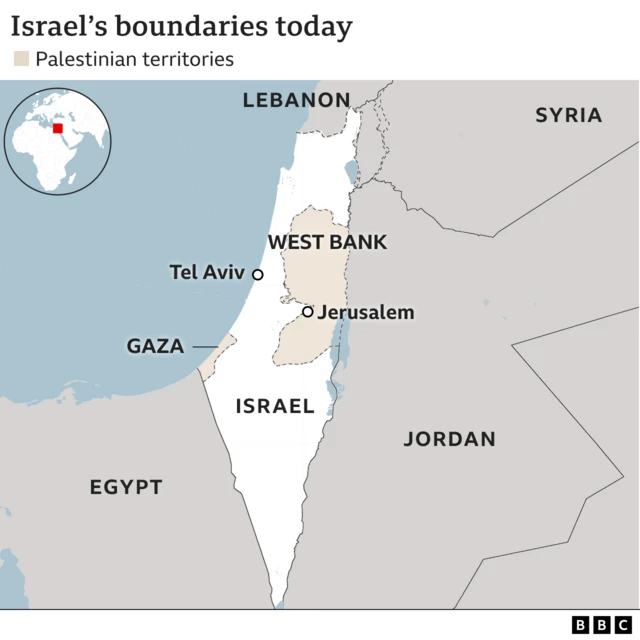
The geopolitical landscape of the Levant is often viewed through the lens of history and conflict, but beneath the headlines lies one of the most sophisticated and rapidly evolving technological ecosystems in the world. When asking what is going on in Palestine and Israel from a tech perspective, we find a complex tapestry of high-stakes innovation, a booming cybersecurity industry, and a resilient Palestinian startup scene that is leveraging digital tools to overcome physical barriers. From the “Silicon Wadi” to the growing outsourcing hubs in Ramallah, the region is a global laboratory for AI, surveillance technology, and decentralized software development.

The Silicon Wadi: AI, Defense, and the Global Tech Hub
At the heart of the regional tech narrative is the Israeli “Silicon Wadi,” a concentrated area of high-tech industries on the coastal plain. For decades, this region has been second only to Silicon Valley in terms of innovation density, particularly in the realms of Artificial Intelligence (AI) and defense technology. What is currently happening is an unprecedented acceleration in the integration of AI into both civilian and military frameworks.
The Rise of Generative AI and Local Startups
Israel remains a powerhouse for AI research and development. In recent years, the focus has shifted toward generative AI and large language models (LLMs). Hundreds of startups are currently developing specialized AI applications for healthcare diagnostics, autonomous driving, and financial technology. Companies like Mobileye continue to lead the way in computer vision, while newer ventures are exploring how AI can optimize energy grids and water conservation—critical issues in the Middle East’s arid climate.
Defense Tech and the Laboratory Effect
A significant portion of the technological output in Israel is driven by defense requirements. Systems like the Iron Dome and the newly developed Iron Beam (a laser-based defense system) represent the pinnacle of real-time sensor fusion and automated interception technology. However, the “what’s going on” aspect involves the commercialization of these technologies. Algorithms developed for military reconnaissance are being adapted for commercial satellite imagery analysis, and hardware designed for battlefield communications is being repurposed for 5G infrastructure and secure enterprise networking.
Venture Capital and Market Volatility
The tech sector accounts for nearly 20% of Israel’s GDP and over 50% of its exports. Currently, the industry is navigating a period of significant volatility. While global venture capital has slowed, the resilience of the local ecosystem is being tested. Investors are closely watching how the “Startup Nation” maintains its research and development output during times of regional instability. The trend is shifting toward “dual-use” technologies—innovations that serve both civilian and security purposes—as these often provide the most stable returns in the current climate.
The Palestinian Tech Frontier: Resilience and Digital Outsourcing
Parallel to the established tech giants is a burgeoning tech scene within the Palestinian territories. Despite significant infrastructure challenges, the Palestinian tech sector has become a vital part of the regional economy, focusing on software development, remote outsourcing, and entrepreneurship.
The Growth of Ramallah as a Tech Hub
Ramallah has emerged as the nerve center for Palestinian innovation. With a highly educated population and a high rate of STEM graduates, the city is home to numerous incubators and accelerators. What is going on here is a concerted effort to bypass physical movement restrictions through the digital economy. Palestinian developers are increasingly working for global firms in the US, Europe, and even within the regional Gulf markets, providing high-quality code and IT services at competitive rates.
Overcoming Infrastructure Hurdles with Cloud Computing
One of the most critical technological developments in Palestine is the heavy reliance on cloud computing. Because of restrictions on importing certain high-end server hardware and the limitations of local data centers, Palestinian startups have become early and sophisticated adopters of AWS, Azure, and Google Cloud. This has created a workforce that is exceptionally skilled in cloud architecture and decentralized system management, making them highly desirable in the global remote-work market.

The Startup Scene and Social Impact Tech
Innovation in Gaza and the West Bank often focuses on solving local problems that have global applications. For example, “AgriTech” startups are developing precision irrigation systems that function in resource-scarce environments. Fintech is also a major growth area, as digital wallets and blockchain-based payment systems provide essential financial services to populations that may have limited access to traditional banking infrastructure. These tools are not just convenient; they are essential for economic survival and regional connectivity.
The Global Epicenter of Cybersecurity and Digital Defense
If there is one niche where the region defines the global standard, it is digital security. The cybersecurity industry in the Levant is perhaps the most active in the world, serving as both a shield and a forge for the next generation of security protocols.
Unit 8200 and the Startup Pipeline
The relationship between specialized military intelligence units and the private sector is a defining feature of the tech landscape. Veterans of units like 8200 frequently go on to found the world’s leading cybersecurity firms. Companies like Check Point, Palo Alto Networks (founded by an Israeli engineer), and Wiz represent a lineage of security innovation. Currently, the focus is on “Cloud Security Posture Management” (CSPM) and protecting the hyper-distributed environments of the modern enterprise.
Offensive vs. Defensive Cybersecurity
The region is also at the center of the global debate over offensive cyber capabilities. While much of the industry focuses on defense, the development of sophisticated surveillance software—such as the Pegasus spyware developed by NSO Group—has highlighted the ethical and security challenges inherent in advanced digital tools. This has led to a tightening of export controls and a shift in the global regulatory landscape, with the region serving as the primary case study for how governments and private entities balance security needs with privacy rights.
Fighting Disinformation and AI-Driven Threats
As generative AI makes it easier to create deepfakes and automated disinformation campaigns, tech firms in the region are pivoting toward “Cognitive Security.” This involve using AI to detect and neutralize botnets and AI-generated fake news in real-time. This is a critical area of “what’s going on” today, as the digital information war is fought alongside physical developments. Tools that verify the authenticity of video and audio files are being developed and tested at an accelerated pace, providing a blueprint for how the rest of the world will handle AI-driven information threats in future elections and conflicts.
Bridging the Gap: Collaborative Tech Initiatives and the Future
Despite the overarching political tensions, there are significant, though often underreported, technological collaborations and initiatives that aim to bridge the gap through economic and digital integration.
Remote Work and Cross-Border Collaboration
In the tech world, code knows no borders. There is a growing trend of Israeli tech companies hiring Palestinian developers, particularly in high-demand fields like Full Stack development and AI training. These collaborations are often facilitated by international NGOs or private ventures that see economic interdependency as a path toward regional stability. This “digital bridge” is a crucial component of the current tech ecosystem, providing high-paying jobs in the Palestinian territories while filling the chronic labor shortage in the Israeli high-tech sector.
Regional Integration and the “New Middle East” Tech Corridor
The broader regional context, including the Abraham Accords and shifting alliances, has opened up a “tech corridor” between the Levant and the Gulf states. We are currently seeing an influx of investment from the UAE and Saudi Arabia into regional tech ventures. This includes joint ventures in renewable energy, biotechnology, and space exploration. The goal is to create a regional hub that can compete with the likes of Shenzhen or Silicon Valley by combining Levantine R&D with Gulf capital and infrastructure.
The Impact of 5G and Future Connectivity
The rollout of 5G technology across the region is another major development. While the West Bank and Gaza have faced delays in spectrum allocation, the eventual transition to high-speed mobile internet is expected to revolutionize the local economy. For Palestinian entrepreneurs, 5G represents the ability to compete on a level playing field in the global gig economy. For the region as a whole, it enables the “Internet of Things” (IoT) to take hold in everything from smart city management in Tel Aviv to advanced agricultural monitoring in the Jordan Valley.
In summary, what is going on in Palestine and Israel is a high-speed evolution of the digital world. It is a region where the most advanced AI and cybersecurity tools are developed and tested in real-time. It is a place where digital resilience is a necessity, and where the next generation of global tech leaders is being forged in an environment of extreme challenge and opportunity. Whether it is the expansion of the Silicon Wadi, the rise of Palestinian remote-work hubs, or the global standard-setting for cybersecurity, the region remains the most critical laboratory for the future of technology.
aViewFromTheCave is a participant in the Amazon Services LLC Associates Program, an affiliate advertising program designed to provide a means for sites to earn advertising fees by advertising and linking to Amazon.com. Amazon, the Amazon logo, AmazonSupply, and the AmazonSupply logo are trademarks of Amazon.com, Inc. or its affiliates. As an Amazon Associate we earn affiliate commissions from qualifying purchases.