
The transition from paper-based tax filing to digital systems has revolutionized the way individuals and businesses interact with fiscal authorities. No longer a process defined by stacks of forms and the physical mailing of checks, modern tax payment is now an exercise in financial efficiency. For the savvy taxpayer, understanding how to pay taxes online is not just about meeting a deadline; it is about integrating tax obligations into a broader strategy of cash flow management, digital security, and financial record-keeping. In this guide, we explore the primary avenues for online tax payments, the financial implications of different payment methods, and how to leverage digital tools to maintain a healthy financial profile.
Navigating the Digital Tax Landscape: Primary Payment Platforms
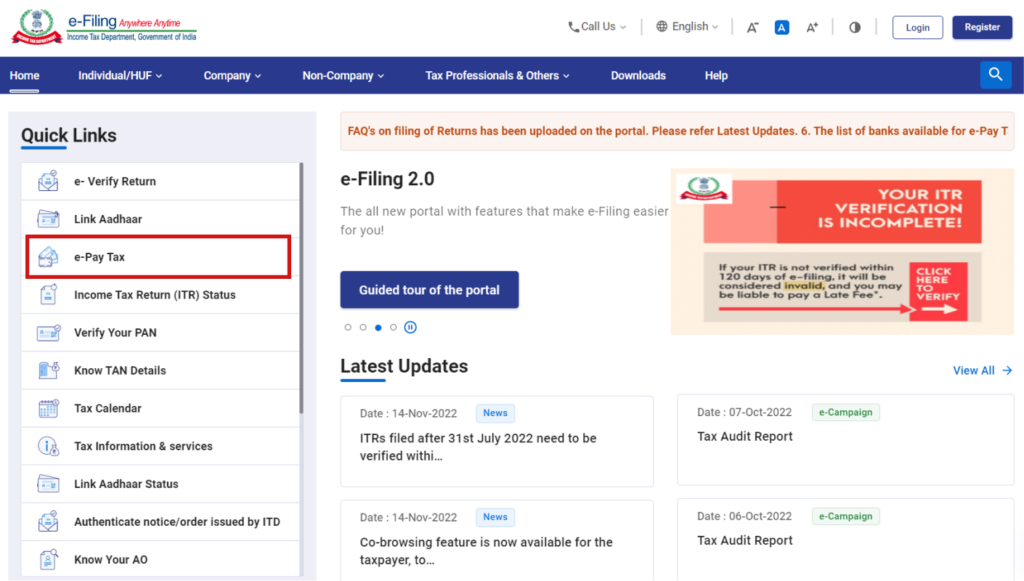
The Internal Revenue Service (IRS) and various state departments of revenue have developed robust digital infrastructures to facilitate the collection of funds. Choosing the right platform depends on your filing status, the type of tax you owe, and your preference for speed versus cost.
IRS Direct Pay: The Individual Standard
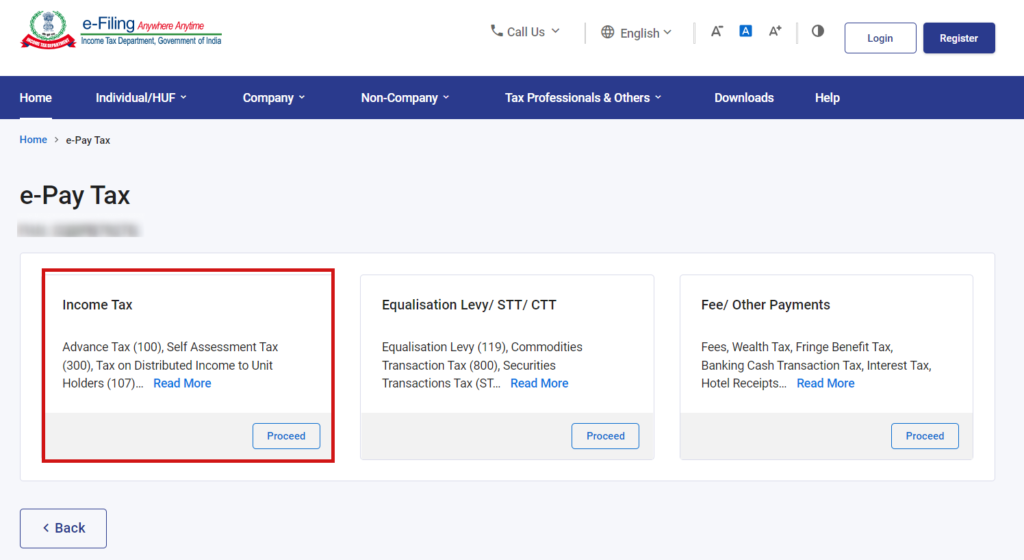
For the majority of individual taxpayers, IRS Direct Pay is the most efficient and cost-effective method for settling a tax bill. This service allows you to pay your tax bill directly from your checking or savings account without any additional processing fees. It is particularly useful for paying 1040 individual income taxes, estimated taxes, and extensions. From a financial management perspective, Direct Pay is advantageous because it provides an immediate confirmation number, which serves as a vital digital receipt for your financial records.
The Electronic Federal Tax Payment System (EFTPS)
While Direct Pay is designed for individuals, the Electronic Federal Tax Payment System (EFTPS) is the workhorse for businesses and high-net-worth individuals with complex tax obligations. EFTPS requires an enrollment process that involves receiving a PIN via mail, which adds a layer of security. For business owners, EFTPS is indispensable for paying corporate taxes, employment taxes, and large-scale estimated payments. It allows for the scheduling of payments up to 365 days in advance, providing a powerful tool for proactive cash flow planning.
Integrated Tax Software Solutions
Many taxpayers opt to pay their taxes through third-party software like TurboTax, H&R Block, or TaxSlayer. These platforms offer “e-file and pay” options that integrate the calculation and payment phases into a single workflow. While convenient, it is important to understand that these services often act as intermediaries. From a personal finance standpoint, using these tools can simplify the process, but users should be wary of additional “convenience fees” that might be tacked on if they choose to pay via debit or credit card through these interfaces.
Strategic Financial Management Through Online Payments
Paying taxes online is more than a clerical task; it is a component of a sophisticated financial strategy. By utilizing digital payment methods, you can gain greater control over your liquidity and avoid the common pitfalls of traditional filing.
Optimizing Cash Flow with Scheduled Payments
One of the greatest advantages of online tax systems is the ability to schedule payments. For freelancers and business owners, the “April Surprise”—a massive, unexpected tax bill—can be financially devastating. By utilizing the online estimated tax payment system (Form 1040-ES), you can break your annual obligation into quarterly installments. This prevents large outflows of cash that could otherwise be used for investments or business operations, ensuring that your capital is working for you throughout the year until it is strictly necessary to settle with the government.
The Math of Credit Card Payments: Fees vs. Rewards
The IRS allows taxpayers to pay using credit or debit cards through approved third-party processors. However, this is where a keen eye for personal finance is required. These processors charge a convenience fee, typically ranging from 1.82% to 1.98% for credit cards.
To determine if this is a sound financial move, you must compare the processing fee against the value of the rewards or “cash back” your card provides. If you have a high-tier travel card or a business card that offers 2% or more in value, paying your taxes online via credit card can actually result in a net gain. Conversely, if your card offers a lower reward rate, you are effectively paying the government a premium for the privilege of using credit, which is rarely a wise move for your bottom line.
Mitigating Penalties and Interest
The digital nature of online payments eliminates “mail time” and the risk of documents being lost in transit. Because an online payment is timestamped the moment it is submitted, you can wait until the final hours of the deadline to transmit funds, allowing your money to earn interest in a high-yield savings account for as long as possible. Furthermore, the instant confirmation provided by online systems acts as a safeguard against late-payment penalties, which can be as high as 0.5% of the unpaid taxes for each month or part of a month the tax remains unpaid.
Security and Documentation in the Digital Age
When moving large sums of money online, security is paramount. Protecting your financial identity is just as important as the payment itself. Furthermore, digital payments offer a level of record-keeping that paper checks cannot match.
Protecting Your Financial Assets
To ensure your funds reach the government safely, always initiate payments through official “gov” websites. Phishing scams often peak during tax season, targeting individuals with fake “IRS” emails that claim a payment is due. It is important to remember that the IRS does not initiate contact with taxpayers by email, text messages, or social media channels to request personal or financial information. Using a dedicated, secure network (rather than public Wi-Fi) when making tax payments is a fundamental practice for maintaining digital financial security.
Digital Record-Keeping for Future Audits
A central tenet of sound financial management is the maintenance of accurate records. Online tax payments generate electronic receipts and transaction IDs that are far easier to store and retrieve than physical paper stubs. Most financial experts recommend maintaining digital copies of these confirmations for at least seven years. In the event of an audit, having a timestamped, digital trail of every payment made—whether it was an annual filing or a quarterly estimated payment—provides an airtight defense and streamlines the resolution process.
Verifying Transaction Success
The “set it and forget it” mentality can be dangerous in finance. After making an online payment, it is crucial to verify that the funds have actually cleared your bank account. Occasionally, a payment may be rejected due to a typo in a routing number or an accidental oversight in available funds. Checking your bank statement 48 to 72 hours after the transaction ensures that you are truly in the clear and prevents the accidental accumulation of “failure to pay” penalties.
Choosing the Right Method for Your Financial Profile
Different financial situations require different online payment strategies. Whether you are a W-2 employee, a high-frequency trader, or a small business owner, your approach should be tailored to your specific needs.
For the Individual Investor
If you are an investor dealing with capital gains, online payments are your best friend. Throughout the year, as you realize gains, you can make manual “extension” or “estimated” payments online to cover the tax liability of your trades. This prevents you from being hit with an underpayment penalty at the end of the year, a common issue for those whose income is not fully captured by standard employer withholding.
For the Small Business Owner
Small business owners must balance personal income tax with payroll and excise taxes. Using a centralized system like EFTPS allows the business owner to view their entire history of federal tax deposits in one place. This bird’s-eye view of tax liabilities is essential for budgeting and ensures that the business remains in good standing with the government, which is often a prerequisite for securing business loans or lines of credit.
The Role of Financial Tools and Apps
In today’s economy, several fintech apps now sync with your bank accounts to estimate your tax liability in real-time. These tools often provide direct links to the IRS payment portals. Integrating these tools into your monthly financial review allows for a more “active” approach to tax management, where the year-end payment becomes a non-event because the funds have already been accounted for and potentially even paid in advance through the online portals.
Conclusion: The Efficiency of the Digital Taxpayer
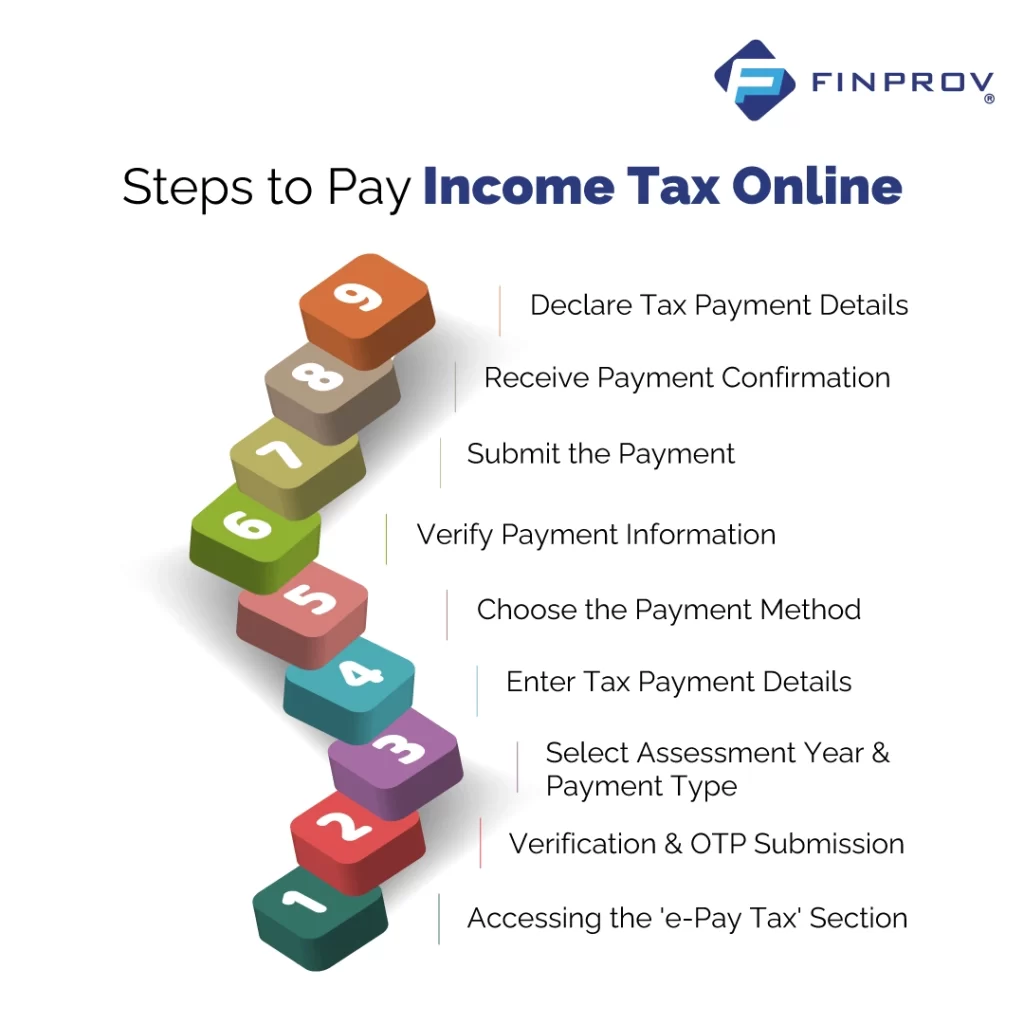
Mastering how to pay taxes online is a hallmark of modern financial literacy. By moving away from the inefficiencies of the mail-in system, you gain speed, security, and a wealth of data to help manage your personal or business finances. Whether you are maximizing credit card rewards, scheduling payments to manage cash flow, or simply ensuring you never miss a deadline again, the digital shift offers a level of control that was previously unimaginable. In the realm of money management, time and accuracy are your most valuable assets; online tax payments protect both, allowing you to focus on growing your wealth rather than just managing your debts to the state.
aViewFromTheCave is a participant in the Amazon Services LLC Associates Program, an affiliate advertising program designed to provide a means for sites to earn advertising fees by advertising and linking to Amazon.com. Amazon, the Amazon logo, AmazonSupply, and the AmazonSupply logo are trademarks of Amazon.com, Inc. or its affiliates. As an Amazon Associate we earn affiliate commissions from qualifying purchases.