
The intersection of biological health and digital innovation has birthed a rapidly expanding sector known as FemTech. For decades, managing a menstrual cycle was a manual, often opaque process. Today, the question of “what to do when you’re on your period” has shifted from traditional symptom management to a sophisticated integration of software, hardware, and data analytics. In the current technological landscape, managing your period means leveraging a suite of digital tools designed to provide predictive insights, optimize physical performance, and ensure health data security.
As we move further into a decade defined by personalized medicine, the technology surrounding the menstrual cycle has evolved from simple digital calendars to complex AI-driven ecosystems. Understanding how to navigate these tools is essential for anyone looking to harness technology to improve their quality of life during their cycle.

Leveraging Modern Software for Cycle Tracking and Health Insights
The most immediate answer to managing a period in the digital age is the utilization of sophisticated tracking software. What began as basic “period trackers” have morphed into comprehensive health platforms that utilize machine learning to provide hyper-personalized insights.
Beyond Simple Calendars: The Rise of AI-Driven Predictions
Early iterations of period tracking software relied on the “calendar method,” which assumed a standard 28-day cycle. However, modern apps like Clue, Flo, and Natural Cycles use proprietary algorithms to learn an individual’s unique biological rhythm. When you input data—ranging from basal body temperature to mood swings and flow intensity—the AI analyzes these variables against millions of data points from other users to predict not just the start date of a period, but also ovulation windows and the onset of Premenstrual Syndrome (PMS).
These tools allow users to move from a reactive state to a proactive one. By understanding the predictive analytics of their own bodies, users can plan high-intensity professional tasks or physical training during phases of the cycle where energy levels are traditionally higher, and schedule recovery or lower-stress activities during the luteal phase.
Integrating Wearables and Biometric Data
Software is only as good as the data it receives. The integration of wearable technology has revolutionized the accuracy of menstrual tracking. Devices such as the Oura Ring, Whoop strap, and the latest Apple Watch models now include high-precision temperature sensors.
Basal body temperature (BBT) is a primary indicator of hormonal shifts. By automatically capturing this data during sleep, these wearables eliminate the human error associated with manual thermometer readings. This seamless flow of data into health apps provides a granular look at the user’s health, offering insights into how the menstrual cycle affects heart rate variability (HRV), sleep quality, and respiratory rate. For the tech-savvy user, “what to do” involves syncing these devices to create a holistic picture of their physiological state.
Digital Security and Data Privacy in the Era of Health Apps
While the benefits of FemTech are vast, the digitization of menstrual data brings significant responsibilities regarding digital security. Personal health information (PHI) is among the most sensitive data a person can generate. In recent years, the conversation around what to do during your period has expanded to include “how to protect your digital footprint.”
Understanding the Legal Landscape of Personal Health Data
In a post-GDPR and evolving global regulatory environment, the way apps handle menstrual data has come under intense scrutiny. Users must be aware that not all health apps are created equal when it comes to privacy. Some applications may share anonymized data with third-party researchers, while others may have vulnerabilities that could expose sensitive information.
When choosing a platform to manage your cycle, it is imperative to audit the software’s privacy policy. Look for companies that adhere to strict data protection standards, such as those that provide “Anonymous Mode” or utilize end-to-end encryption. These features ensure that even if a data breach occurs, the link between the biological data and the individual user’s identity remains severed.
Best Practices for Securing Your Digital Footprint
Managing your period through tech requires a proactive approach to cybersecurity. Users should implement multi-factor authentication (MFA) on all health-related accounts. Furthermore, considering where the data is stored—locally on the device versus in the cloud—is a critical technical decision. Local storage is often more secure against remote hacking attempts but may lack the cross-device synchronization features that many find convenient.
For those in jurisdictions with fluctuating legal protections regarding reproductive health, utilizing decentralized apps or those based in regions with robust privacy laws (like Switzerland or the EU) is a strategic move. The goal is to benefit from the technology without compromising personal safety or data autonomy.
The Future of FemTech: AI, Diagnostics, and Telehealth
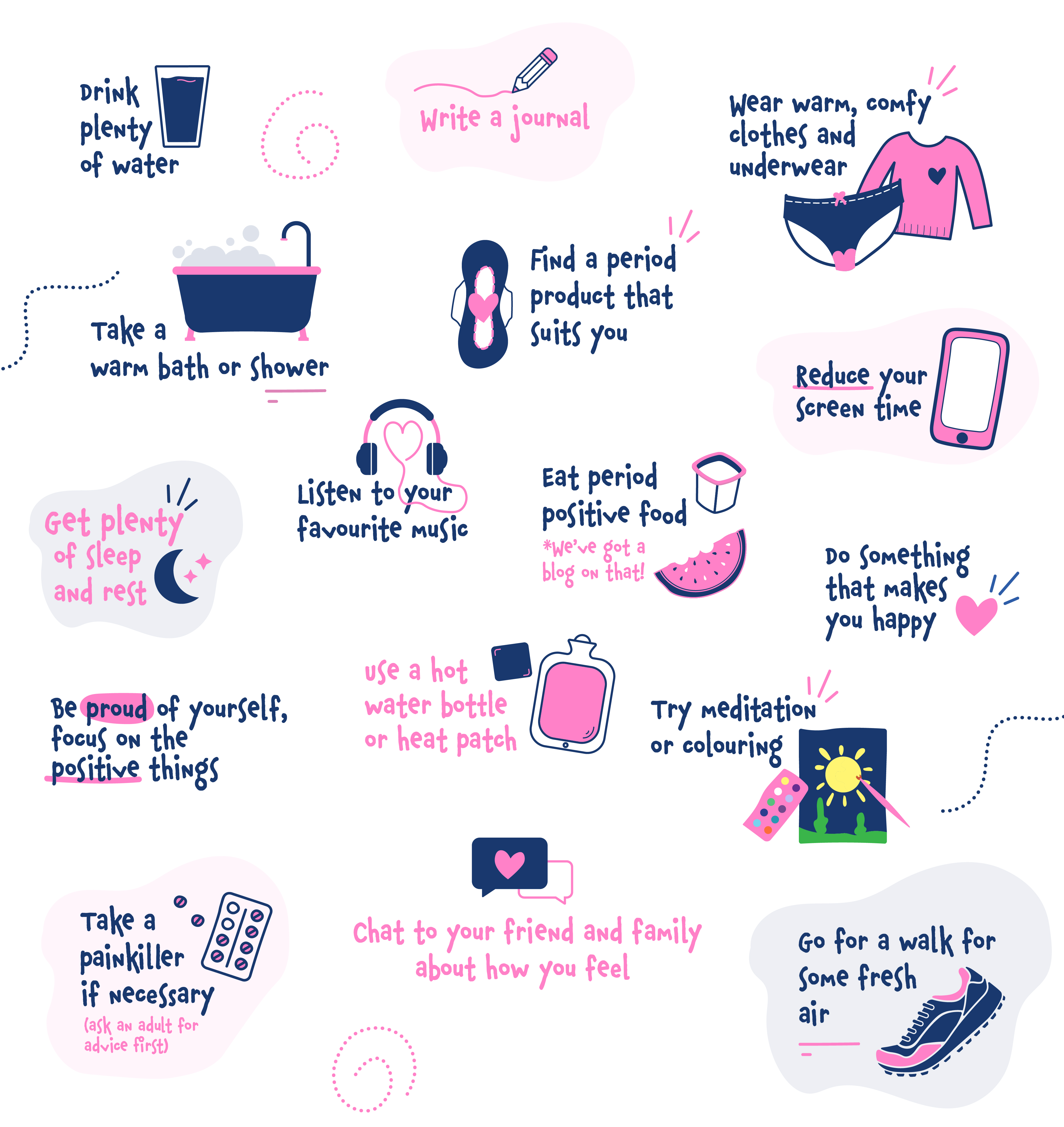
The next frontier of what to do during your period involves moving beyond tracking and into the realm of digital diagnostics and remote care. We are seeing a shift where software is not just a passive observer but an active participant in healthcare.
AI as a Diagnostic Tool for Reproductive Health
Artificial Intelligence is being trained to identify patterns that the human eye—and even some traditional medical screenings—might miss. Emerging tech startups are developing software that can analyze photos of menstrual blood to detect biomarkers for conditions like endometriosis or polycystic ovary syndrome (PCOS). This “Software as a Medical Device” (SaMD) approach allows for earlier intervention and more accurate data to share with healthcare providers.
By using AI to analyze the consistency, color, and frequency of menstrual symptoms, users can receive automated alerts when their data deviates significantly from their baseline. This allows for a data-driven conversation with doctors, replacing vague recollections with hard evidence.
The Shift Toward Decentralized Virtual Care
Telehealth integration within period-tracking apps is becoming a standard feature. When a user experiences abnormal symptoms, the software can immediately suggest a virtual consultation with a specialist. This creates a closed-loop system where the data tracked during the period is directly accessible to the clinician (with user consent), leading to more informed diagnoses.
This decentralization of care is particularly impactful for those in remote areas or those with busy professional schedules. The technology streamlines the process of getting medical advice, prescriptions, and lifestyle recommendations tailored specifically to the user’s current cycle phase.
Optimizing Productivity Through Tech-Enabled Cycle Syncing
In the professional world, “cycle syncing” has moved from a wellness trend to a data-backed productivity strategy. By using project management tools in conjunction with cycle data, individuals can optimize their workflows to match their biological peaks and troughs.
Utilizing Project Management Tools for Hormonal Fluctuations
Advanced users are now integrating their health data into their professional lives using automation tools like Zapier or Notion. For instance, if a tracking app predicts a period of low energy or “brain fog” due to hormonal shifts, a user might automate their calendar to block out deep-work time or avoid scheduling high-stakes presentations during those days.
This is not about limiting one’s capabilities but about maximizing efficiency. Tech allows for a more nuanced approach to the “work-hard, play-hard” mentality, suggesting that we should “work smart” by aligning our output with our physiological state. Software enables this level of precision that was previously impossible.
Collaboration Tools for Inclusive Workplace Environments
On a broader scale, technology is facilitating more inclusive workplace cultures. Some forward-thinking companies are implementing platforms that allow employees to communicate their “status” or energy levels anonymously or via Slack integrations. While highly sensitive, when handled with the right privacy protocols, these tools can help managers understand team dynamics more effectively.
In the tech industry, where “optimization” is a keyword, applying these principles to the menstrual cycle is a logical progression. It recognizes that human performance is not a constant, flat line, but a series of waves. Software provides the surfboard to navigate those waves with professional grace.

The Integration of IoT and Smart Home Technology
The “what to do” when you are on your period also extends to your immediate environment. The Internet of Things (IoT) allows for the creation of a “responsive environment” that can adjust based on a user’s cycle data.
Imagine a smart home system integrated with your period tracker. During the days leading up to a period, when core body temperature often rises and sleep can become disrupted, your smart thermostat could automatically lower the room temperature by two degrees to facilitate better REM sleep. Smart lighting systems can be programmed to shift to warmer, amber tones to stimulate melatonin production if the tracking software detects a pattern of insomnia during the luteal phase.
This level of integration represents the pinnacle of FemTech—a world where the technology around us subtly adjusts to support our biological needs without constant manual input. As we continue to innovate, the period will no longer be an “event” to be dealt with, but a data-driven phase of life that is seamlessly supported by an intelligent digital ecosystem.
The evolution of technology in this space has transformed the menstrual experience. By moving from manual tracking to AI-driven insights, prioritizing digital security, embracing remote diagnostics, and optimizing professional productivity, users can leverage the full power of the FemTech revolution. The answer to what to do on your period is now, more than ever, found in the palm of your hand and the code that powers your digital world.
aViewFromTheCave is a participant in the Amazon Services LLC Associates Program, an affiliate advertising program designed to provide a means for sites to earn advertising fees by advertising and linking to Amazon.com. Amazon, the Amazon logo, AmazonSupply, and the AmazonSupply logo are trademarks of Amazon.com, Inc. or its affiliates. As an Amazon Associate we earn affiliate commissions from qualifying purchases.