
The intersection of high-concept science fiction and the precision of modern streaming technology has rarely been as poignant as it is with the release of Severance Season 2. As fans prepare to return to the eerie, fluorescent-lit hallways of Lumon Industries, the question of “what time” the new episodes drop is more than a matter of scheduling—it is a testament to the global synchronization capabilities of the Apple TV+ infrastructure. In an era where digital content is delivered via complex content delivery networks (CDNs) to millions of concurrent devices, the technical rollout of a flagship series like Severance represents the pinnacle of modern media distribution.

For those tracking the release, Apple TV+ typically adheres to a standardized technical deployment. Season 2 is scheduled to premiere on January 17, 2025. Following the platform’s established protocol, new episodes generally become available at 12:00 AM Eastern Time (ET), which translates to 9:00 PM Pacific Time (PT) on the preceding evening for viewers in the western United States. This global “flick of the switch” highlights the seamless integration of cloud computing and edge server technology that allows a single file to be accessed by a global audience simultaneously without catastrophic latency.
The Global Synchronization of Apple’s Streaming Infrastructure
The release of Severance Season 2 serves as a case study in the efficiency of modern streaming software and server-side management. Unlike the traditional broadcast models of the past, a global digital release requires a sophisticated architecture designed to handle massive spikes in traffic the moment the clock hits the release hour.
Content Delivery Networks and Time-Zone Logistics
To ensure that viewers in Tokyo, London, and New York can all press “play” at the exact same moment, Apple utilizes a vast array of Content Delivery Networks. These are geographically distributed groups of servers that work together to provide fast delivery of internet content. For a data-heavy 4K Dolby Vision file like an episode of Severance, the file is “cached” on edge servers closer to the end-user. This reduces the physical distance the data must travel, minimizing buffering and ensuring that the high-bitrate stream remains stable even under the pressure of a million simultaneous hits.
The “what time” question is also a matter of database updates. At the appointed hour, the Apple TV+ app’s API (Application Programming Interface) triggers a refresh across its ecosystem. This involves updating metadata across millions of instances of the app on iPhones, iPads, Apple TVs, and smart TVs worldwide. The precision of this deployment is a marvel of software engineering, ensuring that the “New Episode” banner appears in real-time across diverse hardware configurations.
The Role of the Apple TV+ Ecosystem in Digital Hardware Sales
The release of high-profile tech-centric content is a strategic lever for hardware adoption. Severance is often used as a showcase for Apple’s display technologies. The show’s unique color palette—heavy on clinical whites, deep blues, and mid-century greens—is designed to highlight the contrast ratios of OLED displays found in the latest iPhone and iPad Pro models. By timing the release of Season 2 alongside its latest hardware cycles, the company reinforces the synergy between its software services and its premium gadgets.
The Intersection of Biotechnology and Modern Digital Security
Beyond the logistics of the release time, Severance Season 2 continues to explore the most provocative “tech” concept in modern fiction: the brain-computer interface (BCI). The “severance” procedure depicted in the show—a surgical implant that bifurcates a human’s memories based on their physical location—is no longer entirely in the realm of fantasy.
Decoding the Severance Procedure: Real-World Neural Interface Tech
The technology behind the severance chip mirrors the rapid advancements we are seeing in real-world neurotech companies like Neuralink, Synchron, and Blackrock Neurotech. While the show uses the chip for psychological partitioning, current BCI technology is focused on medical applications, such as allowing paralyzed individuals to control digital interfaces with their thoughts.
However, the “tech-dystopia” of Severance asks a critical question about data ownership: if a chip is implanted in your brain, who owns the data it generates? In Season 2, we expect to see the technical limitations and “bugs” of this BCI. From a software perspective, the “severance” is essentially a hard-coded permissions layer for human consciousness. The potential for “leaks” or “glitches” between the “Innie” and “Outie” personas represents a catastrophic failure in the software’s partitioning logic, a concept familiar to any developer working on virtual machines or containerized environments like Docker.
Data Refinement and the Evolution of Algorithmic Sorting
One of the most enigmatic tech elements of the show is “Macrodata Refinement” (MDR). Characters spend their days staring at screens, identifying “scary” numbers and sorting them into digital bins. This is a brilliant metaphor for the current state of AI and machine learning.

In the real world, Reinforcement Learning from Human Feedback (RLHF) requires thousands of human workers to sort through data to “train” AI models. These workers often don’t understand the full scope of what they are building—they are simply identifying patterns and refining data. As Season 2 approaches, the tech community is eager to see if the “numbers” at Lumon are actually a manual override for an autonomous system, reflecting our own concerns about the “black box” nature of AI algorithms.
Optimizing Your Digital Viewing Experience for Season 2
To truly appreciate the technical craftsmanship of Severance Season 2, viewers must ensure their “viewing stack” is optimized. The show is mastered in 4K resolution with high dynamic range (HDR) and spatial audio, requiring specific hardware and software configurations to experience as intended.
Hardware Requirements: 4K, HDR, and Spatial Audio Integration
To view the show at its technical peak, a display capable of HDR10 or Dolby Vision is essential. These technologies allow for a wider color gamut and higher peak brightness, which is crucial for the show’s cinematography. The clinical, high-contrast lighting of the Lumon offices can easily lead to “crushed blacks” or “blown-out whites” on inferior panels.
Furthermore, the sound design of Severance is a key component of its atmospheric tension. Utilizing Spatial Audio via AirPods Pro or a Dolby Atmos-capable soundbar creates a three-dimensional soundscape. This is a software-driven audio experience that uses directional audio filters and shifts the frequencies each ear receives, simulating a multi-speaker environment. For tech enthusiasts, the release of Season 2 is as much a hardware stress test as it is an entertainment event.
Privacy and Security Settings for Modern Streaming Apps
In the spirit of the show’s themes of surveillance and corporate overreach, the release of Season 2 is a good time for users to audit their own digital security within streaming apps. Modern smart TVs and streaming sticks are notorious for data harvesting—tracking what you watch, how long you watch, and even your physical location via IP address.
Users looking to maintain their privacy should explore the “Limit Ad Tracking” settings in their device software. On Apple devices, this is integrated into the “App Tracking Transparency” framework, which requires apps to ask permission before tracking your activity across other companies’ apps and websites. In a show where your employer literally owns your brain, the irony of being tracked by your television should not be lost on the viewer.
The Cultural Impact of Tech-Centric Storytelling in the Streaming Age
The anticipation for Severance Season 2 highlights a growing trend in the tech industry: the “Prestige Tech-Thriller.” As technology becomes more deeply embedded in our biological and social lives, our media is reflecting our anxieties back at us through the lens of corporate identity and digital labor.
From Lumon Industries to Real-World Tech Ethics
The “tech” in Severance isn’t just about gadgets; it’s about the philosophy of the workplace. The show explores the concept of “work-life balance” taken to a logical, technological extreme. For many in the software engineering and tech startup world, the show hits close to home. The “perpetual work” cycle and the gamification of labor (seen in Lumon’s “Waffle Parties” and “Finger Traps”) mirror the corporate perks used by Silicon Valley giants to keep employees on-site for longer hours.
As we wait for the Season 2 release time, the tech industry is increasingly looking toward ethics in design. The “Dark Patterns” of UI/UX design—software tricks that make users do things they didn’t intend—are mirrored in the way Lumon manipulates its severed employees. Season 2 will likely dive deeper into the “admin” side of the severance chip, perhaps revealing a “God Mode” or an administrative back door that allows the corporation total control over the human interface.
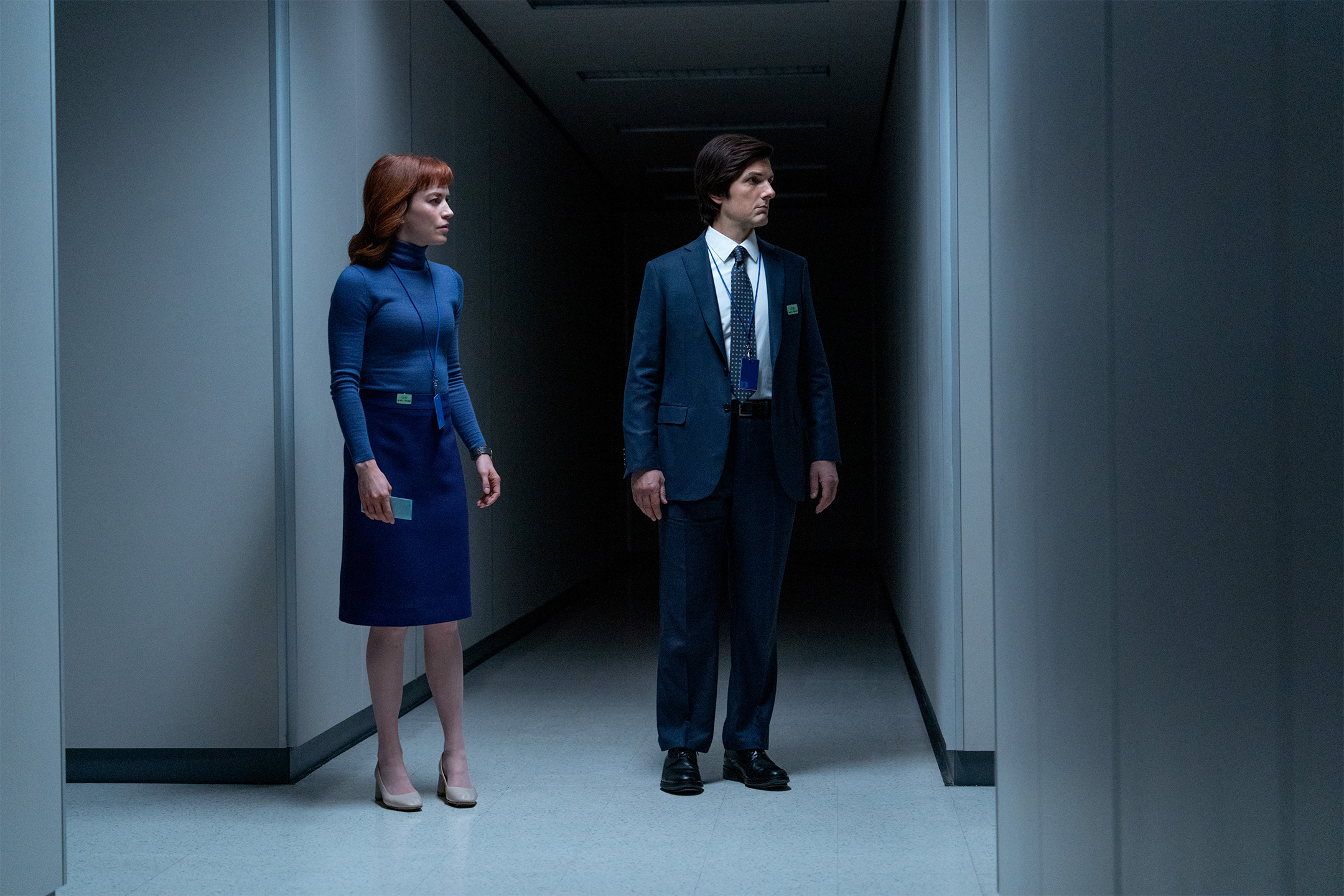
Why Severance is the Ultimate Meta-Commentary on Digital Labor
Finally, Severance serves as a meta-commentary on the streaming platforms that host it. We are the “Outies,” paying for a subscription to watch the “Innies” suffer for our entertainment. The very act of waiting for a specific “release time” is a programmed behavior, a scheduled dopamine hit delivered via an algorithm.
When Season 2 finally arrives at 12:00 AM ET on January 17, it won’t just be a television show coming online. It will be the activation of a massive, global digital event, powered by thousands of miles of fiber-optic cables, millions of lines of code, and the most advanced display technology in human history. For the tech-savvy viewer, the wait for Severance is a reminder that while the show is a work of fiction, the technology that delivers it—and the corporate structures it critiques—are very real.
aViewFromTheCave is a participant in the Amazon Services LLC Associates Program, an affiliate advertising program designed to provide a means for sites to earn advertising fees by advertising and linking to Amazon.com. Amazon, the Amazon logo, AmazonSupply, and the AmazonSupply logo are trademarks of Amazon.com, Inc. or its affiliates. As an Amazon Associate we earn affiliate commissions from qualifying purchases.