
The intersection of Wall Street and Capitol Hill has long been a subject of intense public fascination and scrutiny. While the average retail investor relies on quarterly earnings reports, technical analysis, and economic indicators, a subset of market participants looks toward a different source of “alpha”: the financial disclosures of elected officials. The logic is simple, if controversial—lawmakers sit at the epicenter of policy-making, oversight, and federal spending. Their decisions can move markets, create billion-dollar industries, or regulate competitors into obsolescence. Consequently, understanding what stocks politicians are buying offers a unique, albeit delayed, window into the sectors and companies that may benefit from the prevailing legislative winds.
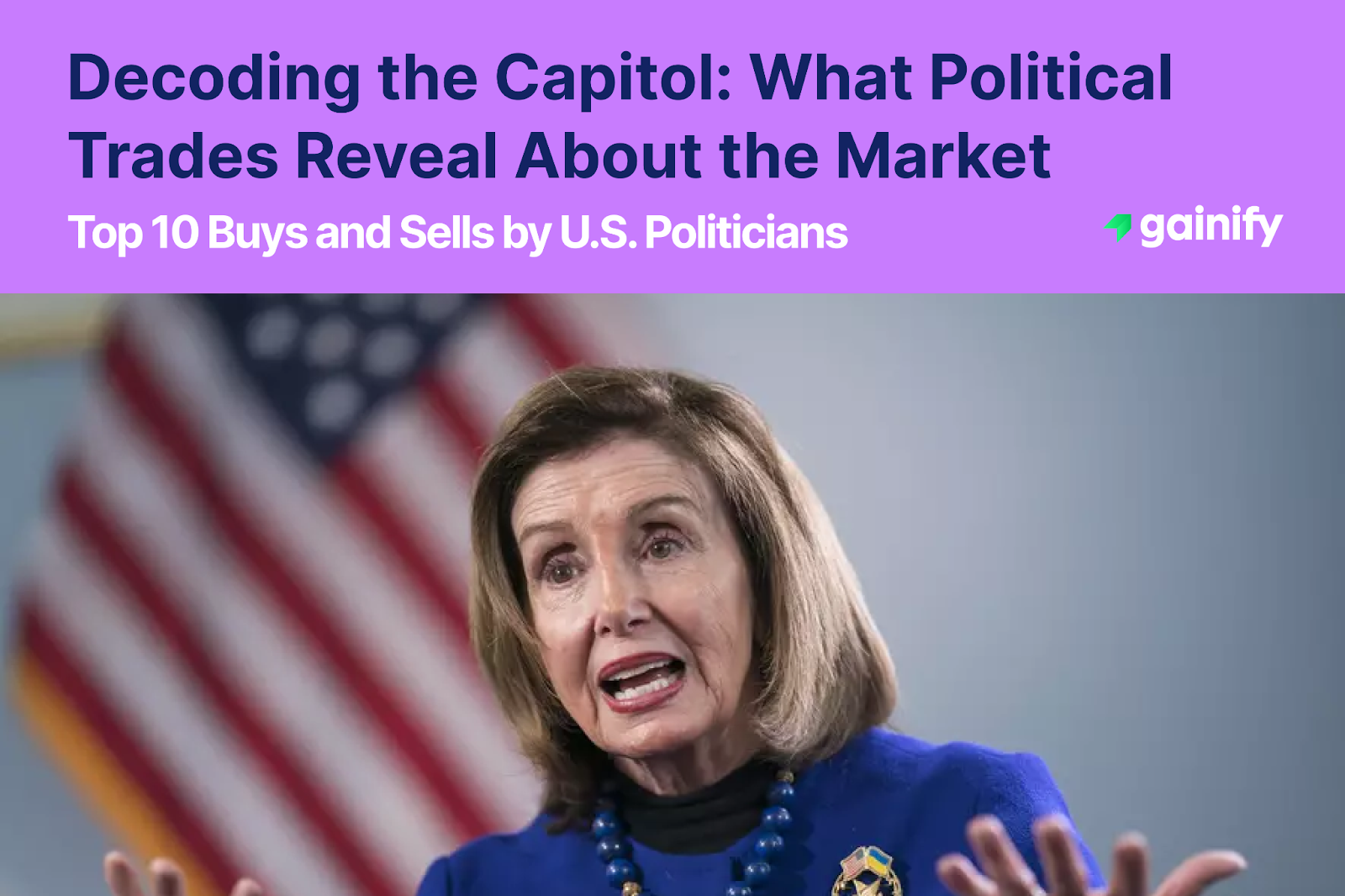
The Framework of Transparency: The STOCK Act and Public Disclosure
To understand the current landscape of political investing, one must first understand the legal requirements that make this data public. In 2012, the Stop Trading on Congressional Knowledge (STOCK) Act was signed into law. This landmark legislation was designed to clarify that the prohibition against insider trading applies to members of Congress and their staff. More importantly for the modern investor, it mandated that lawmakers must publicly disclose any financial transaction—purchases, sales, or exchanges—exceeding $1,000 within 30 to 45 days of the trade.
These disclosures, known as Periodic Transaction Reports (PTRs), have birthed a new era of financial transparency. Today, retail investors do not have to guess which stocks their representatives favor; they can see the exact ticker symbols, transaction dates, and estimated value ranges. This transparency has fueled a “copy-trading” movement, where investors attempt to mirror the portfolios of high-performing politicians, seeking to capture a portion of the perceived legislative advantage. However, while the data is public, the 45-day reporting window creates a significant lag, meaning that by the time the public knows a senator bought a specific stock, the market may have already priced in the move or the legislative catalyst may have passed.
The High-Stakes World of Tech: Why Lawmakers Love Silicon Valley
Technological dominance is the cornerstone of the modern American economy, and the portfolios of politicians reflect this reality. In recent years, information technology has remained the most heavily traded sector among members of both the House and the Senate.
The Artificial Intelligence Arms Race
The surge in Artificial Intelligence (AI) has not escaped the notice of Capitol Hill. Lawmakers have been particularly active in the semiconductor space, which provides the hardware necessary for AI processing. Stocks like Nvidia (NVDA) and Advanced Micro Devices (AMD) appear frequently in disclosures. The interest here is twofold: these companies are massive drivers of market indices, and they are also at the center of critical national security and trade policy discussions. When a politician buys a semiconductor stock, they are often betting on the long-term strategic importance of domestic chip production and the continued expansion of the AI infrastructure.
Software Giants and Cloud Infrastructure
Beyond hardware, the “Magnificent Seven”—Apple, Microsoft, Alphabet, Amazon, Meta, and Tesla—are staples in political portfolios. Microsoft, in particular, is a frequent favorite due to its massive government contracts, including high-profile cloud computing agreements with the Department of Defense. Investors often monitor these trades for clues about future contract awards or shifts in antitrust sentiment. If a high-ranking member of a committee focused on technology begins accumulating shares in a specific software firm, it may signal a belief that the company’s regulatory environment is stabilizing or that new growth catalysts are on the horizon.
Defense and Aerospace: Investing in Global Stability (and Instability)
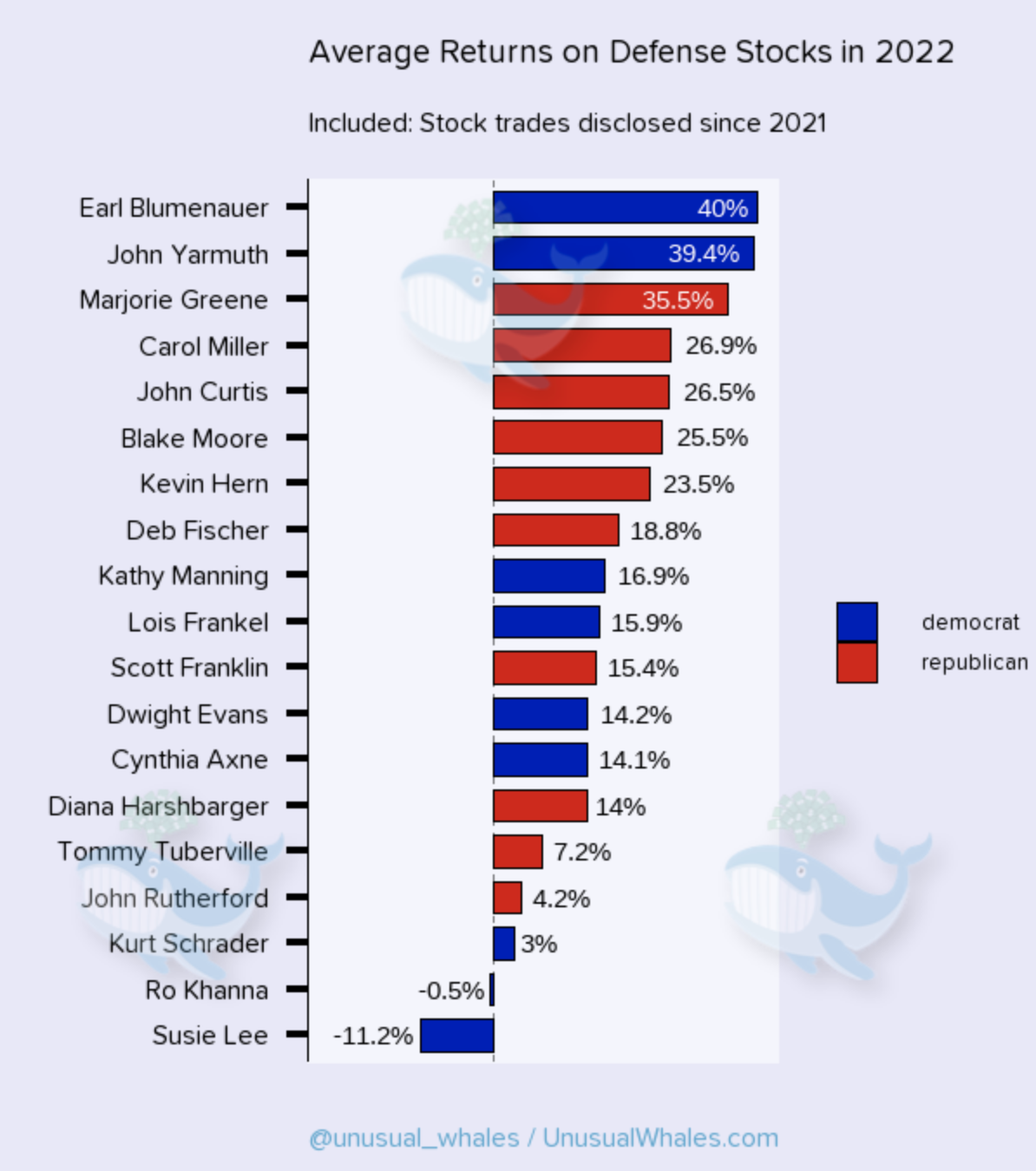
The defense sector is perhaps the most scrutinized area of political trading. Given that Congress holds the “power of the purse” and directly approves the multi-billion-dollar budgets for the Department of Defense, trades in this sector carry heavy ethical weight.
Companies like Lockheed Martin, Raytheon (RTX), and General Dynamics are frequent fixtures in the reports of lawmakers who sit on Armed Services or Foreign Relations committees. For the retail investor, these trades serve as a barometer for geopolitical tensions and shifts in defense spending priorities. For instance, a notable uptick in defense stock purchases across the board can sometimes precede legislative moves to increase foreign aid packages or domestic military modernization programs.
However, defense investing also highlights the “delay risk” mentioned earlier. Legislative cycles are long, and while a politician might buy a defense stock in anticipation of a budget hike, the actual stock price movement might occur months later, or it might have already occurred as the market anticipated the policy shift.
Energy Shifts: From Fossil Fuels to the Green Frontier
Energy is another sector where political influence is palpable. The transition from traditional fossil fuels to renewable energy is largely driven by tax credits, subsidies, and regulatory mandates—all of which are products of legislative action.
The Traditional Energy Guard
Despite the push for a green transition, many politicians continue to hold significant positions in traditional oil and gas majors like ExxonMobil and Chevron. These trades are often viewed as a hedge against inflation or a play on global commodity prices. In periods of high energy costs, these disclosures often increase, reflecting a consensus on the sustained demand for carbon-based energy in the medium term.
The Rise of Clean Tech and EV Infrastructure
On the other side of the aisle, there is a marked interest in electric vehicle (EV) manufacturers and renewable energy firms. Lawmakers often align their portfolios with the policy goals of their respective parties. Provisions in the Inflation Reduction Act (IRA), which provided massive incentives for domestic EV battery production and solar energy, coincided with a flurry of trading activity in companies like Rivian, First Solar, and Enphase Energy. For the personal finance enthusiast, tracking these trades provides a roadmap of which specific niches within the “green economy” are receiving the most legislative support.
Strategic Trading: How to Use Political Data in Your Own Portfolio
For the average investor, the goal of watching political trades isn’t just curiosity; it’s the search for a competitive edge. However, translating this data into an actionable strategy requires a disciplined approach.
Navigating the 45-Day Delay
The biggest hurdle in following political trades is the reporting lag. If a representative buys a stock on January 1st and reports it on February 15th, the stock price might have already surged. Successful “copy-traders” don’t just look at the stock name; they look at the conviction and the context. A small $1,000 trade by a backbencher might be noise, but a $500,000 purchase by a committee chair is a signal. Investors should look for “clusters”—when multiple lawmakers from different parties or committees all buy the same stock within a short window. This often indicates a broader consensus on a company’s value or an upcoming industry-wide tailwind.
Diversification vs. Following the Leaders
It is also essential to distinguish between “active” traders and “passive” holders. Some politicians are high-frequency traders, moving in and out of positions with high regularity. Others hold a core group of blue-chip stocks for decades. For someone managing their own personal finance, the latter is often more instructive. Long-term holdings by influential lawmakers in sectors like healthcare or telecommunications suggest a belief in the fundamental stability of those industries against the backdrop of changing laws.
The Ethics of Conflict: Why Retail Investors Watch the Hill
The debate over whether politicians should be allowed to trade individual stocks at all is ongoing. Critics argue that even the appearance of a conflict of interest undermines public trust. Proponents of a ban on individual stock trading for Congress suggest that lawmakers should be restricted to diversified mutual funds or blind trusts.
From an investment perspective, this ethical tension is exactly why the data is so valuable. The market thrives on information, and political disclosures are one of the last frontiers of “legal” insider information. Whether one agrees with the ethics or not, the reality is that lawmakers often possess a deeper understanding of the regulatory hurdles or incentives a company faces. By monitoring their trades, retail investors are essentially crowdsourcing the due diligence of the nation’s most powerful decision-makers.
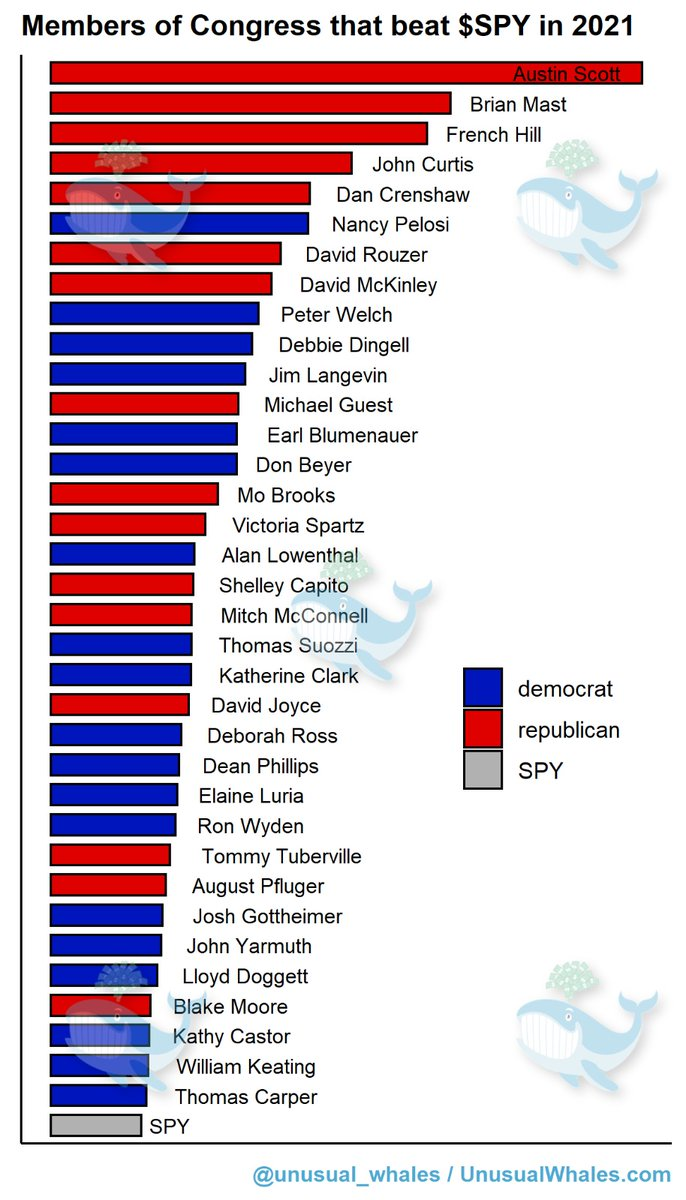
Conclusion: The Future of Political Investment Tracking
As technology evolves, the speed with which political trades are analyzed is increasing. New financial tools and platforms now scrape the SEC and Congressional databases in real-time, providing instant alerts when a new PTR is filed. This has democratized access to what was once the domain of sophisticated hedge funds.
In the world of money and investing, knowledge is the primary currency. While following the stock picks of politicians is not a guaranteed path to riches—lawmakers, after all, can be wrong about the market just like anyone else—it provides an essential layer of context. It allows an investor to see where the people who write the rules are putting their own capital. As long as the current disclosure system remains in place, “watching the Hill” will remain a vital strategy for those looking to understand the forces shaping the future of the American economy. For the savvy investor, the question isn’t just “what are they buying?” but “what does their buying tell us about the future of policy and profit?”
aViewFromTheCave is a participant in the Amazon Services LLC Associates Program, an affiliate advertising program designed to provide a means for sites to earn advertising fees by advertising and linking to Amazon.com. Amazon, the Amazon logo, AmazonSupply, and the AmazonSupply logo are trademarks of Amazon.com, Inc. or its affiliates. As an Amazon Associate we earn affiliate commissions from qualifying purchases.