
In the landscape of global personal branding, few entities command as much institutional weight and public fascination as the British Royal Family. By August 2024, the brand narrative surrounding Catherine, Princess of Wales, has undergone a transformative shift, moving from a symbol of seamless perfection to a case study in strategic vulnerability and crisis management. The mystery and subsequent disclosure regarding her health have not only influenced public sentiment but have redefined how high-profile brands manage sensitive information in an era of unprecedented digital scrutiny. For brand strategists and corporate communicators, the “Kate Middleton” narrative of 2024 offers profound lessons in narrative control, stakeholder trust, and the delicate balance between privacy and transparency.
The Architecture of a Royal Brand Under Pressure
The Princess of Wales has long been the cornerstone of the modern monarchy’s brand equity. Her public persona is built on the pillars of duty, reliability, and an approachable yet aspirational aesthetic—often referred to as the “Kate Effect.” However, the events leading into August 2024 challenged these core brand pillars. When the Princess stepped back from public life following abdominal surgery in January, the brand faced its first major “information vacuum.”
In branding, an information vacuum is a hazardous territory. In the absence of official communication, the audience—in this case, a global public—will fill the void with their own narratives. The early months of 2024 saw the Princess of Wales’s brand momentarily lose control of its story. Speculation, fueled by social media algorithms and a lack of specific detail regarding the “what” and “why” of her absence, led to a reputational crisis that culminated in the digital fallout of a manipulated family photograph.
This period highlighted a critical vulnerability in traditional brand management: the assumption that silence equals privacy. In the modern attention economy, silence is often interpreted as a lack of transparency. For the Royal brand, which relies on public consent and affection, the dissonance between her “relatable” brand identity and the “secretive” nature of her medical updates created a temporary fracture in brand trust. The strategic lesson here is clear: even the most established brands must adapt their communication frequency to match the velocity of digital discourse.
From Speculation to Strategy: The Pivot Toward Authenticity
The turning point for the brand occurred in March 2024, when the Princess released a deeply personal video message announcing her cancer diagnosis and the commencement of preventative chemotherapy. This move was a masterful pivot in brand strategy. By choosing a video format—filmed outdoors, in a casual setting, with the Princess speaking directly to the camera—the brand humanized a global icon.
By August 2024, the strategic impact of this video is still being felt. It effectively neutralized the “conspiracy” narrative and replaced it with a “resilience” narrative. From a brand management perspective, this was a transition from institutional defense to personal authenticity. The decision not to disclose the specific type of cancer—a detail that remains a point of high-volume search traffic—was a deliberate choice in boundary-setting.
This “strategic ambiguity” serves a dual purpose. First, it protects the individual’s right to medical privacy, which is essential for long-term brand sustainability. Second, it allows the brand to maintain a degree of the “royal mystique” while providing enough information to satisfy the public’s need for empathy and connection. For corporate brands, this demonstrates that you do not need to disclose every internal metric to maintain trust; you simply need to be honest about the journey and the challenges being faced.
The Power of Visual Storytelling in Brand Recovery
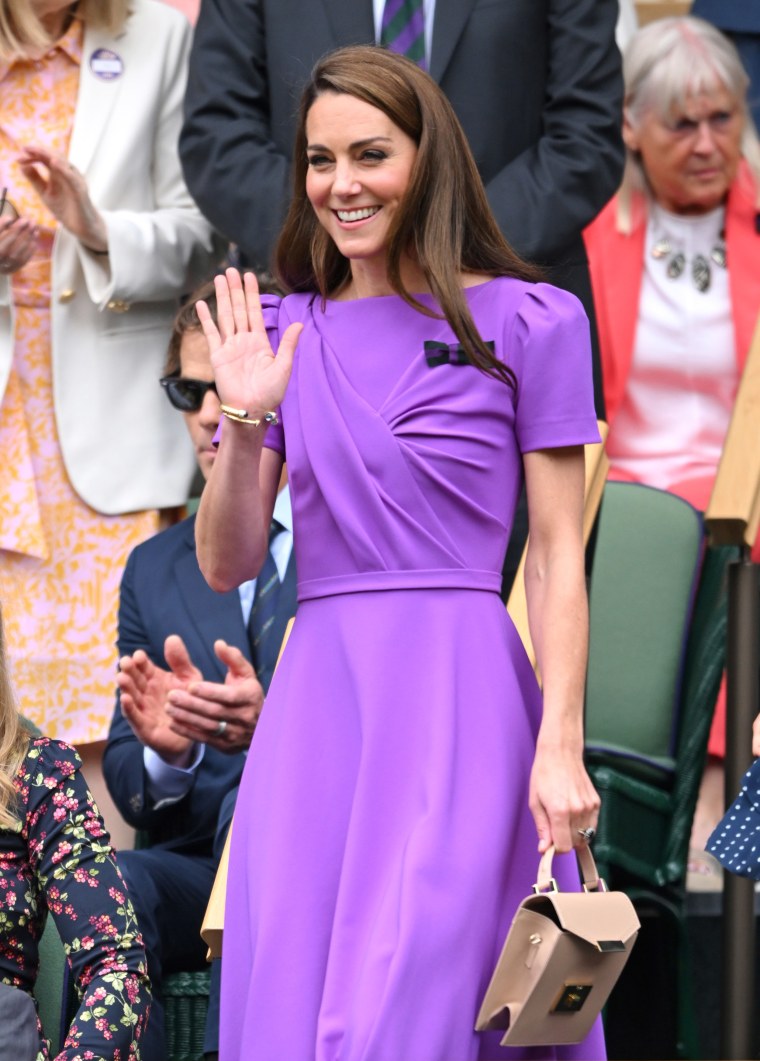
The visual elements of the March announcement and subsequent appearances, such as Trooping the Colour in June 2024, were meticulously curated. For a brand that communicates largely through imagery, these “proof of life” moments were essential for maintaining brand value. The August 2024 perspective shows that these appearances were not merely social obligations but strategic “re-entry” points. They signaled to stakeholders (the public, the press, and international partners) that the brand was stable, recovering, and still functional, despite the internal crisis.
Stakeholder Management and Public Sympathy
The shift in the brand’s tone from formal to vulnerable resulted in a massive surge of “brand loyalty.” Public sentiment shifted from curiosity to protective support. By August 2024, the Princess of Wales has arguably become the most popular member of the Royal Family, with her brand health metrics reaching all-time highs. This illustrates the “Vulnerability Paradox”: by admitting a weakness or a challenge, a brand can actually strengthen its connection with its audience, provided the admission is handled with dignity and clarity.

Digital Reputation Management and the Information Vacuum
The title of this inquiry—specifically focusing on the “what kind of cancer” query in August 2024—highlights the ongoing challenge of digital reputation management. Search engine optimization (SEO) and social media trends continue to drive public inquiry long after a brand has attempted to “close” a story. For the Princess of Wales’s communications team, the challenge is managing a narrative that the public refuses to let go of.
In the world of brand strategy, this is known as “Persistent Narrative Interest.” When a brand becomes a subject of intense public concern, the interest does not dissipate; it merely evolves. As of late 2024, the brand has shifted focus toward her gradual return to light duties and her patronage work, particularly in early childhood development. This is a strategic move to redirect the “search intent” of the public from her illness to her impact.
Navigating the Ethics of Personal Branding and Health
The ethics of personal branding in the face of health crises is a burgeoning field of study. The Princess’s team had to navigate the “Right to Know” versus the “Right to Heal.” By August 2024, they have successfully established a new “norm” for royal communications: disclosure of the condition (cancer) and the treatment (chemotherapy), but a hard line on specific medical details. This sets a precedent for other high-profile figures and corporate executives, suggesting that a brand can be transparent about its process without being transparent about its private data.
The Role of Counter-Narratives in Brand Defense
Throughout 2024, the brand also had to contend with misinformation. The strategy employed was one of “selective engagement.” Rather than responding to every rumor, the brand chose high-impact moments to release authentic updates. This prevented the brand from appearing defensive or reactive, which is a common mistake in crisis management. By maintaining a steady, calm, and authoritative voice, the brand projected an image of stability in the midst of personal and institutional turmoil.
The Future of Brand Transparency: Lessons for Executives and Public Figures
As we look toward the final quarter of 2024, the Princess of Wales’s brand offers a blueprint for “Resilience Branding.” This approach recognizes that crises are inevitable and that the strength of a brand is not measured by its ability to avoid them, but by its ability to navigate them with its core values intact.
The lessons for brand managers are numerous. First, authenticity is the ultimate currency. The moment the Princess spoke from her heart, the brand’s trajectory changed. Second, visual communication is often more powerful than written statements. The imagery of the Princess in 2024 has done more to stabilize the monarchy’s brand than any number of press releases from Buckingham Palace. Third, the “long game” is more important than the “news cycle.” By prioritizing her health and her family, she reinforced the brand’s association with “Family Values,” which is a core part of her long-term identity.
Building a “Crisis-Proof” Personal Brand
A “crisis-proof” brand is one that has built up enough “goodwill capital” to survive a period of absence or controversy. Prior to 2024, the Princess of Wales had spent over a decade building this capital through consistent public service and a scandal-free reputation. This allowed her brand to weather the storm of early 2024. For any personal or corporate brand, the time to prepare for a crisis is during the periods of calm, by building deep, authentic connections with the audience.

The Shift Toward “Human-Centric” Branding
The Princess’s journey in 2024 mirrors a broader trend in global branding: the shift toward human-centricity. Whether it is a CEO discussing mental health or a royal discussing a cancer diagnosis, audiences are increasingly demanding that the “mask” of professional perfection be removed. The brand of the Princess of Wales in August 2024 is more human, more relatable, and more respected than it was a year ago, precisely because it has been tested by reality.
In conclusion, the question of “what kind of cancer” she has is, from a brand perspective, less important than “how the brand responded” to the diagnosis. The strategy of 2024 has been one of reclaiming the narrative, prioritizing health over optics, and using vulnerability as a bridge to public trust. As the Princess continues her recovery and her gradual return to public life, her brand stands as a testament to the power of strategic transparency and the enduring value of authenticity in the digital age. For brand leaders, the takeaway is simple: the most resilient brands are those that are brave enough to be human.
aViewFromTheCave is a participant in the Amazon Services LLC Associates Program, an affiliate advertising program designed to provide a means for sites to earn advertising fees by advertising and linking to Amazon.com. Amazon, the Amazon logo, AmazonSupply, and the AmazonSupply logo are trademarks of Amazon.com, Inc. or its affiliates. As an Amazon Associate we earn affiliate commissions from qualifying purchases.