
In the modern landscape of personal branding, every nuance of an individual’s public presentation is scrutinized, from their choice of attire to the cadence of their speech. Robert F. Kennedy Jr. (RFK Jr.) presents one of the most intriguing case studies in contemporary political and personal branding due to his distinctive, strained vocal quality. While the immediate answer to “what is wrong with his voice” is a medical condition known as spasmodic dysphonia, the brand implications of this voice are far more complex.

In an era defined by high-definition filters and meticulously polished corporate identities, RFK Jr.’s voice serves as a raw, unfiltered disruption. It challenges the traditional “Kennedy Brand” while carving out a unique niche that prioritizes perceived authenticity over aesthetic perfection. Understanding the intersection of this physical condition and its impact on his public identity provides vital lessons in brand strategy, resilience, and the psychology of trust.
Understanding the Sound: Spasmodic Dysphonia and the Unique RFK Jr. Sonic Identity
To understand the brand, one must first understand the biological foundation. Robert F. Kennedy Jr. suffers from spasmodic dysphonia, a neurological disorder that causes involuntary spasms of the muscles in the larynx (voice box). This results in a voice that sounds strained, quivering, or “strangled.” For a public figure, particularly one emerging from a dynasty known for its soaring oratory, this could easily have been a career-ending liability. Instead, it has become the cornerstone of his sonic brand.
The Medical Reality Behind the Voice
Spasmodic dysphonia is relatively rare and often misunderstood by the public. For years, listeners questioned if RFK Jr. was nervous, ill, or overly emotional during his addresses. In the context of personal branding, a lack of information often leads to negative assumptions. However, by being transparent about the condition, Kennedy shifted the narrative from a perceived weakness to a manageable physical trait. This transparency is a fundamental pillar of brand management: when you control the narrative regarding your perceived flaws, you prevent the audience from filling the void with their own misconceptions.
The Disruption of the Traditional Political Profile
For decades, the “political brand” was synonymous with the “Golden Voice”—think of the resonant tones of Ronald Reagan or the rhythmic, authoritative cadence of John F. Kennedy. RFK Jr.’s voice disrupts this expectation. In branding terms, this is known as “pattern interruption.” Because he does not sound like a typical politician, the audience is forced to lean in and listen more closely. This forced engagement can be a powerful tool for a brand attempting to position itself as an outsider or a truth-teller who is unconcerned with the superficialities of mainstream optics.
Authenticity in the Age of Polish: The Power of the Imperfect Brand
In the world of corporate and personal branding, there is a growing movement toward “radical authenticity.” Consumers, especially younger demographics, are increasingly skeptical of over-produced content. They seek flaws because flaws suggest a lack of manipulation. RFK Jr.’s voice, though involuntary, functions as a powerful signal of this authenticity.
Humanizing the Candidate
A voice that cracks and strains is inherently human. It suggests effort, struggle, and persistence. From a brand strategy perspective, this humanizes a figure who might otherwise be seen as an untouchable member of American royalty. By continuing to speak publicly despite the obvious difficulty, Kennedy projects a brand image of “The Fighter.” The message conveyed to the audience is: “What I have to say is so important that I will endure the physical strain and potential public ridicule to say it.” This reinforces a brand narrative centered on conviction and grit.
Vulnerability as a Strategic Asset
Brene Brown and other leadership experts have long argued that vulnerability is a key component of building trust. RFK Jr.’s voice is a constant, visible (or rather, audible) manifestation of vulnerability. In branding, vulnerability can bridge the gap between a brand and its audience. It breaks down the “us vs. them” barrier. When a brand admits its limitations—or in this case, operates openly with them—it builds a unique rapport with the audience that polished competitors cannot replicate. The voice becomes a symbol of a man who has nothing to hide, a crucial element for a brand built on transparency and challenging the status quo.
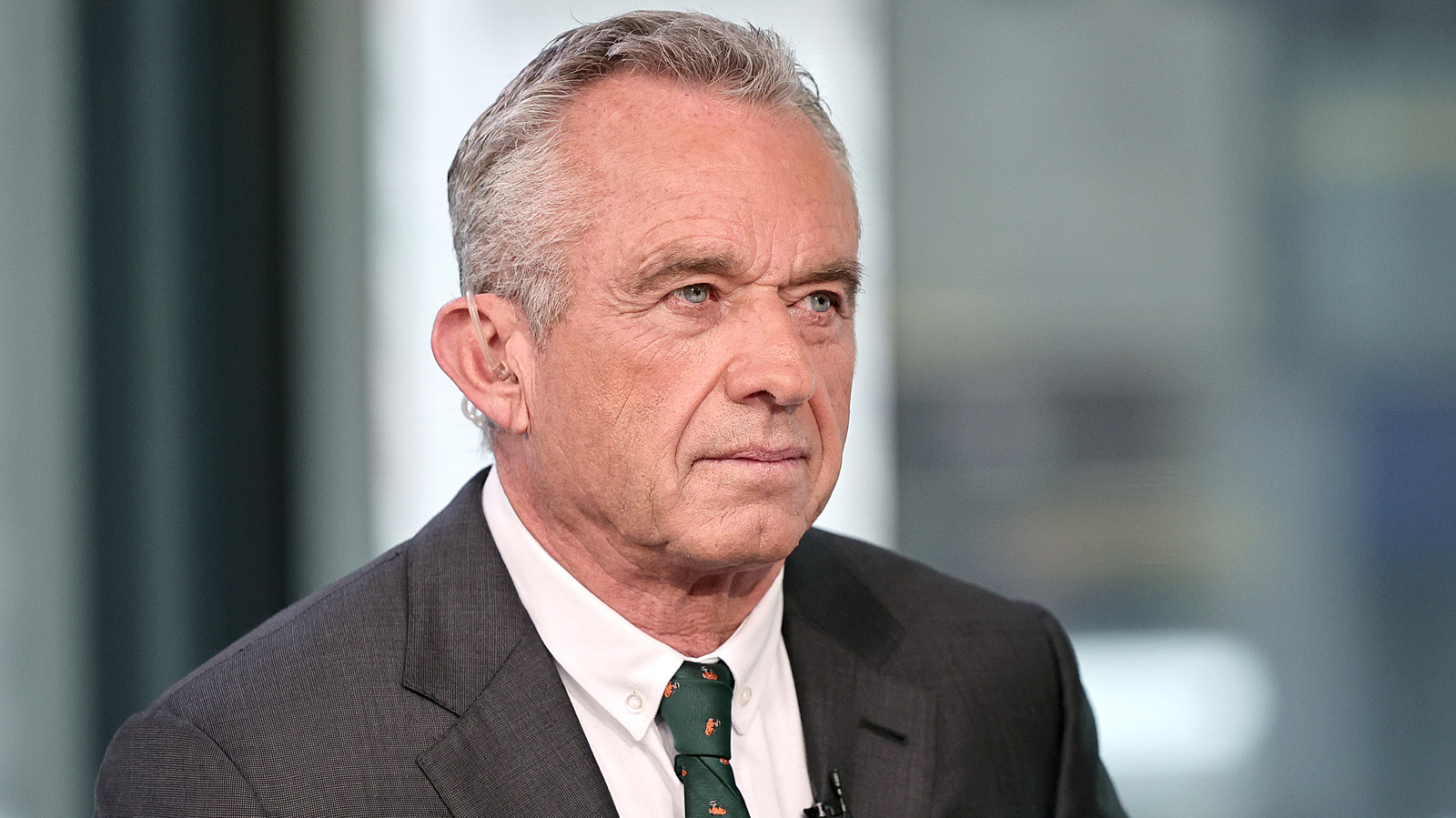
Differentiating the Kennedy Dynasty: Breaking the Legacy Mold
Every brand must decide how much of its heritage to retain and how much to evolve. For Robert F. Kennedy Jr., the “Kennedy Brand” is both a massive asset and a significant shadow. His voice has become the primary tool for differentiation from the family legacy, signaling a departure from the “Camelot” era into a more rugged, individualistic identity.
Moving Beyond the “Camelot” Accent
The Kennedy family is famous for its distinctive Massachusetts accent—the broad vowels and rhythmic delivery of JFK and RFK Sr. are etched into the American psyche. While RFK Jr. retains some of those linguistic markers, the spasmodic dysphonia fundamentally alters the delivery. It strips away the effortless elegance of the traditional Kennedy speech and replaces it with something more labored. This change serves as a metaphorical “rebranding,” distancing him from the polished institutionalism of the 1960s and aligning him with a more modern, grassroots, and disruptive brand persona.
Establishing an Independent Persona
In personal branding, it is often necessary to “kill the darlings” of one’s past to establish an independent future. RFK Jr.’s voice ensures that he is never mistaken for a carbon copy of his father or uncle. It provides him with a “unique selling proposition” (USP) in the marketplace of ideas. He is not just “another Kennedy”; he is the Kennedy who speaks with a different voice—literally and figuratively. This distinction is vital for brand recall and helps him occupy a specific mental space in the minds of the electorate and the general public.
Communication Challenges and Brand Resilience
Operating a brand with a significant perceived “flaw” requires a high level of strategic communication. RFK Jr. and his team have had to navigate the fine line between the voice being a distraction and it being a signature.
Managing Initial Public Skepticism
When a brand enters a new market (or a candidate enters a new race), the first impression is critical. Many voters’ first reaction to RFK Jr.’s voice was concern for his health. To counter this, his communication strategy involved addressing the condition early and often, then pivoting immediately back to his core messaging. This “acknowledge and pivot” tactic is a classic brand management move used to neutralize potential liabilities before they can be weaponized by competitors.
Turning a Liability into a Signature Attribute
Over time, the sound of Kennedy’s voice has moved from a liability to a signature attribute. Just as some brands are recognized by a specific color or logo, RFK Jr. is recognized by his vocal texture. In the world of branding, consistency is king. Because his voice is consistently different, it has become a reliable marker of his brand presence. Whether on a podcast, a news segment, or a stump speech, the voice is unmistakable. This high level of brand recognition is something most public figures spend millions to achieve; for Kennedy, it is a byproduct of his condition.

Lessons for Personal Branding and Corporate Identity
The story of RFK Jr.’s voice offers several profound lessons for brand strategists and individuals looking to build their own professional identities.
- Own Your Flaws: A brand that tries to hide its imperfections often comes across as insincere. A brand that owns its flaws—or even highlights them—can build a more loyal and trusting following. Authenticity is not the absence of flaws; it is the presence of honesty regarding them.
- Focus on Substance Over Style: While the voice is what people notice first, Kennedy’s brand relies on the depth of his arguments and the consistency of his message. For any brand, a unique aesthetic (or “sonic” signature) is only effective if it is backed by high-quality content or products.
- The Power of Resilience: Persistence is a powerful brand story. Showing up every day and doing the work, despite challenges that would sideline others, creates a narrative of reliability and strength. This is a “Brand Story” that resonates across all industries.
- Sonic Branding Matters: We often think of branding as visual, but the way a brand “sounds” is equally important. RFK Jr.’s case reminds us that the auditory experience of a brand can trigger emotional responses, build trust, and ensure long-term memorability.
In conclusion, what is “wrong” with Robert Kennedy Jr.’s voice is, from a medical perspective, a neurological challenge. However, from a branding perspective, it is a defining characteristic that has enabled him to stand out in a crowded marketplace of ideas. By refusing to let the condition silence him, he has integrated it into a brand that stands for authenticity, resilience, and a departure from the manufactured polish of modern leadership. In doing so, he has proven that even the most unexpected traits can become the most powerful assets in a personal brand strategy.
aViewFromTheCave is a participant in the Amazon Services LLC Associates Program, an affiliate advertising program designed to provide a means for sites to earn advertising fees by advertising and linking to Amazon.com. Amazon, the Amazon logo, AmazonSupply, and the AmazonSupply logo are trademarks of Amazon.com, Inc. or its affiliates. As an Amazon Associate we earn affiliate commissions from qualifying purchases.