
The somatosensory system is traditionally understood as the complex network of biological sensors that allow humans to perceive touch, pressure, temperature, pain, and position. In the context of modern technology, however, the definition is expanding. We are no longer observing the somatosensory system merely as a physiological phenomenon, but as a blueprint for the next generation of human-computer interaction (HCI). From high-fidelity haptic feedback in gaming to the development of electronic skin (e-skin) for robotics and neural implants that restore sensation to amputees, the tech industry is aggressively digitizing the sense of touch.

As we move beyond the era of visual and auditory dominance in hardware, the somatosensory system represents the “third pillar” of digital immersion. Engineering a digital equivalent of this system requires a sophisticated blend of material science, edge computing, and neurobiology. To understand the current tech landscape, one must look at how the somatosensory system is being decoded, replicated, and enhanced through cutting-edge software and hardware solutions.
The Evolution from Biological Senses to Digital Haptics
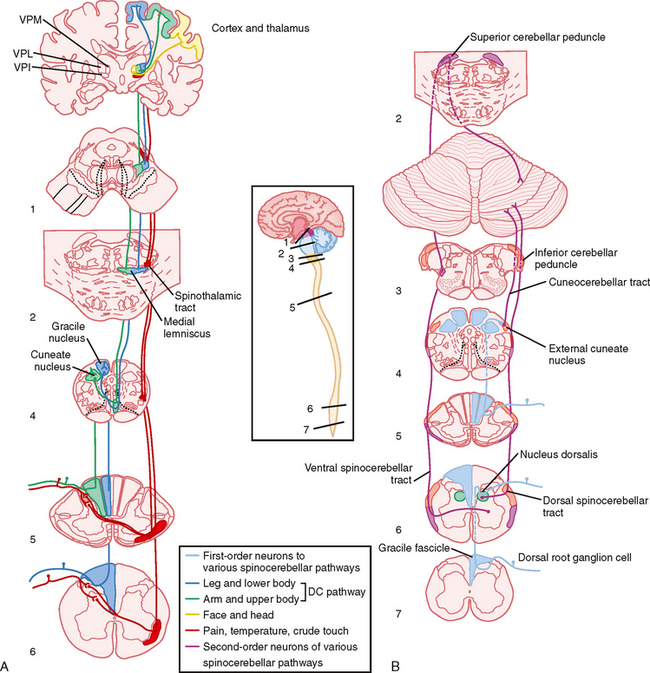
In biological terms, the somatosensory system relies on mechanoreceptors, thermoreceptors, and nociceptors distributed throughout the skin and internal organs. For tech developers, the challenge is translating these analog signals into binary data that can be manipulated and transmitted. This transition has led to the rise of haptic technology—the science of applying touch sensation and control to interaction with computer applications.
The Mechanics of Tactile Feedback
The most common application of digital somatosensory tech is found in the haptic motors of smartphones and gaming controllers. Early haptic tech relied on Eccentric Rotating Mass (ERM) motors, which provided crude, vibrating alerts. Today, the industry has shifted toward Linear Resonant Actuators (LRAs) and piezoelectric actuators. These components allow for much more granular “tactile textures.”
In high-end consumer electronics, software algorithms can now simulate the “click” of a button on a solid glass surface or the “weight” of a digital object in a virtual environment. This is achieved by manipulating frequency and amplitude to trick the human somatosensory cortex into perceiving a physical response where none exists. This “perceptual hacking” is a cornerstone of modern UI/UX design, ensuring that digital interactions feel grounded in physical reality.
Kinesthetic Communication and Force Feedback
Beyond simple vibrations, the tech world is mastering kinesthetic communication. This involves simulating the weight, resistance, and stretch of objects. In medical robotics, for example, surgeons performing remote operations rely on force-feedback systems that mirror the resistance of human tissue through their control consoles. This somatosensory bridge allows for a level of precision that visual data alone cannot provide. As latency decreases with the rollout of 6G and advanced edge computing, the fidelity of this kinesthetic feedback is expected to reach near-real-time synchronization, making remote physical labor a viable tech-driven reality.
Neural Engineering: Directly Interfacing with the Human Somatosensory Cortex
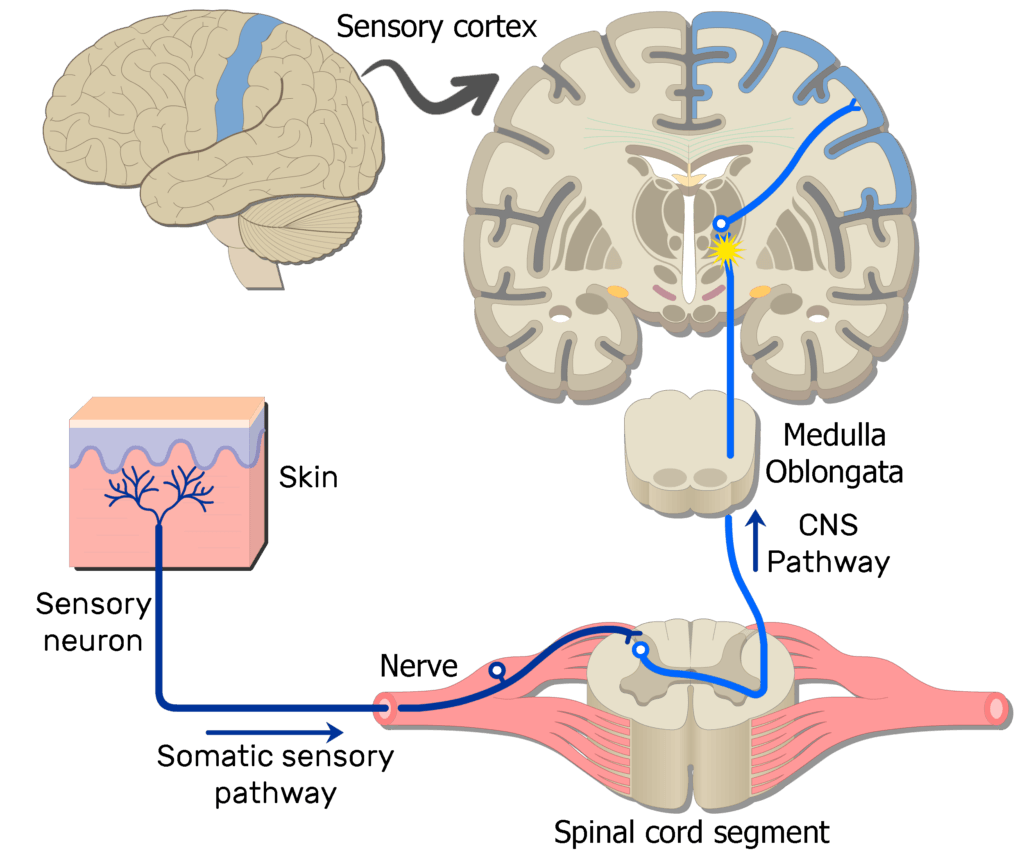
The most ambitious tech projects today aim to bypass the skin entirely and interface directly with the brain. Brain-Computer Interfaces (BCIs) are moving from science fiction into clinical trials, with the goal of writing data directly into the somatosensory cortex.
Brain-Computer Interfaces (BCI) and Sensory Injection
Companies like Neuralink and Synchron are focused on two-way communication between the brain and external hardware. While much of the public focus is on “mind control” of computers, the “input” side of the equation—sensory injection—is equally critical. By stimulating specific clusters of neurons in the somatosensory cortex, researchers can create the sensation of touch in a person’s hand even if that limb is missing.
This process involves high-bandwidth neural threads and sophisticated AI models that decode how the brain processes touch. The software must learn the unique “language” of an individual’s neural firing patterns to simulate a natural sensation rather than a static buzz. As these neural interfaces become more refined and less invasive, we are looking at a future where digital information is not just seen or heard, but “felt” directly through the nervous system.
Sensory Restoration in Medical Tech
The somatosensory system is also the focal point of advanced prosthetics. Modern “smart limbs” are being outfitted with arrays of sensors that mimic the mechanoreceptors of human skin. These sensors collect data on pressure and shear force, which is then translated into electrical pulses delivered to the user’s remaining nerve endings. This closed-loop system allows the user to feel the grip of a glass of water, preventing them from crushing it or letting it slip. The integration of AI at the “edge” (on the limb itself) allows for lightning-fast processing, enabling the prosthetic to make micro-adjustments faster than the human brain can consciously process.
Expanding the Metaverse: Full-Body Somatosensory Integration
The conversation around the Metaverse and Extended Reality (XR) has shifted from visual fidelity to sensory immersion. For a virtual environment to feel truly “spatial,” the user’s somatosensory system must be engaged.
Beyond Visuals in Spatial Computing
Spatial computing relies on the user feeling present in a digital space. Current VR headsets use spatial audio and high-resolution displays, but the “uncanny valley” of immersion persists because the body does not feel the environment. To solve this, a new category of wearable tech has emerged: haptic suits and gloves.
Devices like the Teslasuit or HaptX gloves use microfluidics or electrical muscle stimulation (EMS) to provide a full-body somatosensory experience. When a user walks through virtual rain, the suit uses hundreds of points of contact to simulate the sensation of droplets. When they touch a virtual wall, the gloves use pneumatic actuators to physically stop their fingers from closing, simulating a solid object. This hardware represents a massive leap in how we consume digital content, moving from passive observation to physical experience.
The Hardware of Immersion: Actuators and Sensors
The challenge in scaling full-body somatosensory tech lies in power consumption and form factor. Traditional motors are bulky and require significant battery life. The current trend in tech R&D is the development of “soft actuators” made from polymers that contract like human muscle when an electric field is applied. These materials are lightweight, flexible, and can be woven into standard fabrics. As this tech matures, somatosensory integration will move from specialized gear to everyday apparel, allowing for “tactile notifications” and immersive digital interactions that are seamlessly integrated into our clothing.
Robotics and the Quest for Artificial Somatosensation
While we are busy enhancing the human somatosensory system, we are also building a synthetic version for machines. For AI to move from the digital world into the physical world (embodied AI), it needs a sense of touch.
Tactile Sensing in Industrial Automation
In warehouse and manufacturing environments, robots have historically been “blind” to touch, relying on pre-programmed paths and vision systems. However, a new generation of robotic grippers is being equipped with somatosensory arrays. These sensors allow robots to handle delicate items, from organic produce to fragile electronics, by sensing the exact amount of friction and pressure required. The software driving these robots uses machine learning to identify objects by touch alone, a capability known as “tactile recognition.” This is a significant milestone in AI, as it allows machines to operate in unstructured environments where vision might be obscured.
E-Skin and Material Science
The pinnacle of robotic somatosensation is the development of “electronic skin” or e-skin. This is a thin, flexible film embedded with millions of sensors that can detect pressure, temperature, and even chemical compositions. Researchers are currently using nanotechnology to create e-skin that is as sensitive as human fingertips.
The tech implications are vast. E-skin could allow robots to perform complex tasks like wound care or assembly of microscopic parts. Furthermore, e-skin can be integrated with AI to provide “reflexes.” Just as the human somatosensory system allows us to pull our hand away from a hot stove before our brain even registers pain, e-skin-equipped robots can have decentralized processing that allows them to react to physical stimuli instantaneously, protecting both the machine and the humans working alongside it.
The Security and Ethics of Somatosensory Data
As we digitize the somatosensory system, we open a new frontier in digital security and data privacy. Sensation is deeply personal and biological, and the data generated by haptic devices and BCIs is uniquely identifying.
The Vulnerability of Neural Privacy
If a device can “write” sensations into your brain or “read” the pressure of your touch, it is collecting biometric data that is far more intimate than a fingerprint or a facial scan. In the wrong hands, somatosensory tech could be used for “neuro-hacking” or unauthorized sensory manipulation. As this niche grows, digital security firms are beginning to focus on “neural privacy,” developing encryption protocols specifically for the data streams generated by BCIs and high-end haptic wearables.
Establishing Industry Standards
For the somatosensory tech market to mature, there is a dire need for standardization. Currently, every haptic hardware manufacturer uses proprietary software and “haptic languages.” This fragmentation prevents a unified sensory experience across different platforms. We are seeing the early stages of an “Open Haptics” movement, where tech leaders are collaborating to create universal protocols for tactile data. This would allow a haptic file to be played across a smartphone, a VR glove, and a robotic prosthetic with consistent results, much like how JPEG or MP3 files revolutionized visual and auditory media.
The somatosensory system is no longer just a subject for biology textbooks; it is the blueprint for the next trillion-dollar tech vertical. By understanding and replicating the way we feel the world, technology is moving toward a future where the boundary between the digital and the physical is not just blurred, but entirely erased.
aViewFromTheCave is a participant in the Amazon Services LLC Associates Program, an affiliate advertising program designed to provide a means for sites to earn advertising fees by advertising and linking to Amazon.com. Amazon, the Amazon logo, AmazonSupply, and the AmazonSupply logo are trademarks of Amazon.com, Inc. or its affiliates. As an Amazon Associate we earn affiliate commissions from qualifying purchases.