
The phrase “Show Me State” is more than a regional nickname for Missouri; it is a foundational philosophy that has permeated the worlds of marketing, brand strategy, and corporate identity. While the origins of the phrase are rooted in 19th-century political rhetoric, its survival and evolution into a globally recognized moniker represent a masterclass in brand positioning. In an era where consumers are increasingly skeptical of corporate promises and “greenwashing,” the “Show Me” ethos offers a blueprint for building trust through radical transparency and demonstrated value.

To understand what the Show Me State means in the context of modern branding, one must look past the license plates and tourism brochures. At its core, the identity is a rejection of the abstract in favor of the concrete. It is a demand for proof over proclamation. For brand strategists, this Missouri-born sentiment serves as the ultimate litmus test: Does your brand tell people what it is, or does it show them?
The Origins of Authenticity: Understanding the “Show Me” Ethos
The most widely accepted origin of Missouri’s nickname traces back to a speech delivered in 1899 by Congressman Willard Vandiver. Speaking at a naval banquet in Philadelphia, Vandiver famously declared, “I come from a state that raises corn and cotton and cockleburs and Democrats, and frothy eloquence neither convinces nor satisfies me. I am from Missouri. You have to show me.”
From a brand strategy perspective, Vandiver was defining a unique value proposition for his constituents. He was positioning Missourians not as cynical, but as discerning. This distinction is critical in branding. Cynicism is a closed door; discernment is an invitation to provide evidence. By adopting this identity, Missouri successfully branded itself as a state of pragmatism and common sense—traits that remain highly desirable in any corporate identity.
The “Show Me” moniker works because it is rooted in a universal human truth: we are hardwired to prioritize visual and experiential evidence over verbal claims. In the late 19th century, this was a reaction to the “frothy eloquence” of political oratory. Today, it is a reaction to the “frothy eloquence” of digital marketing and AI-generated copy. The brands that thrive in the current landscape are those that embrace the Vandiver doctrine—they understand that the burden of proof lies with the provider, not the consumer.
The Power of the Regional Tagline
Missouri’s nickname is one of the most successful examples of place branding in American history. Unlike “The Sunshine State” (Florida) or “The Peach State” (Georgia), which describe natural assets, “The Show Me State” describes a character trait. This creates a psychological bond between the brand (the state) and its audience (the citizens and visitors). It suggests a shared culture of accountability. When a brand can successfully claim a personality trait rather than just a physical attribute, it achieves a higher level of brand equity.
From Slogan to Strategy: The Psychology of “Show, Don’t Tell”
In the realm of brand strategy, “Show, Don’t Tell” is the golden rule of storytelling. When a brand tells a consumer that they are “innovative” or “customer-centric,” the consumer’s natural defense mechanism is to doubt. These are subjective adjectives that have been diluted by over-use. However, when a brand shows innovation through a revolutionary user interface or shows customer-centricity through a no-questions-asked return policy, the message is internalized without resistance.
The “Show Me” strategy shifts the focus from the brand’s self-perception to the customer’s perception. This requires a shift in communication tactics:
Evidence-Based Marketing
Modern brand strategy must be built on a foundation of “Proof Points.” If a software company claims to be the fastest in the industry, the branding shouldn’t lead with that claim. It should lead with a side-by-side video demonstration or a third-party audit. This is the Missouri philosophy in action. It removes the friction of disbelief. By providing the evidence upfront, the brand respects the consumer’s intelligence and fulfills the “Show Me” requirement before it is even asked.
The Death of the Superlative
Brands that rely on superlatives—”the best,” “the cheapest,” “the most reliable”—are failing the “Show Me” test. These terms are declarations, not demonstrations. A robust corporate identity today replaces superlatives with narratives of performance. Instead of saying “We are the most reliable shipping service,” a brand might show a real-time map of 10,000 successful deliveries happening simultaneously. The visual data “shows” the reliability far more effectively than a slogan ever could.
Brand Authenticity in the Digital Age: Why Performance Outpaces Promise
In the digital ecosystem, the “Show Me” state of mind is the default setting for consumers. With the democratization of information, a brand’s reputation is no longer what the brand says about itself on its website; it is what the collective “Show Me” audience says about it on Reddit, Trustpilot, and social media.

Authenticity has become a buzzword, but in the context of brand strategy, authenticity is simply the alignment between promise and performance. When there is a gap between what a brand says and what it does, the brand experiences “identity fragmentation.” This is where the Missouri ethos provides a stabilizing force.
Transparency as a Competitive Advantage
In the 1900s, “Show Me” meant showing the physical product. In the 2020s, it means showing the process. Brands like Everlane have built their entire corporate identity on “Radical Transparency.” By showing the breakdown of costs, the factories where clothes are made, and the markups involved, they are satisfying the modern consumer’s “Show Me” demand. They aren’t just saying they are ethical; they are showing the receipts.
User-Generated Content: The Ultimate Proof
One of the most powerful ways to implement a “Show Me” strategy is through User-Generated Content (UGC). When a brand shares a video of a real customer using their product in a real-world setting, they are outsourcing the “Show Me” requirement to a third party. This carries significantly more weight than a polished commercial. UGC serves as a digital witness to the brand’s claims, providing the “cockleburs and corn” reality that Congressman Vandiver championed.
Case Studies: Brands That Embody the “Show Me” Spirit
To fully grasp how the “Show Me State” philosophy translates to business, we can look at industry leaders who have eschewed traditional marketing in favor of demonstration.
Patagonia: Showing the Mission
Patagonia does not simply tell people they care about the environment. Their “Don’t Buy This Jacket” campaign and their commitment to repair old gear are active demonstrations of their brand values. By discouraging unnecessary consumption, they “show” that their commitment to the planet outweighs their desire for short-term profit. This creates a brand identity that is nearly impossible for competitors to replicate because it is based on action, not just marketing spend.
Tesla: Showing the Innovation
For years, Tesla famously spent zero dollars on traditional advertising. While other car manufacturers were telling consumers how “electric” their future would be, Tesla was showing the world what a high-performance electric vehicle looked like on the road. The product itself was the marketing. By focusing on the “Show Me” aspect of engineering and Ludicrous Mode acceleration, they built a brand identity centered on disruption and tangible progress.
Dyson: Showing the Engineering
James Dyson’s decision to make the vacuum cleaner canister transparent was a classic “Show Me” move. Before Dyson, vacuum bags were opaque; consumers had to trust that the machine was working. By making the dirt visible, Dyson provided immediate, visual proof of the product’s efficacy. The brand identity became synonymous with superior suction because the consumer could see the results with their own eyes.
Building a “Show Me” Personal Brand: Practical Steps for Professional Authority
The “Show Me” philosophy is equally applicable to personal branding and career strategy. In a crowded job market or a competitive freelance economy, “frothy eloquence” in a resume or LinkedIn bio is rarely enough to secure a high-level opportunity.
From Resume to Portfolio
A resume tells a recruiter what you have done, but a portfolio shows them how you think. For designers, developers, and writers, the “Show Me” state of mind means moving away from a list of responsibilities toward a showcase of results. Instead of saying you are a “results-oriented marketer,” a Show-Me brand strategy involves presenting a case study that details a specific problem, the tactical approach taken, and the verifiable data of the outcome.
Thought Leadership and Proof of Concept
True personal branding is built on the consistent demonstration of expertise. This is achieved through “building in public.” When professionals share their processes, their failures, and their niche insights on public platforms, they are providing a continuous stream of evidence for their authority. They aren’t asking the market to believe they are experts; they are showing their expertise in real-time.
The Role of Social Proof
In personal branding, testimonials and endorsements are the “Show Me” equivalent of a state seal. However, the most effective social proof is specific. A recommendation that says “John is great to work with” is a “tell.” A recommendation that says “John’s strategy increased our conversion rate by 22% in three months” is a “show.”
Conclusion: The Endurance of the Show Me Standard
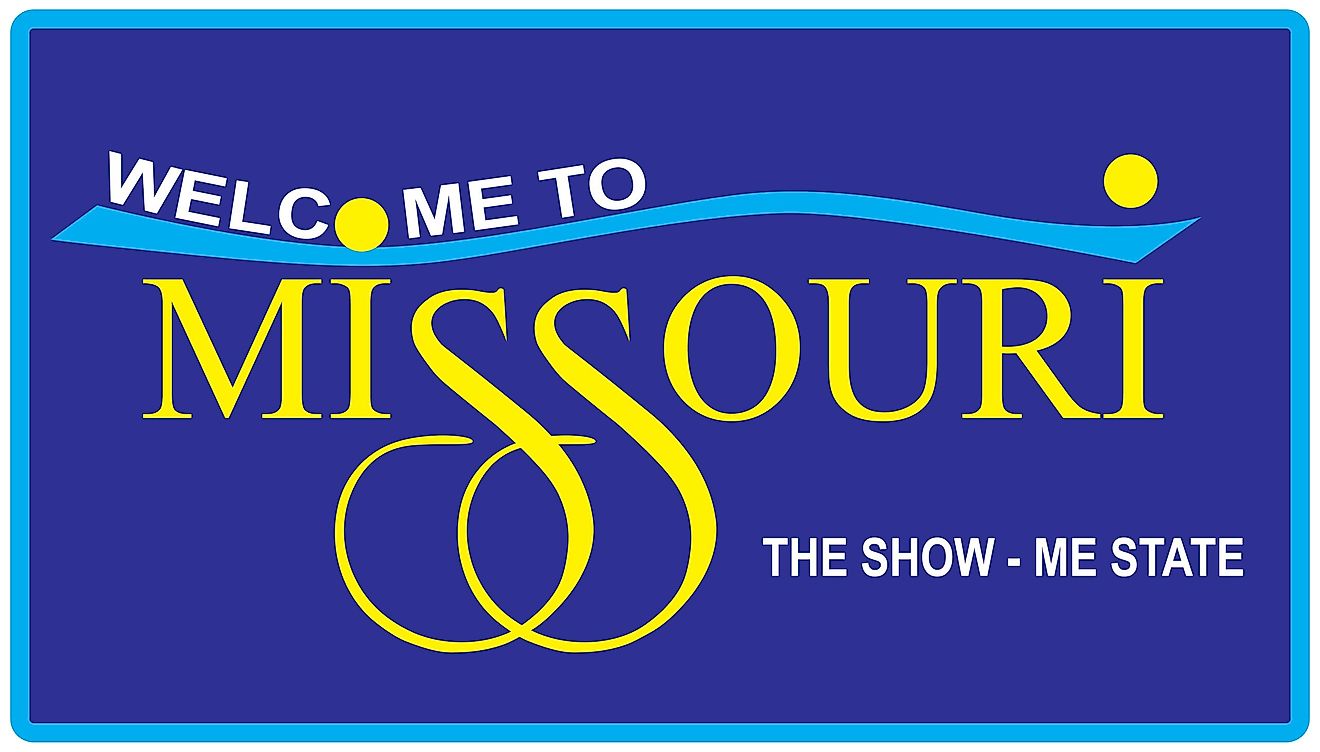
The question “What is the Show Me State in Missouri?” ultimately leads to a deeper understanding of the relationship between identity and truth. Whether applied to a Midwestern state, a multinational corporation, or an individual professional, the “Show Me” standard remains the most rigorous and rewarding approach to branding.
In a world saturated with noise and artificiality, the brands that survive are those that stop talking and start demonstrating. They understand that trust is not a permanent state but a continuous process of proving one’s value. By embracing the pragmatic, evidence-based spirit of Missouri’s famous nickname, brand strategists can move beyond “frothy eloquence” and build identities that are not only convincing but unshakable. The “Show Me” philosophy reminds us that in the end, the most powerful thing a brand can say is nothing at all—because its actions have already said it all.
aViewFromTheCave is a participant in the Amazon Services LLC Associates Program, an affiliate advertising program designed to provide a means for sites to earn advertising fees by advertising and linking to Amazon.com. Amazon, the Amazon logo, AmazonSupply, and the AmazonSupply logo are trademarks of Amazon.com, Inc. or its affiliates. As an Amazon Associate we earn affiliate commissions from qualifying purchases.