
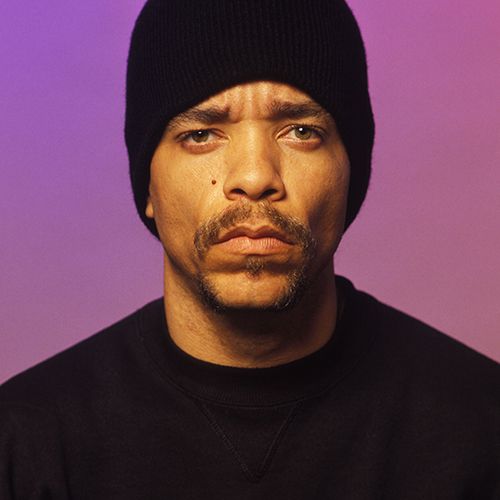
In the landscape of modern entertainment and media, few names carry as much weight, grit, and longevity as “Ice-T.” To the casual viewer of Law & Order: Special Victims Unit, he is Odafin “Fin” Tutuola, the street-smart detective. To a generation of music fans, he is the pioneer of gangster rap and the frontman of the heavy metal band Body Count. However, behind the cool exterior and the iconic stage name lies a strategic architect of identity.
The real name of Ice-T is Tracy Lauren Marrow. While the revelation of a celebrity’s birth name often serves as a mere trivia point, in the context of brand strategy and personal identity, Tracy Marrow’s transformation into Ice-T is a masterclass in how to build, pivot, and sustain a multi-decade global brand.

The Origin Story: Crafting an Identity from Necessity
Tracy Lauren Marrow was born in Newark, New Jersey, and later moved to Los Angeles. The transition from Tracy Marrow to Ice-T was not an overnight marketing gimmick; it was a curated evolution born out of his environment and his influences. Understanding how Marrow chose his moniker provides a fundamental lesson in personal branding: the power of association.
The Influence of Iceberg Slim
The name “Ice-T” was a direct tribute to Robert Beck, better known as Iceberg Slim, a reformed pimp and prolific author whose gritty narratives of street life captivated Marrow. By adopting a name that echoed his idol, Marrow was performing a classic branding maneuver—aligning himself with an established “vibe” or “aesthetic” while carving out his own niche. In the branding world, this is akin to a new tech startup adopting a naming convention that evokes the reliability of an industry titan while promising a fresh perspective.
Differentiation in a Crowded Market
When Marrow entered the burgeoning hip-hop scene of the 1980s, the market was rapidly becoming saturated. To stand out, a performer needed more than just skill; they needed a “hook.” The name Ice-T provided a sharp, memorable, and evocative brand identity. It was short, punchy, and carried an inherent sense of coolness and authority. For professionals today, the lesson is clear: your “brand name”—whether it is your actual name or a business entity—must be the first indicator of your value proposition.
The Anatomy of a Brand Pivot: From Outlaw to Officer
One of the most significant challenges in brand management is the “pivot.” How does a brand change its core offering without losing its original audience? Tracy Marrow’s career is perhaps the most successful example of a high-stakes pivot in entertainment history.
Navigating the Controversy
In the early 1990s, Ice-T was the face of controversy. His song “Cop Killer” with Body Count led to national debates, protests from police organizations, and even condemnation from the White House. At that moment, the “Ice-T” brand was synonymous with anti-authoritarianism.
However, branding is not static. Marrow understood that for his brand to survive the long term, it had to evolve. By the late 90s, he began transitioning into acting, eventually landing the role of a police officer on Law & Order: SVU.
Maintaining Brand Authenticity
The reason the public accepted Ice-T—the former “outlaw”—as a television detective was due to brand authenticity. He did not try to become a “clean-cut” version of himself. He brought the same gravelly voice, the same street-wise perspective, and the same “no-nonsense” persona to the role of Fin Tutuola that he had used in his rap career.
In corporate branding, this is known as “core competency leverage.” Even when the product changes (from music to television), the core values of the brand (authenticity, grit, and street authority) remain consistent. Tracy Marrow remained Tracy Marrow, even as the Ice-T brand expanded its portfolio.
Strategic Diversification: The Multi-Hyphenate Brand
In the digital age, a personal brand cannot afford to be one-dimensional. Tracy Marrow has treated the Ice-T name as a holding company for various sub-brands, ensuring that he is never dependent on a single revenue stream or medium.
The Power of Voice and Likeness
Beyond music and acting, Marrow has strategically licensed the “Ice-T” brand across multiple platforms:
- Gaming: Providing voice acting for major franchises like Gears of War and Grand Theft Auto.
- Commercials: Using his “tough guy” persona for comedic effect in ads for brands like GEICO and Tide.
- Podcasting: Directly engaging with fans through long-form audio content.
Each of these ventures reinforces the primary brand. When Marrow appears in a laundry detergent commercial, he isn’t diminishing his “gangster rap” legacy; he is humanizing the brand and making it accessible to a wider demographic. This is a classic “Brand Extension” strategy, moving from a niche market (hip-hop) to a mass market (network TV and national advertising) without eroding the brand’s premium value.
The “OG” Label as a Trademark
Ice-T is often credited with popularizing the term “OG” (Original Gangster). In branding terms, he effectively “owned” a category. By positioning himself as the elder statesman of his genre, Marrow ensured that his brand would never become “dated.” Instead, it became “classic.” This strategic positioning allows a brand to charge a premium for its history and expertise, much like a legacy luxury brand such as Rolex or Mercedes-Benz.
Lessons in Brand Longevity: Why Tracy Marrow Still Matters
The longevity of the Ice-T brand is no accident. It is the result of disciplined brand maintenance and an acute understanding of market trends.
Consistency Over Decades
A major pitfall for many personal brands is inconsistency. They chase trends, change their “look” too often, or lose their core message. Tracy Marrow has maintained a remarkably consistent public persona for over 40 years. Whether he is tweeting about social issues or appearing on a talk show, the “Ice-T” voice is unmistakable. For a brand, consistency equals trust. Customers (or fans) know exactly what they are going to get.
Owning the Narrative
In an era of “cancel culture” and rapid-fire social media cycles, Marrow has mastered the art of direct communication. By maintaining an active and unfiltered presence on platforms like X (formerly Twitter), he bypasses traditional media gatekeepers. He defends his brand, engages with his community, and controls the narrative surrounding his life and career. This direct-to-consumer approach is a vital component of modern brand strategy.
The Importance of Legal Protection
While “Ice-T” is the persona, the legal and financial structures behind Tracy Marrow are robust. Protecting a brand name through trademarks and intellectual property rights is essential. Marrow’s ability to navigate the legal complexities of the music industry—from owning his masters to controlling his likeness—highlights the “business” side of personal branding that is often overlooked.
Building Your Own “Ice-T” Strategy
The journey from Tracy Marrow to Ice-T offers actionable insights for anyone looking to build a resilient personal or corporate brand.
1. Identify Your “Iceberg Slim”
What are the influences that define your brand? Don’t be afraid to lean into the aesthetics and values of those who came before you, provided you add your unique “spin.”
2. Prepare for the Pivot
Your brand will eventually need to change. Whether it’s a career shift or a change in your company’s product line, ensure that your core values remain the same so that your audience follows you through the transition.
3. Diversify Your Presence
Don’t be a “one-platform” brand. Find ways to translate your core message across different mediums—be it video, writing, public speaking, or consulting.
4. Prioritize Authenticity
In a world of AI-generated content and highly polished PR, raw authenticity is a high-value currency. People don’t just buy products; they buy stories and personalities they can trust.
5. Think Long-Term
Tracy Marrow didn’t build Ice-T for a five-year run. He built it for a lifetime. When making brand decisions, ask yourself: “Will this move strengthen my brand ten years from now, or is it just a short-term gain?”

Conclusion: The Man and the Moniker
What is the real name of Ice-T? It is Tracy Lauren Marrow. But more importantly, Ice-T is a masterclass in the art of the name. It is a symbol of how a person can take their birth identity, refine it through the fires of experience and ambition, and forge a brand that is resilient enough to withstand controversy, versatile enough to dominate multiple industries, and strong enough to become a permanent fixture in the cultural zeitgeist.
Tracy Marrow didn’t just change his name; he built an empire on the foundation of a two-syllable moniker, proving that in the world of branding, who you are is important—but who you choose to become is everything.
aViewFromTheCave is a participant in the Amazon Services LLC Associates Program, an affiliate advertising program designed to provide a means for sites to earn advertising fees by advertising and linking to Amazon.com. Amazon, the Amazon logo, AmazonSupply, and the AmazonSupply logo are trademarks of Amazon.com, Inc. or its affiliates. As an Amazon Associate we earn affiliate commissions from qualifying purchases.