
In the hyper-competitive landscape of youth sports—an industry now valued at over $19 billion in the United States alone—the physical health of young athletes has become a significant variable in a complex financial equation. Among the various musculoskeletal challenges that can disrupt the return on investment (ROI) for families and athletic programs, Osgood-Schlatter disease stands out as a prevalent and economically impactful condition. While traditionally viewed through a purely clinical lens, Osgood-Schlatter is increasingly analyzed as a financial hurdle that affects household budgets, insurance premiums, and the burgeoning market for specialized orthopedic medical devices.

To understand Osgood-Schlatter from a fiscal perspective is to understand the intersection of adolescent growth cycles and the capital-intensive world of specialized athletic training. This condition, characterized by inflammation of the area just below the knee, primarily affects active adolescents during growth spurts. However, the true “cost” of the disease extends far beyond the physical discomfort of the patient, rippling through the medical billing sector and the multi-billion dollar recovery tech market.
The Economic Intersection of Adolescent Health and the Sports Industry
The modern sports landscape has shifted from recreational play to high-stakes specialization. This shift has turned childhood into a developmental phase where significant capital is deployed toward coaching, travel leagues, and equipment. When a condition like Osgood-Schlatter occurs, it acts as a disruptive force on these investments, leading to a direct loss of “active time” and requiring a reallocation of financial resources toward rehabilitation.
The “Pay-to-Play” Pipeline and Injury Disruption
For many families, the “pay-to-play” model involves monthly dues ranging from $200 to over $1,000. When an athlete is sidelined by Osgood-Schlatter, the financial commitment to these clubs often continues regardless of participation. This creates a “sunk cost” scenario where families are paying for development they cannot utilize. Furthermore, the specialized nature of today’s youth sports means that a six-month hiatus can lead to a loss in competitive positioning, potentially affecting future access to elite-tier programs that offer higher visibility for collegiate recruiters.
Direct Medical Costs: A Breakdown for the Modern Household
The diagnostic and treatment phase of Osgood-Schlatter contributes significantly to the pediatric orthopedic sector’s revenue. A typical journey begins with a primary care consultation, followed by a referral to an orthopedic specialist.
- Diagnostic Imaging: While often diagnosed through physical examination, many cases involve X-rays or even MRIs to rule out more severe fractures or abnormalities. In the private healthcare market, these imaging services can range from $300 to $2,500 depending on the provider and insurance coverage.
- Physical Therapy (PT): This is the cornerstone of Osgood-Schlatter management. A standard course of PT may involve two sessions per week for 8–12 weeks. With average co-pays or out-of-pocket costs ranging from $50 to $150 per session, the total expenditure quickly escalates into the thousands.
- Pharmacy and Supplies: Non-steroidal anti-inflammatory drugs (NSAIDs) and topical analgesics represent a recurring retail cost for families managing the condition over several months or years.
Market Opportunities in the Orthopedic Device Sector
The prevalence of Osgood-Schlatter among the millions of active teenagers worldwide has created a robust niche within the global orthopedic bracing and supports market. This market, which is projected to grow at a CAGR of over 5% through the next decade, relies heavily on high-volume, low-cost consumer goods designed for conditions that do not require invasive surgery.
Scaling Solutions: From Knee Straps to Wearable Bio-Feedback
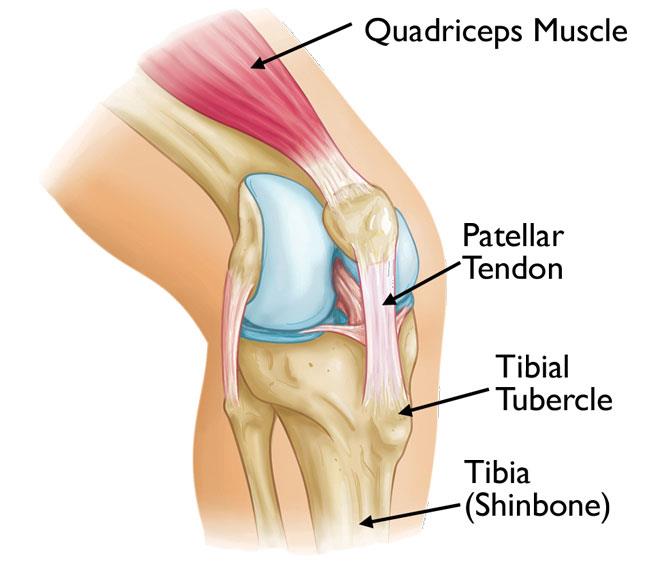
The primary consumer product for Osgood-Schlatter is the infrapatellar strap (or “Osgood-Schlatter brace”). These devices, which apply pressure to the patellar tendon, are sold at price points ranging from $15 to $60. While the per-unit cost is low, the sheer volume of the target demographic makes this a highly profitable segment for medical device companies like Bauerfeind, Mueller Sports Medicine, and DonJoy.
In recent years, we have seen a pivot toward “smart” orthopedic devices. Startups are currently developing wearable sensors that monitor the tension on the tibial tubercle during play. By integrating bio-feedback into the recovery process, these companies are tapping into the “Tech-Health” sector, charging premium subscription fees for data analytics that help parents and coaches determine exactly when an athlete is safe to return to the field.

Retail Trends in Preventative Athletic Gear
Beyond reactive bracing, Osgood-Schlatter has driven a trend in “preventative” retail. Footwear companies and insole manufacturers now market products specifically designed to reduce the mechanical load on the knee. The “pre-hab” market—selling equipment to prevent the condition before it occurs—is a growing frontier. Foam rollers, specialized stretching bands, and impact-absorbing insoles have become standard inventory for any youth athlete, representing a steady stream of revenue for sports conglomerates and niche health brands alike.
Financial Implications for Long-term Earning Potential
In the upper echelons of youth sports, an Osgood-Schlatter diagnosis is more than a medical nuisance; it is a risk factor in the “human capital” valuation of a young prospect. For those aiming for professional careers or athletic scholarships, the management of this condition can have six- or seven-figure implications.
The Scholarship Gamble: Risk vs. Reward
With the average cost of a four-year private college degree exceeding $200,000, an athletic scholarship is a major financial asset. Recruitment is a data-driven process. If an athlete’s performance metrics (speed, agility, vertical jump) are depressed during crucial recruiting years due to Osgood-Schlatter pain, the loss of scholarship offers becomes a tangible financial deficit. Families are increasingly willing to spend heavily on “accelerated recovery” protocols to ensure that the athlete is at peak performance during scouting windows.
Disability Insurance and the Professional Prospect
For elite “blue-chip” prospects, the threat of chronic knee issues—even those that usually resolve like Osgood-Schlatter—has led to an increase in the purchase of high-limit disability insurance policies. These financial instruments protect against the loss of future earnings. Insurance underwriters must assess the likelihood of the condition leading to more serious complications, such as a permanent prominence of the tibial tubercle or secondary tendon issues, which could lower a player’s draft stock or professional longevity.
The Digital Economy of Injury Management
The rise of the digital economy has transformed how Osgood-Schlatter is managed and monetized. We are seeing a shift away from traditional brick-and-mortar clinics toward decentralized, digital-first health solutions.
Content Monetization for Physical Therapy Clinics
Physical therapists and orthopedic surgeons are no longer limited to billing for in-person hours. By creating specialized digital content—such as “The Osgood-Schlatter Recovery Protocol” video series—clinicians are diversifying their income streams. These digital products, often sold for $49 to $199, offer high-margin revenue because they require zero incremental cost per new customer. This “Expert Economy” allows providers to reach a global audience of parents looking for cost-effective alternatives to expensive in-person PT sessions.
The Rise of Subscription-Based Recovery Apps
Mobile applications focused on youth athletic recovery are attracting significant venture capital. These apps use algorithms to guide users through exercises specifically designed to mitigate the symptoms of growth-related injuries. By charging monthly subscription fees, these platforms turn the management of Osgood-Schlatter into a recurring revenue model. For investors, this represents a scalable business opportunity within the broader “HealthTech” and “FinTech” integration space, as these apps often incorporate payment processing for telehealth consultations.
Strategic Capital Allocation for Athletic Performance and Health
As we look toward the future, the management of Osgood-Schlatter disease serves as a case study for the financialization of pediatric health. Parents and organizations must view the condition not just as a medical event, but as a portfolio risk that requires strategic capital allocation.
From a personal finance perspective, managing this condition effectively involves balancing the high costs of immediate “elite” care against the long-term potential of the athlete’s career. From a business perspective, the market for products and services that address Osgood-Schlatter will continue to expand as youth sports participation remains a high-priority expenditure for middle- and upper-class households.
Ultimately, the “business” of Osgood-Schlatter is about efficiency: the efficiency of recovery, the efficiency of spend, and the protection of future assets. In an era where every second on the field is indexed to future financial success, the way we fund the diagnosis, treatment, and prevention of this growth-related condition has become a vital component of the broader sports-economic ecosystem. Companies that can provide faster, cheaper, and more data-driven solutions to this common adolescent ailment will find themselves at the forefront of a lucrative and enduring market.
aViewFromTheCave is a participant in the Amazon Services LLC Associates Program, an affiliate advertising program designed to provide a means for sites to earn advertising fees by advertising and linking to Amazon.com. Amazon, the Amazon logo, AmazonSupply, and the AmazonSupply logo are trademarks of Amazon.com, Inc. or its affiliates. As an Amazon Associate we earn affiliate commissions from qualifying purchases.