
In the world of marketing and corporate strategy, a name is never just a label; it is an asset, a promise, and a repository of trust. When we ask “What is the most famous last name?”, we are not merely engaging in a genealogical exercise or a census count. From a brand perspective, we are identifying the most powerful intellectual property in existence. A last name that achieves global fame ceases to belong to a single family and begins to belong to the marketplace. Whether it is Ford, Disney, or Kardashian, the most famous last names are those that have successfully transitioned from personal identifiers into multi-billion-dollar brand ecosystems.
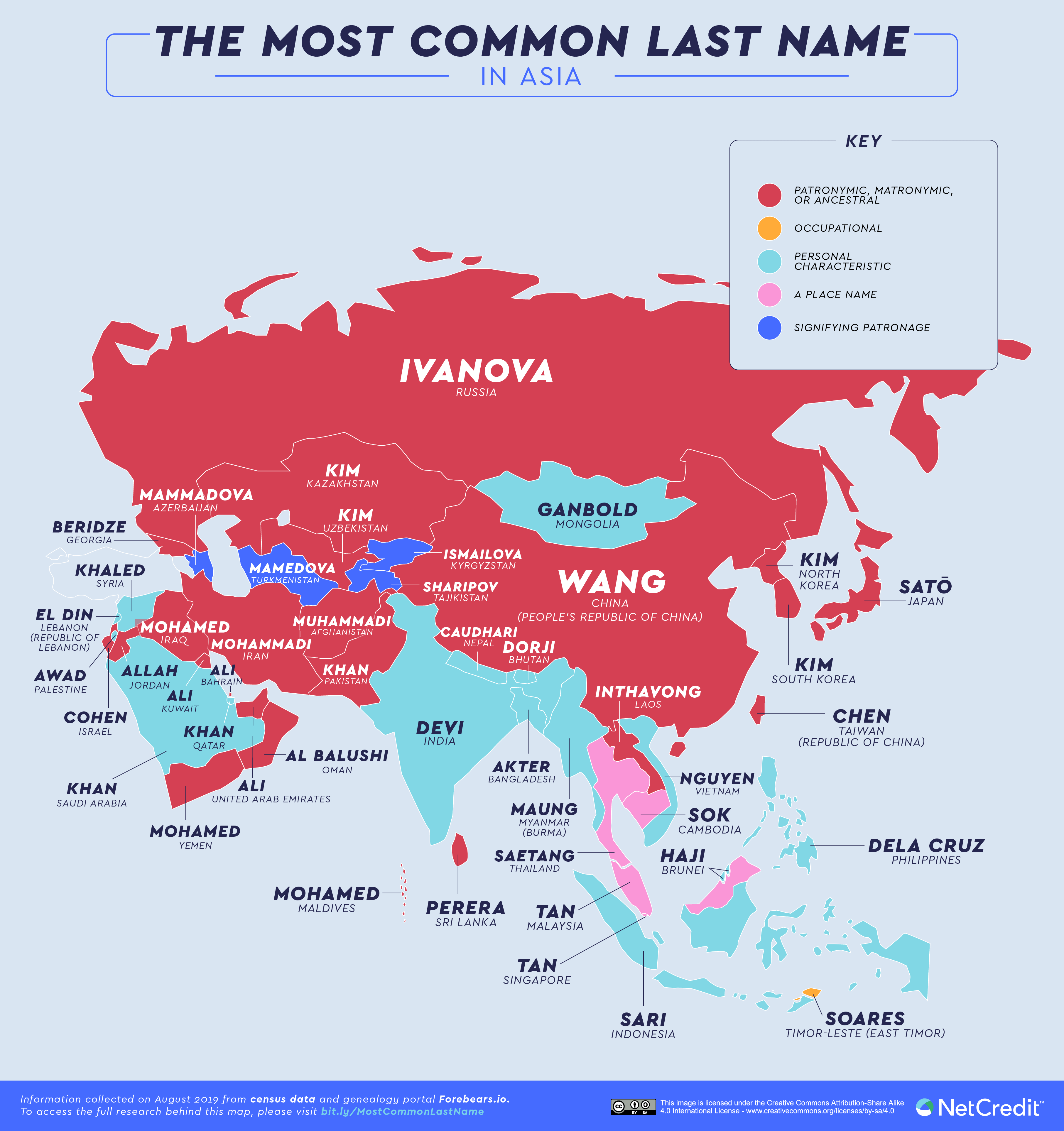
The transformation of a patronymic into a corporate identity is one of the most enduring strategies in business history. It leverages the human desire for accountability and the psychological “halo effect,” where the perceived qualities of an individual are transferred to the products they create. In the modern era, the most famous last name is defined by its brand equity, its reach across diverse industries, and its ability to command premium pricing.
The Surname as the Foundation of Corporate Identity
For centuries, the most direct way to establish a brand was to put one’s own name on the door. This was more than a matter of ego; it was a matter of liability and reputation. In the 19th and early 20th centuries, when industrialization was booming, consumers were moving away from local craftsmen toward mass-produced goods. To bridge the trust gap, founders used their last names to signal that they stood behind their products.
The Industrial Pioneers: Ford and Kellogg
Henry Ford did not just build cars; he built the “Ford” brand. Today, the name Ford is synonymous with the democratization of travel. By using his last name, Ford created a legacy that suggested reliability and personal oversight. Similarly, the Kellogg brothers transformed a simple breakfast grain into a household staple. These names became famous because they were printed on millions of boxes and bumpers, embedding themselves into the daily lives of global consumers. The “fame” of these names is rooted in ubiquity and the psychological comfort of a known entity.
The Luxury Tier: Ferrari, Gucci, and Hermès
In the luxury sector, a last name is the ultimate signifier of craftsmanship and exclusivity. When a customer buys a Ferrari, they are not just buying a high-performance vehicle; they are buying the legacy of Enzo Ferrari. In this niche, the last name functions as a pedigree. Brand strategy in luxury often involves “myth-making” around the founder’s surname, turning a human history into a legendary narrative of excellence. The name becomes a shorthand for a specific lifestyle, allowing the brand to expand into fragrances, apparel, and hospitality while maintaining its core identity.
Case Studies in Global Dominance: Names that Defined Industries
To determine the most famous last name, one must look at names that have achieved “generic trademark” status or have become so dominant that they define an entire sector. These names represent the pinnacle of brand strategy, where the person and the product are indistinguishable.
Disney: The Architecture of Imagination
Perhaps no last name is as universally recognized across age groups and cultures as Disney. Walt Disney’s last name has become the definitive brand for family entertainment. From a brand strategy perspective, the Disney name is a masterclass in “brand stretching.” It covers theme parks, streaming services, cruise lines, and film studios. The name carries such immense equity that it evokes a specific emotional response—nostalgia and wonder—regardless of the specific product. This is the hallmark of a world-class last name: it becomes an emotional shortcut for the consumer.
Rockefeller: The Brand of Wealth and Power
While not a consumer product in the same way as Disney, the name Rockefeller remains one of the most famous last names in the world of money and corporate identity. It serves as a brand for American capitalism and philanthropy. The strategy here was the transition from “Robber Baron” to “Great Benefactor.” The Rockefeller name illustrates how a surname can be rebranded over generations to signify institutional stability and social influence. It is a name that opens doors in every financial capital on earth.
Bloomberg: Information as an Identity
Michael Bloomberg’s last name has become the gold standard for financial data. In this case, the name represents accuracy, speed, and professional authority. When a trader “looks at the Bloomberg,” they are interacting with a brand that has positioned its founder’s name as the ultimate tool for the financial elite. The branding strategy here is one of high-utility and high-status, proving that a last name can dominate a niche tech and media market through sheer consistency.

Modern Personal Branding: From Family Name to Lifestyle Ecosystem
In the 21st century, the definition of a famous last name has shifted toward the “influencer-CEO” model. Names like Kardashian, Musk, and Hilton have demonstrated that a last name can be a platform for multiple, seemingly unrelated business ventures.
The Kardashian Effect: Monetizing the Moniker
The Kardashian name is perhaps the most scrutinized and successful example of modern personal branding. Unlike the industrial titans of old, the Kardashians did not start with a single physical product. Instead, they branded their lifestyle and their very name. By diversifying into beauty (SKKN), shapewear (SKIMS), and media, they have turned their last name into a massive funnel for consumer attention. The strategy is centered on “relatability at scale,” where the last name serves as the primary marketing vehicle for any venture they choose to launch.
Musk: The Name as a Disruptor
Elon Musk’s last name has become a brand that signifies the future. Whether it is electric vehicles (Tesla), space exploration (SpaceX), or neurotechnology (Neuralink), the Musk name acts as an umbrella for innovation and risk-taking. In this instance, the fame of the last name is tied to the personality of the founder, creating a “key man” brand dependency. While this carries risks, it also allows for an unprecedented level of earned media, as the name itself generates headlines and market movement.
The Strategic Choice: Should You Use Your Last Name for Your Brand?
For entrepreneurs and brand strategists, the decision to use a last name as a corporate identity is a critical one. It is a choice between the “Human Brand” and the “Conceptual Brand.”
The Benefits of Authenticity and Trust
Using a last name provides an immediate sense of authenticity. It tells the market that there is a real person behind the business. In an era of faceless corporations and AI-driven services, the human touch of a surname can be a powerful differentiator. It creates an emotional connection that “Global Tech Solutions” simply cannot match. For personal brands, consultants, and luxury artisans, the last name is often the most valuable asset they own.
The “Kate Spade” Trap: The Risks of Selling Your Identity
The primary danger of using a last name as a brand occurs during an exit or acquisition. When a founder sells their company, they often sell the rights to their own name. The case of the late Kate Spade is a cautionary tale in branding; after selling her namesake company, she no longer had the right to use her name on new fashion ventures. This creates a “brand paradox” where the person is separated from the identity they built. Strategists must weigh the immediate benefits of name-recognition against the long-term loss of control over their personal identity.
The Science of Brand Recognition: Why Some Names Stick
What makes a last name “famous” in the minds of billions? It is rarely an accident; it is the result of linguistic simplicity, cultural prestige, and repetitive exposure.
- Phonetic Simplicity: Names like Ford, Gates, or Jobs are short, punchy, and easy to pronounce across multiple languages. This “linguistic fluency” makes them easier for the brain to process and remember.
- The Halo Effect: If a name is associated with one successful venture, the public automatically assumes any other venture under that name will also be successful. This is why a “Trump” hotel or a “Virgin” airline (though Virgin is a conceptual brand, it is tied to Richard Branson) benefits from the founder’s existing fame.
- Cultural Alignment: The most famous last names often align with the dominant values of their era. In the 20th century, these were names associated with manufacturing and stability. In the 21st century, they are names associated with technology, celebrity, and disruption.

Conclusion: The Ultimate Trademark
The most famous last name in the world isn’t just a piece of data on a birth certificate; it is a global trademark that has successfully navigated the transition from person to institution. Whether it is the legacy of a 19th-century industrialist or the digital footprint of a modern influencer, these names represent the pinnacle of brand strategy. They prove that while products may become obsolete and technologies may change, a well-managed name can endure for centuries, carrying with it the weight of history, the promise of quality, and an unshakeable place in the global consciousness. In the end, the most famous last name is the one that has become a synonym for the very industry it helped to create.
aViewFromTheCave is a participant in the Amazon Services LLC Associates Program, an affiliate advertising program designed to provide a means for sites to earn advertising fees by advertising and linking to Amazon.com. Amazon, the Amazon logo, AmazonSupply, and the AmazonSupply logo are trademarks of Amazon.com, Inc. or its affiliates. As an Amazon Associate we earn affiliate commissions from qualifying purchases.