
In the modern landscape of global health, the intersection of epidemiology and advanced technology has become our most robust defense against zoonotic diseases. Among these, the Hantavirus—a severe respiratory disease primarily transmitted by rodents—remains a significant concern due to its rapid progression and high mortality rate. However, the conversation is no longer just about medical pathology; it is about the sophisticated technological ecosystem designed to identify, track, and mitigate the symptoms of this virus. From artificial intelligence and wearable biometrics to predictive modeling and high-speed diagnostic hardware, technology is redefining the timeline between infection and intervention.
The Role of AI and Machine Learning in Symptom Recognition
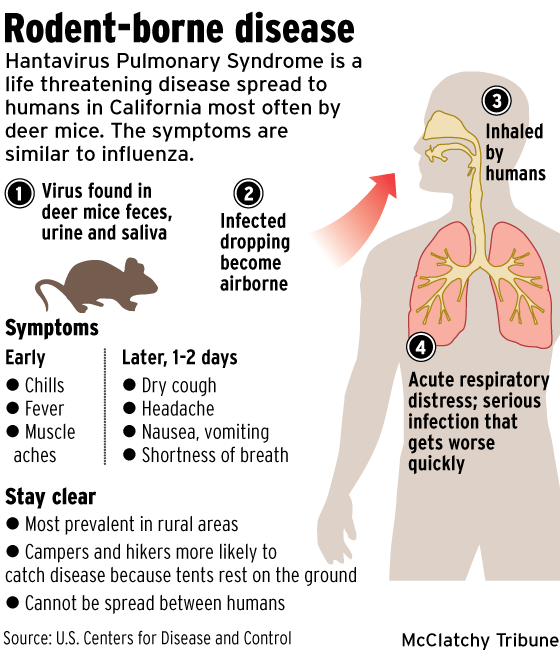
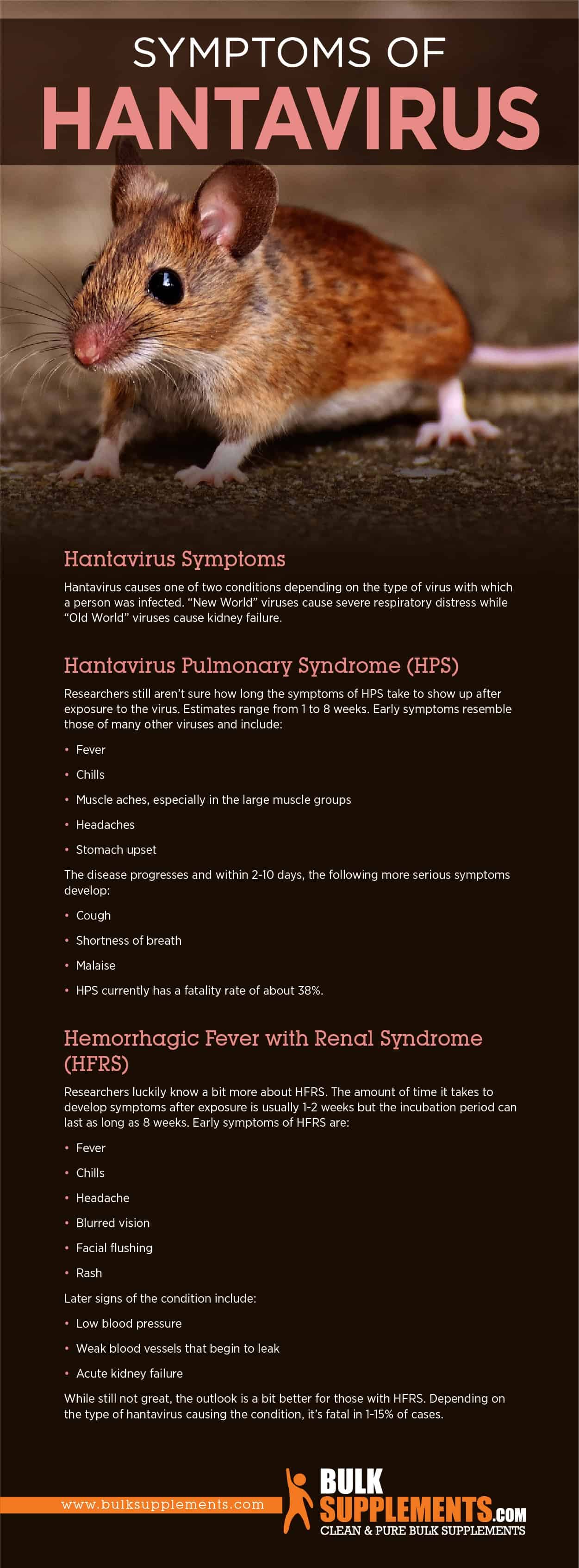
Identifying Hantavirus symptoms is notoriously difficult in the early stages because they often mimic the common flu. Early symptoms—including fatigue, fever, and muscle aches in the large muscle groups—are non-specific. This is where Artificial Intelligence (AI) and Machine Learning (ML) are making transformative strides.
Natural Language Processing in Digital Triage
Modern healthcare platforms now utilize Natural Language Processing (NLP) to power sophisticated triage chatbots. When a user inputs symptoms such as “persistent muscle aches in the thighs” or “sudden fatigue after cleaning an attic,” these AI models are trained on vast datasets of epidemiological records. Unlike a basic search engine, these tools use semantic analysis to differentiate between general malaise and the specific clinical presentation of Hantavirus Pulmonary Syndrome (HPS). By analyzing the geographic location of the user and correlating it with known rodent population surges, the AI can provide a risk-weighted recommendation for clinical testing.
Neural Networks and Diagnostic Accuracy
Deep learning neural networks are also being integrated into radiological software. As Hantavirus progresses to its later stages, symptoms manifest as coughing and shortness of breath, often leading to fluid accumulation in the lungs. AI-driven imaging software can analyze chest X-rays and CT scans with a level of granularity that assists radiologists in spotting the unique patterns of pulmonary edema associated with Hantavirus faster than ever before. This speed is critical; when symptoms transition from mild to severe, the window for supportive care narrows significantly.
Wearable Technology: A First Line of Defense Against Viral Proliferation
The rise of wearable technology has provided a continuous stream of biometric data that was previously inaccessible to medical professionals. Devices such as smartwatches, rings, and patches are now capable of monitoring the physiological precursors of Hantavirus symptoms before the patient even recognizes they are ill.
Continuous Thermometry and Heart Rate Variability
Fever is a hallmark symptom of Hantavirus. While a manual thermometer provides a snapshot in time, wearable sensors provide a longitudinal view of a user’s “basal” temperature. Algorithmic alerts can notify a user when their body temperature fluctuates even slightly above their personal norm, particularly when combined with a decrease in Heart Rate Variability (HRV). A sudden drop in HRV is often a digital signature of the body entering an inflammatory state. For individuals working in high-risk environments, such as agriculture or construction in rural areas, this technological early-warning system is invaluable.
Blood Oxygen Saturation (SpO2) Monitoring
As Hantavirus progresses into the pulmonary stage, the lungs begin to fill with fluid, leading to a precipitous drop in blood oxygen levels. Modern wearables equipped with pulse oximetry sensors can track SpO2 levels during sleep and throughout the day. In the context of Hantavirus, a “silent hypoxia” can occur where the patient’s oxygen levels drop before they feel significant respiratory distress. Tech-enabled monitoring allows for a proactive rather than reactive approach, alerting the user to seek emergency care before the onset of total respiratory failure.
Bio-Surveillance: Satellite Imagery and Predictive Algorithmic Mapping
One of the most powerful technological tools in the fight against Hantavirus is the use of big data and bio-surveillance to predict where symptoms are likely to appear next. Since Hantavirus is linked to rodent populations, technology allows us to monitor the environment to predict outbreaks.
Geographic Information Systems (GIS) and Climate Data
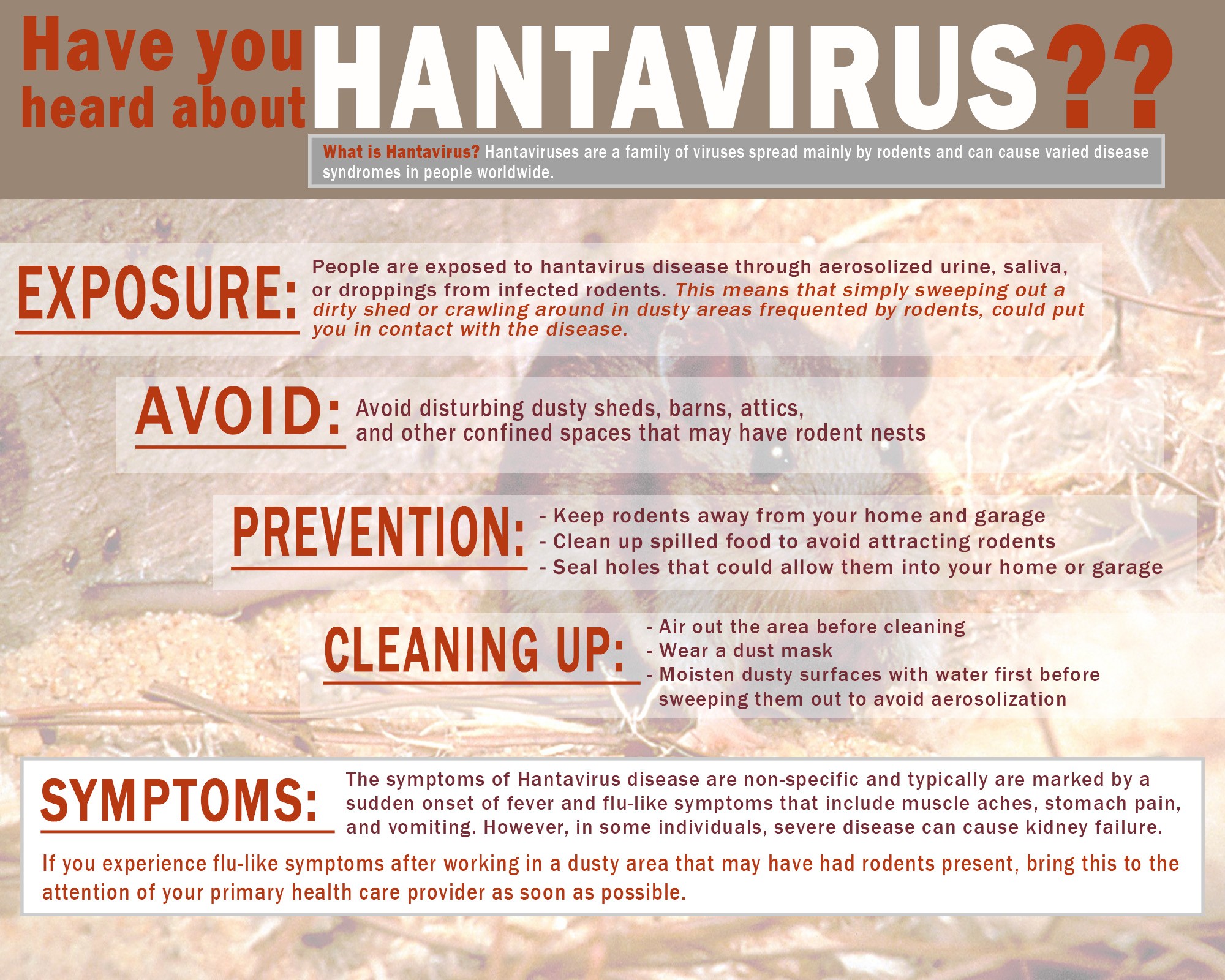
Researchers use Geographic Information Systems (GIS) to overlay climate data with historical outbreak maps. Increased rainfall often leads to a boom in vegetation, which in turn leads to a surge in the deer mouse population—the primary carrier of the Sin Nombre strain of Hantavirus. By using satellite imagery to track “greenness” or vegetation density (NDVI), data scientists can create heat maps of high-risk zones. This “digital twin” of the environment allows public health tech platforms to push localized notifications to mobile devices in specific zip codes, advising residents on symptom awareness and preventive measures.
IoT and Remote Rodent Monitoring
The Internet of Things (IoT) has also entered the arena of pest control and disease prevention. “Smart” traps equipped with cellular connectivity allow for real-time monitoring of rodent activity in warehouses and rural outbuildings. Instead of manual inspections, these devices feed data into a centralized cloud platform. A spike in rodent captures in a specific region triggers a digital alert for health officials to increase public awareness of Hantavirus symptoms in that area, effectively using hardware to bridge the gap between environmental monitoring and human health.
Next-Generation Diagnostic Hardware and the Future of Point-of-Care Testing
Once symptoms are identified, the speed of laboratory confirmation is the next technological hurdle. Historically, Hantavirus testing required sending samples to specialized biosafety level laboratories, a process that could take days. New hardware innovations are bringing the lab to the patient.
Lab-on-a-Chip and Microfluidics
The development of “lab-on-a-chip” technology is a game-changer for rural areas where Hantavirus is most prevalent. These portable devices use microfluidics to process blood samples and identify viral RNA or antibodies. By integrating CRISPR-based diagnostic tools onto a handheld digital platform, healthcare providers can confirm a Hantavirus diagnosis in under an hour. This rapid hardware allows for immediate isolation and the commencement of intensive supportive therapy, which is the only current treatment for the virus.
Cloud-Integrated Diagnostic Platforms
The newest generation of diagnostic machines is fully integrated with the cloud. When a positive Hantavirus case is detected through a digital assay, the result is automatically and securely transmitted to public health databases via encrypted APIs. This real-time data synchronization ensures that there is no lag in the national response. It allows epidemiologists to see the “digital footprint” of the virus in real-time, facilitating better resource allocation—such as deploying ventilators or specialized medical teams—to the specific geographic location where symptoms are being reported.
Digital Security and Information Integrity in Health Tech
In an era of digital misinformation, technology plays a crucial role in ensuring that the information regarding Hantavirus symptoms is accurate and accessible. The digital security of health data is also paramount as we move toward more integrated monitoring systems.
Blockchain for Secure Patient Records
As we utilize more wearable data and cloud-based diagnostics, the security of patient information becomes a primary concern. Blockchain technology is being explored as a method to secure medical records, ensuring that a patient’s symptomatic history is immutable and accessible only by authorized personnel. This ensures that in the event of an outbreak, medical history—including previous exposures and pre-existing conditions—is available to emergency responders instantly and securely.
Algorithmic Content Moderation and Verified Information
During localized outbreaks, social media platforms and search engines use specialized algorithms to prioritize verified medical information from organizations like the CDC and WHO. By de-ranking “noise” and elevating evidence-based descriptions of Hantavirus symptoms, technology acts as a filter that prevents panic and ensures that high-risk individuals receive the correct guidance on when to seek medical intervention.
Conclusion: The Synchronized Digital Defense
The battle against Hantavirus is no longer a purely biological one; it is a data-driven endeavor. By leveraging the power of AI to interpret non-specific symptoms, using wearables to provide real-time biometric feedback, and utilizing satellite data to predict environmental risks, we have created a technological shield. As these tools become more integrated and accessible, our ability to identify the Hantavirus symptoms early and respond with precision will continue to improve, saving lives through the seamless application of modern digital innovation.
aViewFromTheCave is a participant in the Amazon Services LLC Associates Program, an affiliate advertising program designed to provide a means for sites to earn advertising fees by advertising and linking to Amazon.com. Amazon, the Amazon logo, AmazonSupply, and the AmazonSupply logo are trademarks of Amazon.com, Inc. or its affiliates. As an Amazon Associate we earn affiliate commissions from qualifying purchases.