
In the competitive landscape of modern storytelling, brand strategists and marketing executives are increasingly turning to classic literary frameworks to create deeper emotional resonance with their audiences. Among these frameworks, the Gothic genre stands as one of the most potent, yet underutilized, tools for building a sophisticated brand identity. While often misunderstood as mere horror, the Gothic genre in literature is a complex narrative architecture that blends elements of romance, mystery, and the sublime. Understanding its mechanics allows a brand to move beyond transactional relationships and into the realm of high-stakes narrative positioning.
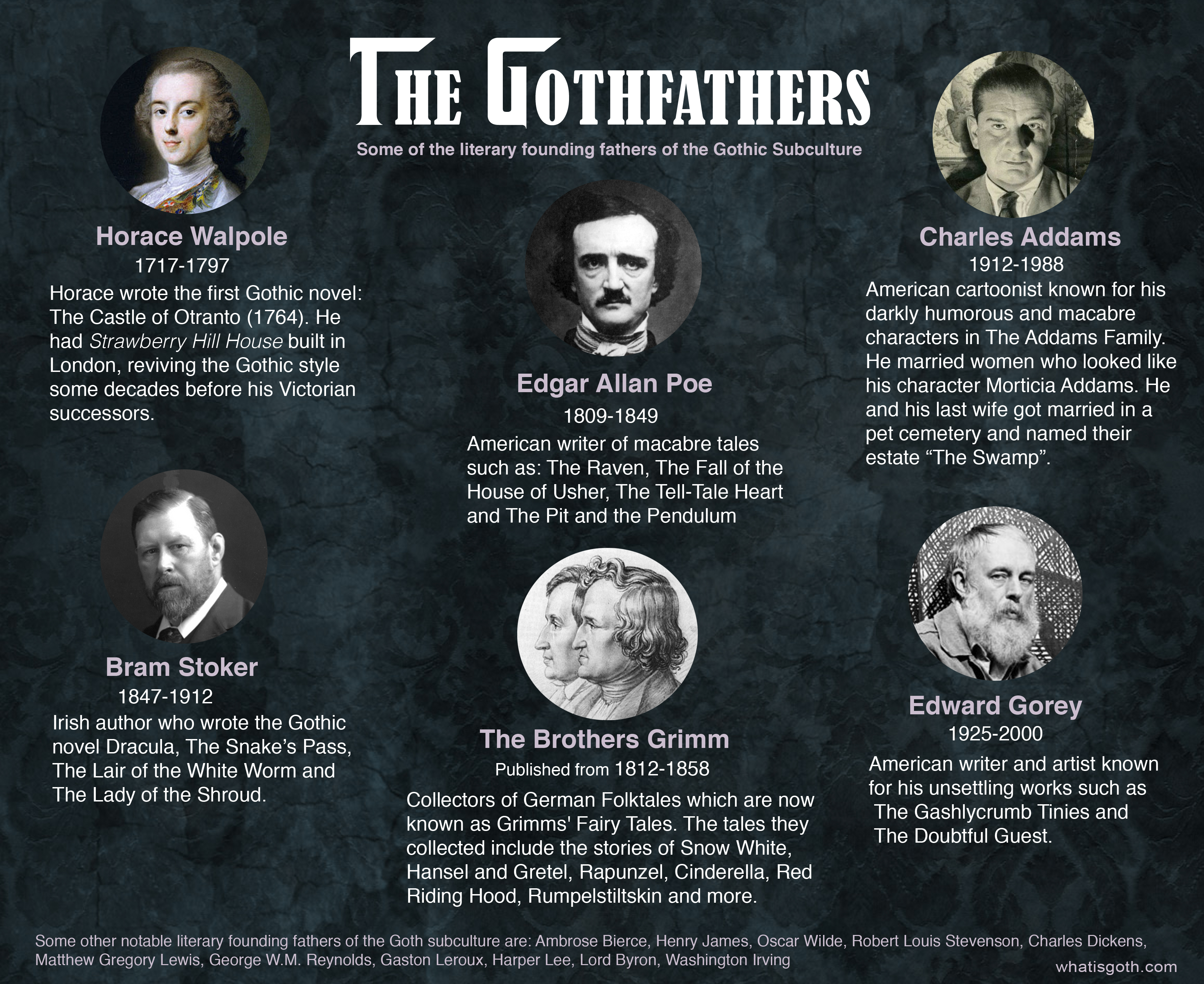
At its core, the Gothic genre is defined by a sense of atmosphere and the tension between the past and the present. It originated in the mid-18th century with Horace Walpole’s The Castle of Otranto and evolved through the works of Ann Radcliffe, Mary Shelley, and Edgar Allan Poe. For a corporate identity or personal brand, the Gothic offers a blueprint for creating “Atmospheric Marketing”—a strategy that leverages mystery and emotional gravity to command attention in a crowded digital marketplace.
The Narrative Architecture of the Gothic: Frameworks for Brand Resonance
To effectively apply Gothic principles to brand strategy, one must first deconstruct the genre’s literary pillars. The Gothic is not defined by its monsters, but by its moods. In literature, these moods are crafted through specific structural choices that can be mirrored in corporate communication.
Atmosphere and the “Sense of Place”
In Gothic literature, the setting is never just a backdrop; it is a character. Whether it is a crumbling abbey or a sprawling Victorian manor, the environment dictates the emotional state of the protagonist. In branding, this translates to the creation of an immersive “Brand World.” A brand that masters the Gothic genre focuses heavily on the environmental cues of its digital and physical presence. This involves a shift from minimalist, “friendly” design to high-contrast, moody aesthetics that suggest a world with history and secrets. By creating an atmosphere of exclusivity and depth, a brand can foster a sense of discovery for the consumer.
The Power of the “Uncanny”
Sigmund Freud’s concept of the unheimlich, or the uncanny, is a staple of Gothic fiction. It describes something that is simultaneously familiar and foreign, creating a cognitive dissonance that is impossible to ignore. In brand strategy, the uncanny can be used to disrupt market expectations. When a brand takes a familiar product category and introduces an element of the strange or the avant-garde, it triggers the same psychological engagement found in Gothic novels. This “familiar-yet-strange” approach is essential for disruptive innovation and for brands looking to establish themselves as thought leaders in saturated industries.
The “Sublime” in Brand Strategy: Moving Beyond the Mundane
One of the most critical elements of the Gothic genre is the concept of the “Sublime.” Introduced to the literary world by philosophers like Edmund Burke, the Sublime refers to a feeling of overwhelming grandeur that is both terrifying and beautiful. It is the sensation of standing on the edge of a cliff or looking at a vast, dark ocean.
Elevating the Consumer Experience
For a brand, tapping into the Sublime means moving beyond the “utility” of a product and into the “experience” of the brand. Luxury brands frequently use this Gothic trope. They do not merely sell a watch or a handbag; they sell a connection to something vast, ancient, and slightly intimidating. This strategy shifts the power dynamic between the brand and the consumer. Rather than the brand pleading for the consumer’s attention, the brand presents itself as a monumental entity that the consumer is privileged to interact with.
The Tension of Mystery
Gothic literature thrives on the “slow reveal.” Unlike modern action narratives that favor immediate gratification, the Gothic builds tension through withheld information. In marketing, this is the strategy of “Strategic Obscurity.” By not revealing everything at once—whether through cryptic social media teasers or tiered product launches—a brand can generate a level of curiosity that more transparent marketing cannot match. This mystery creates a vacuum that the consumer’s imagination rushes to fill, leading to higher levels of brand obsession and loyalty.
Building Brand Heritage Through the Gothic Lens of the Past
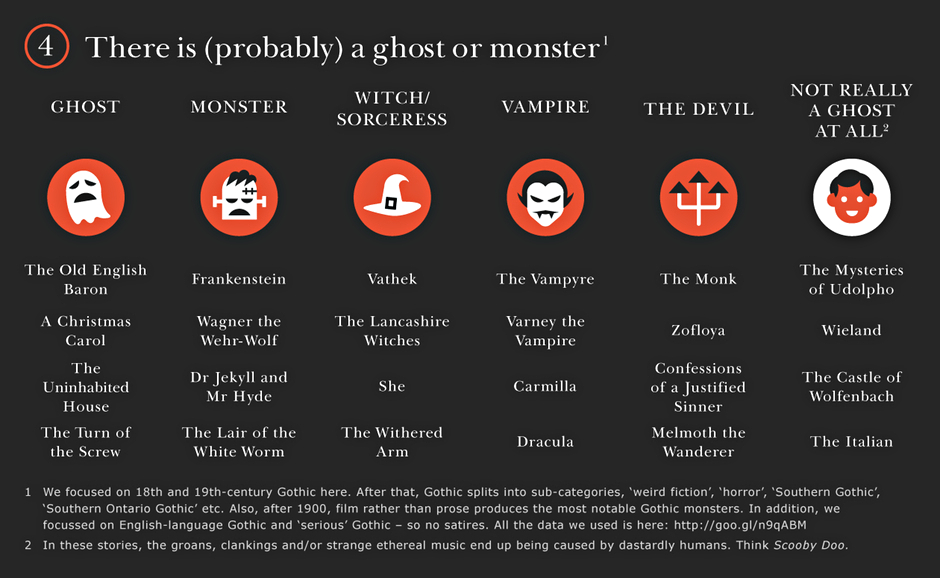
A defining characteristic of the Gothic genre is its obsession with the past. Gothic stories often involve a “return of the repressed,” where ancient secrets or ancestral curses come back to haunt the present. In the context of corporate identity, this literary device is a powerful tool for establishing heritage and longevity.
Reclaiming Legacy and Narrative Depth
Brands that lack a long history can use Gothic storytelling techniques to “manufacture” a sense of legacy. This is not about being dishonest, but about leaning into the aesthetics of timelessness. By focusing on craftsmanship, traditional materials, and “old-world” values, a brand can position itself as a bulwark against the fleeting nature of modern trends. The Gothic genre teaches us that the past has weight. A brand that feels “heavy” with history—even if that history is newly minted—commands a higher price point and greater respect in the marketplace.
The “Ruin” as a Strategic Aesthetic
The image of the ruin is a recurring motif in Gothic literature, symbolizing the inevitable passage of time and the beauty in decay. In modern brand design, this translates to the “Industrial Gothic” or “Wabi-Sabi” aesthetic, where imperfections are celebrated. Brands that embrace this—such as those in the artisanal spirits or high-fashion sectors—use it to communicate authenticity. In an era of plastic perfection and AI-generated sterility, the Gothic focus on the organic, the aged, and the slightly weathered provides a humanizing counterpoint that resonates with consumers seeking “real” experiences.
Archetypes and the Gothic Persona: The Byronic Hero in Marketing
The Gothic genre introduced the world to the Byronic Hero—a character who is moody, isolated, intellectual, and slightly dangerous. Think of Rochester in Jane Eyre or Heathcliff in Wuthering Heights. This archetype is a goldmine for personal branding and corporate persona development.
Moving Away from the “Perfect” Brand
Most brands strive to be the “Everyman” or the “Hero” archetypes—friendly, helpful, and flawless. However, the Gothic genre suggests that there is immense power in being the “Anti-Hero.” A brand that admits its complexities, its dark side, or its refusal to cater to everyone can develop a cult-like following. This is the strategy of the “Challenger Brand.” By positioning itself as an outsider or a rebel with a dark edge, a brand can attract a loyal base of consumers who also feel like outsiders.
Emotional Intensity and Vulnerability
Gothic literature is characterized by high emotional stakes. Nothing is lukewarm. For a brand, this means moving away from “safe” messaging and toward “bold” stances. Gothic storytelling encourages brands to lean into the primal emotions of their audience—fear of missing out, the desire for status, and the need for belonging. By injecting a sense of Gothic drama into brand communications, companies can create a narrative that feels vital and urgent rather than optional and commodity-driven.
Implementing Gothic Strategy: A Roadmap for High-Stakes Branding
To successfully integrate the Gothic genre into a brand strategy, the execution must be disciplined. It is not enough to simply use dark colors or dramatic fonts; the principles must be woven into the very fabric of the brand’s identity and customer journey.
Visual Identity and Digital Experience
The visual language of the Gothic involves a careful balance of shadow and light (chiaroscuro). In digital design, this means utilizing negative space to create a sense of vastness. Typography should lean toward the serif or the customized, suggesting a human hand or an ancient press. The user experience (UX) should feel like an exploration through a storied environment, where each click reveals a new layer of the brand’s narrative.

Content Strategy and Voice
The brand’s voice should be sophisticated, evocative, and slightly formal. It should avoid the “cheerful” tone common in modern SaaS or consumer goods marketing. Instead, it should aim for the tone of a narrator in a Gothic novel—knowledgeable, perhaps a bit weary, but deeply observant. This voice builds trust because it feels more mature and grounded than the hyper-energetic tone of typical advertisements.
By mastering the Gothic genre, a brand does more than sell a product; it tells a story that transcends time. It creates a space where the consumer is not just a buyer, but a participant in a grand, mysterious, and emotionally resonant narrative. In the modern economy, where attention is the most valuable currency, the Gothic genre offers the most effective vault for securing it.
aViewFromTheCave is a participant in the Amazon Services LLC Associates Program, an affiliate advertising program designed to provide a means for sites to earn advertising fees by advertising and linking to Amazon.com. Amazon, the Amazon logo, AmazonSupply, and the AmazonSupply logo are trademarks of Amazon.com, Inc. or its affiliates. As an Amazon Associate we earn affiliate commissions from qualifying purchases.