
In the landscape of modern personal finance and global healthcare logistics, the act of giving blood has evolved from a purely altruistic gesture into a sophisticated economic ecosystem. While the physiological benefits and life-saving impacts are well-documented, the financial criteria and business frameworks surrounding blood and plasma donation represent a multi-billion dollar sector of the bio-economy. For those looking at blood donation through the lens of personal finance, side hustles, or corporate investment, understanding the criteria for participation is essential for navigating this specialized market.
The Economics of Plasma: A New Frontier for Side Hustlers
For many individuals, particularly in North America, the “criteria for giving blood” is a phrase often associated with the burgeoning side hustle of plasma donation. Unlike standard whole blood donation, which is largely volunteer-based in many jurisdictions, plasma donation is a cornerstone of the commercial pharmaceutical industry. From a personal finance perspective, plasma donation represents one of the few ways individuals can consistently monetize biological assets.

Financial Eligibility and the ROI of Donation
The primary criteria for entering this niche income stream involve a rigorous intersection of health metrics and legal compliance. To qualify for the financial incentives offered by major collection firms, a donor must meet specific physical benchmarks—typically involving weight, age, and a clean bill of health regarding transmissible diseases. From a financial standpoint, these criteria serve as a “barrier to entry” for the side hustle.
The return on investment (ROI) for a plasma donor is measured in time. A typical session lasts between 60 and 90 minutes. When evaluating this as a side hustle, savvy donors calculate their “hourly rate” by including travel time and the recovery period. Most centers offer tiered payment structures where the criteria for higher payouts often depend on the frequency of visits. Monthly earnings can range from $400 to $800, making it a competitive alternative to traditional gig economy roles like food delivery or ridesharing, particularly as it requires no overhead costs like fuel or vehicle maintenance.
Scaling Your Side Income Through Frequent Donation
Consistency is the most critical financial criterion for those using donation as a steady revenue stream. Plasma centers often structure their bonuses around the eighth or tenth donation in a calendar month. Therefore, the financial “criteria” for success in this area involve meticulous scheduling and health maintenance to ensure no sessions are missed due to low iron levels or dehydration. In the realm of personal finance, this is a lesson in asset management: maintaining the “machinery” (the body) to ensure the “production” (the plasma) remains consistent.
Corporate Finance: The Business of Blood Logistics and Fractionation
Beyond the individual donor, the criteria for giving blood are dictated by the rigorous financial and regulatory demands of the global medical supply chain. The industry, often referred to as the “fractionation” market, is a complex web of collection centers, logistics providers, and pharmaceutical giants.
Revenue Streams in the Multi-Billion Dollar Blood Market
The global market for blood and blood-derived products is projected to exceed $25 billion by the end of the decade. The revenue model is built on the transformation of raw blood and plasma into life-saving therapies such as immunoglobulins, albumin, and clotting factors. The “criteria” here shift from individual health to industrial efficiency.
Companies must adhere to strict cost-per-liter benchmarks. The financial viability of a collection center depends on its ability to process a high volume of donors while maintaining a low “deferral rate.” A deferral occurs when a donor fails to meet the health criteria, resulting in a sunk cost for the center in terms of screening time and supplies without a corresponding asset to sell. Thus, the business finance of blood banks focuses heavily on predictive analytics to target demographics that are most likely to meet the medical and legal criteria for successful donation.
Cost Management in Collection and Storage Infrastructure
Operating a blood or plasma collection network involves significant capital expenditure. The criteria for a successful business model in this sector include high-tech cold chain logistics and specialized storage facilities. Blood products are highly perishable assets. The financial risk of a power failure or a breach in the supply chain is immense.
Investors looking at this sector evaluate companies based on their infrastructure’s resilience and their ability to navigate the varying regulatory criteria across different international markets. For instance, the criteria for “paid” vs. “unpaid” donation vary significantly between the United States and Europe, creating distinct financial landscapes and profit margins for multinational healthcare corporations.
Investing in the Hematology Sector: Trends and Growth Opportunities
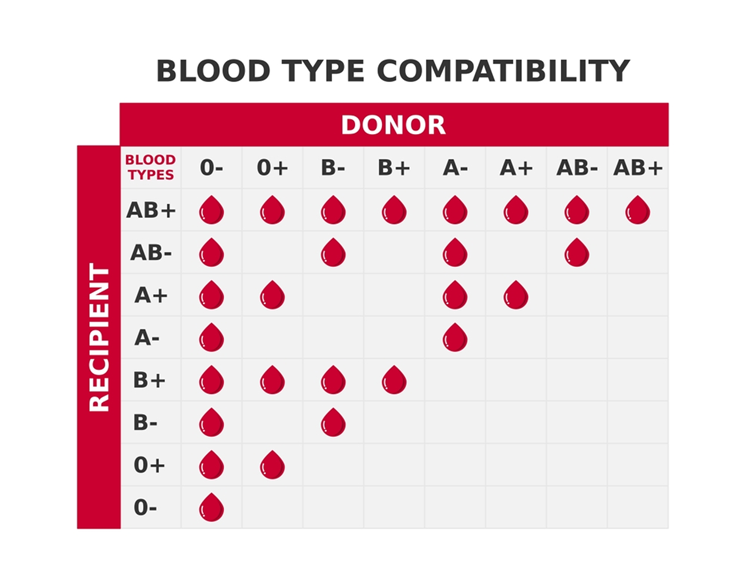
As the demand for rare-disease treatments grows, the hematology sector has become a focal point for institutional investors. The “criteria” for a successful investment in this space often hinge on a company’s ability to secure a stable supply of raw material—blood and plasma.
Biotech Stocks and the Vital Fluid Market
Publicly traded companies that specialize in blood products are often seen as defensive plays in a volatile market. Because the demand for these products is relatively inelastic—patients with hemophilia or primary immunodeficiency require these treatments regardless of economic conditions—the stocks often show resilience during downturns.
When evaluating these stocks, the criteria for “buy” or “sell” signals often revolve around FDA approvals and the expansion of collection networks. A company that can lower its “acquisition cost” per donor while expanding its reach into new geographical markets is typically positioned for long-term growth. Furthermore, the development of synthetic alternatives to blood products is a major technological disruptor that investors must monitor, as it could shift the criteria for the entire industry’s valuation.
Emerging Markets and Global Supply Chain Finance
The financial criteria for expanding the blood industry into emerging markets involve navigating complex ethical and economic hurdles. As developing nations increase their healthcare spending, the demand for sophisticated blood products rises. This creates a massive opportunity for business finance experts to structure public-private partnerships. The goal is to establish collection centers that meet international quality criteria while remaining financially sustainable within a local economic context. This often involves innovative financing models, such as “impact investing,” where the primary goal is to improve healthcare outcomes while still providing a steady financial return for stakeholders.
Financial Tools and Apps for Tracking Donor Incentives
In the digital age, the intersection of fintech and bio-assets has led to the development of specialized tools designed to help donors manage their earnings. For those who view the criteria for giving blood as a financial opportunity, these tools are indispensable for maximizing the yield of their “biological investment.”
Digital Wallets and Instant Payout Systems
The days of receiving a paper check for plasma donation are largely over. Most commercial centers now utilize branded debit cards or digital wallets. These systems provide instant liquidity, which is a major draw for individuals using donation as a bridge to cover immediate expenses like groceries or utility bills.
From a financial tool perspective, these platforms are becoming increasingly sophisticated. Some now offer budgeting features, cashback rewards at partner retailers, and the ability to transfer funds directly to high-yield savings accounts. The “criteria” for choosing a donation center can sometimes be influenced by the quality of the financial platform they provide to their donors, highlighting the growing importance of user experience in the bio-economy.
Budgeting and Tax Considerations for Plasma Income
As with any side hustle, the income generated from meeting the criteria for blood or plasma donation has tax implications. While many donors view the money as a “reimbursement” for their time, the IRS and other tax authorities may view it as taxable income if it exceeds certain thresholds.
Financial planning for donors involves tracking these earnings throughout the fiscal year. Professional donors—those who maximize their visits to hit the top incentive tiers—often use accounting software to categorize this income. Understanding the tax criteria is essential to ensure that the “profit” from donation isn’t eroded by unexpected liabilities. Furthermore, for those aiming for long-term financial health, automating the transfer of donation income into an IRA or a brokerage account is a powerful way to turn a physical asset into a long-term financial one.
The Future of Bio-Financial Assets
The criteria for giving blood will likely continue to evolve as technology and finance become more deeply integrated. We are moving toward a future where “bio-identity” and financial profiles are increasingly linked.
Blockchain technology, for example, is being explored as a way to track the journey of a blood unit from donor to recipient. This would create an immutable record, ensuring that the rigorous criteria for safety and quality are met at every step of the supply chain. From an investment perspective, this transparency reduces risk and increases the value of the asset.
Ultimately, whether you are an individual donor looking for a reliable side hustle, a business owner managing a logistics network, or an investor seeking growth in the biotech sector, the “criteria for giving blood” is the foundational rulebook for a vital and profitable global industry. Understanding the financial nuances of this sector is not just about healthcare; it is about recognizing the value of the most precious resource on the planet and the complex systems that manage its flow through the global economy.
aViewFromTheCave is a participant in the Amazon Services LLC Associates Program, an affiliate advertising program designed to provide a means for sites to earn advertising fees by advertising and linking to Amazon.com. Amazon, the Amazon logo, AmazonSupply, and the AmazonSupply logo are trademarks of Amazon.com, Inc. or its affiliates. As an Amazon Associate we earn affiliate commissions from qualifying purchases.