
In the landscape of global commerce, few names evoke as much immediate visual and emotional recognition as Converse. To ask “what is the Converse” is to look beyond a simple canvas sneaker and delve into a masterclass in brand strategy, cultural adaptation, and enduring corporate identity. For over a century, the brand has navigated the transition from a specialized rubber shoe company to a multi-billion-dollar subsidiary of Nike, all while maintaining a “cool” factor that transcends generations.
The essence of the Converse brand lies in its ability to remain consistent in its core product while allowing its audience to define its meaning. This unique positioning—where the brand provides the canvas and the consumer provides the soul—is the cornerstone of its marketing success and its permanent fixture in the annals of brand history.
The Genesis of an Iconic Brand Identity
The story of Converse is a narrative of functional design meeting serendipitous cultural timing. Founded in 1908 by Marquis Mills Converse, the Converse Rubber Shoe Company initially focused on winterized footwear. However, the strategic pivot to athletic shoes, specifically the creation of the All Star basketball shoe in 1917, redefined the brand’s trajectory.
The Role of Chuck Taylor
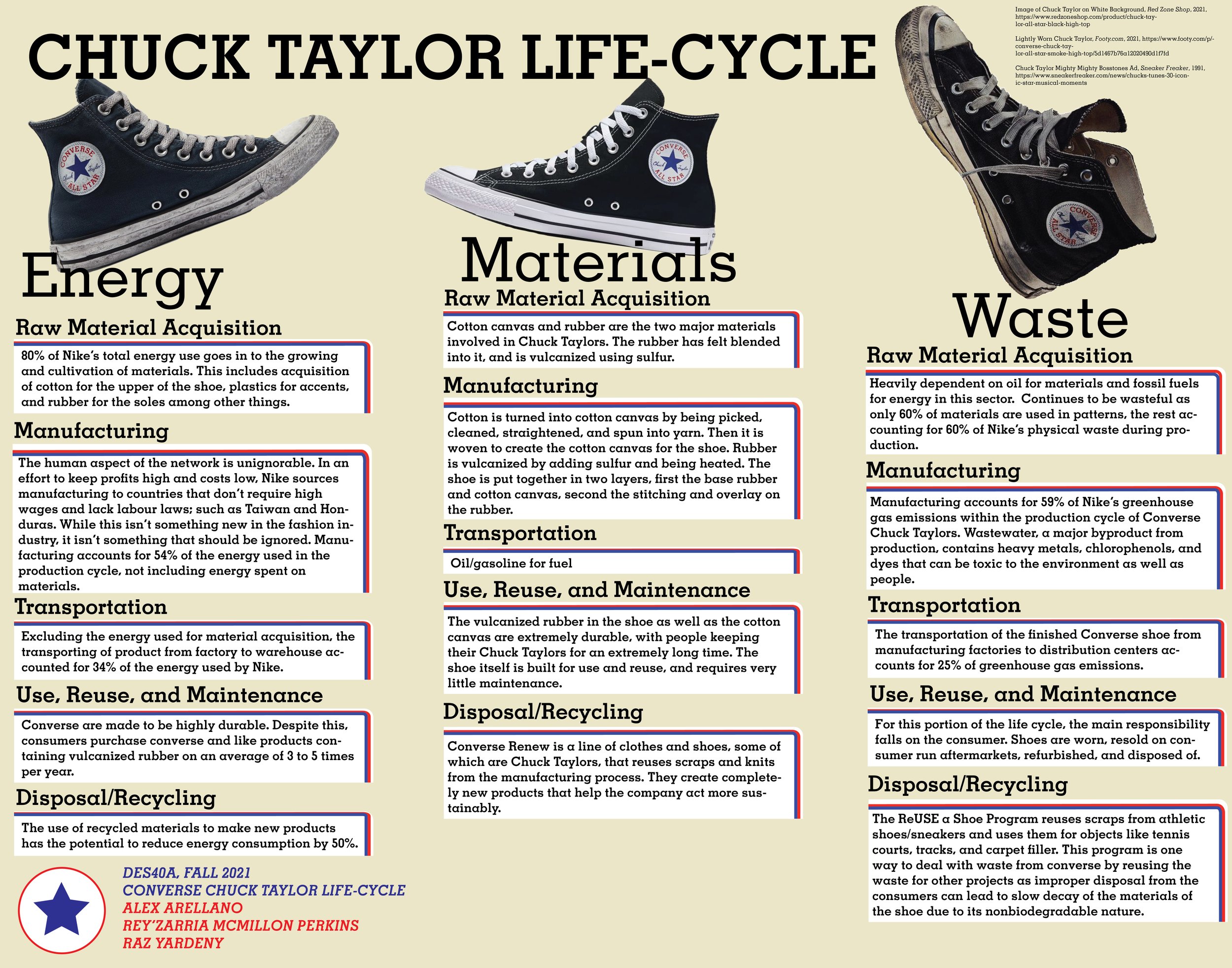
In the realm of personal branding and corporate identity, the partnership between Converse and Chuck Taylor remains one of the most significant in history. Taylor was not just a basketball player; he was a salesman and a brand ambassador long before the term was popularized in marketing textbooks. By adding his signature to the ankle patch in 1932, Converse pioneered the “athlete-endorsed” model. This move transformed a functional piece of equipment into a branded artifact. The Chuck Taylor All Star became a symbol of performance, yet its design was so minimalist that it invited a broader application outside the hardwood court.
Visual Simplicity and Recognition
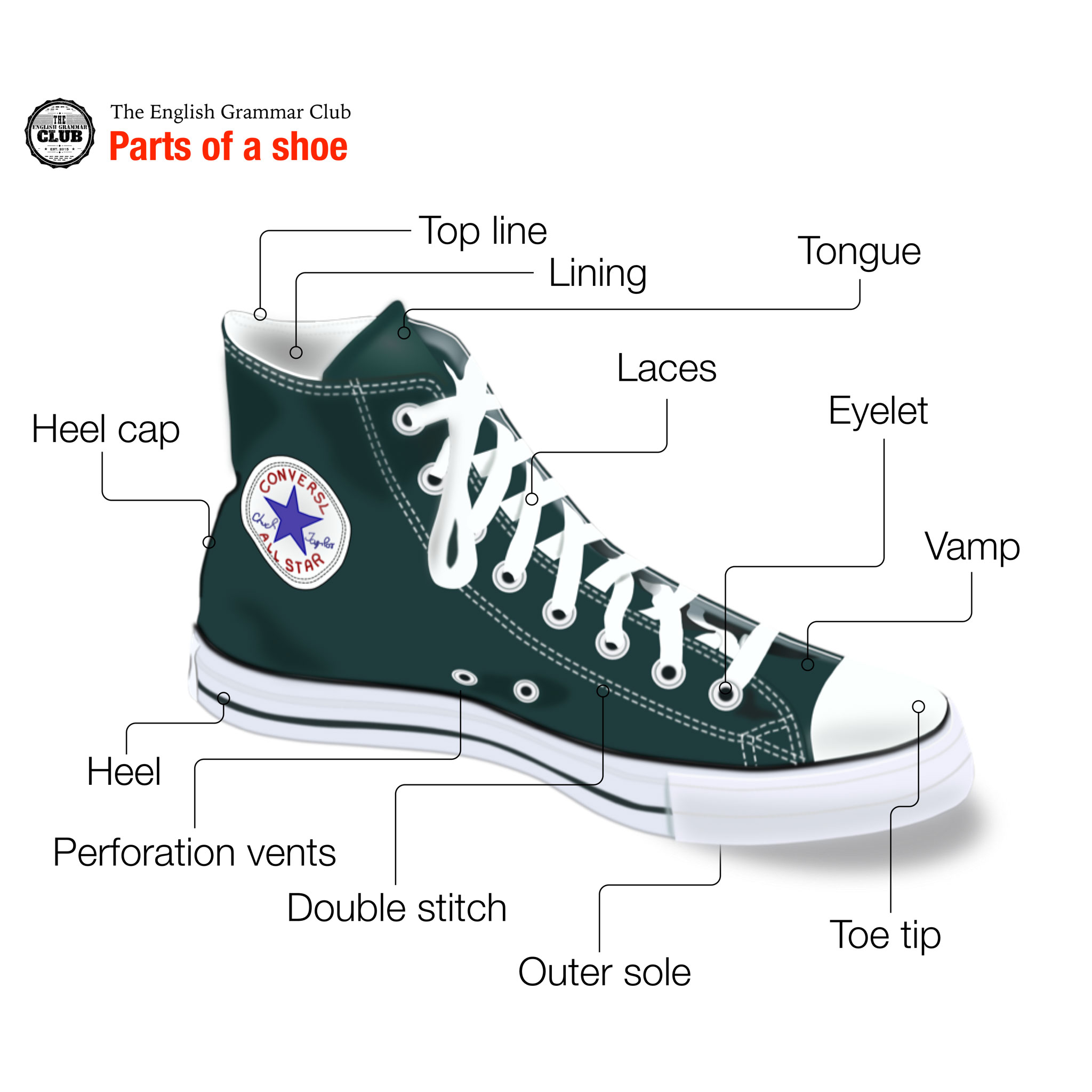
The visual identity of Converse—specifically the star chevron and the circular ankle patch—represents the power of “less is more.” In a world of increasingly complex logos and high-tech footwear silhouettes, the Converse aesthetic remains anchored in mid-century simplicity. From a brand strategy perspective, this consistency has allowed Converse to avoid the “dated” look that plagues many fashion brands. The silhouette is recognizable from a distance, a feat of design that provides the brand with immense organic marketing power.
The Pivot: From Sport Utility to Cultural Symbolism
The most fascinating aspect of the Converse brand evolution is its shift from a performance sports brand to a lifestyle icon. This transition was not entirely dictated by the company’s executive board; rather, it was a result of the brand’s adoption by various subcultures.
The Anti-Establishment Brand
By the 1970s and 80s, Converse moved from the gymnasium to the stage. It became the unofficial uniform of the punk rock movement, the grunge scene, and later, the indie rock community. For these groups, the Converse sneaker represented an “anti-brand” sentiment. It was affordable, accessible, and lacked the pretension of the high-performance sneakers emerging from competitors like Reebok or Adidas at the time.
From a marketing standpoint, Converse leaned into this. Instead of fighting its departure from the professional basketball court, the brand embraced its new role as a tool for self-expression. This is a critical lesson in brand management: when your audience takes your product in a new direction, the most effective strategy is often to facilitate that journey rather than resist it.
The Power of the “Blank Canvas”
Converse’s marketing strategy has long revolved around the idea of the “blank canvas.” By keeping the shoe’s design basic, they allow the wearer’s personality to take center stage. Whether it’s a teenager doodling on the rubber toe cap or a luxury designer re-imagining the fabric, the brand serves as a foundation for creativity. This positioning has allowed Converse to remain relevant across radically different demographics—from skate parks in California to high-fashion runways in Paris.
Strategic Brand Management Under Nike
In 2003, after facing financial instability and bankruptcy filings, Converse was acquired by Nike for $305 million. This acquisition is often cited as one of the most successful brand rehabilitations in history. Nike faced a delicate challenge: how to scale a brand that derived its value from being an “underdog” or “alternative” choice.

Maintaining Autonomy within a Conglomerate
Nike’s strategy was brilliant in its restraint. They provided Converse with the supply chain excellence, global distribution networks, and R&D resources of a titan, while allowing the Converse brand to maintain its gritty, independent identity. Converse did not become “Nike-fied” in its public-facing image. Instead, it used Nike’s “Lunarlon” and “React” foam technologies to improve the comfort of its shoes (the Chuck II being a notable example) while keeping the classic exterior unchanged.
Global Expansion and Segmentation
Under Nike, Converse optimized its brand architecture. They segmented their offerings into the classic “Core” line, which maintains the affordable entry point, and the “70s” line, which targets the premium, heritage-conscious consumer with heavier canvas and vintage detailing. This tiered approach allowed the brand to capture different segments of the market—value-driven shoppers and fashion-forward enthusiasts—without diluting the brand’s core message.
Modern Brand Ecosystem: Collaborations and Customization
In the current digital and retail landscape, Converse maintains its edge through two primary strategic pillars: high-profile collaborations and the “Converse By You” customization platform.
The Collaboration Flywheel
Converse has mastered the art of the collaboration as a brand-building tool. By partnering with entities like Comme des Garçons, Off-White (Virgil Abloh), Tyler, The Creator (Golf le Fleur), and J.W. Anderson, Converse stays at the heart of the “hype” economy.
These collaborations serve a dual purpose. First, they create scarcity and prestige, driving traffic to the brand’s digital platforms. Second, they allow Converse to experiment with avant-garde designs that would be too risky for their mass-market line. When a consumer sees a high-fashion version of a Chuck Taylor, it elevates the perceived value of the standard $60 pair they can buy at a local mall.
Digital Personalization
The “Converse By You” platform is a direct-to-consumer (DTC) masterstroke. By allowing users to choose colors, patterns, and materials, Converse taps into the modern consumer’s desire for individuality. This strategy also provides the company with invaluable data on color trends and consumer preferences, which can then be used to inform future seasonal collections. It reinforces the brand identity of being a vehicle for personal expression.
The Lesson of the Converse: Consistency as a Competitive Advantage
To understand what Converse is, one must understand the value of brand equity built over time. In an industry obsessed with the “next big thing,” Converse has found success by staying largely the same. Their brand strategy is an exercise in continuity.
Authenticity in Marketing
Converse doesn’t need to tell people they are “cool” or “edgy.” Their history does the talking. Their marketing campaigns often focus on real people, artists, and creators rather than polished celebrities. This builds a level of authenticity that is difficult for newer brands to replicate. When Converse launches a campaign like “Shoes Are Boring, Wear Sneakers,” they are tapping into a specific psychological mindset: the desire for movement, action, and unpolished reality.
Sustainable Brand Longevity
The longevity of Converse is also a testament to its democratic nature. It is one of the few brands that can be worn by a toddler, a tech CEO, and a touring musician simultaneously. This cross-demographic appeal creates a massive “moat” around the brand. It is not tied to a single trend; it is tied to the human experience of youth, rebellion, and utility.
Conclusion: The Enduring Legacy of the Star
What is the Converse? It is a brand that has successfully navigated the transition from a 20th-century utility product to a 21st-century cultural icon. It represents a masterclass in maintaining a core corporate identity while remaining flexible enough to adapt to the shifting sands of global culture.
Through strategic pivots, a transformative acquisition by Nike, and a clever use of collaborations, Converse has ensured that its star-and-chevron logo remains as relevant today as it was decades ago. It proves that in the world of branding, the most powerful tool you can possess is a product that tells a story—not just yours, but the customer’s as well. As long as people value self-expression, Converse will likely remain the canvas upon which they choose to display it.
aViewFromTheCave is a participant in the Amazon Services LLC Associates Program, an affiliate advertising program designed to provide a means for sites to earn advertising fees by advertising and linking to Amazon.com. Amazon, the Amazon logo, AmazonSupply, and the AmazonSupply logo are trademarks of Amazon.com, Inc. or its affiliates. As an Amazon Associate we earn affiliate commissions from qualifying purchases.