
Modernism was more than a literary movement; it was a fundamental shift in how humans perceived reality, identity, and the structure of communication. Emerging in the late 19th and early 20th centuries, modernist literature was characterized by a self-conscious break with traditional ways of writing, moving away from the neat, linear narratives of the Victorian era toward something more fragmented, subjective, and experimental. For the modern brand strategist, understanding what modernist literature was like provides a masterclass in disruption, audience engagement, and the power of a distinct, unconventional voice.
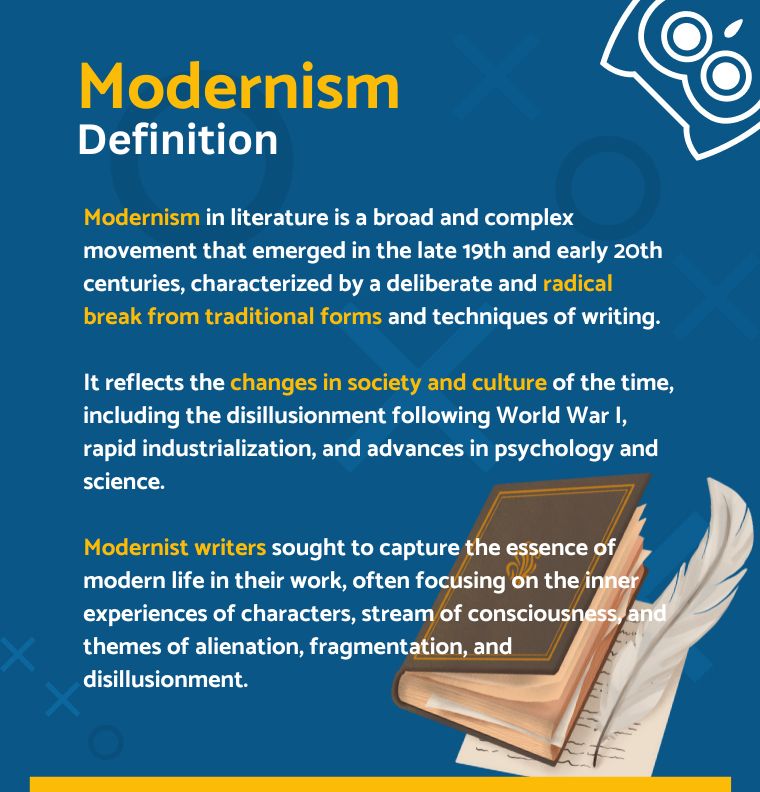
In a marketplace saturated with “standardized” corporate messaging, the principles that defined the works of James Joyce, Virginia Woolf, and T.S. Eliot are remarkably relevant. These writers understood that to capture the attention of a changing world, they had to “make it new.” Today, brands face a similar challenge: breaking through the noise of a digital-first landscape by employing the same psychological depth and narrative complexity that once defined the modernist avant-garde.
Breaking the Mold: The Disruptive Nature of Modernist Narrative
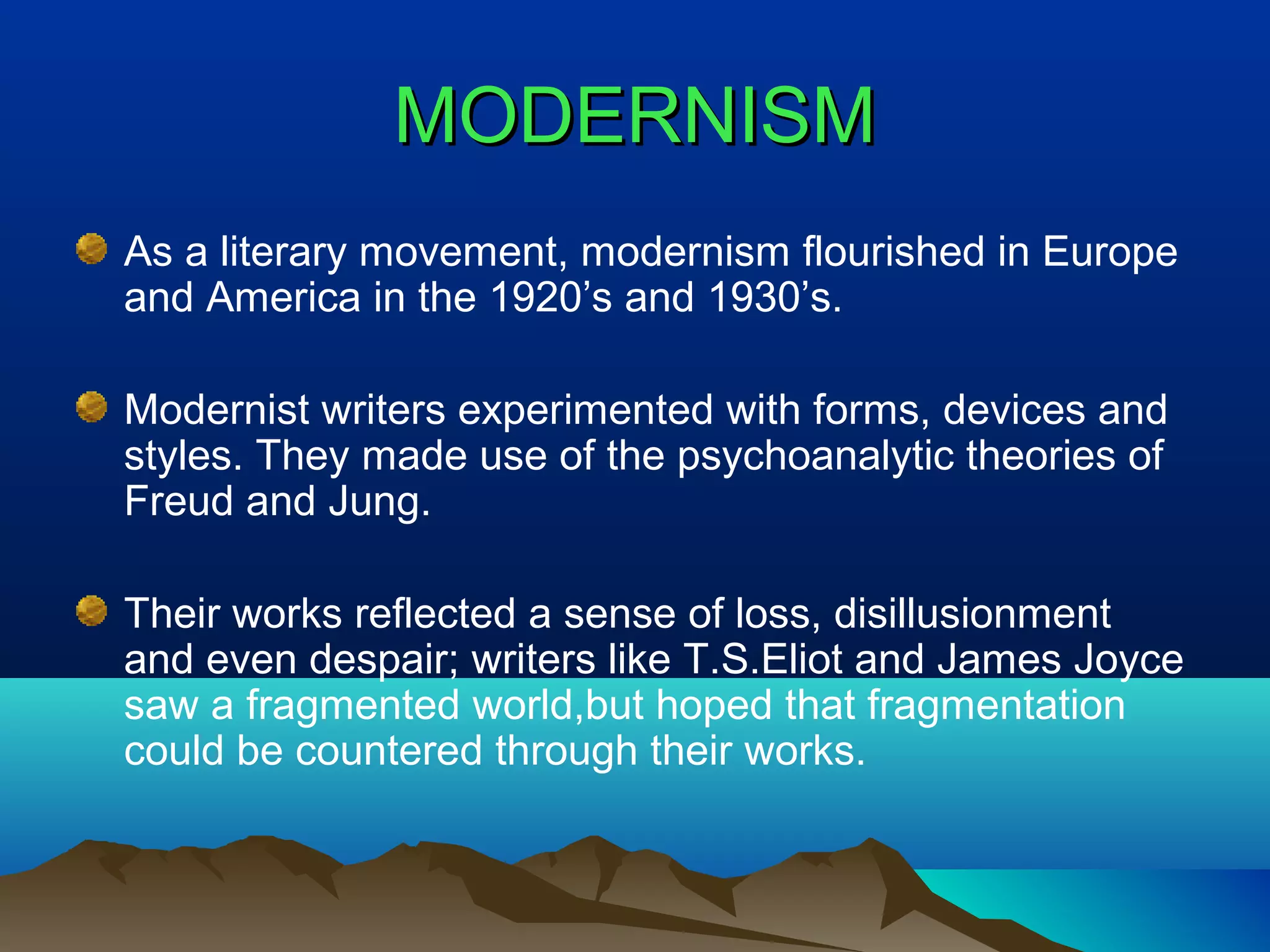
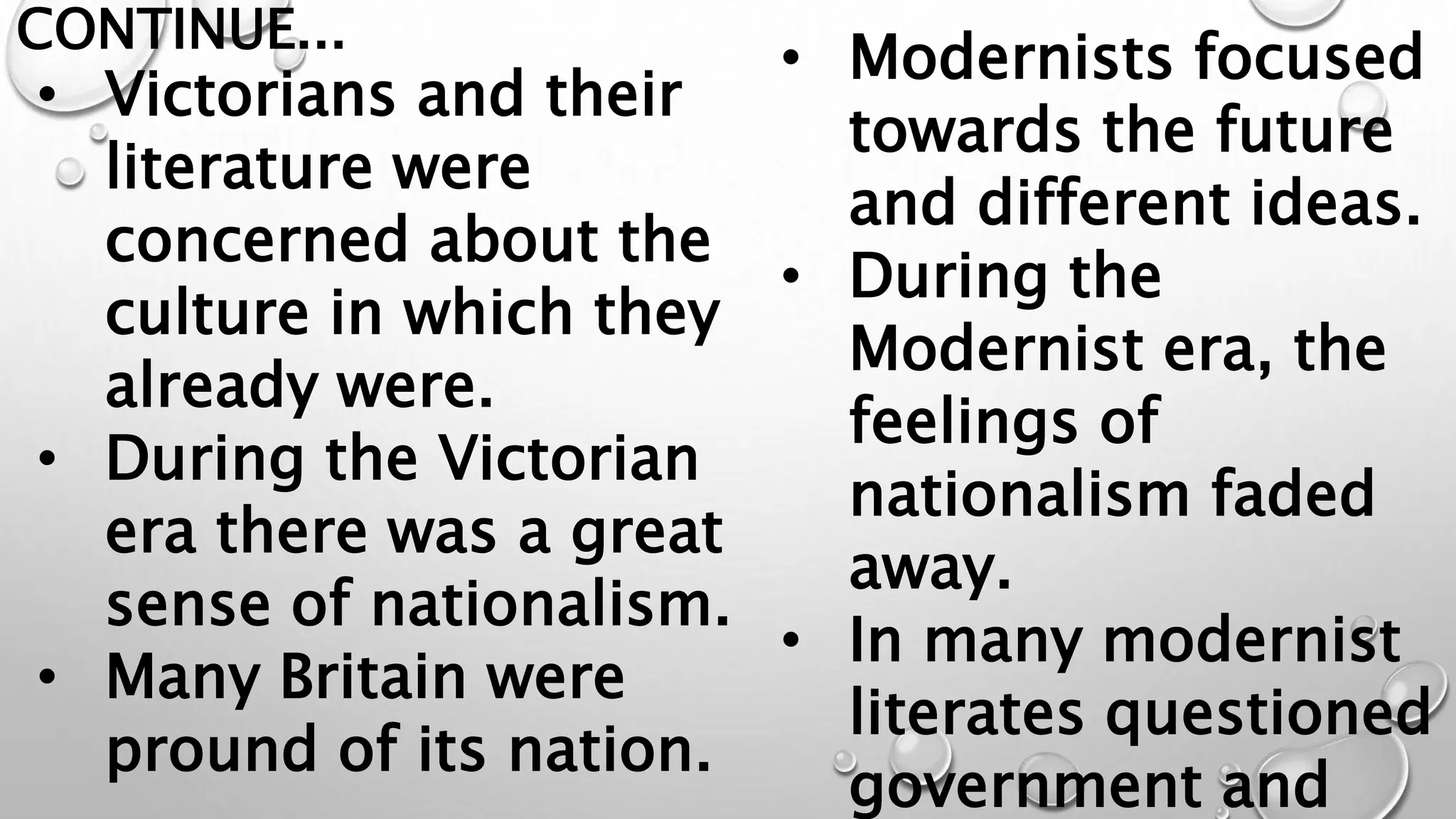
The primary hallmark of modernist literature was its rejection of the “omniscient narrator.” In the 19th century, stories were typically told by a reliable, all-knowing voice that guided the reader through a logical progression of events. Modernism shattered this. It introduced a world of fragmented perspectives and unreliable narrators, mirroring the chaos of a world transformed by industrialization and global conflict.
The Shift from Linear to Fragmented Identity
In brand strategy, we often talk about the “brand journey.” Traditional marketing views this as a linear funnel: awareness, consideration, conversion. However, modernist literature suggests that the human experience is rarely linear. A brand like Nike or Apple does not exist solely as a sequence of advertisements; it exists as a series of fragmented touchpoints—an Instagram post, a retail experience, a word-of-mouth recommendation, and a product’s physical feel.
Modernist writers like William Faulkner used multiple perspectives to tell a single story, recognizing that “truth” is subjective. Modern brands must adopt this “multi-vocal” approach. A brand is no longer just what the company says it is; it is the sum of various narratives shared by influencers, employees, and customers. By embracing this fragmentation rather than fighting it, a brand can build a more authentic, multi-dimensional identity that resonates across different cultural niches.
Authenticity Through Subjectivity
Modernism prioritized the “internal” over the “external.” Writers sought to capture the “stream of consciousness”—the unfiltered flow of thoughts and feelings. This was a move toward radical authenticity. In the world of corporate identity, this translates to the move away from “corporate speak” toward a more human, subjective brand voice.
When a brand speaks with a distinct, even idiosyncratic personality—such as the playful irreverence of Wendy’s on social media or the stark, intellectual minimalism of a brand like Aesop—it is employing a modernist tactic. It is signaling to the consumer that there is a “consciousness” behind the brand, a specific point of view that isn’t just trying to please everyone, but is instead trying to be true to its own internal logic.
Minimalism and Precision: The ‘Less is More’ Aesthetic
While some modernists were known for their complexity, others, like Ernest Hemingway and Ezra Pound, championed a lean, stripped-back style. This was a reaction against the flowery, decorative prose of the past. They believed that the most powerful communication happens in the gaps—in what is left unsaid. This “Iceberg Theory” of literature is a foundational principle for high-end brand design and strategic marketing today.
Streamlining the Message
In modernist poetry, the “Imagist” movement focused on precision and the use of the exact word, rather than the decorative word. In the context of brand strategy, this is the essence of minimalism. A brand’s value proposition should be like a modernist poem: every element must serve a purpose. If a logo, a tagline, or a website feature doesn’t contribute to the core identity, it should be removed.
Modernist literature was like a sharp intake of breath; it was bracing and direct. Consider the branding of Tesla or Dyson. These brands don’t rely on cluttered layouts or excessive explanation. They rely on the power of the object and a singular, focused message. By stripping away the “adjectives” of marketing, these brands create a sense of inevitability and technological superiority, much like the precise prose of a modernist master.
The Power of Symbolic Resonance
Modernists heavily utilized symbols to convey complex emotions without explicitly naming them. T.S. Eliot’s The Waste Land uses a collage of cultural symbols to evoke a sense of spiritual dryness. Brands function in a similar way through semiotics. A brand’s logo, color palette, and typography are the “objective correlatives”—a term coined by Eliot—that trigger specific emotional responses in the consumer without the need for a sales pitch.
The “Swoosh” is not just a shape; it is a symbol of movement, victory, and Greek mythology. The modernist approach to branding is to move away from literalism—telling people what you do—and toward symbolism—showing people who they can become. This creates a deeper, more intellectual connection with the audience, inviting them to decode the brand’s meaning for themselves.
Emotional Connectivity: Beyond Literal Representation
One of the most profound aspects of modernist literature was its ability to convey the “unreliable” nature of human emotion. It didn’t just tell the reader how a character felt; it made the reader experience the confusion, the joy, or the boredom of the character’s mind. For brand strategists, this is the difference between “benefits-based marketing” and “experiential branding.”
The Stream of Consciousness in Consumer Experience
The “stream of consciousness” technique in literature, mastered by Virginia Woolf in Mrs. Dalloway, sought to blur the lines between the past, present, and future, and between the internal self and the external world. In the digital age, the consumer experience is a literal stream of consciousness. A user moves from a Google search to a YouTube video to an e-commerce site in a fluid, often non-linear fashion.
Brands that succeed today are those that design their user experience (UX) to feel like a natural extension of the consumer’s thought process. This requires a deep psychological understanding of the “user journey.” If the transition from an ad to a checkout page feels jarring or “out of character” for the brand, the narrative thread is broken. A modernist brand strategy ensures that every touchpoint feels like a continuous, albeit complex, internal monologue.
Creating Meaning in the Gaps
Modernist literature often ended without a neat resolution. This “open-endedness” forced the reader to participate in the creation of the story’s meaning. In branding, this is known as “participatory branding.” When a brand leaves room for the audience to interpret its values or contribute to its story—through user-generated content or community-driven initiatives—it creates a stronger bond.
A brand that explains everything leaves no room for the consumer’s imagination. A brand that acts like a modernist text—providing the framework but allowing the consumer to fill in the emotional details—becomes a part of the consumer’s own identity. This is why cult brands often have an air of mystery or “insider” knowledge; they invite the consumer to be an active participant in the brand narrative rather than a passive observer.
Constant Innovation: The ‘Make It New’ Mandate
Ezra Pound’s famous dictum, “Make it new,” served as the rallying cry for the modernist era. It was an acknowledgment that the old forms were no longer sufficient to describe the modern world. For a brand to survive in the long term, it must adopt this modernist mindset of perpetual evolution and creative destruction.
Reimagining Tradition for Modern Audiences
Modernism was not about ignoring the past; it was about recontextualizing it. Joyce’s Ulysses is a retelling of Homer’s Odyssey set in 1904 Dublin. It took a foundational myth and transformed it into something contemporary and radical. This is a vital lesson for “heritage brands.”
A brand with a long history, like Burberry or Porsche, cannot simply rely on its past. It must constantly “make it new” by interpreting its core values through the lens of current culture. This involves a delicate balance: maintaining the “structural integrity” of the brand’s history while experimenting with modern aesthetics, technologies, and social movements. Modernist brand strategy is the art of staying the same while changing everything.
The Brand as a Living Experiment
Finally, modernist literature was like a grand experiment. Writers were not afraid to fail in their pursuit of a new form of expression. They pushed the boundaries of language, syntax, and decency. In the corporate world, this translates to a culture of innovation and a willingness to take “creative risks.”
The most successful brands of our time—from Netflix to Airbnb—are those that have disrupted their own industries by challenging the “traditional” way of doing things. They have ignored the established “genres” of business and created their own. Like the modernist poets who abandoned rhyme and meter to find a truer rhythm, these brands have abandoned the safe, predictable path to find a more resonant connection with the modern world.
By understanding what modernist literature was like—its fragmentation, its precision, its psychological depth, and its drive for the new—brand strategists can move beyond simple marketing and begin to build identities that are as enduring and influential as the great works of the 20th century.
aViewFromTheCave is a participant in the Amazon Services LLC Associates Program, an affiliate advertising program designed to provide a means for sites to earn advertising fees by advertising and linking to Amazon.com. Amazon, the Amazon logo, AmazonSupply, and the AmazonSupply logo are trademarks of Amazon.com, Inc. or its affiliates. As an Amazon Associate we earn affiliate commissions from qualifying purchases.