
Luxury Vinyl Plank (LVP) flooring has transformed from a budget-friendly alternative to hardwood into a premier asset class for homeowners and real estate investors alike. From a financial perspective, the appeal of LVP lies in its high durability, aesthetic versatility, and relatively low entry cost. However, the long-term Return on Investment (ROI) of LVP is entirely dependent on its maintenance. Using the wrong cleaning agents can lead to the degradation of the wear layer, voiding manufacturer warranties and resulting in premature capital expenditures for replacement.
For the savvy property owner or the aspiring service entrepreneur, understanding what to use to clean LVP flooring is not just about aesthetics—it is about strategic asset protection and the optimization of property value.
The Economics of Luxury Vinyl Plank: Protecting Your Real Estate ROI
When evaluating the financial health of a real estate portfolio, flooring represents one of the most significant recurring costs in the turnover cycle. Traditional hardwood requires expensive refinishing, while carpet demands frequent replacement. LVP offers a middle ground: a resilient surface that can last 20 to 30 years if maintained correctly.
Depreciation and the Cost of Mismanagement
The internal rate of return on a rental property or the resale value of a primary residence can be significantly impacted by the “visual age” of the flooring. LVP is engineered with a photographic layer protected by a clear wear layer. If an owner uses abrasive chemicals or improper equipment, they effectively accelerate the depreciation of the asset. A floor that should have lasted 25 years might require replacement in seven, representing a massive failure in financial planning.
Warranty Preservation as Risk Management
Most high-end LVP products come with 20-year or lifetime residential warranties. However, these warranties are notoriously specific regarding maintenance. Using steam mops, high-pH cleaners, or wax-based products often voids these protections immediately. From a risk management standpoint, knowing exactly what to use to clean LVP flooring is the first line of defense against unforeseen capital outlays.
Cost-Effective Solutions: The Financial Case for pH-Neutral Cleaners
In the world of personal finance and business operations, the “cheapest” option is rarely the most cost-effective. When it comes to LVP, the goal is to find a cleaning solution that balances low per-use cost with high efficacy and zero damage to the wear layer.
The Myth of the Vinegar Solution
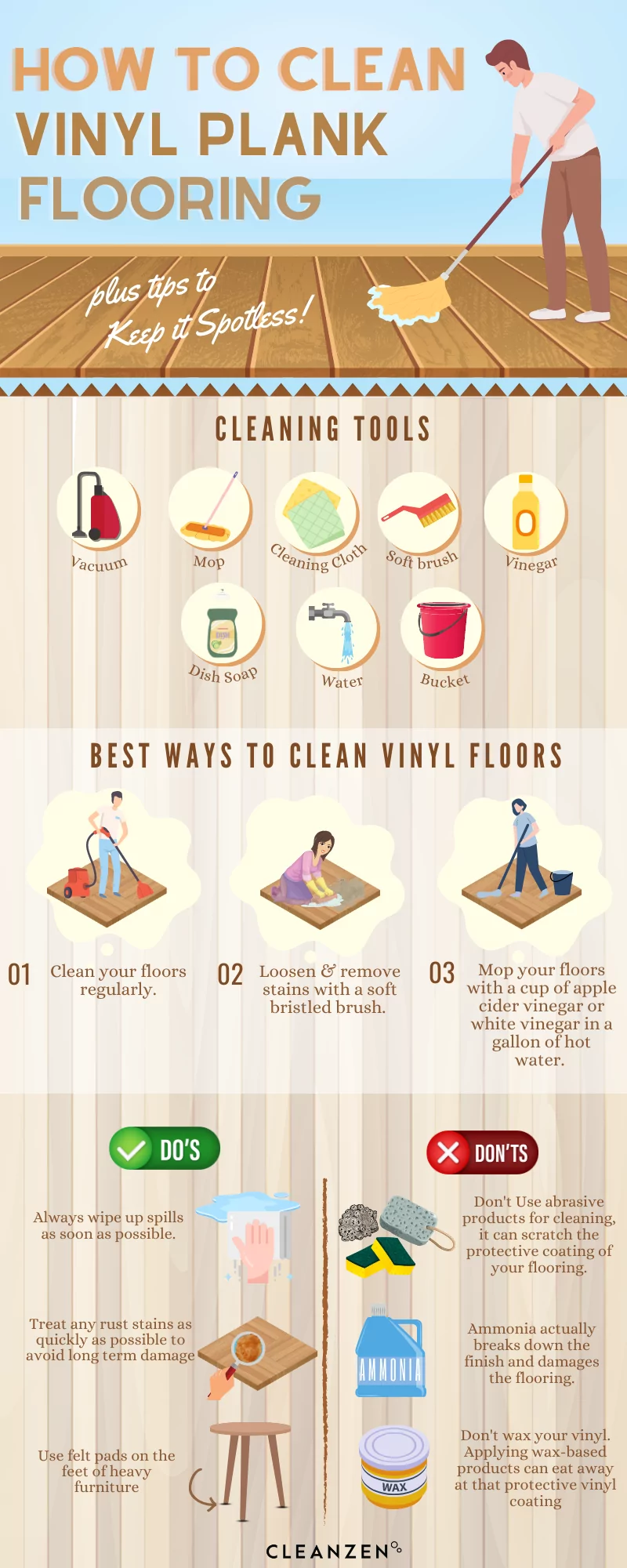
Many DIY enthusiasts suggest using a mixture of apple cider vinegar and water. While the per-gallon cost is incredibly low, vinegar is acidic. Over time, recurring acidic applications can etch the surface of certain LVP finishes, leading to a dull appearance that cannot be “buffed out.” From a financial perspective, saving five cents per cleaning session while risking a $10,000 flooring installation is a poor trade-off.
Analyzing Commercial pH-Neutral Cleaners
The industry standard for LVP maintenance is a pH-neutral cleaner. Products like Bona, Zep, or specialized manufacturer-branded cleaners are formulated to lift dirt without reacting chemically with the vinyl or the wear layer.
- Concentrates vs. Ready-to-Use (RTU): For those looking to optimize their budget, purchasing concentrates is the superior financial move. A $15 bottle of concentrate can often produce up to 10 gallons of cleaning solution, bringing the cost per application down to pennies while ensuring the longevity of the floor.
Microfiber Technology: A Capital Expenditure Benefit
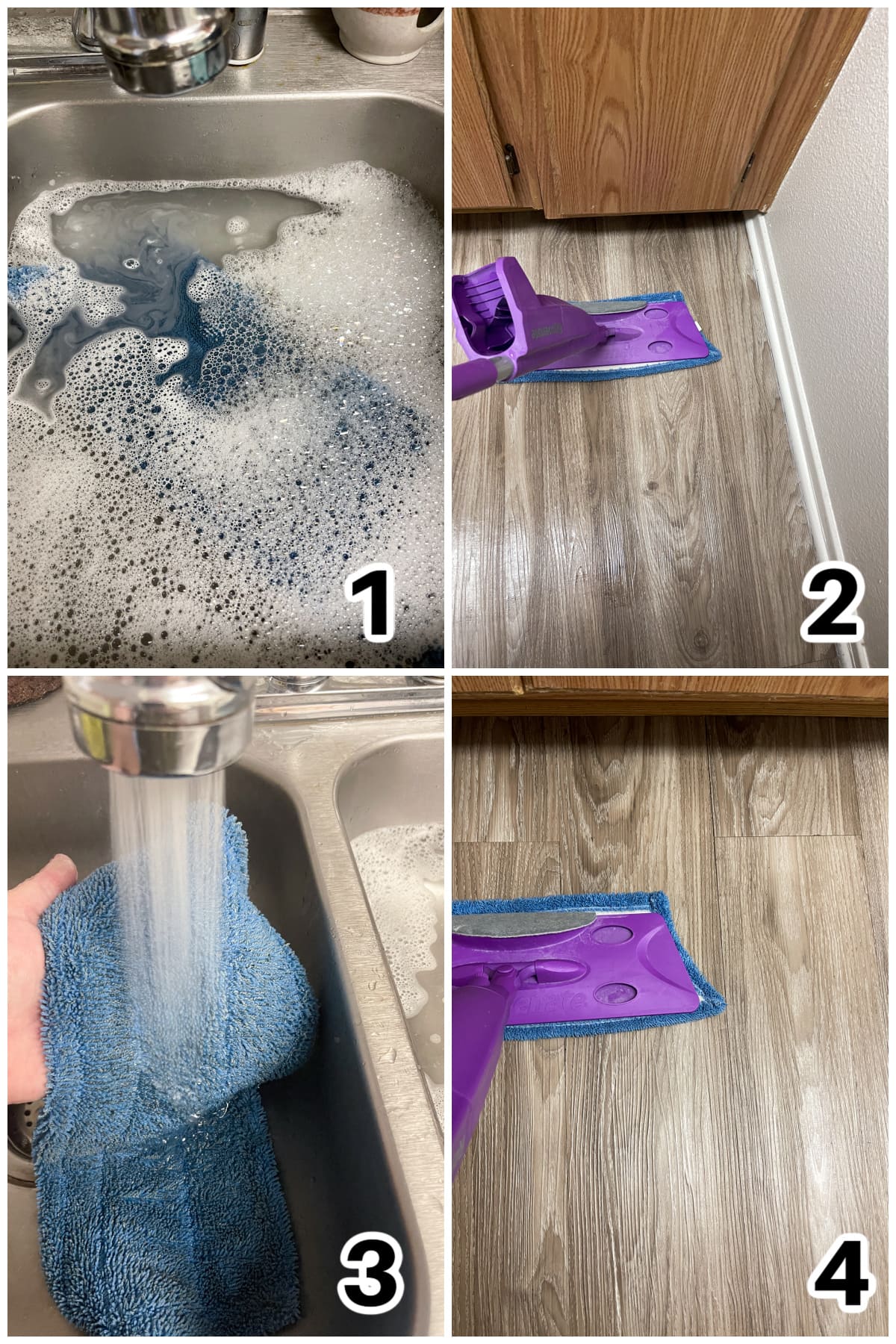
The choice of applicator is as important as the chemical. Traditional string mops use excessive water, which can seep into the seams of LVP (even if the product is marketed as “waterproof”). This can lead to subfloor mold or adhesive failure. Investing in high-quality microfiber mop systems is a one-time capital expenditure that reduces water usage and eliminates the need for expensive, heavy machinery.
Scaling Maintenance Knowledge into a High-Margin Side Hustle
The rise of LVP installations in residential and commercial spaces has created a niche market for specialized floor care. For entrepreneurs looking for low-overhead side hustles or new service lines for an existing cleaning business, “LVP Preservation” is a high-margin opportunity.
Positioning as a Specialist
General cleaning services often use “all-purpose” cleaners that can damage LVP over time. By positioning yourself as an LVP specialist who understands the chemistry of pH neutrality and the mechanics of wear-layer protection, you can command a premium price point. Clients are willing to pay more for a service that guarantees the protection of their $15,000 flooring investment.
Subscription-Based Maintenance Models
The most profitable business models are built on recurring revenue. Property managers and homeowners often neglect floor maintenance until a problem arises. Offering a quarterly “LVP Deep Clean and Protect” service—utilizing professional-grade pH-neutral cleaners and non-abrasive scrubbers—provides consistent cash flow.
Equipment and Overhead Analysis
The “Money” aspect of a cleaning side hustle is found in the low barrier to entry.
- Industrial Microfiber System: $150
- Professional pH-Neutral Concentrate (Bulk): $50
- HEPA-Filtered Vacuum (Soft Brush): $300
Total startup cost is under $1,000, while a single professional cleaning for a 2,000-square-foot home can range from $300 to $600 depending on the market. The ROI on the initial equipment is achieved within two to three jobs.
Avoiding the “Cheap” Trap: Why Low-Cost Chemicals Lead to High-Cost Repairs
In financial planning, we often talk about “hidden costs.” The hidden costs of improper LVP cleaning are substantial and often deferred until it is too late to reverse the damage.
The Steam Mop Fallacy
Steam mops are popular for their perceived “chemical-free” sanitization. However, for LVP, they are a financial disaster. The intense heat can cause the vinyl planks to warp, the adhesive to liquefy, and the layers to delaminate. A $100 steam mop can cause $5,000 in damage in a single afternoon. From an investment perspective, this is a catastrophic loss.
Wax and “Shine” Enhancers
Many consumers buy products that promise to “restore shine” to their floors. These products typically contain waxes or silicones that create a temporary film. Once this film is applied, it begins to trap dirt and eventually peels or turns yellow. Removing this buildup requires professional stripping, which is labor-intensive and expensive. To maintain the value of the asset, one must avoid any product that leaves a residue. The “shine” of LVP should come from its clean, original factory finish, not a topical additive.
Future-Proofing Your Assets: A Checklist for Sustainable Property Value
To maximize the financial lifespan of LVP flooring, property owners should view maintenance through the lens of a “preventative maintenance schedule.” This approach mimics how one might manage a stock portfolio or a piece of industrial machinery.
Daily and Weekly Maintenance Protocols
The primary enemy of LVP is abrasion. Sand and grit act like sandpaper underfoot, grinding away the wear layer.
- High-Quality Walk-off Mats: Placing mats at every entrance is a low-cost “insurance policy” that prevents grit from entering the premises.
- Soft-Bristle Vacuuming: Using a vacuum without a beater bar (or with the beater bar turned off) preserves the surface integrity. This simple habit can add five to ten years to the floor’s life.
Budgeting for Long-Term Care
Smart financial management involves setting aside a small “sinking fund” for home maintenance. Because LVP is so durable, the required fund is minimal. Allocating just $100 a year for high-quality pH-neutral cleaners and replacement microfiber pads ensures that the floor remains a selling point rather than a liability when it comes time to exit the investment.

Conclusion: The Bottom Line on LVP Maintenance
Cleaning LVP is not a chore; it is an exercise in asset management. By selecting pH-neutral cleaners, utilizing microfiber technology, and avoiding the heat and chemicals that void warranties, you protect the core value of your real estate. Whether you are a homeowner looking to save on long-term repair costs or an entrepreneur seeking a profitable service niche, the “what” and “how” of LVP cleaning is a fundamental component of sound financial decision-making in the modern property market. Keep the chemistry simple, the equipment gentle, and the ROI will follow for decades.
aViewFromTheCave is a participant in the Amazon Services LLC Associates Program, an affiliate advertising program designed to provide a means for sites to earn advertising fees by advertising and linking to Amazon.com. Amazon, the Amazon logo, AmazonSupply, and the AmazonSupply logo are trademarks of Amazon.com, Inc. or its affiliates. As an Amazon Associate we earn affiliate commissions from qualifying purchases.