
First Holy Communion marks a significant milestone in a young person’s life. Traditionally, this rite of passage is celebrated with religious jewelry, prayer books, or keepsakes. However, as the economic landscape shifts and the cost of future milestones—such as higher education, homeownership, and retirement—continues to climb, a growing number of family members and godparents are rethinking the nature of their contributions.
When considering what to give for a communion gift, shifting the focus from ephemeral items to financial assets offers the child something far more valuable: a head start on their journey toward financial independence. By selecting gifts that appreciate over time, you are not just celebrating a religious event; you are providing the foundational capital that could eventually fund a college degree or a first down payment.
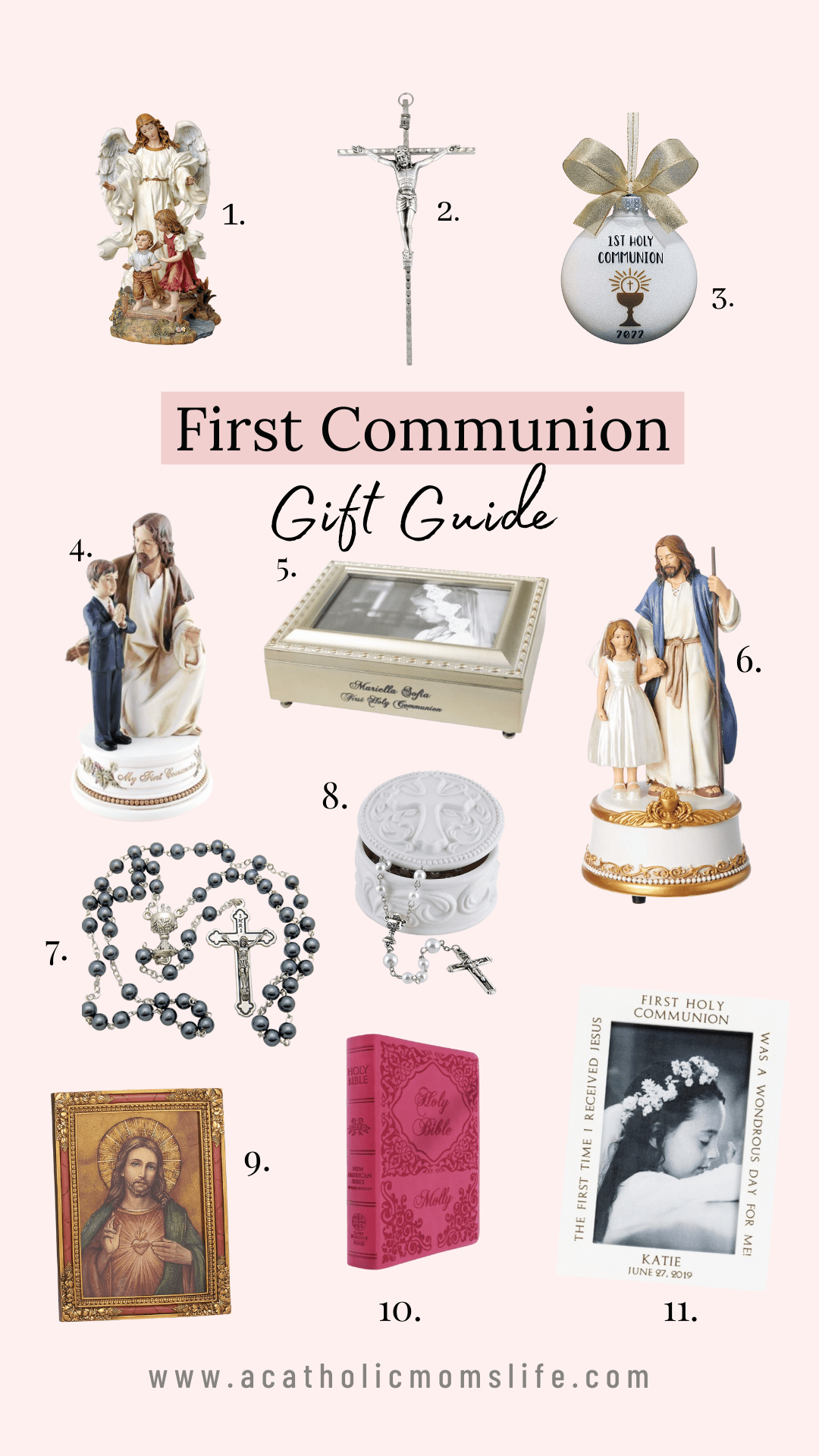
The Shift from Traditional Trinkets to Financial Assets
For decades, the standard communion gift was a crisp banknote tucked into a greeting card. While cash is always appreciated, its purchasing power is subject to the steady erosion of inflation. In a modern economy, the most insightful gift is one that harnesses the power of the markets.
Why Cash is No Longer King
While the immediate utility of cash is undeniable, its long-term value is limited when given to a child who may not have the capacity to manage it. Cash given at age seven or eight is often spent on toys or video games—items that depreciate to zero within months. By contrast, a financial gift structured as an investment introduces the child to the concept of delayed gratification and the reality of how money can work on their behalf.
The Power of Compounding Interest from an Early Age
The greatest advantage a child has in the world of finance is time. A gift given during a communion celebration has approximately a decade before the child enters university and half a century before they reach retirement age. Even a modest investment of $500, if left to grow at an average annual return of 7%, can balloon into a significant sum by the time the child is an adult. By choosing a financial instrument over a physical object, you are gifting the child the “magic” of compound interest.
Investment-Based Gifts: Building a Portfolio for a Child
If you decide to move beyond cash, several structured investment vehicles allow you to provide a gift that grows. These options range from simple brokerage accounts to more sophisticated equity-based gifts.
Custodial Brokerage Accounts (UTMA/UGMA)
Uniform Transfers to Minors Act (UTMA) and Uniform Gifts to Minors Act (UGMA) accounts are among the most effective ways to gift securities. These accounts are held in the child’s name but managed by a custodian (usually a parent or the person giving the gift) until the child reaches the age of majority.
The primary benefit of these accounts is flexibility. Unlike education-specific accounts, the funds in a UTMA/UGMA can be used for anything that benefits the child. From a financial planning perspective, this is an excellent way to transfer wealth while potentially benefiting from “kiddie tax” rules, where a portion of the investment income is taxed at the child’s lower rate rather than the adult’s.
Gifting Individual Fractional Shares
For many children, the stock market is an abstract concept. You can make the gift more engaging by purchasing fractional shares in companies that the child recognizes. Whether it is a technology giant like Apple, an entertainment powerhouse like Disney, or a consumer brand like Nike, owning a piece of a company makes the gift tangible. Many modern fintech platforms allow you to “gift a stock” via a digital certificate, providing an educational component to the communion celebration.
Diversified ETFs for Long-Term Growth
If your goal is stability and consistent growth rather than the excitement of individual stocks, an Exchange-Traded Fund (ETF) that tracks the S&P 500 is an unparalleled gift. By gifting an ETF, you are providing the child with a diversified slice of the largest companies in the United States. This reduces the risk associated with individual stock picking and ensures that the communion gift remains a viable asset for decades to come.

Educational Savings and Tax-Advantaged Vehicles
Perhaps the most practical financial gift for a communion is a contribution toward the child’s future education. With the cost of tuition rising faster than the general rate of inflation, a tax-advantaged savings plan is a gift of future security.
529 College Savings Plans
The 529 plan is the “gold standard” for educational gifting. These state-sponsored plans allow the gift to grow tax-free, and withdrawals are also tax-free when used for qualified education expenses. For a godparent or grandparent, contributing to an existing 529 or opening a new one is a powerful gesture.
Recent changes in financial legislation, specifically the SECURE Act 2.0, have made these gifts even more attractive. Now, if a child does not use the full balance of their 529 plan for college, a portion of the remaining funds can be rolled over into a Roth IRA (subject to certain limits and conditions). This means your communion gift could literally jumpstart the child’s retirement savings decades in advance.
Coverdell Education Savings Accounts (ESA)
While 529 plans are popular, the Coverdell ESA offers more flexibility regarding the types of investments held within the account. While the annual contribution limits are lower, the funds can be used for elementary and secondary school expenses in addition to college. If the child’s family is considering private high school, a Coverdell ESA might be the most strategic gift you could offer.
Alternative Stores of Value: Gold, Silver, and Digital Assets
For those who want a gift that feels more “substantial” and “traditional” while still serving as a financial asset, alternative investments offer a unique middle ground.
Precious Metals as a Tangible Hedge
Gifting gold or silver coins—such as American Eagles or Canadian Maple Leafs—has been a tradition in many cultures for centuries. Unlike paper currency, precious metals are a tangible store of value that cannot be printed away by central banks. A gold sovereign or a silver bar is a “heavy” gift that the child can hold, yet it maintains a clear market value that generally keeps pace with inflation over long periods.
The Role of Digital Assets in a Modern Gift Strategy
As we move further into a digital-first economy, some forward-thinking gift-givers are looking toward Bitcoin or Ethereum as communion gifts. While volatile, these assets represent a new frontier in finance. Providing a small amount of a blue-chip cryptocurrency, stored securely on a hardware wallet, is a way to position the child at the forefront of technological and financial evolution. It serves as both a high-upside investment and a prompt for the child to learn about the future of digital scarcity and blockchain technology.
Teaching Financial Literacy Through Gifting
The ultimate value of a financial communion gift is not just the dollar amount on the statement; it is the opportunity to teach the child about the world of money. A gift that grows provides a recurring touchpoint for financial education.
Setting Up a “First Bank” Experience
If the child is of an appropriate age, a communion gift can be used to open their first high-yield savings account. By showing the child their monthly interest statements, parents and donors can explain how money earns more money. This “hands-on” approach demystifies banking and encourages a mindset of saving rather than spending.

The Psychological Impact of Early Financial Security
Knowing that they have a “nest egg” or a “college fund” can have a profound psychological impact on a child as they grow. It fosters a sense of security and a long-term perspective. When a child understands that their godparents or family members invested in their future during their First Communion, it reinforces the importance of community and stewardship.
In conclusion, when you ask what to give for a communion gift, the answer lies in the balance between tradition and future utility. While a religious keepsake serves the spirit, a financial asset serves the life the child is just beginning to build. By choosing stocks, educational plans, or precious metals, you ensure that your gift remains relevant, valuable, and transformative long after the celebration has ended. You aren’t just giving money; you are giving the child the freedom and the resources to pursue their future dreams.
aViewFromTheCave is a participant in the Amazon Services LLC Associates Program, an affiliate advertising program designed to provide a means for sites to earn advertising fees by advertising and linking to Amazon.com. Amazon, the Amazon logo, AmazonSupply, and the AmazonSupply logo are trademarks of Amazon.com, Inc. or its affiliates. As an Amazon Associate we earn affiliate commissions from qualifying purchases.