
The floral industry is a multi-billion dollar global market, but a significant portion of its revenue is generated through fleeting moments. In the context of bereavement, the financial investment in funeral arrangements is substantial. However, the lifecycle of these assets typically ends within days of the service. For the entrepreneurial-minded individual or the personal finance enthusiast, the question of what to do with flowers from a funeral transcends sentimentality. It moves into the realm of asset preservation, side hustle opportunities, and the burgeoning “memorial economy.”
Turning what is traditionally viewed as a perishable cost into a long-term financial asset or a revenue-generating business requires a strategic approach to preservation, productization, and niche marketing. By analyzing the market demand for tangible memories, one can transform a single floral arrangement into a high-margin product or a sustainable secondary income stream.
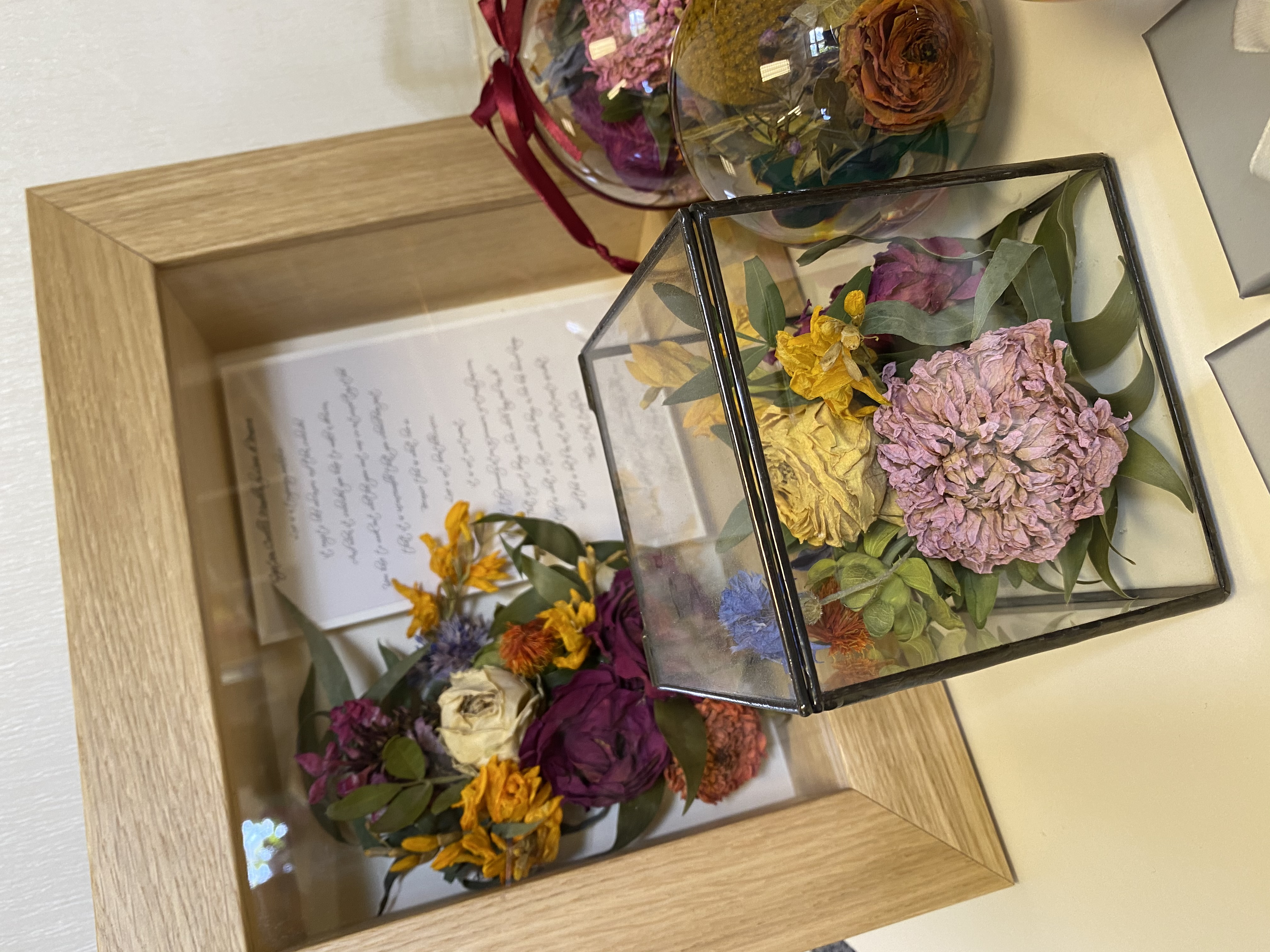
Monetizing Memorials: The Economic Potential of Floral Preservation
The most direct answer to what to do with funeral flowers from a financial perspective is to convert them into durable goods. In the modern economy, “sentimental capital” is a driving force behind consumer spending. People are increasingly willing to pay a premium for personalized, long-lasting items that commemorate significant life events.
The Rise of the Resin Art Side Hustle
One of the most profitable side hustles currently emerging in the craft and hobbyist space is epoxy resin preservation. When a family is left with dozens of floral arrangements, the opportunity for a service provider is immense. By drying these flowers and casting them in high-grade, UV-resistant resin, a business owner can create paperweights, bookends, jewelry, and large-scale decorative blocks.
From a business finance perspective, the margins are exceptionally high. The cost of resin and molds is relatively low compared to the service fee, which can range from $150 to over $1,000 for complex, multi-piece orders. For someone looking to build an online income, this niche offers a low barrier to entry but requires a high degree of technical skill to ensure the flowers do not rot or brown within the resin.
Pressed Flower Framing and Commercial Interior Design
Another avenue for generating income from funeral florals is professional pressing and framing. Unlike DIY home pressing, a professional service uses specialized equipment to maintain color vibrancy. These preserved pieces are often sold as high-end wall art. Beyond the individual consumer, there is a growing market in commercial interior design for “botanical legacy” pieces. Financial success in this area depends on building a brand that focuses on the “luxury preservation” market, targeting high-net-worth clients who value bespoke craftsmanship.
Building a High-Margin Niche Business in the Memorial Industry
If you are looking to scale the “what to do with funeral flowers” concept into a legitimate enterprise, you must look beyond the physical act of preservation and focus on business strategy, branding, and financial management.
Identifying the Target Market
The memorial industry is recession-proof. Regardless of economic downturns, people will always seek ways to honor their loved ones. However, the marketing strategy must be delicate. Instead of aggressive sales tactics, the focus should be on “value-added services.” Partnerships with local funeral homes can provide a steady stream of referrals. In this business model, the funeral home acts as a B2B partner, and the preservationist acts as the specialist service provider.
Pricing Strategies and ROI
To ensure profitability, your pricing must account for more than just materials. You are charging for:
- Dehydration Time: Flowers can take weeks to dry properly in silica gel.
- Labor Intensity: The meticulous placement of petals requires significant man-hours.
- Risk Management: Handling irreplaceable items requires a “perceived risk premium” in your pricing.
A standard 6-inch resin hexagon may cost $20 in materials but can be priced at $350. This represents a massive return on investment (ROI), provided the operational efficiency is optimized.
Diversifying the Product Line
A savvy business owner doesn’t stop at resin blocks. To maximize the “money” aspect of funeral flowers, consider “bead making” or “memory beads.” These are created by drying the petals into a fine powder and mixing them into polymer clay or specialized glass to create rosaries or jewelry. This allows for a lower price point, high-volume product line that complements the high-ticket resin pieces.
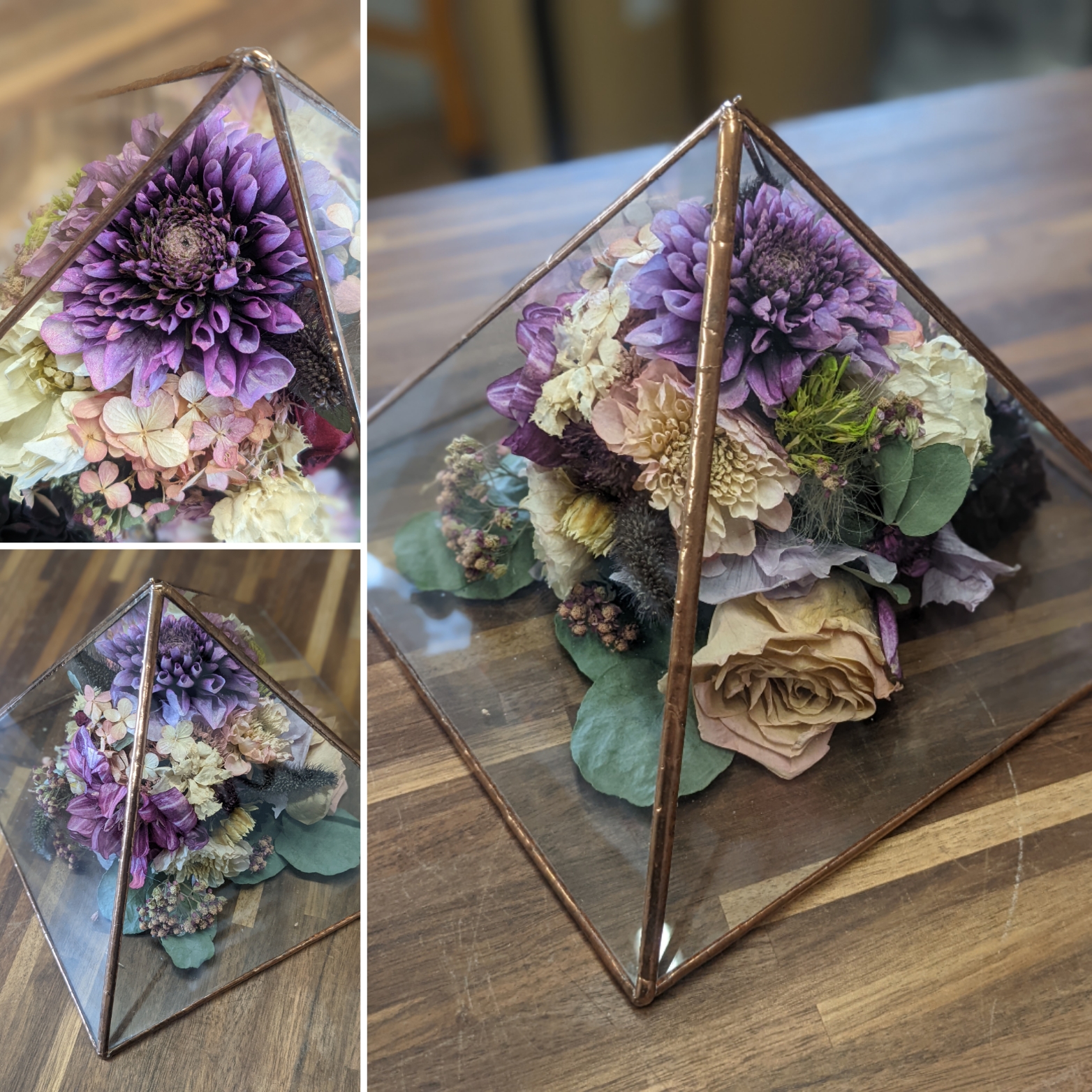
Operational Costs and Financial Tools for Floral Entrepreneurs
Launching a business focused on floral preservation requires more than just artistic talent; it requires a robust understanding of business finance and the right suite of digital tools to manage growth.
Startup Capital and Equipment
The initial investment for a floral preservation side hustle is modest. Essential equipment includes:
- Vacuum Chambers: To remove air bubbles from resin (approx. $200–$500).
- Industrial Grade Silica Gel: For rapid moisture extraction ($50–$100).
- Digital Accounting Software: Tools like QuickBooks or FreshBooks are essential for tracking expenses, particularly since many of the materials (like high-end resins) have a limited shelf life and must be managed as inventory.
Tax Implications and Business Structure
When transitioning from a hobby to a business, the financial structure is paramount. Operating as a Sole Proprietorship may be easy to set up, but an LLC (Limited Liability Company) provides necessary protection when handling sentimental property that cannot be replaced. Furthermore, understanding the tax deductibility of your “home studio” and the depreciation of your equipment can significantly impact your net profit at the end of the fiscal year.
Managing Seasonal Cash Flow
While the funeral industry is relatively consistent, the “memorial gift” market peaks during certain times of the year, such as the holidays or the anniversary of a death. A successful business model involves managing cash flow during slower periods by diversifying into wedding flower preservation or offering gift cards.
Scaling Your Income Through E-commerce and Digital Marketing
In the digital age, your market is not limited to your local community. The most successful floral preservationists have built significant online income by leveraging e-commerce platforms and social media.
E-commerce Integration
Platforms like Shopify or Etsy are ideal for this niche. They provide the infrastructure for secure transactions and the ability to showcase high-resolution galleries of past work. For a preservation business, the website must function as a portfolio and a point of sale.
A critical component of the e-commerce strategy is the “Shipping and Intake” process. Since you are dealing with fresh flowers that must arrive quickly to be preserved, your business finance model must include a clear strategy for overnight shipping costs—often passed on to the customer—to ensure the raw material (the flowers) remains viable for processing.
Content Marketing as a Revenue Driver
Content is a powerful tool for building personal branding and online income. By documenting the preservation process on platforms like TikTok or Instagram, entrepreneurs can attract a global audience. This doesn’t just drive sales for the preservation service; it opens up additional revenue streams through:
- Affiliate Marketing: Linking to the resins, molds, and tools you use.
- Digital Products: Selling “How-To” guides or online courses for others looking to enter the side hustle.
- Ad Revenue: Monetizing a YouTube channel focused on the “satisfying” process of floral preservation.
The “Subscription” for Memories
While funeral flowers are often a one-time service, the long-term financial play involves customer retention. By keeping a digital record of the client’s order and the specific flowers used, you can offer “anniversary products” or “follow-up gifts” in subsequent years. This creates a recurring revenue model within a niche traditionally characterized by one-off transactions.

Strategic Conclusion: The Value of the Perishable
What to do with flowers from a funeral is a question that, when viewed through the lens of finance and business, reveals a hidden market of immense value. Whether you are a grieving individual looking to preserve a personal asset or an entrepreneur seeking a high-margin side hustle, the path forward is paved with preservation and productization.
By applying professional business strategies—focusing on ROI, leveraging digital marketing, and utilizing proper financial tools—the temporary beauty of funeral flowers can be transformed into a permanent financial gain. The memorial economy is expanding, and those who understand how to bridge the gap between sentiment and commerce are positioned to thrive in this unique, high-demand sector. Turning petals into profit is not just about the art; it is about recognizing the enduring market value of a memory.
aViewFromTheCave is a participant in the Amazon Services LLC Associates Program, an affiliate advertising program designed to provide a means for sites to earn advertising fees by advertising and linking to Amazon.com. Amazon, the Amazon logo, AmazonSupply, and the AmazonSupply logo are trademarks of Amazon.com, Inc. or its affiliates. As an Amazon Associate we earn affiliate commissions from qualifying purchases.