
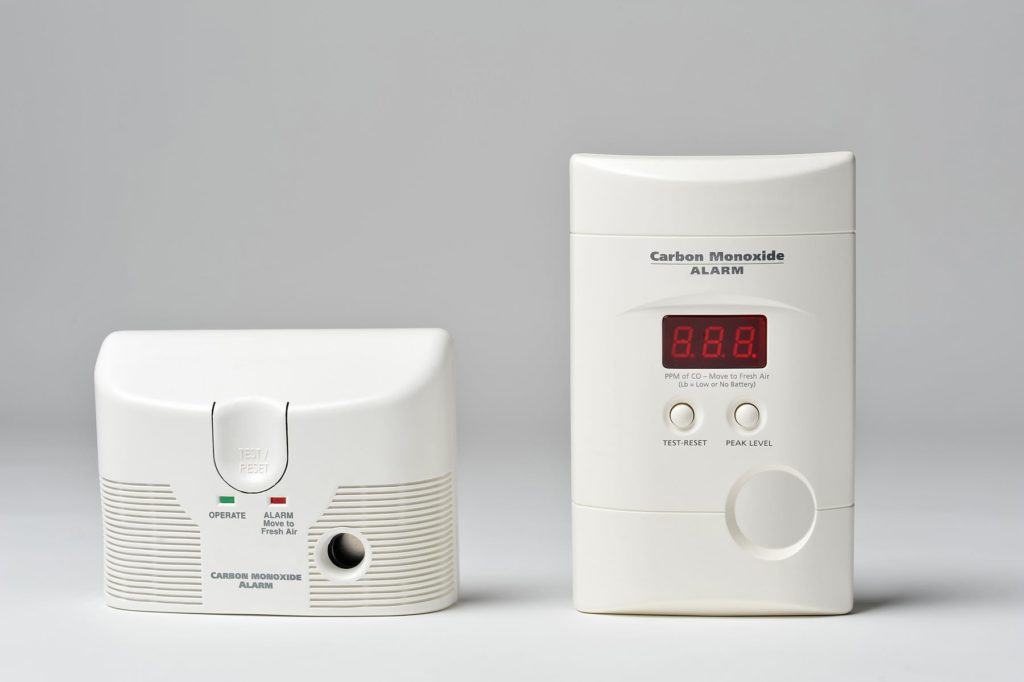
In the contemporary smart home ecosystem, the carbon monoxide (CO) alarm has evolved from a localized, analog buzzer into a sophisticated Internet of Things (IoT) safety node. These devices represent a critical intersection of electrochemical engineering and digital notification systems. When your carbon monoxide alarm begins to beep, it is not merely a mechanical reaction; it is the result of complex sensor logic and pre-programmed safety algorithms. Understanding how to respond requires a deep dive into the technology powering these sensors, the digital diagnostics provided by modern hardware, and the integration of these devices into a broader home automation stack.

Navigating the Hardware: How Modern CO Sensors Interpret Danger
At the heart of every carbon monoxide alarm is a specialized sensor designed to detect a colorless, odorless gas that escapes human biology. Unlike smoke detectors, which often rely on photoelectric or ionization technology to detect particulates, CO alarms utilize high-precision chemical and electronic interfaces to measure gas concentration in parts per million (ppm).
Electrochemical vs. Metal Oxide Semiconductor Technology
Most high-end smart home CO alarms, such as those from Nest or First Alert, utilize electrochemical sensors. This technology functions similarly to a battery. When carbon monoxide is present, it undergoes a chemical reaction at the electrode, generating an electrical current. The microchip within the device measures the intensity of this current; the higher the concentration of CO, the stronger the current.
Alternatively, some industrial-grade or budget-focused sensors use Metal Oxide Semiconductors (MOS). These involve a heated sensing element whose electrical resistance changes when gas molecules are adsorbed on its surface. From a technical perspective, electrochemical sensors are generally preferred in residential tech because they require less power—allowing for the long-term battery operation essential for Wi-Fi-connected devices—and are less sensitive to humidity fluctuations.
Understanding Threshold Logic and Time-Weighted Averages
A beep is rarely a binary response to the presence of CO. Instead, the onboard firmware follows a “Time-Weighted Average” (TWA) logic. This prevents false positives from minor, non-threatening spikes (such as a momentary backdraft from a gas stove). For example, a typical smart alarm might be programmed to trigger a full alert if it detects 70 ppm for 60 to 240 minutes, but will respond within minutes if levels exceed 400 ppm. When the device chirps or sounds a full alarm, it is executing a sequence based on these programmed thresholds, balancing sensitivity with the need to avoid “crying wolf.”
Digital Diagnostics: Troubleshooting Smart Alarm Chirps and Connectivity Issues
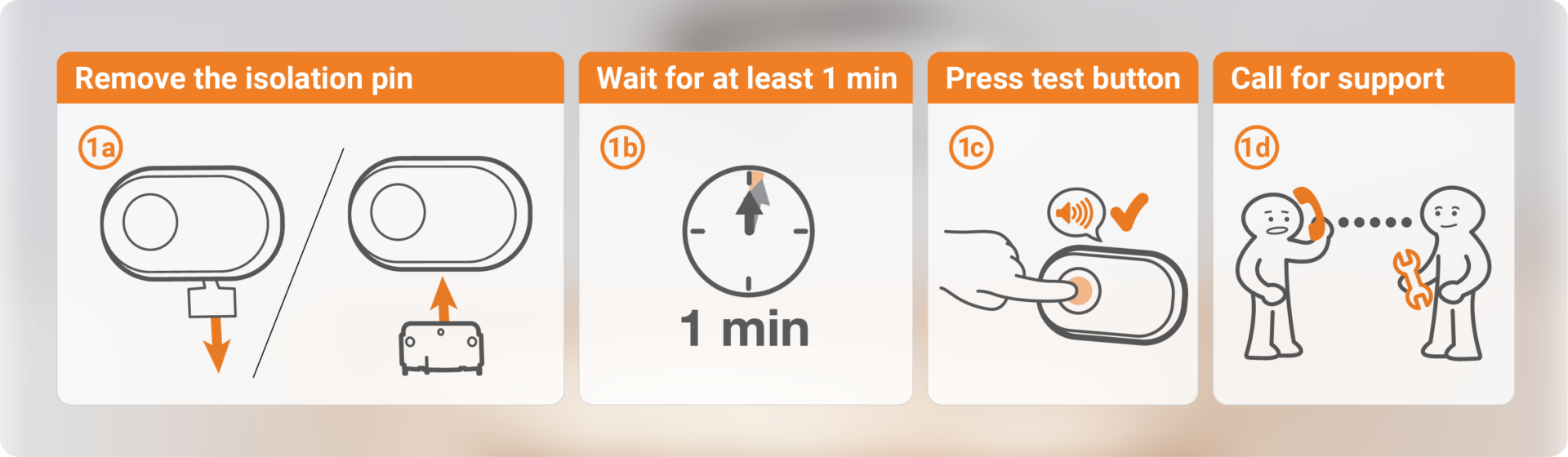
Not every beep signifies a life-threatening emergency. In the world of smart hardware, a “chirp” is often a digital status report. Distinguishing between a gas detection event and a hardware fault is the first step in tech-oriented troubleshooting.
Interpreting Pulse Patterns and LED Status Indicators
Modern CO detectors communicate their internal state through specific auditory patterns and synchronized LED flashes. If the device is integrated into a smart home hub, these diagnostics are usually pushed to a mobile application, providing a more granular look at the device’s health.
- The Continuous Alarm: This is the high-decibel emergency signal indicating that CO levels have breached safety thresholds.
- The Single Chirp (Every 30–60 Seconds): This is almost universally the “Low Battery” or “Under-Voltage” warning. In smart devices, this happens when the lithium-ion or alkaline cells can no longer support the high-power draw required for Wi-Fi or Zigbee radio transmissions.
- The Double or Triple Chirp: This often indicates a “Malfunction” or “Sensor Fault.” Modern firmware performs regular self-diagnostic sweeps. If the electrochemical cell’s impedance falls outside of a specific range, the device identifies itself as unreliable and signals for a hardware check.
Managing Signal Interference and False Positives
In a densified tech environment, electromagnetic interference (EMI) or environmental factors can occasionally trigger false positives. High concentrations of hydrogen gas, often found near lead-acid battery charging stations (such as for electric bikes or golf carts), can cross-interfere with electrochemical CO sensors. Furthermore, placing a CO alarm too close to a Wi-Fi router or high-frequency appliance can, in rare cases, induce noise in the sensor’s analog-to-digital converter. When troubleshooting a persistent beep that doesn’t correspond to a CO leak, evaluate the device’s proximity to other high-bandwidth wireless transmitters.
The Lifecycle of a Safety Node: End-of-Life Protocols and Firmware Management
Unlike many consumer electronics that can be used until they physically break, CO alarms have a hard-coded expiration date necessitated by the degradation of their chemical sensing elements.
End-of-Life (EOL) Logic
The chemical reagents within an electrochemical sensor naturally deplete over time. Most modern devices have a lifespan of 7 to 10 years. Manufacturers embed an internal timer within the firmware that triggers a specific “End-of-Life” signal—usually a persistent, non-silenceable chirp—once this window has elapsed. From a technical standpoint, this is a “fail-safe” design. Even if the device appears to power on and pass a manual test, the accuracy of the sensor can no longer be guaranteed by the manufacturer’s calibration curves.
Over-the-Air (OTA) Updates and Security
Smart CO alarms, such as those compatible with Apple HomeKit, Google Home, or Amazon Alexa, are subject to firmware updates. These updates can refine the TWA algorithms, improve battery management, or patch security vulnerabilities. If your alarm is beeping or behaving erratically, checking the manufacturer’s app for a pending OTA update is a critical step. Occasionally, a bug in the power-management firmware can cause premature low-battery warnings, which a software patch can rectify. Furthermore, because these devices are network-connected, ensuring they are running the latest security protocols is essential to prevent them from being exploited as entry points into your home network.
Integrating Safety into the Smart Home Stack: Automation and Remote Monitoring
The true value of modern CO alarm technology lies in its ability to interact with other devices in the home ecosystem. When an alarm beeps, the response should ideally be automated through a series of “If This, Then That” (IFTTT) or native smart home routines.
Automated Mitigation Routines
A sophisticated smart home setup can be programmed to react instantly to a CO alarm trigger. For instance, via a Matter or Zigbee bridge, a detected CO event can trigger the following hardware responses:
- HVAC Shutdown: Immediately turning off the furnace or AC unit to prevent the circulation of contaminated air.
- Ventilation Activation: Opening smart windows or turning on exhaust fans to facilitate air exchange.
- Lighting Pathways: Activating all smart lights and setting them to a high-visibility color (like bright white or red) to assist in evacuation, especially during nighttime events.
- Smart Lock Release: Unlocking smart deadbolts to allow emergency responders easy access to the premises.
Remote Monitoring and Redundancy
For property managers or those who travel frequently, the tech-integrated CO alarm offers remote monitoring capabilities that legacy devices cannot match. When the alarm beeps, a push notification is sent via a cloud-based server to the user’s smartphone, detailing the exact ppm levels detected. This digital redundancy ensures that even if no one is home to hear the physical beep, the event is logged and addressed.
Furthermore, data logging allows users to see historical trends. If a device shows a consistent, low-level climb in ppm over several weeks, it may indicate a malfunctioning appliance that hasn’t yet reached emergency levels but requires preventative maintenance. This transition from reactive safety to predictive maintenance is the hallmark of modern home safety technology.
Conclusion: The Convergence of Safety and Software
When a carbon monoxide alarm beeps, it is a signal from a complex piece of hardware that is constantly analyzing its environment, its internal chemistry, and its network connectivity. By understanding the underlying electrochemical sensors, the logic of firmware diagnostics, and the potential of smart home integration, users can move beyond a panicked response to a calculated, tech-driven solution. Whether the beep indicates a critical gas leak, a hardware malfunction, or a scheduled end-of-life replacement, the modern CO alarm stands as a testament to how digital tools and advanced sensors have redefined the standards of residential safety. Proper management of these devices—through regular firmware updates, environmental optimization, and automated routines—is essential for any robust, modern technological infrastructure within the home.
aViewFromTheCave is a participant in the Amazon Services LLC Associates Program, an affiliate advertising program designed to provide a means for sites to earn advertising fees by advertising and linking to Amazon.com. Amazon, the Amazon logo, AmazonSupply, and the AmazonSupply logo are trademarks of Amazon.com, Inc. or its affiliates. As an Amazon Associate we earn affiliate commissions from qualifying purchases.