
Transitioning into your first apartment is more than a lifestyle milestone; it is a significant capital allocation exercise. For many young professionals and first-time renters, this move represents the largest single outflow of liquidity they have faced to date. While the temptation is to focus on aesthetics and interior design trends, a financially literate approach focuses on return on investment (ROI), asset longevity, and the preservation of cash flow.
Navigating the “what to buy” phase requires a shift in perspective. You are not just buying furniture; you are building an infrastructure for your productivity and financial stability. Every dollar spent on a depreciating asset like a sofa is a dollar that isn’t sitting in a high-yield savings account or a brokerage fund. Therefore, the goal is to furnish and equip your space with a strategic mindset that balances immediate needs with long-term financial health.
The Financial Foundation: Prioritizing High-ROI Essentials
In personal finance, we often talk about “cost per use.” When furnishing a first apartment, this metric should be your North Star. If you spend $1,000 on a mattress and use it for eight hours a day over ten years, the cost is roughly $0.27 per night. Conversely, a $200 decorative accent chair that you sit in twice a year has an astronomical cost per use.
Identifying “Anchor Items”
Your financial priority should be on “anchor items”—the essential pieces of infrastructure that directly impact your health, sleep, and ability to generate income. The mattress is the premier anchor item. Sleep deprivation is a silent killer of professional performance and cognitive function. Investing in a high-quality, durable mattress is not a luxury; it is a defensive investment in your human capital.
Beyond the bedroom, the next anchor is your work-from-home setup. In the modern economy, your apartment is likely a dual-use facility: a residence and an office. An ergonomic chair and a stable desk are essential tools of the trade. Treating these as business expenses (even if not tax-deductible in your specific situation) helps frame the purchase as an investment in avoiding future medical costs related to poor posture and repetitive strain.
The Quality vs. Quantity Dilemma
A common financial mistake for first-time renters is “panic buying”—purchasing low-quality, flat-pack furniture to fill a room quickly. From a wealth-building perspective, this is often a “poor man’s trap.” Low-quality items have zero resale value and often need to be replaced within 24 months.
Instead, adopt a “buy it for life” (BIFL) philosophy for key pieces. If you cannot afford the high-quality version of an item immediately, it is often better to live without it for three months while you save, rather than wasting capital on a placeholder that will end up in a landfill. This disciplined approach preserves your long-term net worth.
Budgeting Strategies for Furnishing from Scratch
The financial shock of a first apartment includes more than just the security deposit and first month’s rent. The “set-up costs” can easily reach thousands of dollars if not managed through a strict budgetary framework.
The 50/30/20 Rule for First-Time Renters
In traditional personal finance, the 50/30/20 rule suggests 50% of income goes to needs, 30% to wants, and 20% to savings. However, during the move-in month, your “needs” category expands significantly. To manage this, you should establish a “Move-In Sinking Fund” at least six months prior to your lease start date.
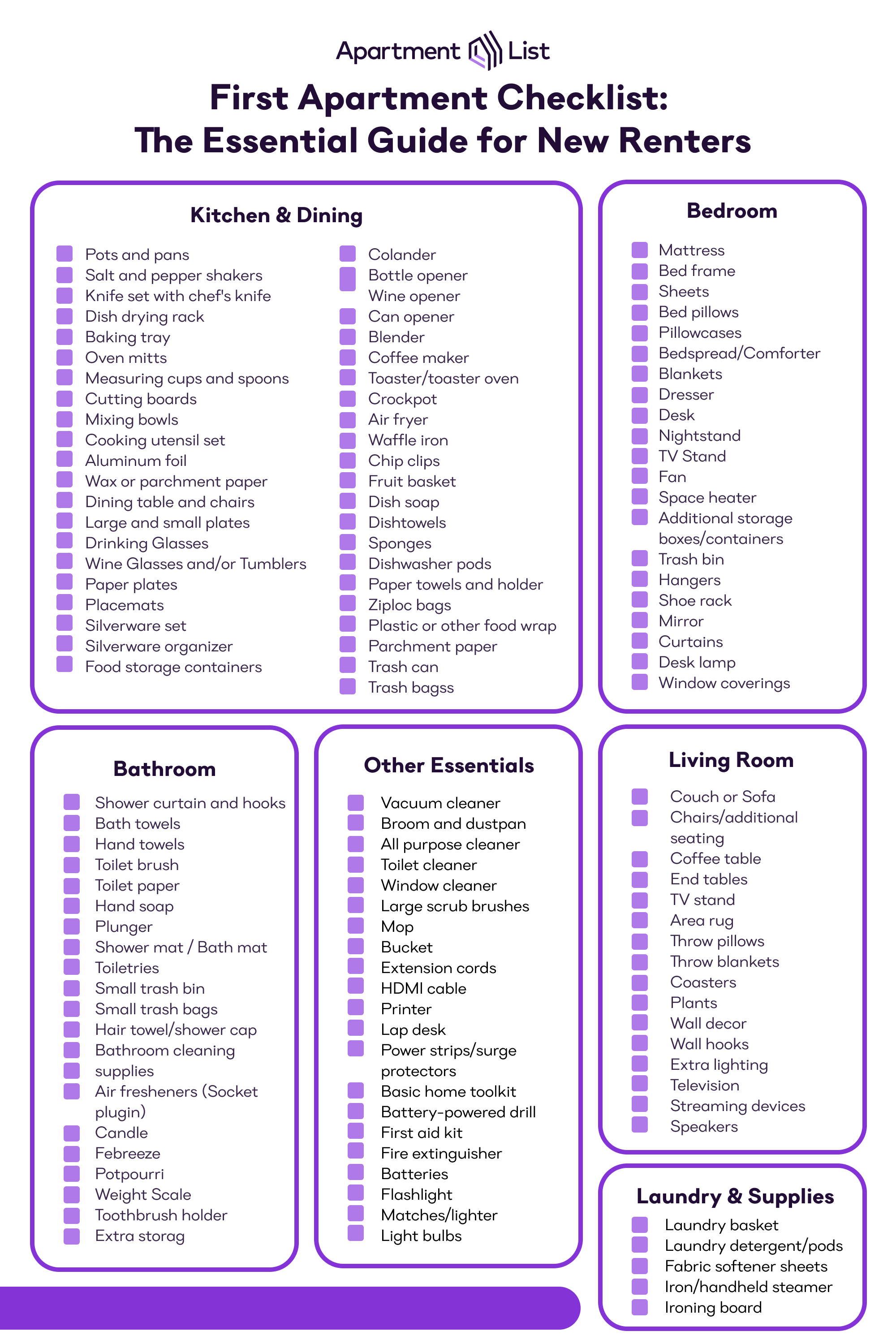
When shopping, categorize every potential purchase into “Day 1 Essentials” (bed, basic cookware, lighting, shower curtain) and “Month 3 Desirables” (coffee table, wall art, rug). By deferring non-essential purchases, you maintain a liquidity buffer to handle the unexpected utility deposits or minor repairs that inevitably accompany a new lease.
Sunk Costs and Hidden Moving Expenses
Many renters overlook the “friction costs” of moving. Professional movers, truck rentals, packing supplies, and insurance are sunk costs—money that leaves your pocket and never returns in the form of equity or utility. To optimize your budget, look for ways to minimize these frictions. Buying furniture that is modular and easy to move yourself can save thousands of dollars in professional moving fees over the next five years as you transition to larger spaces or different cities.
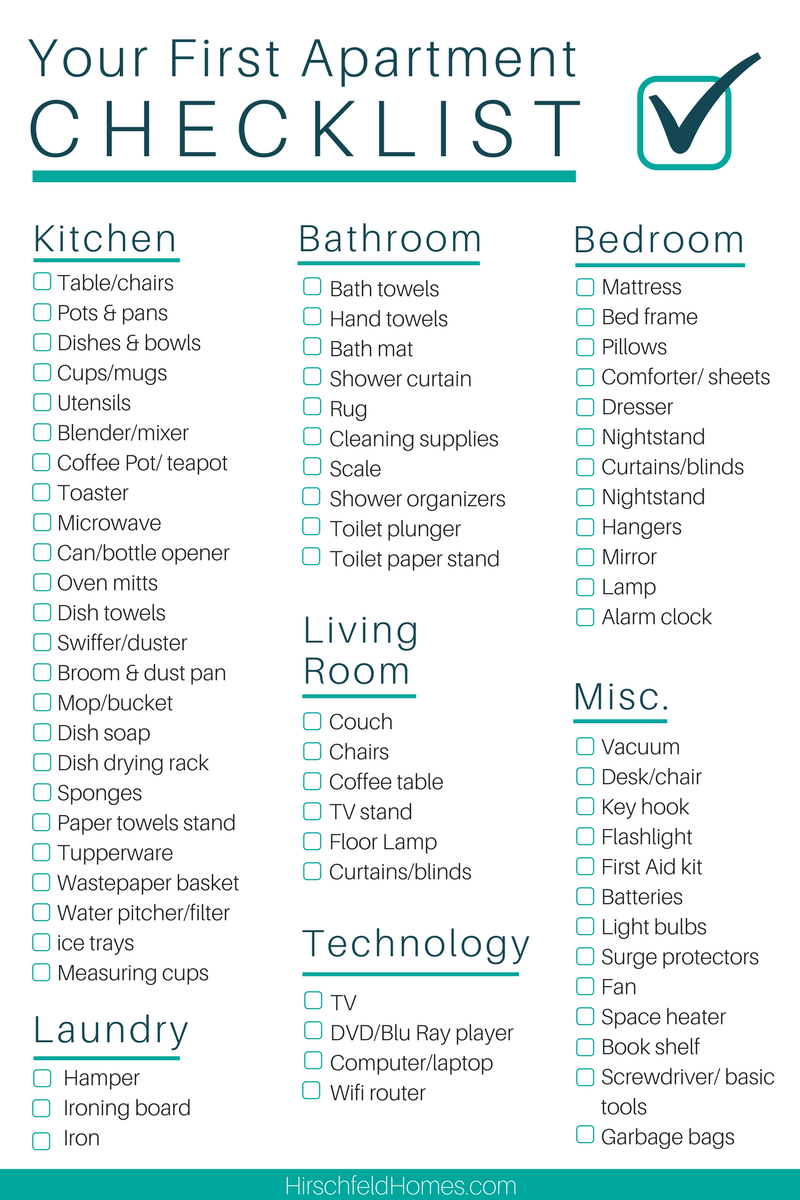
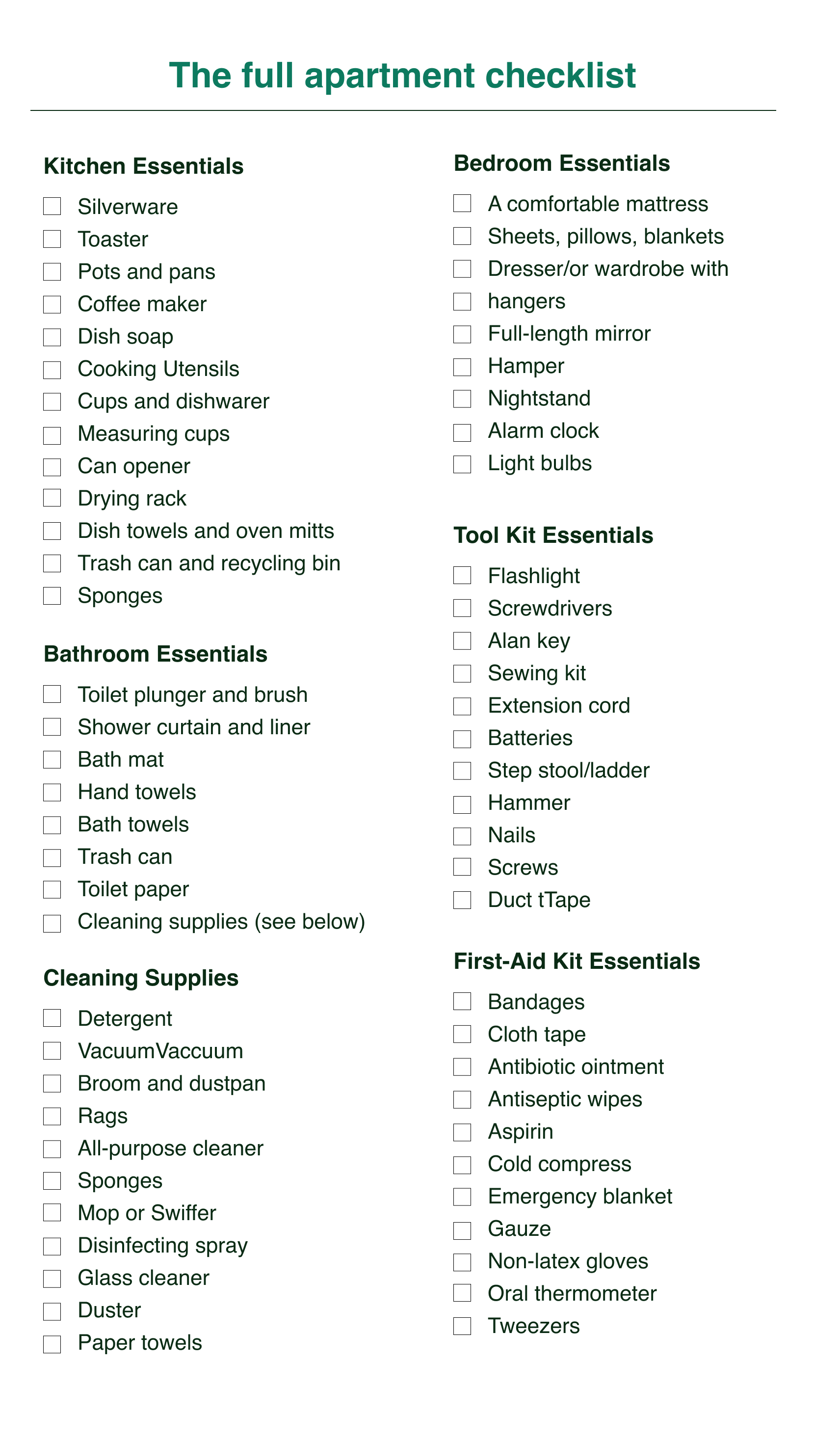
Furthermore, consider the “utilitarian essentials” often forgotten until they are needed: a basic toolkit, a fire extinguisher, and a first-aid kit. These are low-cost items that function as a form of self-insurance against minor household disasters that could otherwise result in costly professional call-outs or security deposit deductions.
Optimizing Your Living Space for Income Generation
In the contemporary financial landscape, your apartment should be viewed as an asset that facilitates income. Whether you are a remote employee, a freelancer, or someone pursuing a side hustle, what you buy for your apartment should enhance your earning potential.
The Remote Work Infrastructure
If your career involves digital output, your first apartment purchases must include high-speed networking equipment. Relying on the basic router provided by an ISP is often a bottleneck to productivity. Investing in a high-quality mesh Wi-Fi system or an Ethernet-over-power adapter is a strategic move to ensure uptime.
Additionally, consider the “professionalism” of your space. If you are client-facing, a professional backdrop or high-quality lighting for video calls is a small investment that pays dividends in how you are perceived in your industry. This is part of your “personal brand” infrastructure.
Investing in Energy Efficiency to Lower Overhead
Your monthly cash flow is dictated not just by rent, but by operating expenses. When buying appliances or electronics for your first apartment, pay close attention to energy ratings. A “cheap” second-hand refrigerator that consumes $40 of electricity a month is far more expensive over a two-year lease than a more efficient model.
Smart home technology, such as programmable thermostats or smart plugs, can be used to automate energy savings. From a personal finance perspective, these gadgets offer a clear internal rate of return (IRR) by reducing recurring monthly utility bills. For a first-time renter, lowering the “burn rate” is essential for accelerating the growth of an emergency fund or investment portfolio.
Risk Management and Asset Protection
Protecting your financial interests in a first apartment goes beyond just locking the door. It involves hedging against liabilities and ensuring that the assets you have purchased are protected.
Renters Insurance as a Financial Safeguard
One of the most critical “buys” for a first apartment is not a physical object, but a renters insurance policy. For the cost of a few lattes a month (typically $15–$30), you protect yourself against the total loss of your belongings due to fire, theft, or water damage. Perhaps more importantly, it provides personal liability coverage. If someone is injured in your apartment, or if you accidentally cause damage to the building, this insurance prevents a single mistake from causing personal bankruptcy.
Tracking Depreciation and Resale Value
As you acquire items, keep a digital folder of receipts and warranties. In the world of business finance, this is standard asset management; in personal finance, it is a way to ensure you can claim insurance or sell items later.
When choosing between brands, consider the secondary market. Certain furniture brands (like West Elm, Room & Board, or high-end IKEA lines) retain a significant percentage of their value on platforms like Facebook Marketplace or Kaiyo. Buying items with high “liquidity” on the second-hand market means that your first apartment furniture can be sold to fund your eventual move into a house or a larger space, essentially acting as a “stored value” account.
Long-Term Financial Planning Beyond the Lease
The items you buy for your first apartment should not be seen as permanent fixtures, but as a transitional kit. The goal is to reach a point of “financial equilibrium” where your living space supports your lifestyle without draining your ability to invest in the market.
Scaling Your Purchases for Future Moves
Avoid buying furniture that only works in one specific layout. Financial flexibility is highly correlated with physical flexibility. Opt for modular shelving, neutral color palettes, and standard-sized rugs. These items can “scale” with you. A desk that fits in your first studio apartment should ideally be able to serve as a console table or a vanity in your second or third home. This prevents the “forced upgrade” cycle that traps many people in a state of perpetual spending.
The Opportunity Cost of Aesthetic Perfection
Finally, recognize that the “perfect” apartment is often a financial trap. Social media creates a pressure to have a fully furnished, professionally styled home on day one. From an investing standpoint, this is a suboptimal use of capital.
The most successful first-time renters are those who are comfortable with “calculated minimalism.” By living with less for the first six months, you gather data on how you actually use the space. This prevents you from buying a dining table you never use or a guest bed that remains empty. That unspent capital, when diverted into an index fund or a retirement account early in your career, can grow exponentially thanks to the power of compounding.
What you buy for your first apartment is a reflection of your financial values. By prioritizing high-ROI essentials, budgeting for friction costs, and viewing your space as a platform for income generation, you turn your first home into a springboard for long-term wealth rather than a sinkhole for your hard-earned savings. Focus on utility, durability, and financial protection, and you will find that your first apartment becomes the foundation of a robust financial future.
aViewFromTheCave is a participant in the Amazon Services LLC Associates Program, an affiliate advertising program designed to provide a means for sites to earn advertising fees by advertising and linking to Amazon.com. Amazon, the Amazon logo, AmazonSupply, and the AmazonSupply logo are trademarks of Amazon.com, Inc. or its affiliates. As an Amazon Associate we earn affiliate commissions from qualifying purchases.