
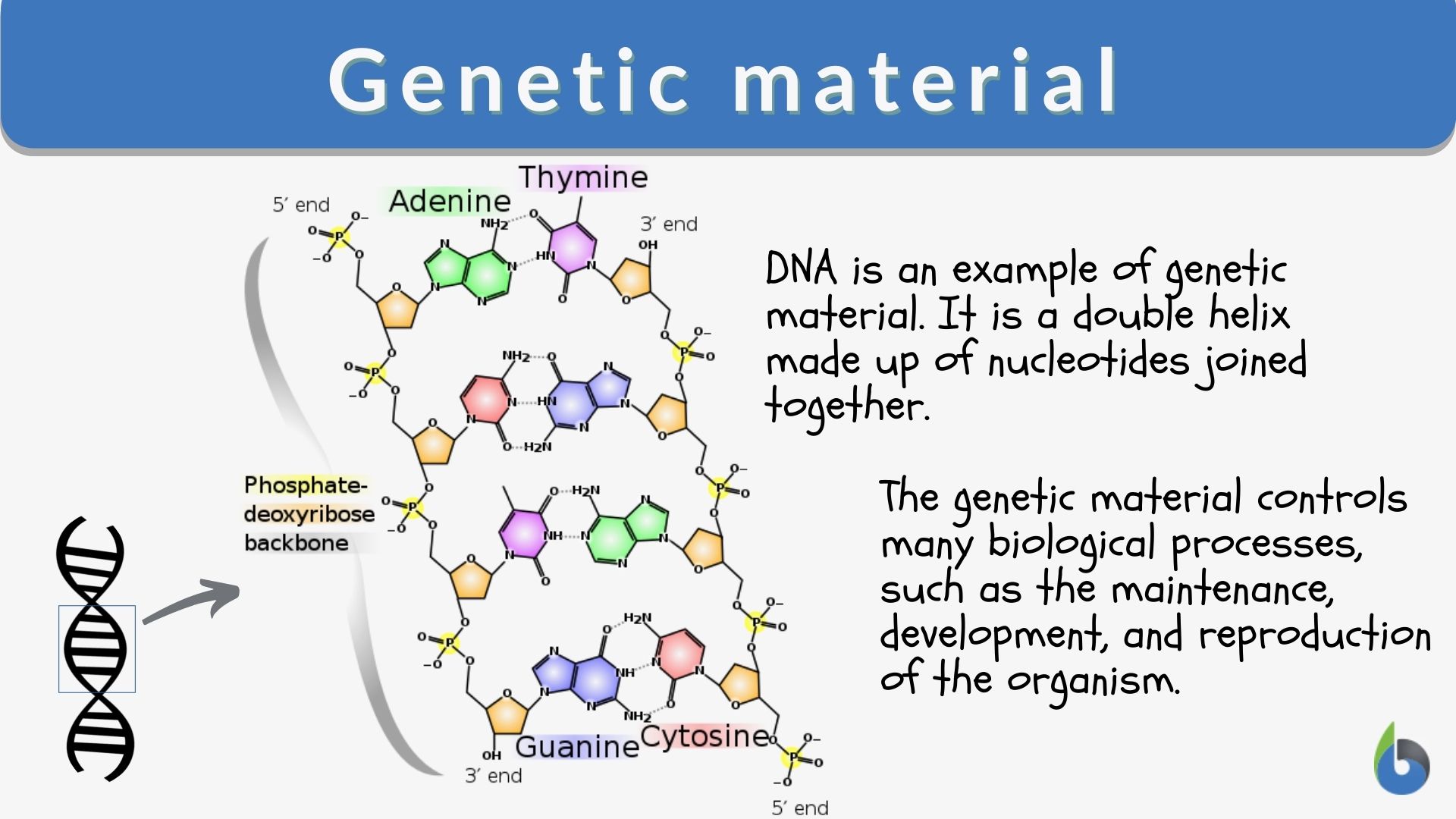
The genetic makeup of an organism, often referred to as its genotype, was once a mystery locked behind the impenetrable walls of cellular chemistry. Today, it has become one of the most significant data frontiers in the world of technology. To understand the genetic makeup of an organism is no longer a purely biological pursuit; it is a task that requires high-performance computing, sophisticated algorithms, and massive storage infrastructure. By decoding the sequence of nucleotides—Adenine, Thymine, Cytosine, and Guanine—scientists are essentially reading the source code of life itself.
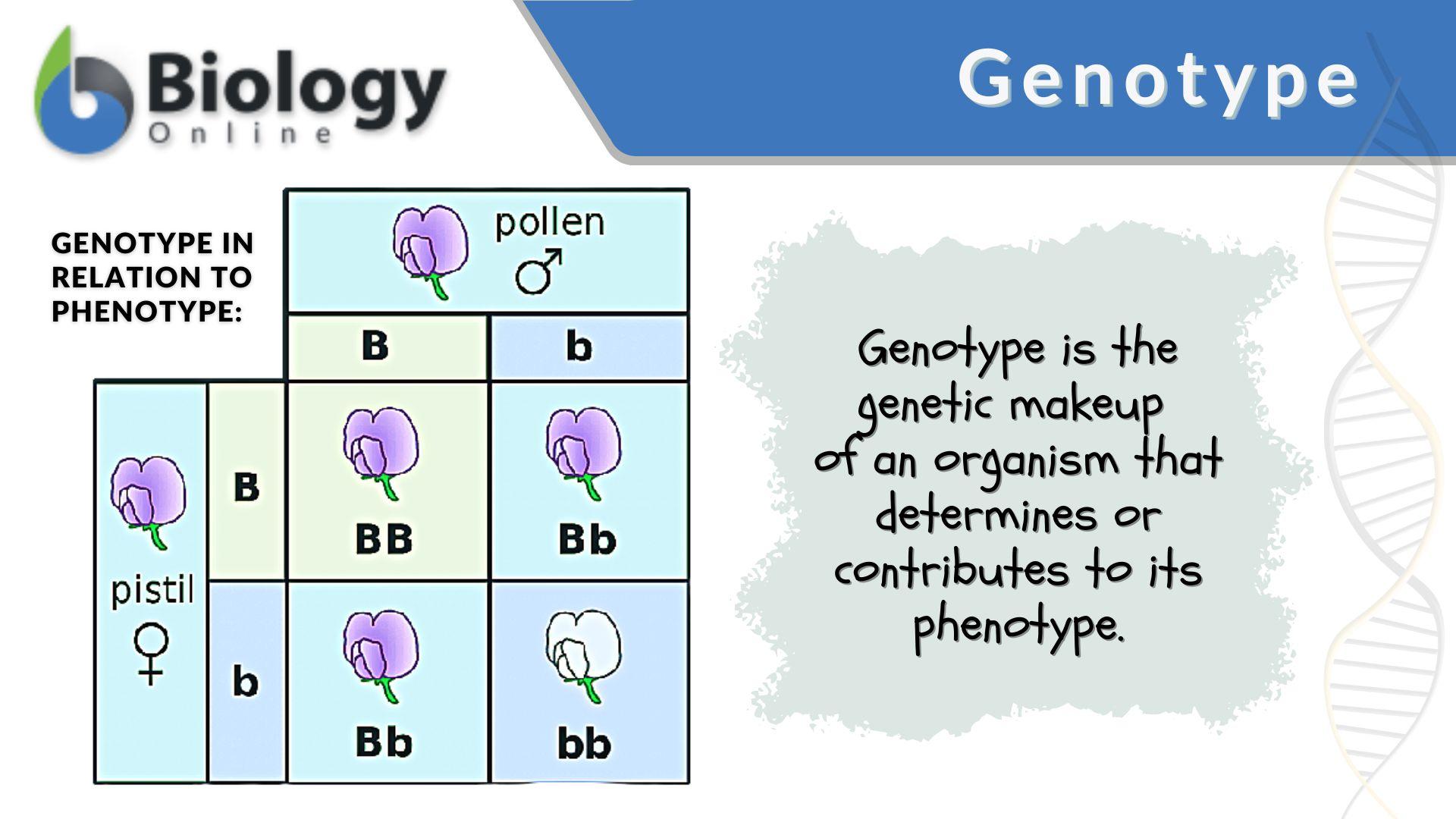
As we move further into the digital age, the boundary between biological systems and technological systems continues to blur. Modern technology has transformed genomics from a descriptive science into an interpretive and predictive one. Through the lens of technology, the genetic makeup of an organism is a blueprint that can be scanned, analyzed, edited, and even simulated.
The Technological Revolution of DNA Sequencing
The journey to understanding genetic makeup began with the Human Genome Project, a massive international effort that took 13 years and cost nearly $3 billion. Today, thanks to exponential advancements in sequencing technology, a full human genome can be sequenced in less than a day for under $1,000. This drastic reduction in cost and time is a direct result of “Next-Generation Sequencing” (NGS) and the silicon-based technologies that support it.
From Sanger to Next-Generation Sequencing (NGS)
The early days of genetic mapping relied on Sanger sequencing, a method that, while accurate, was labor-intensive and low-throughput. The shift to NGS marked the transition of genomics into the realm of “Big Tech.” NGS platforms utilize massively parallel processing—a concept borrowed from computer science—to sequence millions of small fragments of DNA simultaneously. These fragments are then digitally stitched together using complex assembly algorithms. This shift represents the transition from “serial” biological processing to “parallel” digital processing, allowing for the rapid analysis of the genetic makeup of diverse organisms.
Nanopore Sequencing and Real-Time Data
Perhaps the most disruptive tech in this space is Nanopore sequencing. Unlike traditional methods that use optical sensors to detect chemical reactions, Nanopore technology involves passing a single strand of DNA through a microscopic protein pore. As the DNA strands pass through, they create characteristic disruptions in an electrical current. These fluctuations are captured by sensors and converted into sequence data in real-time. This portability allows researchers to sequence the genetic makeup of organisms in the field—whether in a rainforest or an Arctic station—using devices no larger than a smartphone.
Bioinformatics: Where Software Meets the Genome
Because the genetic makeup of even a simple organism contains millions of data points, it is impossible for human researchers to analyze this information manually. This has given birth to Bioinformatics, a discipline that sits at the intersection of biology and data science. In this context, the genome is treated as a massive, unstructured database that requires specialized software to query and interpret.
High-Performance Computing (HPC) and Data Storage
The raw data generated by a single genome sequence can reach hundreds of gigabytes. When multiplied by thousands of test subjects or different species, the storage requirements become astronomical. Modern genomics labs rely on cloud-based High-Performance Computing (HPC) environments to manage this load. Using distributed computing frameworks, researchers can run “alignment algorithms” that compare an organism’s genetic makeup against a reference genome to identify mutations or unique traits. Without the scalability of the cloud, the current pace of genetic discovery would be impossible.
Open-Source Tools and Collaborative Code
The tech community has played a vital role in genomics through the development of open-source libraries. Programming languages like Python and R have become the standard for genetic analysis. Libraries such as Biopython provide tools for biological computation, enabling developers to write scripts that can identify specific gene sequences or predict how a protein might fold based on its genetic instructions. This collaborative approach has democratized the ability to analyze the genetic makeup of organisms, allowing small labs to perform research that was once reserved for global conglomerates.
Artificial Intelligence and the Interpretation of Genotypes
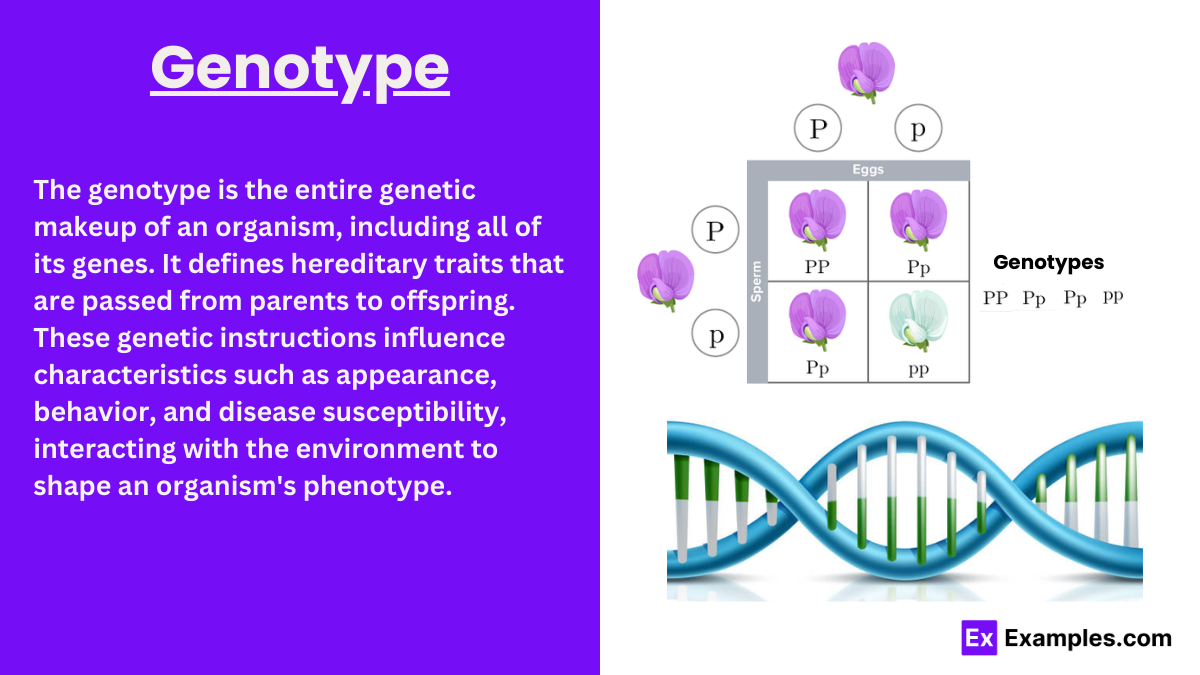
If sequencing is the process of “reading” the genetic makeup, then Artificial Intelligence (AI) is the process of “understanding” it. AI and Machine Learning (ML) are currently being deployed to solve some of the most complex puzzles in biology, such as predicting the phenotypic expression of a genotype—essentially figuring out how a specific set of genes will manifest as physical traits or diseases.
Pattern Recognition in Non-Coding DNA
For a long time, a large portion of an organism’s genetic makeup was dismissed as “junk DNA” because it did not code for proteins. However, AI algorithms have revealed that these regions are actually highly complex regulatory networks. Deep learning models can scan these vast non-coding regions to find patterns that humans would miss, identifying the “switches” that turn genes on or off. This has massive implications for biotechnology, as it allows us to understand the logic gates of biological systems in a way that mirrors how software engineers understand a computer’s operating system.
Predictive Modeling and Protein Folding
One of the greatest triumphs of AI in recent years is DeepMind’s AlphaFold. The genetic makeup of an organism provides the instructions for building proteins, but knowing the sequence is not enough to know how the protein will function; you must also know its 3D shape. Predicting this shape—the protein-folding problem—remained unsolved for fifty years. By using neural networks trained on known structures, AlphaFold can now predict the shape of nearly every protein encoded by the human genome. This tech-driven insight into an organism’s makeup is accelerating drug discovery and the development of new materials.
Synthetic Biology and the Digital Re-Engineering of Life
As our tech for reading genetic makeup has matured, we have developed equally sophisticated tech for “writing” it. Synthetic biology is a field that treats DNA as a programmable material. In this paradigm, an organism’s genetic makeup is not just something to be studied, but something to be designed and optimized.
CRISPR-Cas9 as a Biological Text Editor
CRISPR technology acts as a “find and replace” tool for the genome. By using a guide RNA to locate a specific sequence within the genetic makeup of an organism, the Cas9 enzyme can be directed to cut the DNA at a precise location. This allows for the insertion, deletion, or modification of genetic material. From a tech perspective, CRISPR is the ultimate hardware-software interface, allowing us to “patch” the code of living organisms to cure genetic diseases or enhance specific traits in crops.
DNA as a Digital Storage Medium
One of the most fascinating intersections of tech and genetics is the use of the genetic makeup itself as a storage device. Because DNA is incredibly dense and stable, researchers have successfully encoded digital files—such as photos, books, and operating systems—into synthetic DNA strands. The binary code of 0s and 1s is converted into the quaternary code of A, C, T, and G. While still in the experimental phase, DNA storage tech suggests a future where the genetic makeup of an organism could serve as a permanent, high-density archive for human knowledge.
The Future of Tech-Driven Genomics: Personalization and Security
The ability to rapidly and accurately analyze the genetic makeup of an organism is leading us toward a future of “Precision Technology.” This includes everything from personalized medicine to the tracking of global biodiversity. However, this progress also brings new challenges in the realms of digital security and ethics.
Digital Twins and Personalized Healthcare
In the near future, your genetic makeup could be used to create a “Digital Twin”—a virtual model of your biological self. Physicians could use this model to test how your specific genotype would react to different medications before prescribing them. This integration of IoT (Internet of Things) and genomic data would allow for real-time health monitoring that is uniquely tailored to an individual’s biological source code.
The Cybersecurity of Biological Data
As genetic makeup becomes digitized, it becomes vulnerable to the same threats as any other form of sensitive data. Biological identity is the ultimate biometric; unlike a password or a credit card number, your DNA cannot be changed. This has led to a surge in “Biocybersecurity,” a field focused on protecting genomic databases from hacking and ensuring that the genetic privacy of individuals and species is maintained. As we continue to integrate our biological selves with our technological infrastructure, the security of our genetic makeup will become a paramount concern for the tech industry.
In conclusion, the genetic makeup of an organism is no longer a static biological fact. It is a dynamic stream of data that informs the cutting edge of technological innovation. From the AI that deciphers its secrets to the synthetic tools that edit its code, the fusion of genomics and technology is defining the next era of human advancement. As we refine these tools, we are not just learning about life—we are learning how to program it.
aViewFromTheCave is a participant in the Amazon Services LLC Associates Program, an affiliate advertising program designed to provide a means for sites to earn advertising fees by advertising and linking to Amazon.com. Amazon, the Amazon logo, AmazonSupply, and the AmazonSupply logo are trademarks of Amazon.com, Inc. or its affiliates. As an Amazon Associate we earn affiliate commissions from qualifying purchases.