
In the rapidly evolving landscape of the legal cannabis industry, product differentiation is no longer just a matter of botanical strain or potency. For brand strategists and corporate identity experts, the distinction between a “blunt” and a “joint” represents one of the most compelling case studies in market segmentation, consumer psychology, and lifestyle branding. While the casual observer might view these as mere delivery mechanisms for a plant, a brand-centric analysis reveals two entirely distinct product architectures that cater to different demographics, cultural histories, and emotional triggers.

Understanding the difference between a blunt and a joint is essential for any enterprise looking to navigate the cannabis sector. It is the difference between marketing a minimalist, wellness-oriented lifestyle and a bold, social, and flavor-forward experience. By dissecting these two icons, we can uncover the strategic pillars that allow brands to build loyalty in a crowded and highly regulated marketplace.
Understanding the Product Archetypes: Why Definitions Matter in Modern Branding
From a brand strategy perspective, a product’s physical attributes are the primary touchpoints for its identity. The joint and the blunt serve as the “hardware” of the consumption experience, and their material composition dictates the brand narrative.
The Joint: The “Classic” Brand Persona
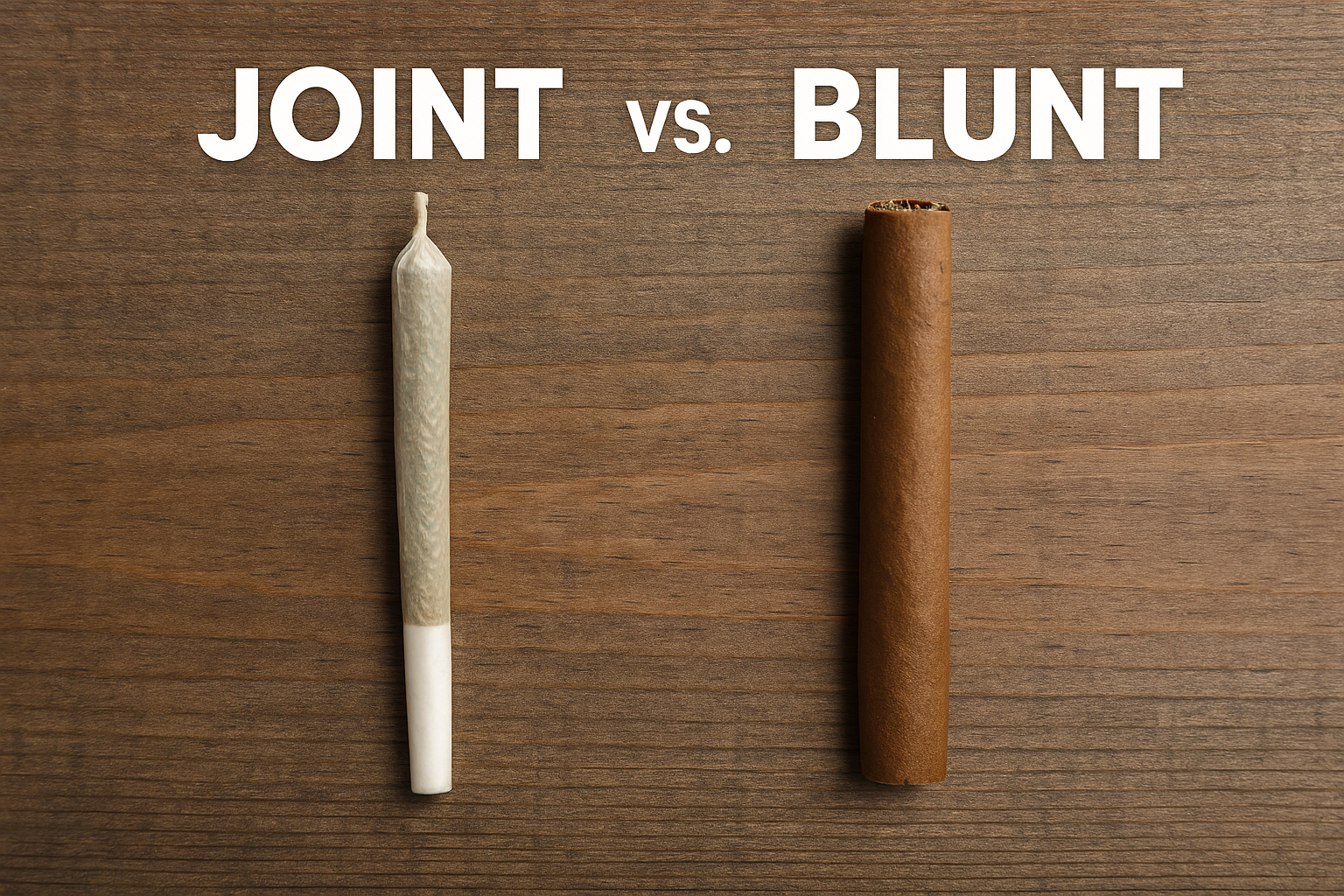
The joint is the quintessential symbol of the cannabis industry. Traditionally defined by the use of translucent or white rolling papers—often made from rice, hemp, or flax—the joint represents a “clean,” “pure,” and “minimalist” brand persona. In the world of personal branding and corporate identity, the joint is the “Apple” of the cannabis world. It is sleek, understated, and focuses on the core product: the flower.
Brands that focus on joints often lean into themes of wellness, transparency, and sophistication. The lack of added flavors or heavy materials in a joint allows the “terpene profile” (the brand’s unique selling proposition) to take center stage. For a business, the joint is a versatile tool that can be marketed to everyone from the “Canna-curious” beginner to the seasoned connoisseur who values a pristine tasting experience.
The Blunt: The “Bold” Market Disruptor
In contrast, the blunt is defined by its wrap—traditionally a tobacco leaf or a specialized hemp-based substitute. This gives the product a larger, more substantial physical presence and a distinct, robust flavor profile. If the joint is a minimalist tech product, the blunt is a high-end, luxury cigar. It represents a “bold,” “social,” and “celebratory” identity.
The blunt’s brand identity is historically rooted in urban culture and social ritual. It is a product designed for longevity and shared experiences. From a branding standpoint, the blunt offers more “real estate” for sensory marketing. The aroma of the wrap, the weight in the hand, and the slower burn rate all contribute to a premium, “heavyweight” brand image that appeals to consumers looking for intensity and status.
Consumer Psychology and the Power of Ritual in Brand Loyalty
To build a successful brand around these products, one must understand the psychological motivations of the target audience. The choice between a blunt and a joint is rarely accidental; it is an expression of the consumer’s desired identity at a specific moment in time.
Lifestyle Marketing and Target Demographics
Brand strategy relies heavily on demographic data, but in the cannabis space, “psychographics”—the study of personality, values, and interests—are even more critical.
The joint consumer often aligns with the “Modern Professional” or “Wellness Enthusiast” archetype. They value efficiency, discretion, and health-conscious choices. Branding for this segment involves clean lines, pastel or neutral color palettes, and messaging that emphasizes quality control and laboratory testing. By choosing a joint, the consumer is signaling an interest in a refined, controlled experience.
On the other hand, the blunt consumer often aligns with the “Social Maven” or the “Trendsetter.” This demographic views consumption as a communal event. The blunt is a conversation starter—it is visually striking and carries a sense of “premium indulgence.” Brands targeting this segment often use vibrant colors, gold-leaf accents, and messaging that highlights “strength” and “community.”
Cultural Heritage vs. Corporate Modernization
A significant challenge in cannabis branding is balancing cultural heritage with the needs of a modern corporate identity. The blunt, in particular, has deep roots in specific cultural movements that have influenced music, fashion, and art. A brand that attempts to market blunts without acknowledging this heritage risks appearing “inauthentic”—the ultimate sin in personal and corporate branding.
Successful brands navigate this by hiring cultural consultants and ensuring that their marketing campaigns are inclusive and respectful of the product’s origins. Conversely, the joint has been more easily “corporatized,” fitting neatly into the aesthetic of boutique dispensaries that look more like high-end pharmacies or jewelry stores.
Packaging, Design, and the Visual Language of Cannabis Products
In a retail environment, the package is the brand. Because the physical difference between a blunt and a joint is so distinct, their packaging must communicate these differences instantly to the consumer.
Minimalist Aesthetic vs. Maximalist Appeal
Joint packaging typically follows a minimalist design philosophy. Pre-roll “tins” or slim tubes use sleek typography and plenty of “white space” to convey a sense of pharmaceutical-grade quality. The design goal here is to reduce “friction” and make the product feel safe and approachable.
Blunt packaging, however, often leans into a maximalist aesthetic. Because blunts are often sold as single, high-value units or “infused” specialty items, the packaging is designed to feel like a “gift” or a “luxury collectible.” Think glass tubes with cork stoppers, wax seals, or embossed metallic boxes. This visual language justifies a higher price point and positions the blunt as a “top-shelf” offering.
Sustainability and Materiality in Brand Perception
Modern brand strategy demands a focus on sustainability. As consumers become more environmentally conscious, the materials used for joints and blunts are under scrutiny.
- Joints: Brands are increasingly using unbleached, organic hemp papers and biodegradable “crutches” (filters). This aligns the brand with environmental stewardship.
- Blunts: The transition from tobacco-based wraps to 100% hemp or tea-leaf wraps is a major branding shift. It allows companies to market a “cleaner” blunt experience, removing the stigma of nicotine while maintaining the physical characteristics that blunt lovers enjoy.
By emphasizing these material choices, a brand can build deep trust with a consumer base that values corporate social responsibility.
Strategic Positioning: How Brands Navigate the Joint vs. Blunt Divide
For a business entering the cannabis space, the decision to produce joints, blunts, or both is a strategic one that affects everything from the supply chain to the marketing budget.
Premiumization and High-End Market Entry
The “pre-roll” market is currently one of the fastest-growing segments in the industry. However, the market is bifurcated. A brand might choose to position its joints as a high-volume, accessible product for daily use. Meanwhile, they might position their blunts as a “Limited Edition” or “Reserve” line.
This “tiered” branding strategy allows a company to capture two different price points. The joint serves as the “entry-level” product that builds brand awareness, while the blunt serves as the “aspirational” product that drives higher profit margins and builds brand prestige.
Mass Market Penetration and Accessibility
For brands looking for mass-market penetration, the joint is often the safer bet. It is easier to manufacture at scale using automated pre-roll machines, and it faces fewer regulatory hurdles regarding “flavoring” and “tobacco-adjacent” marketing.
However, the blunt offers a unique opportunity for “niche dominance.” Because many large corporate players shy away from the complexities of blunt production and its specific cultural associations, smaller, more agile brands can establish themselves as the “king of blunts” by focusing on craftsmanship, hand-rolling techniques, and exotic wrap materials like rose petals or cocoa husks.

The Future of Cannabis Branding: Innovation Beyond the Roll
As we look toward the future, the lines between the blunt and the joint are beginning to blur, creating new opportunities for brand innovation. We are seeing the rise of “infused” products—joints painted with oil and rolled in kief, or blunts containing high-potency concentrates.
From a brand strategy perspective, these “hybrid” products represent the ultimate evolution of the category. They combine the purity and technical precision of the joint with the power and social status of the blunt. For a brand, this is the “Goldilocks zone”—a product that appeals to everyone by offering a curated, high-performance experience.
Ultimately, the difference between a blunt and a joint is a testament to the power of branding. It shows how the same raw material—cannabis—can be packaged into two completely different narratives. Whether a brand chooses the minimalist path of the joint or the bold, cultural path of the blunt, success lies in understanding the ritual, the history, and the psychological needs of the consumer. In the world of branding, it’s not just about what you smoke; it’s about who you are when you’re smoking it.
aViewFromTheCave is a participant in the Amazon Services LLC Associates Program, an affiliate advertising program designed to provide a means for sites to earn advertising fees by advertising and linking to Amazon.com. Amazon, the Amazon logo, AmazonSupply, and the AmazonSupply logo are trademarks of Amazon.com, Inc. or its affiliates. As an Amazon Associate we earn affiliate commissions from qualifying purchases.