
In the modern marketplace, a brand is far more than a logo or a catchy slogan; it is a living entity with a distinct personality, a set of values, and a specific mission. The question “What superhero would you be?” is often dismissed as a lighthearted icebreaker or a viral social media quiz. However, when viewed through the lens of brand strategy, this inquiry uncovers the foundational elements of identity, purpose, and market positioning. For founders, marketers, and creative directors, identifying a brand’s “superhero persona” is a sophisticated exercise in archetype mapping that can dictate everything from visual design to customer engagement strategies.
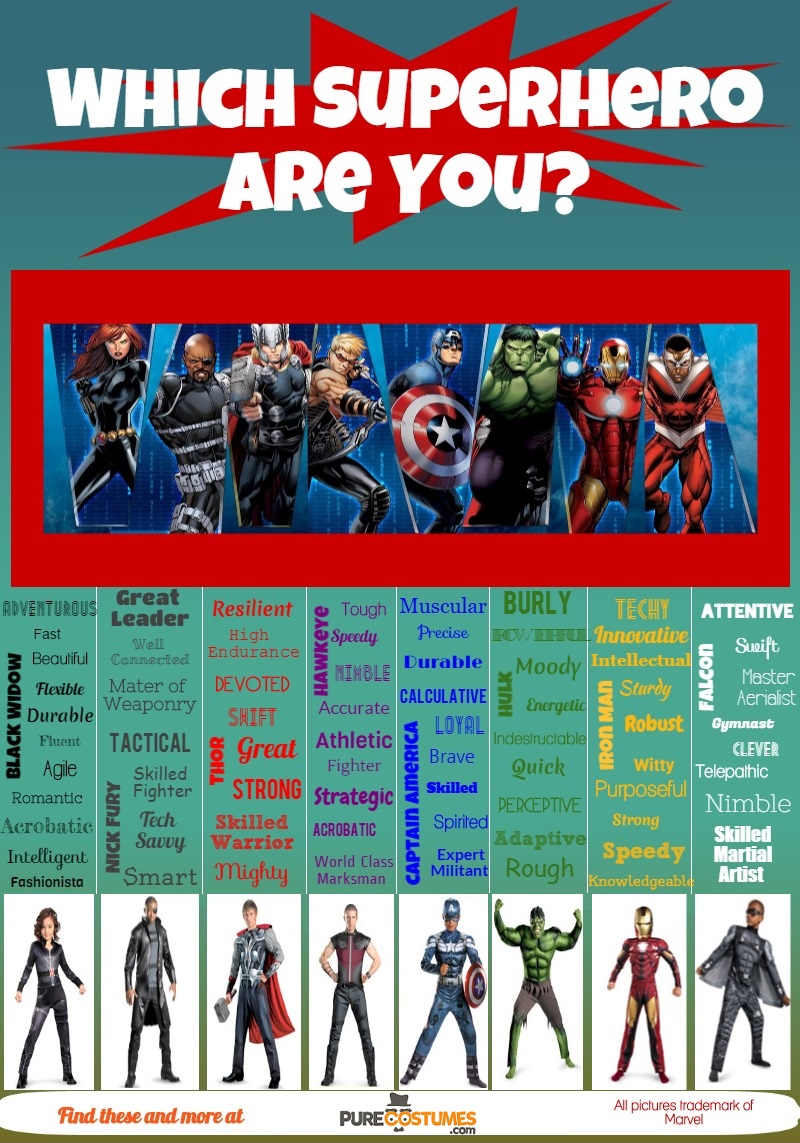
Understanding your brand’s superhero identity allows you to tap into universal narratives that resonate deeply with consumers. By categorizing your professional identity within the framework of heroic archetypes, you can create a more cohesive, recognizable, and emotionally resonant brand.
The Psychology of the Superhero: Why Identity Matters in Branding
At its core, the fascination with superheroes stems from our innate desire for order, protection, and the manifestation of human potential. In the world of branding, these same desires drive consumer loyalty. When a customer chooses a brand, they are often choosing a partner that reflects their own values or compensates for their perceived weaknesses.
The Power of the Archetype
The concept of archetypes, popularized by psychologist Carl Jung, suggests that there are universal, inborn models of people, behaviors, and personalities that play a role in influencing human behavior. In branding, these archetypes—such as the Hero, the Outlaw, the Sage, or the Magician—serve as the blueprint for identity.
A “What Superhero Would You Be” quiz serves as a bridge between these abstract archetypes and tangible brand traits. For instance, a brand that aligns with the “Superman” persona focuses on reliability, traditional values, and being an unwavering pillar of strength. Conversely, a brand that aligns with “Iron Man” emphasizes innovation, technological prowess, and a certain degree of charismatic ego. Identifying where your brand sits on this spectrum is the first step toward strategic differentiation.
From Fiction to Market Position
Market positioning is the act of designing a company’s offering and image to occupy a distinctive place in the minds of the target audience. By adopting a superhero persona, a brand can simplify its message. If your brand is the “Batman” of its industry, your marketing should reflect a dark, sleek aesthetic, a focus on high-tech tools, and a narrative of justice in a chaotic market. This clarity helps consumers instantly understand what you stand for and what they can expect from your products or services.
Designing Your Brand’s “Origin Story”
Every great superhero has an origin story—a narrative that explains how they acquired their powers and why they chose to fight for their cause. In the corporate world, this is known as the Founder’s Story or the Brand Narrative. A brand without an origin story lacks soul; it is merely a commodity.
Finding Your Superpower: The Unique Selling Proposition (USP)
In a superhero quiz, the most critical question is often about the choice of power: flight, strength, invisibility, or intellect. In branding, this equates to your Unique Selling Proposition (USP). What is the one thing your brand does better than anyone else?
- The Speedster (Flash): Brands that focus on delivery speed, rapid innovation, or instant gratification.
- The Tech-Genius (Iron Man): Brands that lead with proprietary software, cutting-edge hardware, or AI-driven solutions.
- The Protector (Wonder Woman): Brands centered on security, ethical sourcing, and social justice.
Identifying your superpower allows you to allocate resources effectively. If your “power” is innovation, your brand strategy should prioritize R&D and thought leadership rather than competing solely on price.
Embracing the Kryptonite: The Role of Vulnerability
No hero is interesting without a weakness. In branding, “Kryptonite” represents the limitations or vulnerabilities of a company. While traditional marketing suggests hiding flaws, modern brand strategy encourages transparency. Authenticity is a high-value currency. Acknowledging where your brand falls short—or who it is not for—actually strengthens your bond with your ideal customer.
A premium brand might acknowledge that its “Kryptonite” is its high price point, but it reframes this as a necessary byproduct of its superior quality. By owning your limitations, you build trust and prevent the brand from appearing like an impersonal, corporate monolith.
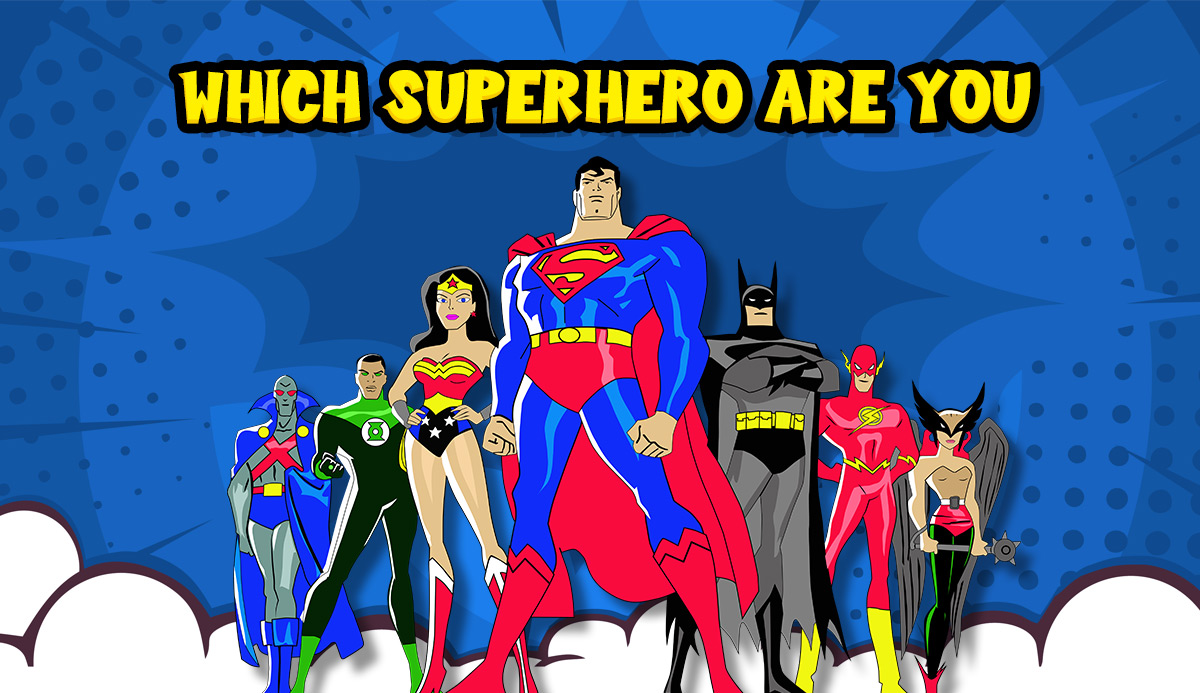
Interactive Quizzes as a Marketing Powerhouse
Beyond the internal strategic value, the “What Superhero Would You Be” quiz is a potent tool for external marketing. Interactive content has proven to be significantly more engaging than static blog posts or white papers. For a brand, deploying such a quiz can serve multiple strategic objectives.
Engaging the Modern Consumer
Today’s consumers are bombarded with thousands of marketing messages daily. Engagement is the antidote to this saturation. An interactive quiz invites participation, transforming the consumer from a passive observer into an active participant in the brand narrative. When a user completes a quiz to find their “Internal Brand Hero,” they spend several minutes interacting with your brand’s voice, imagery, and values. This deepens brand recall far more effectively than a standard banner ad.
Zero-Party Data and Personalization
One of the most significant advantages of using quizzes in a digital strategy is the collection of zero-party data. Unlike third-party data, which is collected via tracking, zero-party data is information that a customer intentionally and proactively shares with a brand.
By analyzing the answers to a personality-based quiz, companies can segment their audience with high precision. If a user’s answers indicate they value “Efficiency and Precision” (The Cyborg), the subsequent email marketing they receive can be tailored to highlight the technical specs and time-saving features of a product. If another user values “Community and Empathy” (The Guardian), the marketing can pivot toward social proof, testimonials, and community impact.
Aligning Your “Hero Type” with Visual Identity and Voice
Once the superhero persona is identified through the quiz framework, it must be reflected in the brand’s visual and verbal identity. Inconsistency is the enemy of brand equity. If your quiz results suggest your brand is a “Visionary/Doctor Strange” type, but your website looks like a traditional “Safe/Captain America” corporate portal, you create cognitive dissonance for the consumer.
Color Psychology and Superhero Suits
In the world of comics, colors are symbolic. Red and gold signify energy and luxury; blue and white signify trust and stability; black and neon signify futurism and rebellion. Your brand’s color palette should align with its hero archetype.
- The Bold Leader (Superman/Captain America): Uses primary colors—red, blue, and yellow—to evoke feelings of patriotism, strength, and reliability.
- The Modern Disruptor (Spider-Man/Deadpool): Uses high-contrast, vibrant palettes to suggest energy, humor, and agility.
- The Premium Intellectual (Black Panther/Batman): Utilizes deep blacks, purples, and metallics to convey sophistication, mystery, and high-end positioning.
Tone of Voice: The Hero’s Call to Action
The way your brand “speaks” is its most powerful tool for conveying personality. A brand identified as a “Witty Sidekick” will use humor, slang, and short sentences to build rapport. A “Wise Mentor” brand (like Gandalf or Professor X) will use authoritative, calm, and educational language.
Every piece of copy—from the “About Us” page to the micro-copy on a checkout button—must be vetted against the hero persona. If a “Rebel” brand uses overly formal, bureaucratic language, the illusion is broken, and the brand loses its “superpower” of authenticity.

Implementing the Superhero Strategy for Long-Term Growth
The “What Superhero Would You Be” quiz is not a one-time marketing gimmick; it is a diagnostic tool for long-term growth. As markets evolve, brands often face “identity drift,” where they try to be everything to everyone and end up meaning nothing to anyone.
Returning to your core hero archetype helps maintain focus. During a pivot or a product launch, ask: “Does this new direction align with our superhero persona?” If the answer is no, you risk diluting the brand equity you have built.
In conclusion, the path to a powerful brand identity lies in the intersection of psychology, narrative, and strategic consistency. By treating the “superhero quiz” concept with professional rigor, businesses can move beyond generic marketing and build a brand that is truly heroic in the eyes of their customers. Whether you are the “Indestructible Titan” of your industry or the “Agile Innovator” fighting from the shadows, your identity is your greatest asset. Define it, own it, and use it to lead your market.
aViewFromTheCave is a participant in the Amazon Services LLC Associates Program, an affiliate advertising program designed to provide a means for sites to earn advertising fees by advertising and linking to Amazon.com. Amazon, the Amazon logo, AmazonSupply, and the AmazonSupply logo are trademarks of Amazon.com, Inc. or its affiliates. As an Amazon Associate we earn affiliate commissions from qualifying purchases.