
When homeowners or small business owners approach the question of storage, they often frame it as a logistical challenge. However, in the realm of personal finance and asset management, selecting a storage shed is a significant capital expenditure that requires a rigorous cost-benefit analysis. A shed is not merely a box for surplus inventory or garden tools; it is a fixed asset that impacts property valuation, liquidity, and recurring monthly expenses.
Choosing the wrong size—whether too small or unnecessarily large—can lead to financial inefficiencies. An undersized shed results in “storage creep,” where overflow items eventually require a secondary off-site rental unit, bleeding capital through monthly fees. Conversely, an oversized shed represents “dead capital”—money spent on square footage that yields no utility or appreciation. To determine the ideal size, one must look past the physical dimensions and analyze the financial metrics of the investment.
The Cost-Benefit Analysis: On-Site Assets vs. Recurring Expenses
The first step in sizing a shed is evaluating it against the primary alternative: the off-site storage unit. For many, the decision to build a shed is a move toward “insourcing” a service that was previously outsourced to a third-party facility.
Analyzing the Lifetime Cost of Off-Site Storage
Commercial storage units are a classic example of a recurring liability. A standard 10×10 unit in a metropolitan area can cost between $100 and $200 per month. Over five years, this represents a capital outflow of $6,000 to $12,000, with zero equity gained. By contrast, a high-quality 10×10 shed might cost $4,000 to $7,000 upfront.
From a cash-flow perspective, the shed pays for itself within 24 to 48 months. When determining size, you must ensure the shed is large enough to accommodate everything currently held in professional storage plus a 20% margin for future growth. If you size too small and keep the storage unit, you fail to eliminate the recurring liability, thereby ruining the ROI of the purchase.
Depreciation vs. Property Appreciation
Unlike a vehicle, a well-constructed storage shed on a permanent or semi-permanent foundation can contribute to the overall appraisal value of a residential or commercial property. Real estate market data suggests that functional outbuildings can offer a return on investment (ROI) of 50% to 80% of their construction cost upon resale.
However, size plays a critical role in marketability. A tiny 4×4 shed may be seen as a nuisance or a “tear-down” item, whereas a 12×16 shed is often viewed as a “flex space” or “bonus workshop.” When selecting a size, consider the “standard” for your neighborhood. Building a massive 20×24 shed on a small suburban lot may lead to diminishing returns, as the cost of the structure exceeds the value it adds to the land.
Calculating Your Storage Requirements: A Square-Footage Audit
Financial planning requires precision. To find the right size, you must treat your belongings like inventory in a warehouse. Every square foot has a cost, and every item stored has a value.
Small Footprints (4×4 to 8×8): Protecting High-Value, Low-Volume Assets
The smallest tier of sheds is designed for high-density storage. From a financial standpoint, these are best for protecting specialized equipment that would otherwise depreciate rapidly due to weather exposure.
- The Financial Case: If you own $5,000 worth of lithium-ion powered landscaping equipment or high-end bicycles, leaving them in a damp basement or under a tarp is a poor management of assets.
- Utility: A 4×8 or 6×8 shed provides approximately 32 to 48 square feet. This is the minimum viable size for protecting small-scale capital assets without occupying significant real estate.
Medium Footprints (8×10 to 10×12): The Sweet Spot for Utility and Resale
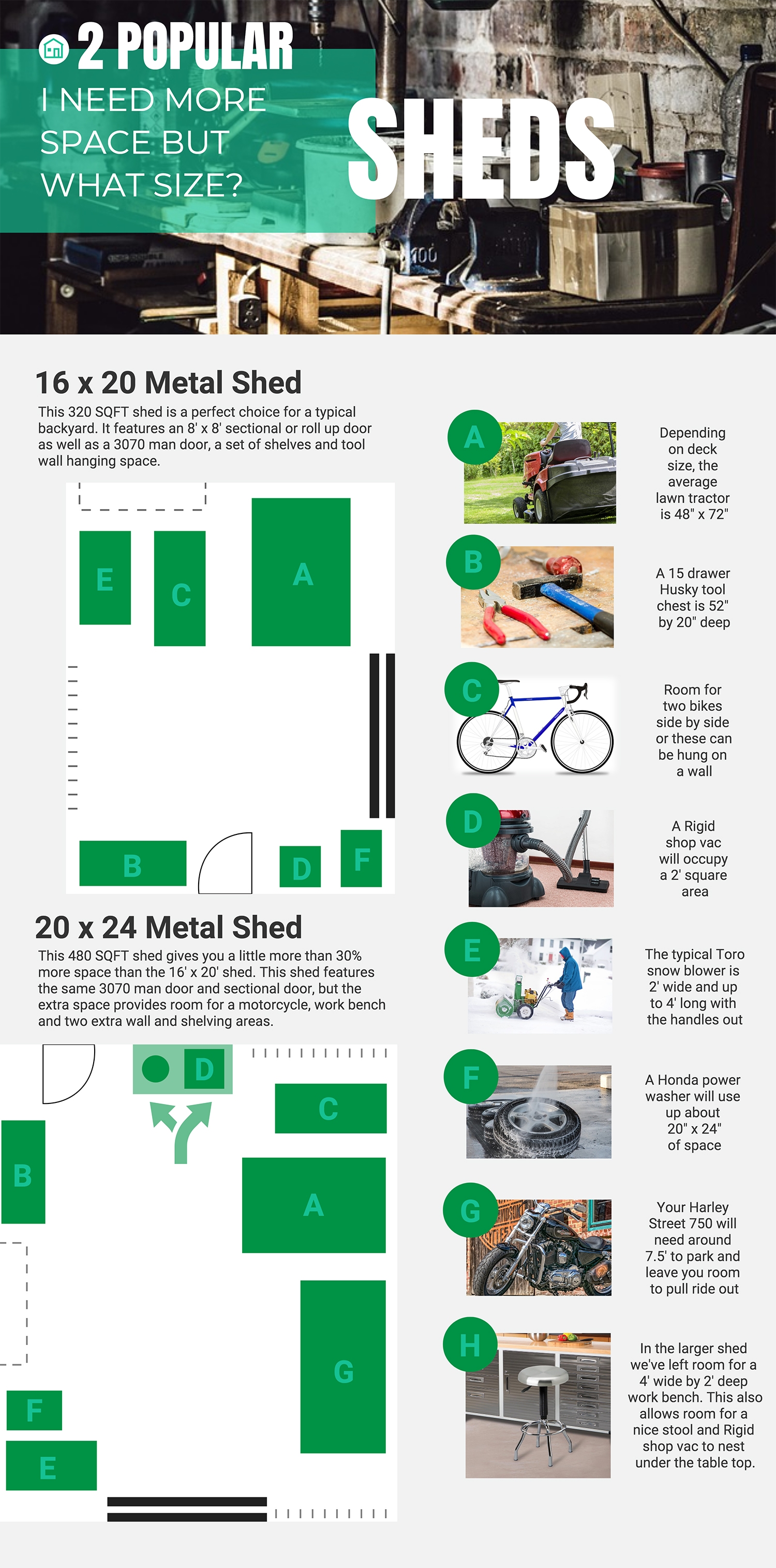
The 10×12 shed is widely considered the “gold standard” in the industry. It offers 120 square feet of space, which is roughly equivalent to a standard bedroom.
- The Financial Case: This size is often the maximum allowable footprint in many jurisdictions before a formal building permit is required. By staying just under the permit threshold (check local codes, as many cap at 120 or 200 sq. ft.), you avoid the administrative costs, permit fees, and potential property tax reassessments associated with permanent structures.
- Utility: This size accommodates large mowers, seasonal furniture, and household overflow. It is the most liquid size for resale, as it appeals to the broadest range of future homebuyers.
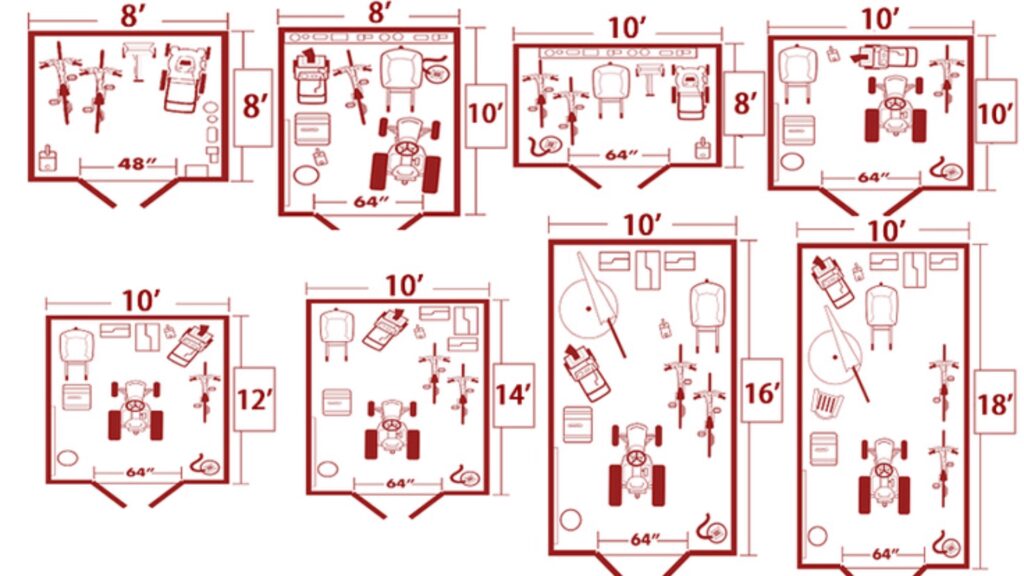
Large Footprints (12×16 and Beyond): Investing in Commercial-Scale Utility
Once you move beyond 150 square feet, the shed transitions from a storage solution to a functional workspace.
- The Financial Case: For entrepreneurs or those with a “side hustle,” this size allows for the decoupling of business operations from the primary residence. If used exclusively for business, a shed of this size may qualify for specific tax treatments or home office deductions (consult a tax professional).
- Utility: These structures can house vehicle restoration projects, inventory for e-commerce businesses, or fully-equipped woodworking shops. The investment is higher, often exceeding $10,000, but the utility can generate income, transforming the shed from a cost center into a profit center.
The Strategic Impact on Home Appraisal and Marketability
A storage shed is a visible part of your property’s “curb appeal” and overall financial profile. Choosing the right size involves balancing your personal needs with the expectations of the future market.
Permitting and Legal Costs: Avoiding Financial Penalties
One of the most overlooked costs in shed sizing is the legal risk. Installing a 14×20 shed without checking local zoning laws can result in fines or a legal mandate to remove the structure. This represents a 100% loss of investment. Before finalizing a size, factor in the “cost of compliance.” If a larger shed requires a $500 permit and an increase in annual property taxes, you must calculate whether the extra 40 square feet provides enough utility to justify those perpetual costs.
High-Yield Features: Insulation and Security as Value Drivers
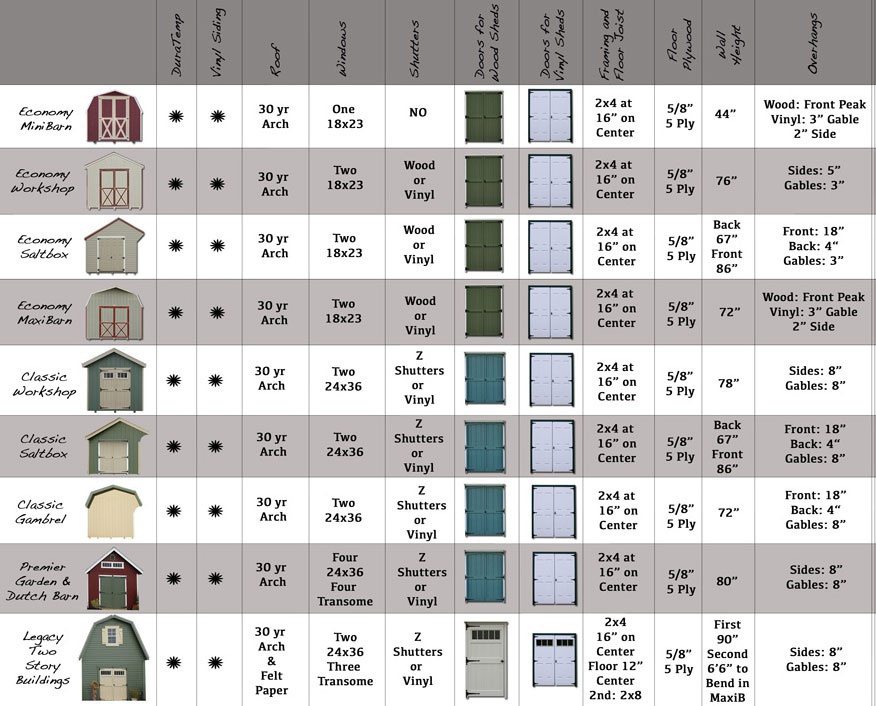
When you move into larger sizes (10×12 and up), the “build quality” becomes as important as the dimensions. For an asset to retain value, it must be “finished” to a certain degree. A large, uninsulated shed may store boxes, but a large, insulated shed with electrical hookups can be marketed as an “ADU-lite” (Accessory Dwelling Unit).
Sizing up to a 12×16 and adding professional-grade security and climate control can significantly increase the “Replacement Cost” value in an insurance policy, protecting your financial interests in the event of a disaster.
Business Use Cases and Tax Implications
For the self-employed or those managing side incomes, the size of the shed is a direct factor in business overhead.
Inventory Management for E-commerce
If you run an e-commerce business, space is an operating expense. Renting a commercial warehouse is often prohibitively expensive for startups. A 10×20 shed provides 200 square feet of “free” warehouse space once the initial cost is amortized. This allows for bulk purchasing of inventory, which lowers the Cost of Goods Sold (COGS) and increases profit margins. In this context, the “right size” is the one that allows you to buy inventory at the highest possible discount tier.
Deducting Home Office or Workshop Space
In certain jurisdictions, if a shed is used “regularly and exclusively” for business, it may be eligible for depreciation. This is a powerful financial tool. By choosing a size that fits the strict definitions of a home office or professional studio, you can write off a portion of the construction costs and ongoing maintenance. However, if the shed is oversized and half of it is used for personal storage (like a lawnmower), you may complicate or disqualify the tax benefit. Precision in sizing is key to tax efficiency.
Future-Proofing: The Financial Cost of Underestimating
The most expensive shed you can buy is the one that is 10% too small. When a shed reaches capacity, the owner is faced with three options, all of which are financially sub-optimal:
- Selling the existing shed at a loss to upgrade to a larger model.
- Renting a storage unit, which re-introduces the recurring liability the shed was meant to eliminate.
- Allowing the primary residence to become cluttered, which can decrease the quality of life and potentially lower the home’s value during showings.
To avoid these “shadow costs,” financial experts recommend the “Plus-One” strategy: identify the size you think you need based on current assets, and then move up to the next standard size. If your inventory suggests an 8×10 is sufficient, the marginal cost of upgrading to a 10×12 is usually only 15-20% more, but it provides 50% more cubic volume. This “buffer” is a hedge against future inflation in storage costs and provides a cushion for future asset acquisition.
In summary, determining what size storage shed you need is a multi-layered financial decision. It requires an audit of current assets, a comparison of long-term storage costs, an understanding of property value dynamics, and an eye toward future business or tax advantages. By treating the shed as a strategic investment rather than a mere utility, you ensure that your square footage works as hard for your net worth as it does for your organization.
aViewFromTheCave is a participant in the Amazon Services LLC Associates Program, an affiliate advertising program designed to provide a means for sites to earn advertising fees by advertising and linking to Amazon.com. Amazon, the Amazon logo, AmazonSupply, and the AmazonSupply logo are trademarks of Amazon.com, Inc. or its affiliates. As an Amazon Associate we earn affiliate commissions from qualifying purchases.