
The decision to donate plasma is often driven by a mix of altruism and financial pragmatism. For many, it serves as a reliable side hustle, providing a consistent stream of supplemental income that can be used to offset rising inflation, build an emergency fund, or fund small luxury purchases. However, for those standing on the threshold of their first appointment, one specific technical detail often looms larger than the financial reward: the needle.
In the world of medical procedures and bio-fluid commerce, the equipment used is not just a matter of clinical necessity; it is a vital part of the “user experience” that dictates the efficiency of the transaction. To understand why plasma donation requires a specific type of needle, and how that relates to your bottom line, one must look at the intersection of medical technology and personal finance.

The 16-Gauge Standard: The Technical Cost of Entry
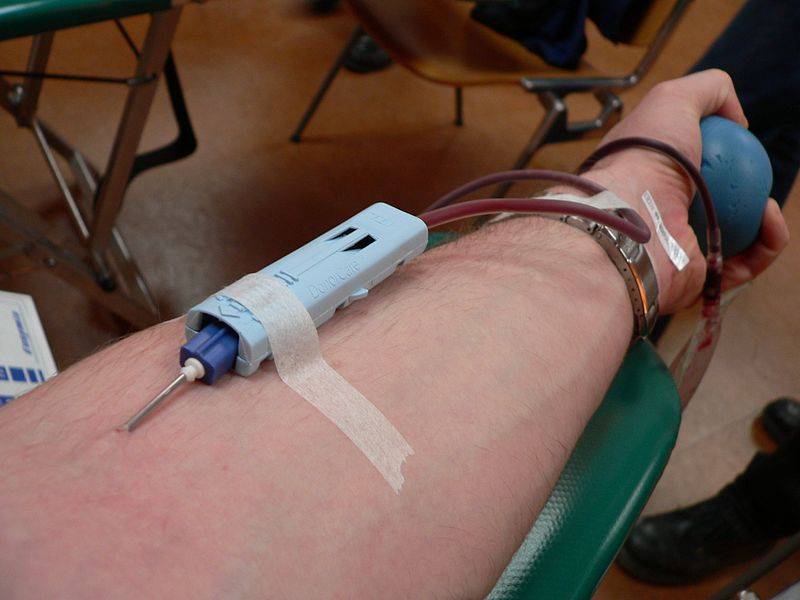
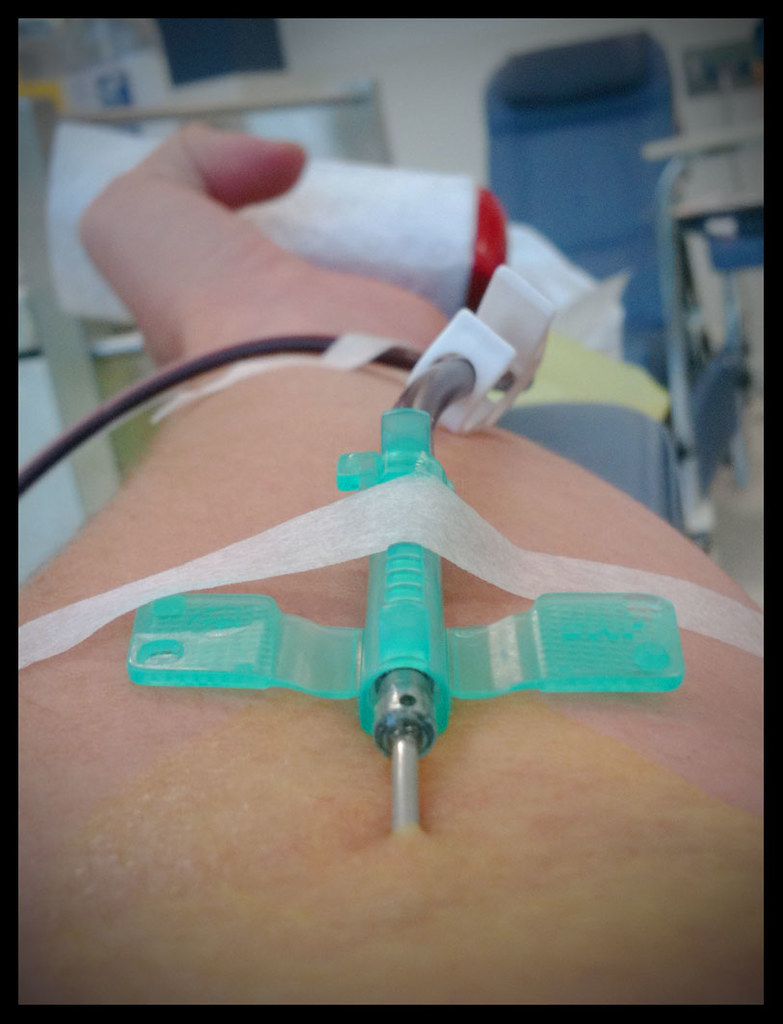
When you sit down in the donor chair, the phlebotomist will typically reach for a 16-gauge or 17-gauge needle. To the uninitiated, these numbers might seem arbitrary, but in the context of fluid dynamics and financial efficiency, they are precisely calculated.
Why Size Matters in Apheresis
Unlike a standard blood draw for a lab test, which typically uses a much smaller 21 or 22-gauge needle, plasma donation involves a process called apheresis. During this process, your blood is drawn, processed through a centrifuge to separate the plasma, and then the remaining red blood cells and saline are returned to your body through the same needle.
The 16-gauge needle, which has an outer diameter of approximately 1.65mm, is significantly larger than what most people encounter during a flu shot or a routine check-up. The reason for this size is twofold:
- Flow Rate: To make the donation financially viable for both the center and the donor, the process needs to be relatively quick. A larger needle allows for a higher volume of blood to flow into the apheresis machine without causing “hemolysis”—the rupture of red blood cells.
- The Return Cycle: Because the blood is being pushed back into the vein after the plasma is removed, the needle must be sturdy enough to handle the pressure of the return cycle without collapsing the vein or causing a blockage.
The Physical Investment
From a personal finance perspective, the needle size represents the physical “investment” or “overhead” of this side hustle. While the sting of a 16-gauge needle is more pronounced than a smaller gauge, it is the trade-off for a procedure that takes 45 to 90 minutes rather than several hours. For the donor, the needle size is the primary barrier to entry, a physical hurdle that must be cleared to access the financial benefits of the bio-economy.
The Financial Landscape: Why Your Plasma is a High-Value Asset
Plasma is often referred to as “liquid gold,” and for good reason. It is the primary component used to create life-saving treatments for hemophilia, immune deficiencies, and various autoimmune disorders. Because plasma cannot be synthesized in a lab, the global pharmaceutical industry relies entirely on human donors. This creates a unique market where your biological material becomes a commodity with a clear market value.
Compensation Models and Incentives
Most plasma centers operate on a “pay-for-time” or “incentive-based” model rather than a direct purchase of the plasma itself, to remain compliant with various international regulations. However, for the donor, the result is the same: cash in hand.
In the current economic climate, new donor bonuses are the primary driver of the plasma market. It is not uncommon for major centers like CSL Plasma or BioLife to offer between $500 and $800 for the first month of donations. After the initial “onboarding” period, regular donors can expect to earn between $30,000 and $5,000 annually, depending on their weight (which determines how much plasma can be safely taken) and the frequency of their visits.
Comparing Plasma to Other Side Hustles
When evaluating plasma donation against other popular side hustles like ride-sharing, grocery delivery, or freelance writing, the financial profile is distinct:
- Zero Overhead: Unlike Uber or DoorDash, there is no gas to buy, no car maintenance to track, and no special equipment to purchase. Your “capital” is your health and your time.
- Consistency: While gig work can be “feast or famine,” plasma centers offer a fixed rate. If you show up and pass the physical, you get paid.
- Passive Interaction: During the hour-long donation process, you are essentially “trapped” in a chair. This provides a unique opportunity for “double-dipping”—using that time to answer work emails, take online surveys, or manage other digital side hustles, effectively increasing your hourly rate.
Maximizing the ROI: Efficiency and Financial Planning
To treat plasma donation as a serious financial tool, one must look beyond the individual needle stick and analyze the long-term Return on Investment (ROI).
Frequency and the “Weight Factor”
The FDA allows individuals to donate plasma up to two times in a seven-day period, with at least 48 hours between donations. Maxing out this frequency is the key to hitting the highest payment tiers. Most centers use a tiered system where the second donation of the week pays significantly more than the first.
Furthermore, compensation is often tied to the donor’s weight. Those in higher weight brackets can safely provide more plasma (up to 880ml), and as a result, they are often compensated at a higher rate. Understanding these brackets is essential for a donor to calculate their true earning potential.
The Debit Card Economy
Most plasma centers pay donors via a pre-loaded debit card immediately following the appointment. While this provides instant liquidity, it also introduces a layer of financial management. These cards often come with fees for ATM withdrawals or inactivity. To maximize the net profit, savvy donors immediately transfer these funds to a high-yield savings account or use them for specific, pre-planned expenses like groceries or utility bills, avoiding the “leakage” of small, impulsive purchases.
Health as Capital Management
In the context of personal finance, your body is the “machine” producing the product. If the machine breaks down, the income stops. This is where the 16-gauge needle returns to the conversation. Repeated use of a large needle in the same spot can lead to scarring or “track marks,” which might eventually make a vein unusable for future donations.
To protect this income stream, donors must engage in “preventative maintenance”:
- Hydration: Proper hydration makes the veins easier to find and speeds up the donation process, reducing time spent in the chair.
- Nutrition: High-protein diets help the body recover faster, ensuring the donor passes the hematocrit and protein screens required at every visit.
- Rotation: Encouraging phlebotomists to rotate sites or using specialized creams to reduce scarring protects the long-term viability of the donor’s “assets.”
The Macroeconomics of the Plasma Industry
The question of “what size needle is used” is a micro-level concern that feeds into a massive global industry. The United States is one of the few countries that allows compensated plasma donation, and as a result, it provides approximately 70% of the world’s plasma supply.
A Recession-Resistant Market
History shows that plasma donation rates tend to increase during economic downturns. As traditional employment becomes less stable, the “plasma bank” becomes a reliable source of emergency cash. For the centers, this ensures a steady supply; for the economy, it acts as a small but vital safety net for those in the lower and middle-income brackets.
The Corporate Identity of Donation
The branding of plasma centers has shifted significantly over the last decade. Centers are no longer dimly lit clinics in neglected parts of town. Today, they are branded as high-tech wellness centers with sleek interiors, free Wi-Fi, and sophisticated app-based loyalty programs. This shift is a deliberate strategy to attract a more diverse range of donors, including college students and white-collar workers looking for a “passive” way to combat the cost of living.
Conclusion: The Needle as a Gateway
While the 16-gauge needle might be the most intimidating aspect of plasma donation, it is ultimately a technical necessity in a highly efficient financial system. By understanding the size of the needle, the donor understands the “cost” of the procedure—not just in terms of a moment of discomfort, but in terms of the physical demand required to participate in the bio-fluid market.
For those looking to optimize their personal finances, plasma donation represents a unique intersection of biology and business. It is a side hustle that requires no resume, no interview, and no upfront capital—just a healthy body and a willingness to trade an hour of time for a piece of the multibillion-dollar pharmaceutical industry. When viewed through this lens, the needle is not just a tool; it is the gateway to a consistent and accessible financial resource.
aViewFromTheCave is a participant in the Amazon Services LLC Associates Program, an affiliate advertising program designed to provide a means for sites to earn advertising fees by advertising and linking to Amazon.com. Amazon, the Amazon logo, AmazonSupply, and the AmazonSupply logo are trademarks of Amazon.com, Inc. or its affiliates. As an Amazon Associate we earn affiliate commissions from qualifying purchases.