
In the modern professional landscape, every digital interaction is a brick in the wall of your personal brand. Whether you are an entrepreneur building a startup, a consultant managing high-value clients, or a professional navigating the corporate ladder, the way you communicate defines your identity. The “thank you” email is perhaps the most undervalued tool in a brand strategist’s arsenal. It is more than a courtesy; it is a brand touchpoint that reinforces your values, your attention to detail, and your commitment to relationship building.
The subject line of that email is the most critical component. It is the “packaging” of your message. Just as a luxury brand invests heavily in the box and unboxing experience, a professional must invest in the subject line to ensure their message is not only opened but perceived with the intended authority and warmth.
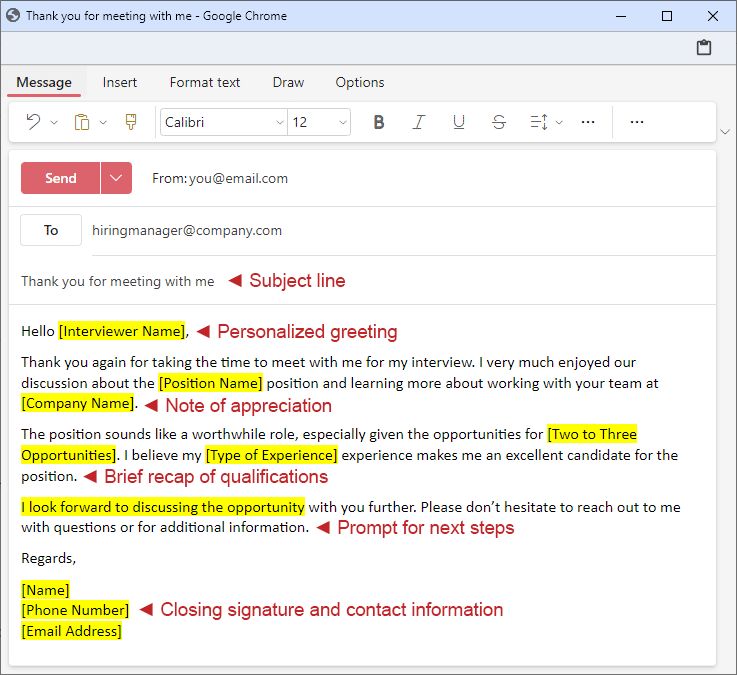
The Power of the First Impression: Subject Lines as Brand Touchpoints
In a crowded inbox, your subject line is your digital handshake. For a personal brand, consistency is key. If your brand identity is built on being “efficient and results-driven,” a long, rambling subject line will undermine that image. Conversely, if your brand is “creative and personable,” a cold, clinical subject line like “Follow-up” feels like a missed opportunity.
Strategic branding requires intentionality. When you send a thank-you email, the subject line must achieve three specific branding goals:
- Immediate Identification: The recipient should know exactly who is writing and why, without having to think. This reflects a brand that respects the recipient’s time.
- Contextual Relevance: It should bridge the gap between the previous interaction and the current message, showing that your brand is attentive and detail-oriented.
- Tone Alignment: It must match the “voice” you have established in person or through your marketing materials.
The failure to optimize a subject line is a failure of brand management. It suggests a lack of polish and a disregard for the user experience—the “user” in this case being your recipient.
Categorizing the Thank You: Strategic Subject Lines for Different Scenarios
To maintain a cohesive brand, you must tailor your subject line to the specific context of the interaction. Here, we break down the most common scenarios and the brand-aligned subject lines that work best for each.
The Post-Interview Brand Reinforcement
When you are interviewing for a role, you are selling a “brand of one.” Your thank-you email is your final pitch. A generic subject line like “Thank you” is a wasted asset. It doesn’t differentiate you from the dozens of other candidates.
- The Corporate/Formal Approach: “Thank You – [Your Name] – [Position Title]”
- Brand Perception: This signals professionalism, organizational skills, and a high level of respect for corporate hierarchy. It makes the recruiter’s job easier, which is a key trait of a high-value hire.
- The Value-Add Approach: “Great meeting you / Follow-up on our discussion regarding [Topic]”
- Brand Perception: This positions you as a consultant rather than just a candidate. It shows you were listening and are already thinking about how to solve the company’s problems.
The Client Onboarding or Post-Meeting Follow-up
For a business or agency, the post-meeting thank you is an extension of the corporate identity. It should feel seamless with your website, your pitch decks, and your service delivery.
- The Partnership Approach: “Thank you for the conversation | [Your Company] + [Client Company]”
- Brand Perception: Using the “+” sign or a vertical bar creates a visual sense of partnership. It suggests that you are not just a vendor, but an extension of their team.
- The Action-Oriented Approach: “Next Steps: Thank you for your time today”
- Brand Perception: This reflects a brand that is focused on momentum and delivery. It reassures the client that they are in capable hands.
The Networking and Relationship Building Context
Personal branding thrives on networking. When you meet someone at a conference or via a mutual connection, your thank-you email needs to spark a memory of the high-quality interaction you had.
- The Narrative Approach: “So glad we connected at [Event Name]!”
- Brand Perception: This is warm, energetic, and approachable. It works well for individuals whose brand is centered on community and networking.
- The Specificity Approach: “Thank you for the advice on [Specific Topic]”
- Brand Perception: This shows humility and high emotional intelligence. It validates the recipient’s expertise, which builds brand equity through positive association.
The Anatomy of a High-Conversion Subject Line

From a marketing and design perspective, a subject line is a headline. It must be optimized for “click-through rate” (the open) and “brand sentiment” (the feeling the recipient has before they even read the first line).
1. The Rule of Brevity
Digital branding is increasingly mobile. Most professionals check their emails on smartphones, where subject lines are truncated after approximately 35 to 40 characters. If your brand stands for clarity, your subject line must be punchy.
- Bad: “I just wanted to reach out and say thank you so much for the opportunity to speak with you today about the marketing role.”
- Good: “Thank you – Marketing Manager Interview”
2. The Power of Personalization
A brand that treats everyone the same is a commodity. A brand that treats everyone as an individual is a luxury. Including the recipient’s name or a specific detail from your conversation in the subject line creates an immediate psychological bond.
- Example: “Thanks for the book recommendation, Sarah!”
- Brand Impact: This creates a “bespoke” feel to your communication.
3. Avoiding the “Spam” Aesthetic
Nothing damages a professional brand faster than looking like a generic marketing bot. Avoid all-caps, excessive exclamation points, or vague clickbait like “Quick question…” or “Checking in.” These triggers suggest a brand that is desperate or disorganized. A thank-you email should feel earned and authentic.
Strategic Examples for Different Brand Personas
Your personal brand usually falls into one of several archetypes. Choosing a subject line that matches your archetype ensures a consistent brand experience for your network.
The “Thought Leader” Archetype
If your brand is built on expertise and high-level strategy, your subject line should be insightful and direct.
- Subject: “Reflecting on our discussion about [Industry Trend]”
- Subject: “Thank you / Insights regarding [Project Name]”
The “Creative Innovator” Archetype
If you work in design, tech, or the arts, you have more leeway to be slightly informal and visually distinct.
- Subject: “Loved our chat today! + some inspiration”
- Subject: “Thanks for the coffee and the great ideas”
The “Reliable Executor” Archetype
If your brand is built on trust, logistics, and getting things done (e.g., project management, law, finance), focus on clarity and structure.
- Subject: “Follow-up: Thank you / [Date of Meeting]”
- Subject: “Appreciation for your time / [Specific Project]”
Advanced Branding Tactics: Beyond the Subject Line
While the subject line gets the email opened, the “preview text” (the first few words of the email visible in the inbox) is the “sub-headline” of your brand message. Most people ignore this, but a brand strategist knows it is prime real estate.
If your subject line is “Thank you – [Your Name],” your preview text should not repeat “Dear [Name], I wanted to thank you…” Instead, use the preview text to provide immediate value or context.
- Preview Text Strategy: “I’ve attached the case study we discussed…” or “The point you made about market volatility was particularly insightful.”
Furthermore, the timing of your email is a brand statement. In the world of brand strategy, “speed to lead” is a common concept. Sending a thank-you email within 12 to 24 hours of an interaction signals a brand that is responsive, energetic, and highly interested. Waiting three days signals a brand that is overwhelmed or indifferent.
Common Mistakes That Dilute Your Brand
To maintain a high-end personal or corporate identity, avoid these common “thank you” subject line pitfalls:
- The “Re:” Thread Hijack: Sending a thank you by replying to an old, unrelated email thread about a different topic. This looks disorganized and lazy. It suggests your brand doesn’t value clear documentation or compartmentalization.
- The “No Subject” Void: This is the ultimate brand sin. It signals a lack of professional etiquette and makes your email look like a security risk.
- The Typos: A typo in a subject line is a permanent stain on your brand’s reputation for quality. It suggests that if you are careless with a ten-word subject line, you will be careless with a million-dollar contract.

Conclusion: The Subject Line as a Legacy
Every email you send is archived. It becomes part of the digital paper trail of your career. Years from now, if someone searches your name in their inbox, what will they see? A sea of “Follow up” and “Thank you” messages, or a curated list of professional, contextual, and branded subject lines that reflect a high-level communicator?
By treating the subject line of a thank-you email as a strategic branding decision, you elevate yourself above the noise. You demonstrate that you understand the nuances of professional communication and that you possess the discipline to apply brand standards to even the smallest tasks. In the end, your brand isn’t what you say it is in a pitch deck—it’s the sum total of every interaction you have, starting with the very first line your audience reads.
aViewFromTheCave is a participant in the Amazon Services LLC Associates Program, an affiliate advertising program designed to provide a means for sites to earn advertising fees by advertising and linking to Amazon.com. Amazon, the Amazon logo, AmazonSupply, and the AmazonSupply logo are trademarks of Amazon.com, Inc. or its affiliates. As an Amazon Associate we earn affiliate commissions from qualifying purchases.