
The question “what religion is Kwanzaa?” is one of the most frequent queries during the final quarter of the year, often surfacing as businesses and marketers prepare their seasonal campaigns. To understand the answer—and its profound implications for brand strategy—one must first dismantle a common misconception. Kwanzaa is not a religion; it is a secular, cultural holiday. This distinction is not merely a point of trivia; it is the cornerstone of how brands must approach one of the most significant cultural celebrations in the African Diaspora.
In the modern marketplace, where consumers demand higher levels of cultural intelligence and authenticity, the way a brand navigates the nuances of Kwanzaa can define its corporate identity for an entire demographic. For a brand strategist, Kwanzaa represents a masterclass in values-based community building. It is a holiday rooted in the “Nguzo Saba,” or the Seven Principles, which offer a blueprint for communal success, cooperative economics, and self-determination—values that many of today’s leading corporations claim to champion.

The Secular Nature of Kwanzaa: A Strategic Distinction
Kwanzaa was established in 1966 by Dr. Maulana Karenga as a way for African Americans to connect with their African heritage and communal roots. Because it takes place from December 26 to January 1, it is frequently grouped with religious holidays like Christmas or Hanukkah. However, Kwanzaa is designed to be celebrated by people of all faiths, emphasizing cultural unity over theological dogma.
Origins and Purpose: Defining the Value Proposition
From a brand strategy perspective, the “value proposition” of Kwanzaa is identity and heritage. Unlike many commercialized holidays, Kwanzaa was born out of a specific need for social cohesion and cultural reclamation during the Civil Rights movement. For a brand, understanding this origin is essential. When a corporation asks, “What religion is Kwanzaa?” they are essentially asking how they should categorize their outreach.
If a brand treats Kwanzaa as a “religious” holiday, they risk alienating the very audience they seek to reach by ignoring the secular, socio-political, and cultural weight the holiday carries. Authentic branding requires acknowledging that Kwanzaa is an intentional act of community building. It is less about “holiday sales” and more about “holiday values.”
Why the “Religion” Question Matters for Brand Messaging
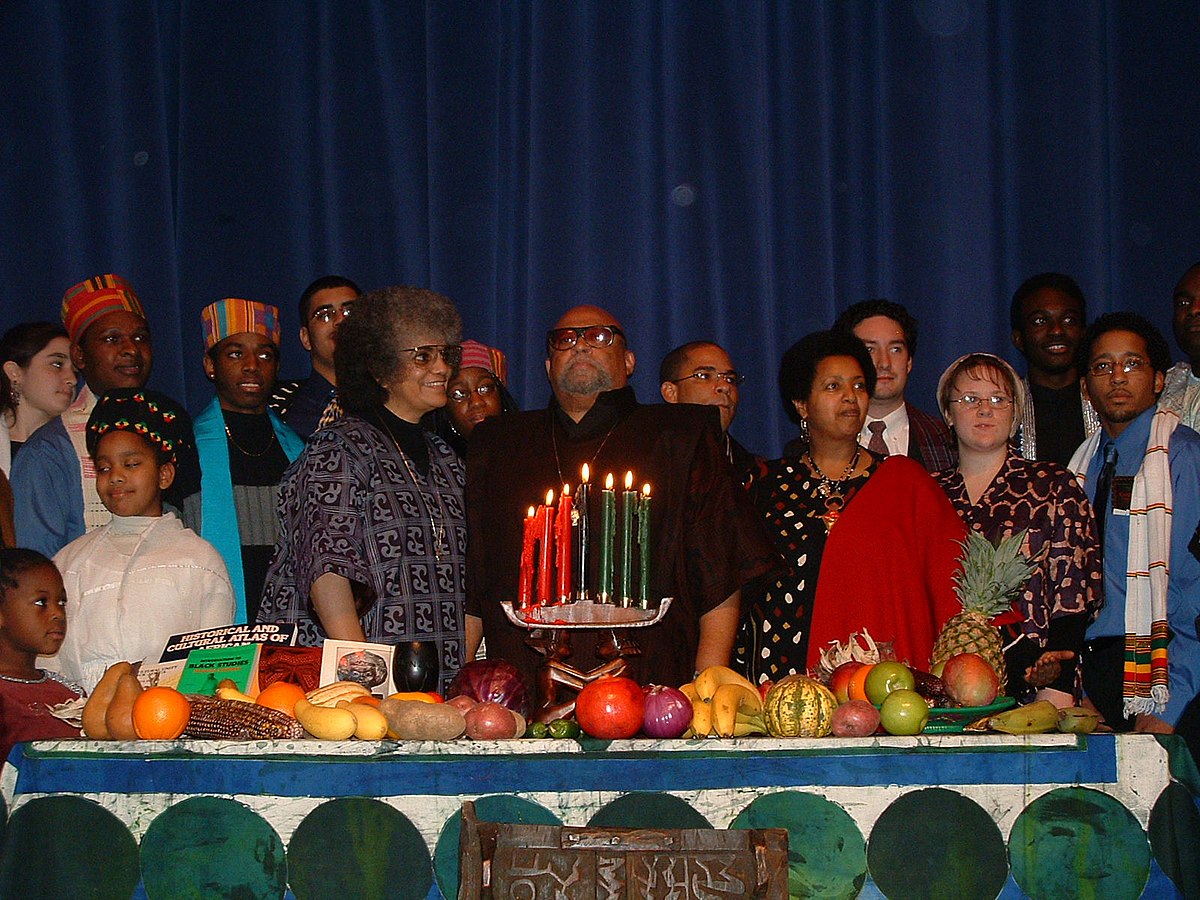
Misidentifying Kwanzaa as a religion can lead to significant messaging errors. For example, using religious iconography or language in a Kwanzaa campaign can signal a lack of cultural research, which modern consumers often interpret as performative or lazy marketing. Strategic brand positioning requires a deep dive into the specific vocabulary of the holiday: terms like Habari Gani (What’s the news?) and the symbolism of the Kinara (candle holder) must be used with precision.
When a brand correctly identifies Kwanzaa as a cultural celebration, it opens the door to more meaningful engagement. It allows the brand to align itself with the principles of the holiday rather than just the aesthetics. This shift from aesthetic marketing to principle-based marketing is what separates successful brand legacies from fleeting, seasonal trends.
The Seven Principles (Nguzo Saba) as a Framework for Corporate Social Responsibility
The true power of the “Kwanzaa brand” lies in the Nguzo Saba. These seven principles—Umoja (Unity), Kujichagulia (Self-Determination), Ujima (Collective Work and Responsibility), Ujamaa (Cooperative Economics), Nia (Purpose), Kuumba (Creativity), and Imani (Faith)—provide a robust framework for any organization looking to improve its Corporate Social Responsibility (CSR).
Translating Umoja (Unity) into Community Engagement
Umoja, or Unity, is the first principle of Kwanzaa. For a brand, this principle translates to the internal and external alignment of the company’s actions with its stated values. Branding is no longer just about what a company sells; it is about how it fosters unity within its ecosystem. Brands that successfully leverage this principle do so by creating spaces for community dialogue and supporting initiatives that bring people together.
In a strategic context, Umoja challenges brands to look at their diversity, equity, and inclusion (DEI) initiatives. If a brand celebrates Kwanzaa externally while lacking unity and representation internally, the brand narrative collapses. Authenticity in this space means ensuring that the “Unity” celebrated in December is a reflection of the unity practiced from January through November.
Ujamaa (Cooperative Economics): The Brand’s Role in Local Wealth Building
Perhaps the most relevant principle for business strategy is Ujamaa, or Cooperative Economics. This principle emphasizes the need to build and maintain our own stores, shops, and other businesses and to profit from them together. For major brands, this is a call to action regarding their supply chains and partnership strategies.

A brand that wants to engage with Kwanzaa authentically should look at Ujamaa as a directive to support Black-owned businesses. This might mean sourcing holiday gift guides from Black creators, partnering with minority-owned logistics firms, or investing in community development banks. When a brand demonstrates Ujamaa, it moves from a “consumer” of the culture to a “contributor” to the culture. This builds brand equity that lasts far beyond the seven days of the holiday.
Navigating the Commercialization Trap: Authenticity vs. Appropriation
One of the greatest risks in cultural marketing is the “commercialization trap.” This occurs when a brand attempts to profit from a cultural celebration without offering genuine support to the community that owns that culture. Because Kwanzaa is a secular, value-based holiday, it is particularly susceptible to being “hollowed out” for the sake of retail sales.
Case Studies in Cultural Missteps
History is filled with brands that missed the mark by treating Kwanzaa as just another “marketing window.” We have seen instances of retailers placing Kwanzaa symbols on products that have no connection to the culture, or worse, using the holiday to promote products that contradict the Nguzo Saba. These missteps occur when a brand prioritizes the “what” (products) over the “why” (the cultural significance).
Strategic branding requires a “listen first” approach. Before launching a campaign, brands must engage with cultural consultants and members of the community to ensure their messaging is respectful. The goal is to avoid appropriation—taking cultural elements for one’s own use without permission or understanding—and instead aim for appreciation. Appreciation involves credit, context, and a reciprocal relationship.
Building Long-term Partnerships Beyond the Seven Days
The most successful brands are those that don’t “show up” only during the last week of December. If a brand’s only mention of the Black community occurs during Black History Month and Kwanzaa, the branding feels opportunistic. To build a truly authentic brand identity, the commitment must be year-round.
Strategic partnerships should be evergreen. This might involve long-term sponsorships of cultural institutions, ongoing mentorship programs, or permanent placement for minority-owned brands on retail shelves. By the time Kwanzaa arrives, a brand with a strong strategy shouldn’t have to introduce itself to the community; it should already be a recognized ally.
The Rise of Values-Based Marketing in the End-of-Year Season
As we move deeper into an era of “conscious consumerism,” the question of “what religion is Kwanzaa” becomes a gateway to a larger conversation about values. Today’s consumers—particularly Millennials and Gen Z—are hyper-aware of brand positioning. They use their purchasing power to support companies that reflect their personal ethics and cultural identities.
Reaching the Modern Consumer through Cultural Intelligence
Cultural Intelligence (CQ) is becoming a vital asset for brand managers. It involves the ability to function effectively across national, ethnic, and organizational cultures. When a brand understands that Kwanzaa is a secular celebration of African heritage, it demonstrates a high CQ. This intelligence allows the brand to craft narratives that resonate on a personal level.
Digital storytelling plays a massive role here. Brands can use social media platforms to highlight stories of Nia (Purpose) or Kuumba (Creativity) within their own organizations or among their customer base. By focusing on these universal yet culturally specific values, a brand can reach a wide audience without diluting the significance of the holiday for those who celebrate it.
Digital Storytelling and the Kwanzaa Brand Narrative
In the digital age, a brand’s narrative is co-created with its audience. During Kwanzaa, brands have the opportunity to move away from traditional “push” marketing and toward “pull” marketing—creating content that is so valuable, insightful, or emotionally resonant that the audience seeks it out.
Imagine a brand creating a video series that highlights seven community leaders, each embodying one of the Nguzo Saba. This type of content doesn’t just sell a product; it reinforces a brand’s identity as a thoughtful, culturally aware entity. It answers the question “what religion is Kwanzaa” by showing, rather than just telling, that Kwanzaa is a lived experience of community, heritage, and progress.
Ultimately, the branding of Kwanzaa is not about the products sold between December 26 and January 1. It is about the integrity of the brand’s relationship with the culture it seeks to honor. By understanding that Kwanzaa is a secular celebration of deep-seated values, brands can move away from superficial marketing and toward authentic, long-lasting connections. In the end, the most powerful brand strategy is one built on respect, education, and the genuine pursuit of the principles that Kwanzaa represents.
aViewFromTheCave is a participant in the Amazon Services LLC Associates Program, an affiliate advertising program designed to provide a means for sites to earn advertising fees by advertising and linking to Amazon.com. Amazon, the Amazon logo, AmazonSupply, and the AmazonSupply logo are trademarks of Amazon.com, Inc. or its affiliates. As an Amazon Associate we earn affiliate commissions from qualifying purchases.