
In the realm of modern brand strategy, we often look to Silicon Valley disruptors or century-old luxury houses for inspiration on longevity and loyalty. However, the most enduring “brand” in human history—the Church—offers a blueprint for corporate identity and community building that remains unparalleled. When we analyze what Jesus said about the Church from a strategic branding perspective, we uncover a masterclass in vision casting, narrative consistency, and the creation of a global identity that transcends cultural and temporal boundaries.
Viewing the foundational statements of the Church through the lens of brand architecture reveals how a localized movement transformed into a global powerhouse. It wasn’t merely a message; it was a carefully constructed identity designed for scalability, resilience, and deep emotional resonance.
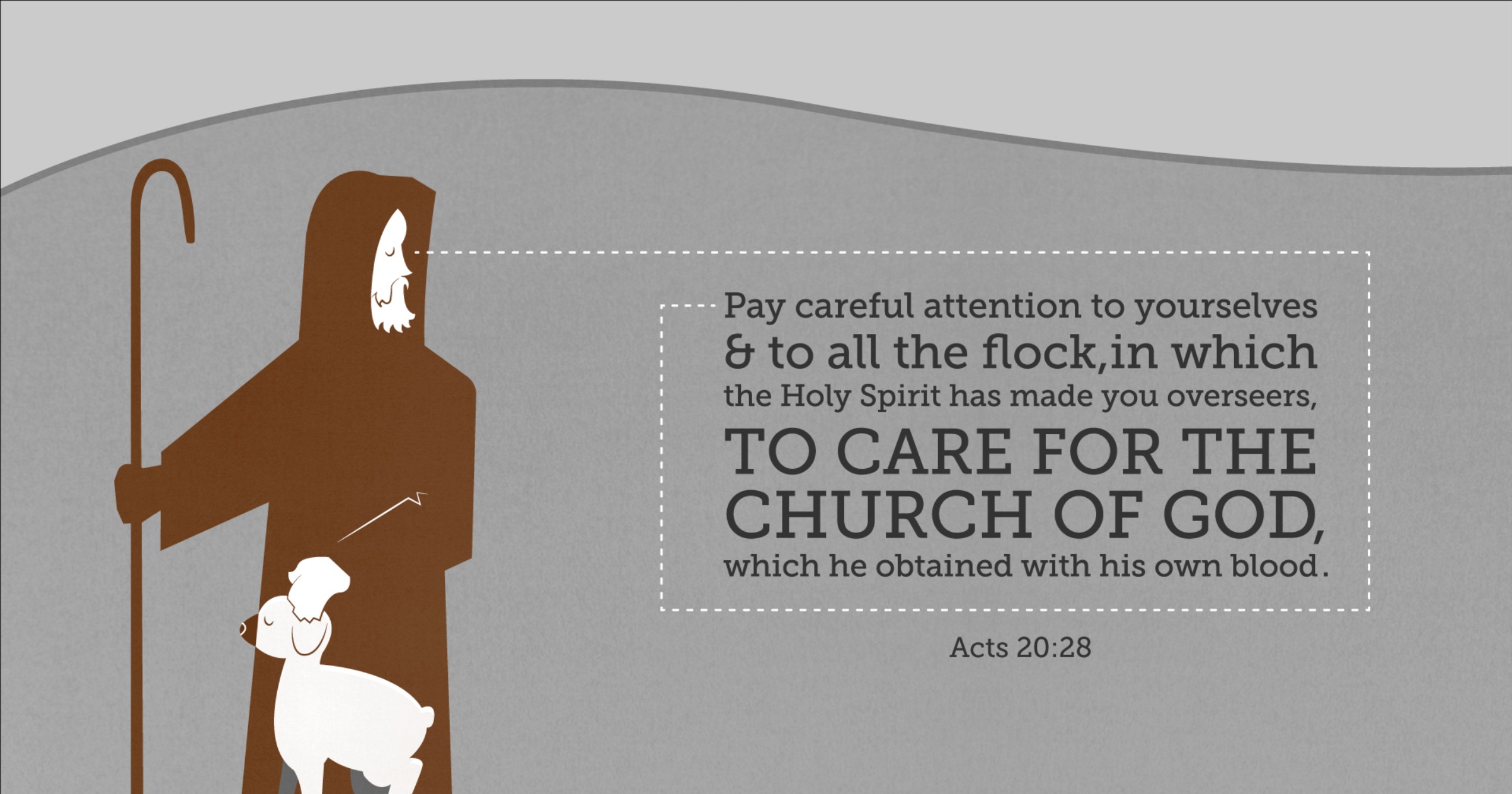
The Architecture of Identity: Defining the Brand Mission
Every successful brand begins with a clear mission statement. In the context of brand strategy, the mission isn’t just what a company does; it is why they exist and the fundamental value they provide. When Jesus spoke about the “Church” (the Ekklēsia), he was establishing a corporate identity built on a foundational promise.
The “Rock” of Brand Infrastructure
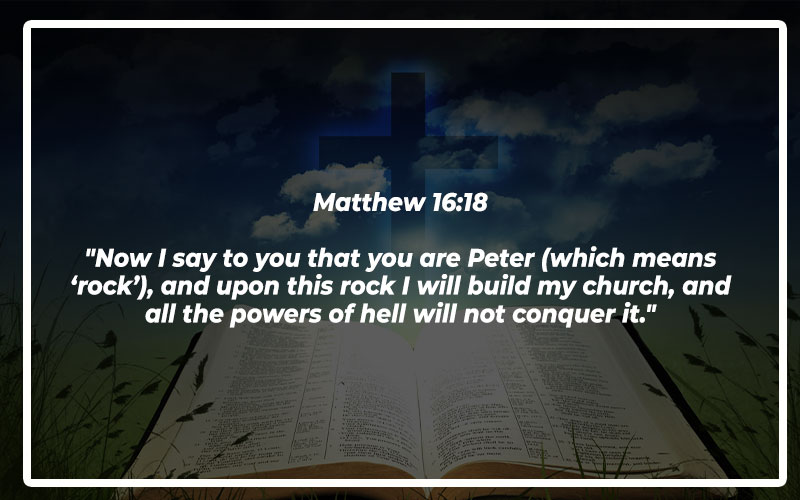
One of the most famous declarations regarding the Church’s identity occurs when Jesus identifies Peter as the “rock” upon which the institution would be built. From a brand strategy standpoint, this is the establishment of infrastructure. A brand cannot survive on ideas alone; it requires a structural foundation. By naming a successor and a foundational principle, Jesus ensured that the brand had a physical and leadership anchor. This move established “Brand Continuity.” It signaled to the followers that the mission was not dependent solely on the physical presence of the founder but was designed to outlast him.
A Mission Beyond the Local Market
The “Great Commission” serves as the ultimate expansion strategy. Jesus instructed his followers to take the message to the “ends of the earth.” In modern marketing, this is the transition from a niche startup to a global enterprise. The mission was universal, not regional. By defining the Church’s scope as global from the outset, Jesus prevented the brand from becoming insular. He set a high-growth trajectory that demanded a “Brand Voice” capable of translating across every language and culture while maintaining its core DNA.
The Parable Strategy: Narrative as the Ultimate Engagement Tool
The most successful brands today are those that tell the best stories. Storytelling is the mechanism by which abstract values become tangible to the consumer. Jesus did not rely on complex theological white papers; he utilized the power of narrative through parables. This is the precursor to what we now call Content Marketing and Narrative Branding.
Emotional Resonance Through Metaphor
By using metaphors—the mustard seed, the lost sheep, the prodigal son—Jesus created a brand language that was accessible. These stories weren’t just informative; they were emotionally evocative. A brand that connects with the heart is far more likely to retain loyalty than one that only appeals to the intellect. The parables acted as “Brand Touchpoints,” allowing people from different socioeconomic backgrounds to find themselves within the story.
Simplicity as a Competitive Advantage
In a world filled with complex religious and political legalism, the “Church” brand offered radical simplicity. Jesus distilled the brand’s core values into two primary pillars: love for the Creator and love for one’s neighbor. In brand design, this is the “Minimum Viable Product” (MVP) approach—stripping away the noise to focus on the most impactful features. This simplicity made the brand highly “shareable.” Because the message was easy to grasp and communicate, every member of the Church became an organic brand ambassador.
Community as Equity: The Transition from Audience to Advocate
A brand is truly successful when it moves beyond having customers and starts building a community. Jesus’s vision for the Church was never about passive observers; it was about the “Body”—a decentralized, interconnected network of advocates.
Empowerment and Decentralization
What Jesus said about the church emphasized the concept of shared ownership. By describing the Church as a body where every member has a function, he implemented a decentralized brand model. This is similar to modern “User-Generated Content” or “Community-Driven Branding.” When members feel they have a stake in the brand’s success, their loyalty becomes unshakeable. This sense of belonging creates “Brand Equity” that is resilient to external market pressures or competition.
Radical Inclusivity and Brand Loyalty
At a time when institutions were defined by exclusion, the Church brand was defined by radical inclusivity. By welcoming those who were traditionally marginalized, Jesus tapped into an underserved “market.” This inclusivity became a core part of the brand’s value proposition. When a brand stands for something—especially something that challenges the status quo—it fosters a level of fanaticism that neutral brands can never achieve. This isn’t just community; it’s a “Brand Cult” in the best sense of the word: a group of people so aligned with the vision that they incorporate the brand into their very identity.
Scalability and the Global Identity: Maintaining Core Integrity Across Markets
One of the greatest challenges in brand strategy is maintaining “Brand Integrity” as the organization grows. How do you keep the message the same when the organization spans thousands of miles and dozens of cultures? The Church solved this through ritual and symbol—the visual and experiential elements of corporate identity.
The Symbolism of Ritual
The “Brand Experience” of the Church was anchored in shared rituals. These rituals served as “UX” (User Experience) elements that remained consistent regardless of geographic location. Whether in a house in Rome or a temple in Jerusalem, the core experience remained the same. This consistency is what allows a brand like McDonald’s or Apple to be recognizable anywhere in the world. The Church established its “Corporate Visual Identity” and experiential markers early on, ensuring that the “Brand Essence” remained intact.
Adapting Without Diluting
While the core message remained static, the Church demonstrated an incredible ability to adapt its “Marketing Mix” to local cultures. This is the “Glocal” approach—thinking globally while acting locally. Jesus’s instructions to be “salt and light” in the world suggested that the Church should influence its environment without losing its distinct “flavor.” For a brand, this means staying relevant to the current trends and cultural shifts without compromising the foundational values that define the brand’s identity.
The Enduring Legacy: Lessons for Modern Brand Stewardship
The longevity of the Church is not an accident; it is the result of a masterfully executed brand strategy that focused on human connection, visionary leadership, and narrative power. For modern brand strategists and corporate leaders, the lessons are clear: a brand must be more than a product; it must be a movement.
Authenticity Over Perfection
What Jesus emphasized was a brand built on authenticity. He was famously critical of “Performative Branding” (hypocrisy) and emphasized “Authentic Engagement.” In today’s market, consumers are hyper-aware of corporate posturing. They crave authenticity. The Church brand thrived because its early advocates were willing to suffer for the truth of the message. This level of commitment is the ultimate proof of brand authenticity.

The Power of the Long View
Finally, the Church brand was built with an eternal timeline in mind. Most modern brand strategies are built around quarterly earnings or five-year plans. Jesus spoke about a Church that would prevail against the “gates of hell”—a statement of ultimate resilience. When a brand adopts a “Infinite Game” mindset, it makes different decisions. It prioritizes long-term trust over short-term gains. It builds systems that are designed to last for generations, not just seasons.
By studying the foundational principles of the Church, we see that branding is not about logos and colors; it is about the “Spirit” of the organization. It is about defining who you are, why you matter, and how you will change the world. What Jesus said about the Church provides a timeless framework for any organization seeking to build a brand that is not only successful but truly transformative.
aViewFromTheCave is a participant in the Amazon Services LLC Associates Program, an affiliate advertising program designed to provide a means for sites to earn advertising fees by advertising and linking to Amazon.com. Amazon, the Amazon logo, AmazonSupply, and the AmazonSupply logo are trademarks of Amazon.com, Inc. or its affiliates. As an Amazon Associate we earn affiliate commissions from qualifying purchases.