
In the hyper-competitive landscape of global commerce, the difference between a brand that resonates and one that fades into the background often comes down to the clarity of its communication. While modern marketers frequently chase the latest algorithmic trends or fleeting social media tactics, the most enduring brand strategies are built upon a foundation that dates back over two millennia: the Trivium.
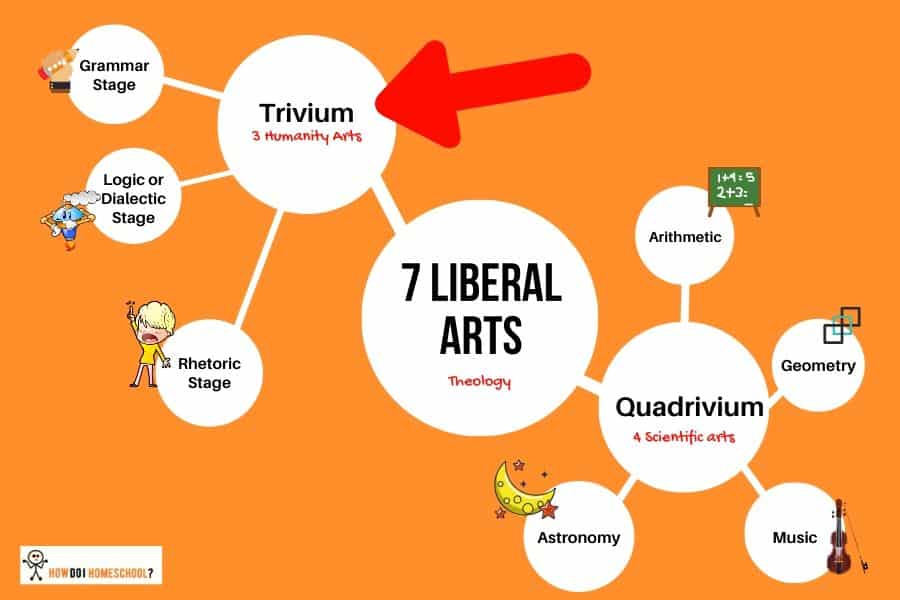
The Trivium—a Latin term meaning “the three ways”—originally represented the first three of the seven liberal arts in classical education: Grammar, Logic, and Rhetoric. In its historical context, it was designed to provide students with the fundamental tools of learning and critical thinking. In the context of 21st-century brand building, however, the Trivium serves as a powerful architectural framework for creating coherent, persuasive, and logically sound corporate identities.
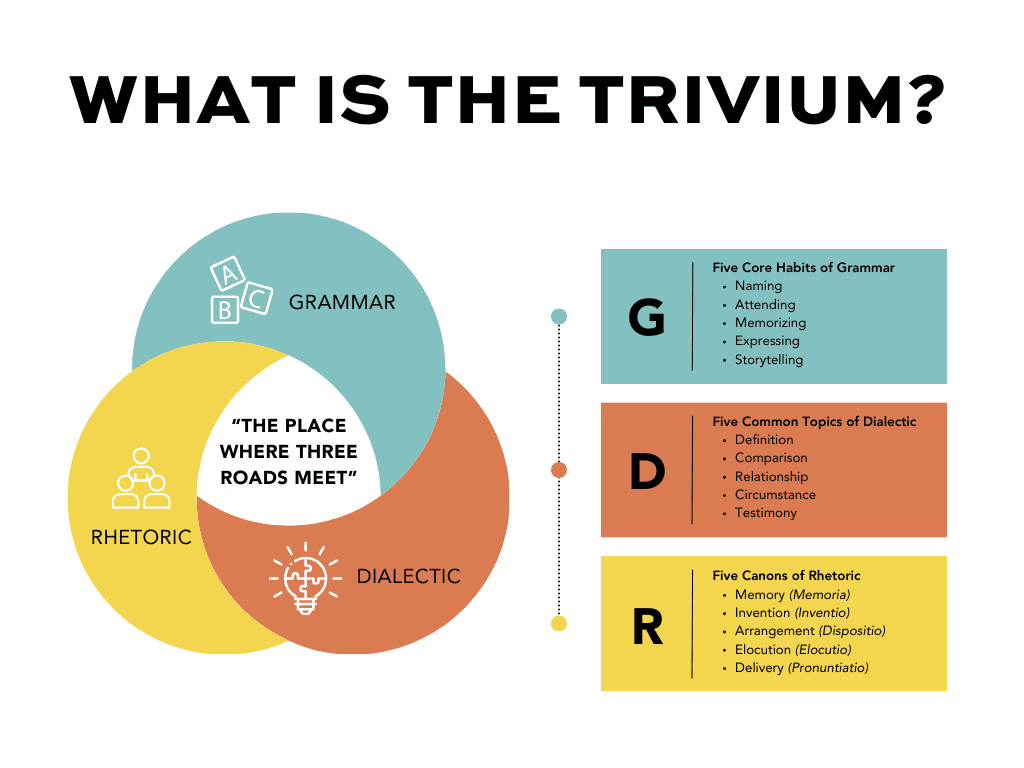
By viewing brand strategy through the lens of the Trivium, organizations can move beyond superficial design and transition into a space of deep influence. This framework ensures that a brand is not only seen but understood, believed, and acted upon.
The First Pillar: Brand Grammar – Defining the Identity
In the classical sense, Grammar is the study of the structure of language and the identification of the raw materials of communication. In branding, “Grammar” represents the foundational elements of the brand identity. This is the stage where the raw materials of the brand—its name, its visual assets, its core values, and its tone of voice—are defined and codified.
Establishing the Visual Lexicon
Just as a sentence cannot function without a subject and a verb, a brand cannot function without a clear visual lexicon. This includes the logo, color palette, typography, and imagery style. When we speak of “Brand Grammar,” we are discussing the rules that govern how these elements interact. Consistency is the primary objective here. A brand that uses a professional, serif typeface in one medium and a playful, hand-drawn font in another is essentially speaking in “broken English.”
By establishing a rigid Brand Grammar, a company ensures that every touchpoint—from a digital advertisement to a physical product package—feels like it belongs to the same coherent “language.” This consistency builds familiarity, and familiarity is the precursor to trust.
The Semantics of Brand Values
Grammar is also about meaning. In the branding niche, this involves defining the core values and the mission statement. These are the “nouns” and “adjectives” of the brand. If a brand claims to be “innovative” but its visual grammar is dated and its messaging is conservative, there is a grammatical error in the brand’s identity. The First Pillar requires a meticulous alignment between what a brand says it is and the structural symbols it uses to express that reality.
The Second Pillar: Brand Logic – The Strategy of Differentiation
Once the grammar of the brand is established, the next phase is Logic. In the classical Trivium, Logic is the art of thinking; it is the process of taking the raw materials of grammar and organizing them into valid, non-contradictory arguments. In branding, Logic is the strategic engine. It is where the brand’s “why” is tested against market realities and competitive landscapes.
Internal Consistency and Strategic Positioning
Logic dictates that a brand must make sense to its target audience. This is the stage of strategic positioning. Brand managers must ask: “Is our value proposition logically sound?” If a brand positions itself as a luxury provider (Grammar) but competes primarily on price discounts (Action), the logic is flawed.
Logic ensures that the brand’s promises align with its delivery. This involves deep market research, SWOT analysis, and the development of a Unique Selling Proposition (USP). A logically sound brand strategy identifies a specific gap in the market and constructs a rational argument for why that brand is the most qualified to fill it. It moves the brand from a collection of visual assets into a cohesive business case.

Data-Driven Decision Making
In the modern branding era, Logic is heavily influenced by data. Analytics, consumer behavior patterns, and feedback loops provide the “premises” from which strategic “conclusions” are drawn. A brand using the Trivium framework uses Logic to strip away vanity metrics and focus on the mechanics of conversion. It asks if the brand’s current trajectory is a logical progression of its foundational identity. Without Logic, branding is merely art; with Logic, it becomes a science of market influence.
The Third Pillar: Brand Rhetoric – The Art of Persuasive Marketing
The final stage of the Trivium is Rhetoric. Classically, Rhetoric is the art of persuasion—the ability to present an argument in a way that moves the listener to action. In the world of branding and marketing, Rhetoric is the “output” phase. It is the creative execution, the storytelling, and the emotional resonance that compels a consumer to choose one brand over another.
Storytelling as a Rhetorical Device
If Grammar is the “what” and Logic is the “how,” Rhetoric is the “so what?” Humans are biologically wired for narrative, and the most successful brands—think Apple, Nike, or Tesla—are masters of rhetorical storytelling. They don’t just list features; they present a worldview.
Effective brand rhetoric takes the structural integrity of the Brand Grammar and the strategic soundness of the Brand Logic and wraps them in a compelling narrative arc. It uses metaphors, emotional appeals (pathos), and demonstrations of authority (ethos) to create a connection that transcends rational utility. This is where copywriting, video production, and social media engagement come into play, transforming a business entity into a cultural icon.
Converting Consumers into Advocates
The ultimate goal of Rhetoric is not just a single transaction, but the creation of a community. When a brand’s rhetoric is successful, the audience begins to adopt the brand’s language and values as their own. This is the pinnacle of brand strategy: when the “rhetoric” of the company becomes the “identity” of the consumer.
By employing classical rhetorical techniques—such as the rule of three, rhythmic repetition, and the hero’s journey—marketers can create campaigns that are not only memorable but transformative. Rhetoric ensures that the brand’s message doesn’t just reach the ear, but reaches the heart.
Integrating the Trivium into Contemporary Brand Systems
The true power of the Trivium lies in its sequential nature. Many modern brands fail because they attempt to jump straight to Rhetoric (flashy advertising) without first establishing a sound Grammar (identity) or a clear Logic (strategy). This results in “empty” branding that may attract attention but fails to sustain a market position.
The Danger of Skipping Pillars
When a brand focuses on Rhetoric without Logic, it becomes “hype.” It makes promises it cannot keep and creates expectations that the product or service cannot fulfill. Conversely, a brand that has Grammar and Logic but lacks Rhetoric is “invisible.” It may be a technically superior product with a clear identity, but it lacks the persuasive power to capture the public imagination.
Applying the Trivium requires a disciplined, holistic approach. It necessitates that the design team (Grammar), the executive strategy team (Logic), and the creative marketing team (Rhetoric) work in perfect synchronicity.
Building a Legacy Brand
Legacy brands are those that have mastered all three “ways.” They have a visual and linguistic grammar that is instantly recognizable (The Golden Arches, the “Swoosh”). They have a market logic that is undeniable (convenience, performance, status). And they have a rhetorical flair that makes them part of the global conversation.
For a personal brand or a corporate entity, the Trivium provides a timeless roadmap. By auditing your brand against these three pillars, you can identify where the disconnect lies. Is your visual identity confusing (Grammar)? Is your business model contradictory (Logic)? Or is your message failing to inspire (Rhetoric)?
In an era of digital noise and fragmented attention, the Trivium offers a return to clarity. It reminds us that branding is not about tricks or hacks, but about the fundamental mastery of communication. By returning to these ancient principles, modern brands can build identities that are not only relevant today but are structurally sound enough to endure for decades. The Trivium is more than a historical curiosity; it is the ultimate blueprint for the art and science of brand strategy.
aViewFromTheCave is a participant in the Amazon Services LLC Associates Program, an affiliate advertising program designed to provide a means for sites to earn advertising fees by advertising and linking to Amazon.com. Amazon, the Amazon logo, AmazonSupply, and the AmazonSupply logo are trademarks of Amazon.com, Inc. or its affiliates. As an Amazon Associate we earn affiliate commissions from qualifying purchases.