
When the world’s elite athletes stand on the podium, the shimmering silver disc placed around their necks represents a lifetime of sacrifice and discipline. However, for the astute investor or the curious financier, the question “what is the silver medal made of” transcends the realm of sports and enters the world of commodity markets, intrinsic value, and asset diversification. While the symbolic value of an Olympic silver medal is immeasurable, its material composition is governed by strict regulations that offer a fascinating glimpse into the economics of precious metals.
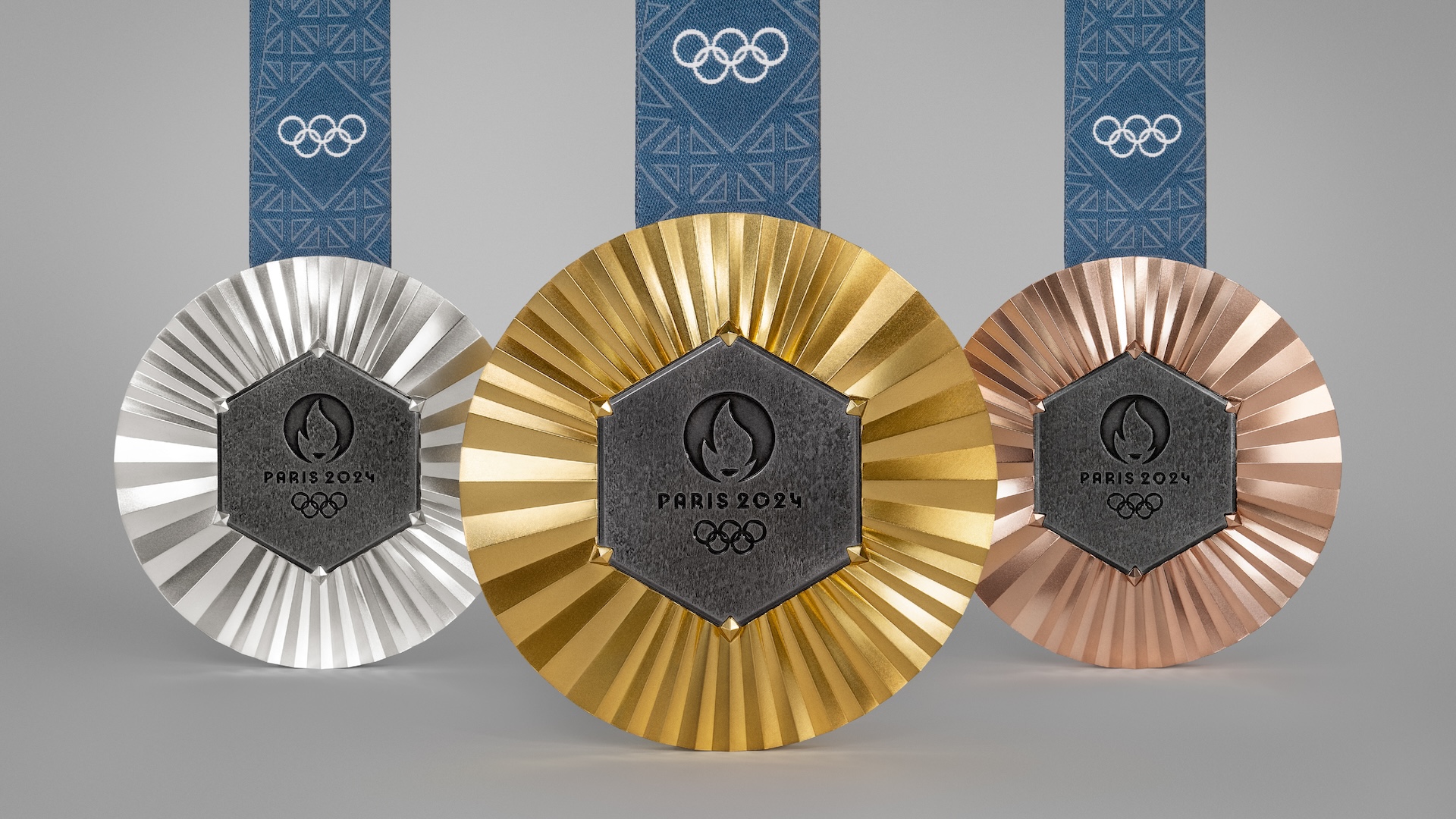
From a financial perspective, understanding what constitutes these prizes is an exercise in valuing raw materials against market fluctuations. Whether you are looking at the medal as a piece of history or as a concentrated store of wealth, the breakdown of its metallic components reveals much about the global silver market and how precious metals are categorized as both industrial essentials and financial hedges.
The Composition of Victory: Breaking Down the Metallic Value
To understand the financial worth of a silver medal, one must first look at the official requirements set by the International Olympic Committee (IOC) and various minting authorities. Unlike the gold medal, which is famously a “misnomer” (it is composed mostly of silver with a thin gold plating), the silver medal is remarkably honest in its composition.
Olympic Standards and International Regulations
According to the IOC’s mandates, silver medals at the Olympic Games must meet a specific purity standard. Historically, these medals are required to be made of at least 92.5% pure silver. This is the same standard used for “Sterling Silver” in the jewelry and high-end cutlery markets. The remaining 7.5% is typically copper or another alloy designed to provide durability.
The choice of 92.5% purity—the .925 fineness—is a strategic financial and metallurgical decision. Pure silver (99.9%) is exceptionally soft and prone to scratching and deformation. By introducing a small percentage of copper, the medal gains the structural integrity needed to survive decades of handling while maintaining a high enough precious metal content to be classified as a significant financial asset. For an investor, the “melt value” of such an object is calculated by multiplying the total weight by 0.925 and then by the current spot price of silver.
The Weight Factor and Melt Value
In recent years, the size and weight of silver medals have increased significantly. For instance, the medals produced for the Tokyo and Paris games have weighed upwards of 500 to 550 grams. If we take a 550-gram medal at 92.5% purity, the silver content is roughly 508 grams, or approximately 16.3 troy ounces.
At a hypothetical silver spot price of $25 per ounce, the raw material value of the silver alone sits at approximately $407. While this may seem modest compared to the prestige of the event, it represents a substantial physical concentration of a liquid commodity. In the world of personal finance, understanding the difference between the face value, the melt value, and the numismatic value of a silver asset is the first step toward building a resilient portfolio.
The Silver Medal as an Asset Class: Investment vs. Sentiment
For many, the silver medal is an heirloom, but in the broader economy, silver is often referred to as “the poor man’s gold.” This moniker belies its importance as a versatile financial instrument. When we analyze what the silver medal is made of, we are essentially analyzing silver as a store of value.
Spot Price vs. Numismatic Value
In the realm of investing, silver medals carry two distinct types of value. The first is the “spot value,” or the intrinsic worth of the metal if it were melted down and sold on the open market. This price fluctuates daily based on global economic conditions, currency strength, and industrial demand.
The second is the “numismatic value,” which accounts for the rarity, history, and demand of the item itself. An Olympic silver medal awarded to a high-profile athlete can fetch tens of thousands of dollars at auction, far exceeding its $400 worth of raw silver. For investors, this highlights a key strategy in precious metals: the distinction between “bullion” (valued for weight) and “collectibles” (valued for scarcity). While the silver medal is a collectible, it is underpinned by a hard asset that ensures it will never have a zero-dollar valuation.
Liquidity and Resale in the Precious Metals Market
One of the primary reasons investors are drawn to the materials within a silver medal is liquidity. Silver is one of the most liquid assets in the world. It can be traded for cash in almost any country at any time. Unlike real estate or private equity, which can take months to liquidate, silver can be converted to currency nearly instantaneously.
For someone holding silver assets, the “spread”—the difference between the price at which you buy and the price at which you sell—is a crucial financial metric. Medals and coins made of sterling silver are easily tested for purity, making them a trusted medium of exchange in secondary markets. This inherent trust is what makes the metallic composition of the medal so vital; it is a globally recognized standard of wealth.
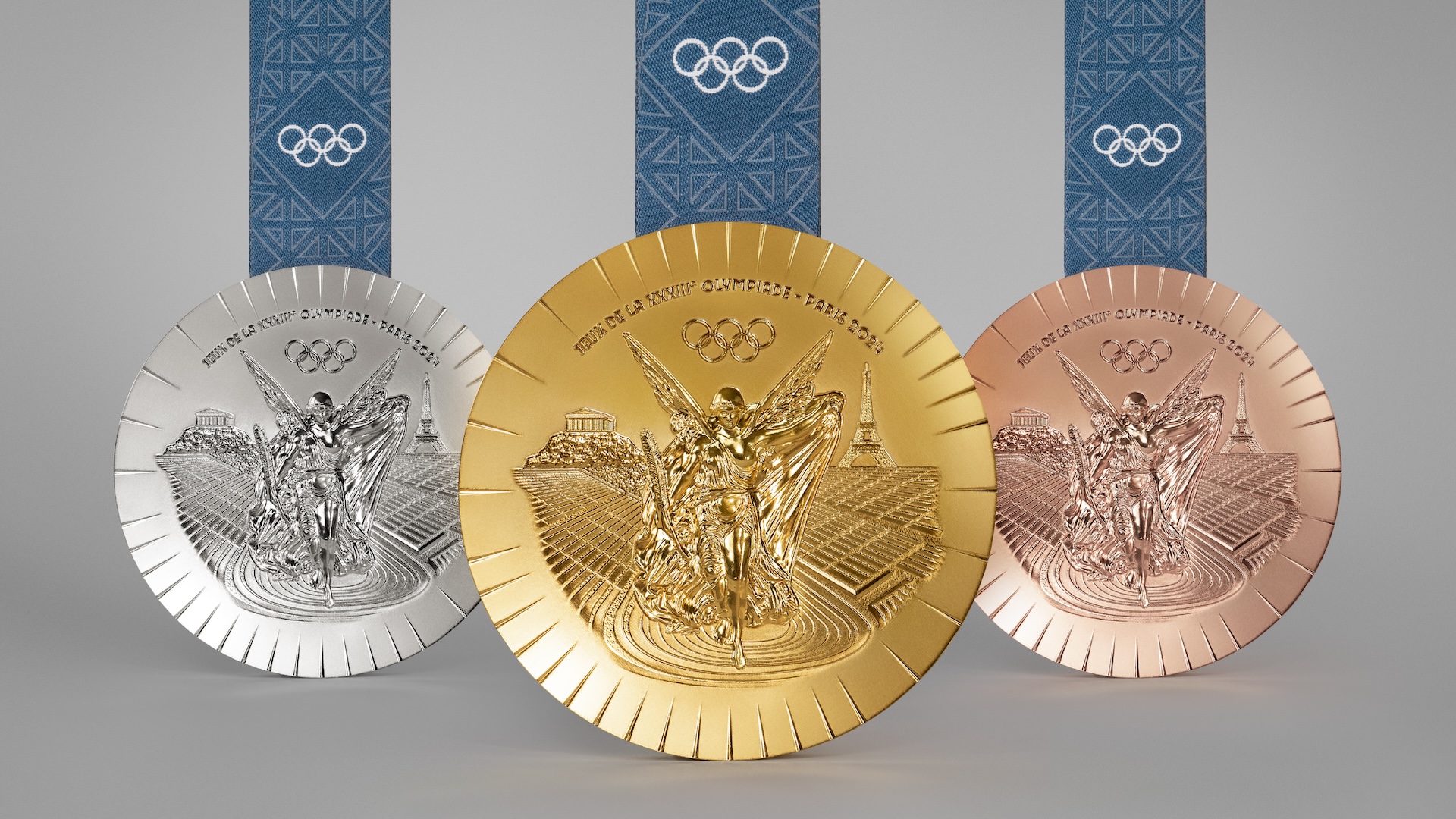
The Economics of Production and Scarcity
The journey of the material inside a silver medal begins deep in the earth, and its path to the podium is shaped by the complex laws of supply and demand. Silver is unique because it is both a financial asset and an essential industrial commodity.
Mining, Refining, and Industrial Demand
Most of the silver used in medals today is a byproduct of mining for other metals like copper, lead, and zinc. Because silver is not always mined directly, its supply is often “inelastic,” meaning it doesn’t always increase just because the price goes up. This creates a natural scarcity that supports the metal’s long-term value.
Furthermore, silver is the most conductive element on the periodic table. It is essential for the production of solar panels, electric vehicles, and high-end electronics. When you hold a silver medal, you are holding a material that the global “green energy” transition relies upon. This industrial demand creates a “floor” for the price of silver. Unlike paper assets that can be printed into oblivion, the silver in a medal is a finite resource that requires significant energy and capital to extract and refine.
Why the Medal’s Value Fluctuates with Global Markets
The value of the silver inside a medal is often inversely correlated with the strength of the US dollar and the performance of the stock market. In times of high inflation or geopolitical instability, investors flock to “safe-haven” assets like silver. This makes the silver medal—or any silver bullion—a form of insurance against financial systemic risk.
When the Federal Reserve adjusts interest rates, the “opportunity cost” of holding silver changes. Since silver doesn’t pay a dividend or interest, it often thrives when interest rates are low or negative in real terms. By understanding the metallic makeup of the silver medal, an investor can better understand how to time their entry into the precious metals market, using silver as a hedge against the devaluation of fiat currency.
Building a “Silver Medal” Portfolio: Diversification Strategies
You don’t have to be an Olympian to benefit from the materials that make up a silver medal. Many financial advisors recommend a 5% to 10% allocation to precious metals to protect a portfolio from volatility.
Physical Bullion vs. Silver ETFs
For the individual investor, there are several ways to gain exposure to the silver found in Olympic medals.
- Physical Silver: Buying silver coins (like American Eagles or Canadian Maples) or silver bars allows you to hold the asset directly. This eliminates “counterparty risk”—the risk that a bank or institution will fail to deliver on a promise.
- Silver ETFs: Exchange-Traded Funds like the iShares Silver Trust (SLV) allow investors to trade silver on the stock market without the need for physical storage. While more convenient, you do not own the physical metal itself, but rather a share in a trust that holds the metal.
The choice between these methods depends on your financial goals. If you value privacy and total control, physical silver is the “silver medal” of your portfolio. If you value liquidity and ease of trading, an ETF may be the better route.
Tax Implications and Storage Costs
Investing in the materials that make up a silver medal comes with specific financial responsibilities. In many jurisdictions, silver is subject to capital gains tax when sold at a profit. Additionally, physical silver is bulky compared to gold. While $50,000 worth of gold can fit in a small pocket, the equivalent value in silver would weigh hundreds of pounds and require a secure, climate-controlled safe or a professional depository.
Professional storage adds a recurring cost to the investment, which must be factored into your “break-even” analysis. However, for many, the cost of storage is a small price to pay for the security of owning a tangible asset that has been recognized as money for over 4,000 years.
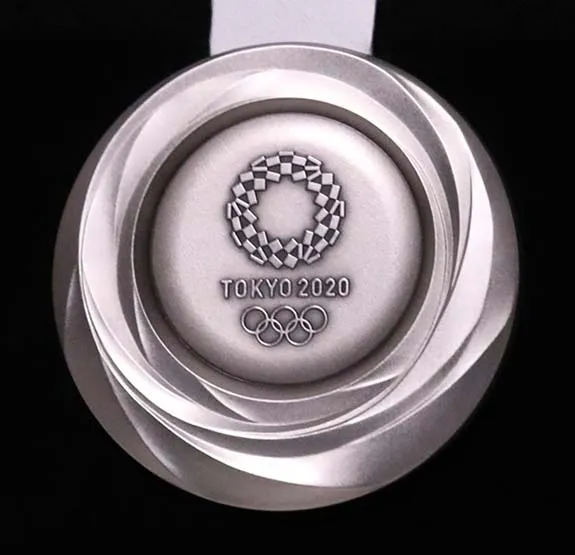
Conclusion: The Financial Reality of the Silver Medal
What is the silver medal made of? On the surface, it is a blend of 92.5% silver and 7.5% copper. But beneath that metallic surface lies a complex financial story. It is a story of industrial necessity, historical wealth preservation, and market psychology.
For the athlete, the medal is a symbol of being the second-best in the world. For the investor, the silver within that medal is a first-rate asset. It offers a hedge against inflation, a stake in the technological future, and a tangible piece of the earth’s finite resources. By understanding the composition and the economic forces that drive the value of silver, you can move beyond the aesthetics of the podium and make informed decisions about your own financial future. Whether in the form of a medal, a coin, or a digital share, silver remains a cornerstone of a diversified and sophisticated financial strategy.
aViewFromTheCave is a participant in the Amazon Services LLC Associates Program, an affiliate advertising program designed to provide a means for sites to earn advertising fees by advertising and linking to Amazon.com. Amazon, the Amazon logo, AmazonSupply, and the AmazonSupply logo are trademarks of Amazon.com, Inc. or its affiliates. As an Amazon Associate we earn affiliate commissions from qualifying purchases.