
In the landscape of brand strategy and corporate communication, the “body” of your content is where the actual work of persuasion happens. While a headline may capture attention and a call to action may seal the deal, the body paragraphs serve as the connective tissue that transforms a passive reader into a loyal brand advocate. In professional brand storytelling, body paragraphs are not merely fillers between the introduction and conclusion; they are the strategic engine of the narrative, designed to build authority, provide evidence, and guide the user through a meticulously crafted psychological journey.
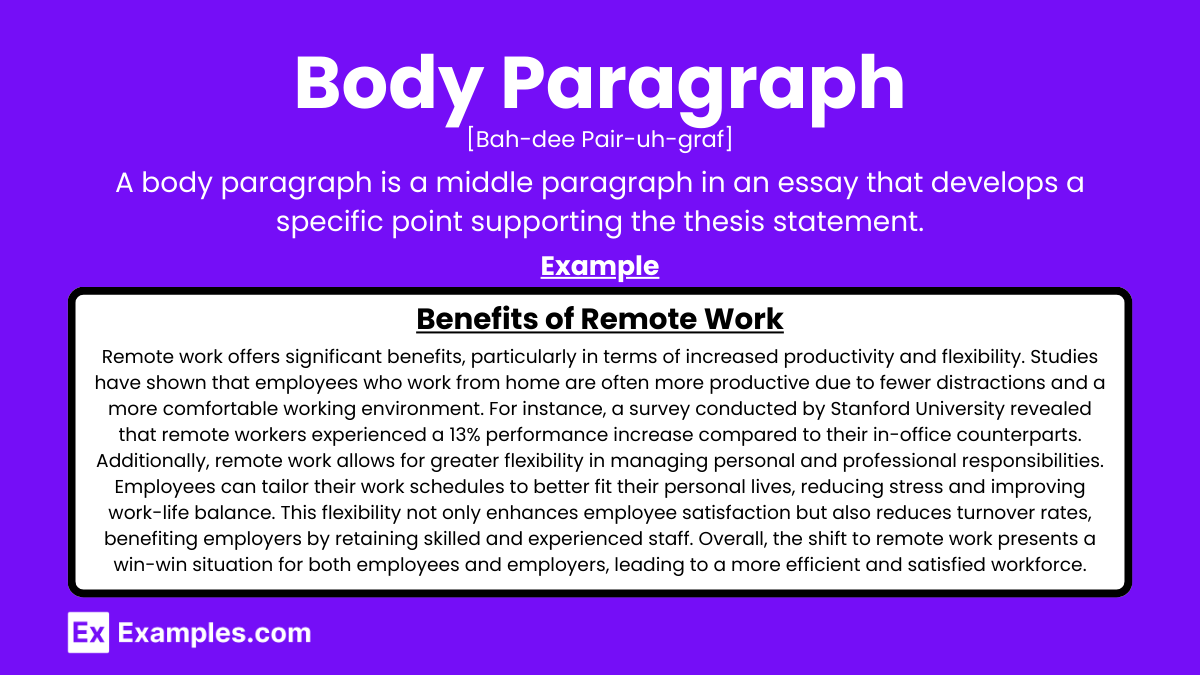
To understand the purpose of body paragraphs within a brand’s digital and print ecosystem, one must look past the mechanics of grammar and into the mechanics of influence. Whether you are drafting a white paper, a high-converting landing page, or a corporate case study, each paragraph must serve a distinct tactical purpose.
The Structural Engine of Brand Storytelling
The primary purpose of body paragraphs in brand strategy is to facilitate the transition from interest to intent. If the headline is the promise, the body paragraphs are the delivery of that promise. They provide the space necessary to unfold complex brand narratives that cannot be condensed into a single tagline.
Bridging the Gap Between Hook and Call to Action
A common mistake in modern marketing is moving too quickly from the “hook” to the “ask.” Without substantive body paragraphs, a brand risks appearing shallow or overly aggressive. The body paragraphs act as a bridge, offering the reader the necessary context to understand why a product or service matters. By systematically addressing pain points and presenting solutions, these paragraphs build a logical progression that makes the eventual call to action feel like a natural conclusion rather than a forced sales pitch.
Establishing Authority and Subject Matter Expertise
In a competitive marketplace, authority is a currency. Body paragraphs provide the platform to showcase expertise. Through the use of data-driven insights, industry analysis, and deep-dive explanations, a brand can demonstrate that it doesn’t just sell a product, but understands the entire ecosystem in which that product exists. This “middle” section of content is where technical specifications are translated into value propositions, and where abstract concepts are grounded in real-world application.
Enhancing the User Journey Through Content Architecture
From a brand design and marketing perspective, the structure of body paragraphs is just as important as the words they contain. The way information is tiered affects how a user perceives the brand’s professionalism and accessibility.
Retention and Readability in Digital Spaces
Modern consumers have shorter attention spans, but they are also more discerning. The purpose of body paragraphs in a digital context is to maintain engagement without overwhelming the senses. This is achieved through “scannable” architecture. By utilizing focused paragraphs that center on a single core idea, brands can ensure that even “skimmers” absorb the most important information. The purpose here is cognitive ease; if a brand’s body paragraphs are dense, disorganized, or repetitive, the brand itself is perceived as difficult to work with.
Guiding the Reader Toward Conversions
Every paragraph in a piece of brand collateral should have a directional pull. This is often referred to as “narrative flow.” The purpose of each subsequent paragraph is to answer the question raised by the previous one. This creates a momentum that carries the reader toward a conversion point. In brand strategy, this is often mapped against the customer’s journey: the first few paragraphs might focus on “Awareness,” the middle on “Consideration,” and the final body sections on “Decision” or “Validation.”
SEO and Visibility: The Strategic Role of Middle-Section Content
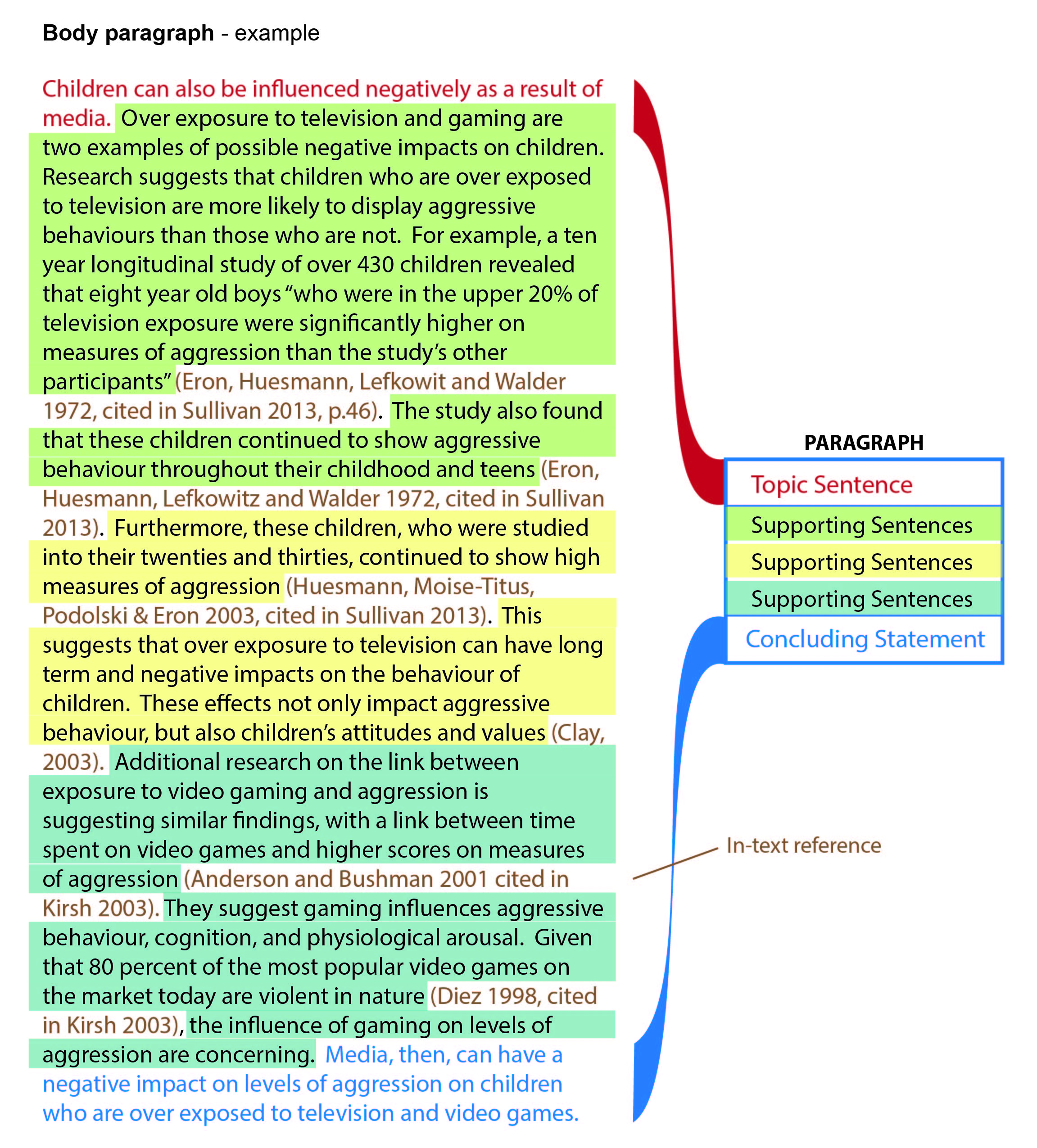
For a brand to be effective, it must first be found. In the realm of digital marketing and search engine optimization (SEO), the purpose of body paragraphs extends beyond the human reader to the search algorithm.
Contextual Relevance and Semantic Search
Search engines prioritize content that demonstrates depth and topical authority. Body paragraphs are the primary vehicle for semantic keywords and contextual relevance. By exploring sub-topics related to the main brand message, body paragraphs signal to search engines that the page is a comprehensive resource. This isn’t about “keyword stuffing,” but about “thematic depth.” The purpose of these sections is to provide enough signal for algorithms to categorize the brand as a leader in its specific niche.
Maximizing the Value of Long-Form Copy
There is a direct correlation between the quality of body paragraphs and the “time on page” metric, which is a critical factor for brand visibility. High-quality, insightful paragraphs keep users engaged longer, signaling to search engines that the content is valuable. This “dwell time” is an indirect endorsement of the brand’s credibility. Therefore, the purpose of well-researched body content is to reduce bounce rates and increase the overall health of the brand’s digital domain.
Best Practices for Crafting High-Impact Brand Paragraphs
To fulfill their strategic purpose, body paragraphs must adhere to specific standards of brand excellence. If a paragraph does not contribute to the brand’s identity or the user’s understanding, it should be removed.
The One-Idea Rule
In professional branding, clarity is king. Each body paragraph should be dedicated to a single concept or value proposition. This prevents the “muddying” of the brand message. For example, if a paragraph is discussing the sustainability of a product’s materials, it should not pivot mid-way to discuss shipping logistics. By isolating ideas, the brand ensures that the reader retains the specific “wins” associated with the product or service.
Using Data to Anchor Claims
In the age of skepticism, a brand’s word is rarely enough. The purpose of body paragraphs is often to provide the “proof” for the “promises” made in the introduction. This is where case studies, testimonials, and statistical data are integrated. A paragraph that cites a 30% increase in efficiency for a client is infinitely more powerful than a paragraph that simply claims a product is “fast.” This anchoring effect transforms marketing fluff into corporate intelligence.

The Psychological Impact of Narrative Progression
Ultimately, the purpose of body paragraphs is to influence the psychological state of the reader. Branding is as much about emotion as it is about logic.
The middle sections of a brand story are where empathy is built. By describing a problem in detail, a brand shows the reader, “We understand your struggle.” By describing the solution in detail, the brand says, “We have the answer.” This progression creates a psychological bond. The paragraphs serve to validate the reader’s experiences while positioning the brand as the hero or the guide in their story.
When a brand successfully utilizes its body paragraphs, it does more than just inform; it transforms the reader’s perspective. It moves the conversation from “What is this?” to “How does this solve my problem?” and finally to “I need this.” Without the heavy lifting performed by the body paragraphs, that transformation is rarely successful.
In conclusion, the purpose of body paragraphs in the context of brand strategy and marketing is multifaceted. They are the site of education, the foundation of authority, the engine of SEO, and the roadmap to conversion. By treating these middle sections as strategic assets rather than obligatory text, brands can create content that doesn’t just fill a page, but builds a legacy. Every sentence must be weighed for its strategic value, ensuring that the brand’s identity is reinforced with every word, every statistic, and every transition. This is the difference between content that is merely read and content that is remembered.
aViewFromTheCave is a participant in the Amazon Services LLC Associates Program, an affiliate advertising program designed to provide a means for sites to earn advertising fees by advertising and linking to Amazon.com. Amazon, the Amazon logo, AmazonSupply, and the AmazonSupply logo are trademarks of Amazon.com, Inc. or its affiliates. As an Amazon Associate we earn affiliate commissions from qualifying purchases.