
In the world of craft spirits and boutique distilleries, the term “moonshine” has undergone a radical transformation. Once synonymous with clandestine backwoods operations and tax evasion, it has evolved into a high-margin, legitimate asset class within the broader beverage industry. For investors, entrepreneurs, and personal finance enthusiasts looking at the “alternative spirits” market, understanding the “proof” of moonshine is not just a matter of chemistry—it is a fundamental exercise in understanding valuation, taxation, and market positioning.
The “proof” of a spirit is a critical metric that dictates its price point, its regulatory category, and its ultimate profitability. In the modern financial landscape, the proof of moonshine serves as a benchmark for quality control and a pivot point for federal excise taxes, making it a central pillar of the distillery business model.

The Evolution of Proof: From Gunpowder to Profit Metrics
Historically, “proof” was a crude financial instrument. In 18th-century England, spirits were tested by soaking gunpowder in the liquid. If the gunpowder could still be ignited after being soaked, the spirit was considered “proved.” This was a primitive form of consumer protection; it ensured that the buyer was not paying for watered-down product. For the merchant, providing “proof” was the first step in establishing a brand’s value and justifying a premium price.
The Modern Mathematical Standard
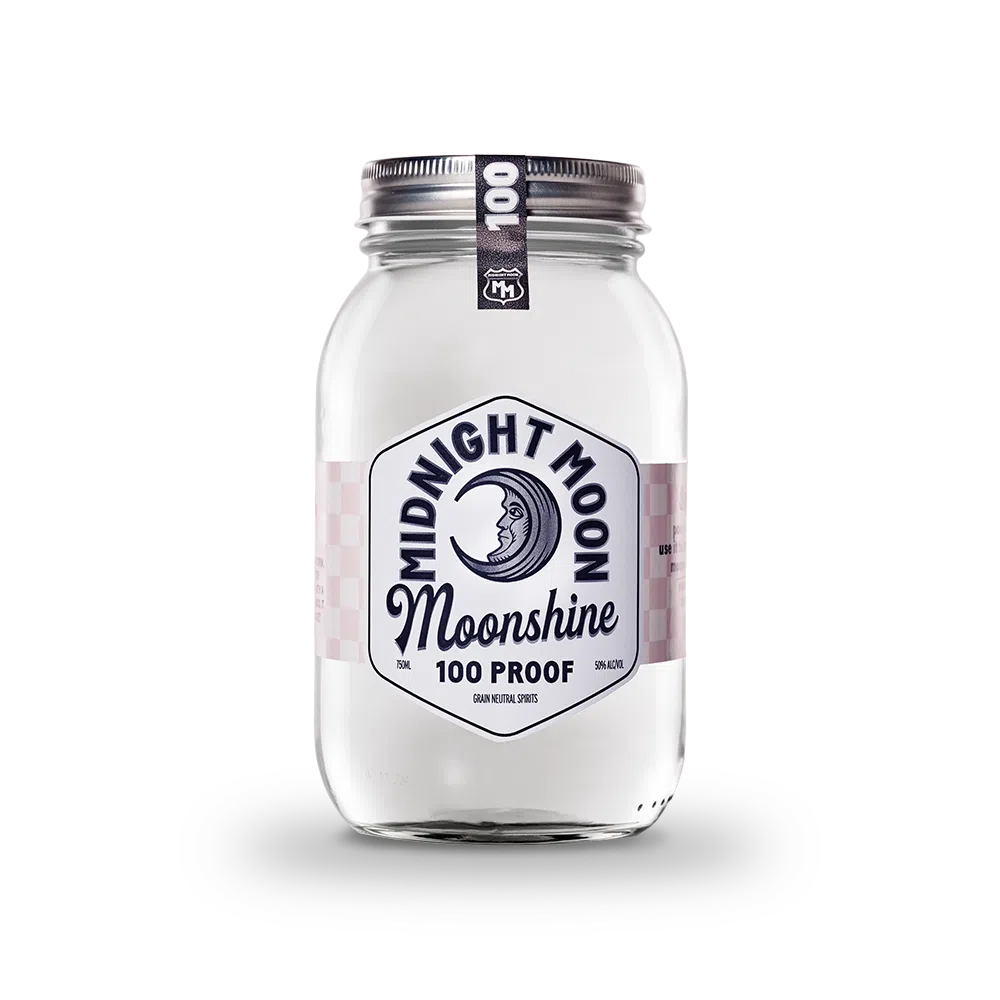
In the United States, the legal definition of proof is exactly twice the percentage of alcohol by volume (ABV). A 100-proof moonshine contains 50% alcohol. From a business perspective, this transparency is vital. For a startup distillery, the decision to bottle at 80 proof versus 100 proof is not merely an aesthetic choice; it is a calculation of volume and yield.
Higher-proof spirits require less dilution, meaning fewer bottles are produced from a single batch. Conversely, lower-proof spirits allow a distiller to stretch their raw materials further, potentially increasing the total revenue per “run,” provided the market accepts the lower potency.
Proof as a Branding Asset
In the contemporary market, “high-proof” has become a marketing buzzword used to signal authenticity and “heritage.” Distilleries often leverage high proof (sometimes reaching 120 or 150 proof) to command a higher retail price. This “cask strength” or “high-octane” branding allows for a significant markup, as consumers perceive the higher alcohol content as a more concentrated, premium product that they can dilute themselves.
The Economics of the “Proof Gallon” and Federal Taxation
For any business owner in the spirits industry, the most important financial metric is the “proof gallon.” Unlike a standard gallon, which measures volume, a proof gallon measures the alcoholic content of the spirit. Specifically, one proof gallon is one liquid gallon of spirits that is 50% alcohol (100 proof) at 60 degrees Fahrenheit.
The Impact of Excise Taxes
The federal government taxes spirits based on the proof gallon, not the liquid gallon. This means that a bottle of 100-proof moonshine is taxed at a higher rate than a bottle of 80-proof moonshine, even if the bottle size is identical. For a distillery’s Chief Financial Officer, managing the proof of the product is a direct exercise in tax liability management.
When a distillery scales, a few degrees of proof can result in thousands of dollars in tax differences. This creates a strategic tension: high-proof moonshine might sell for more, but it also incurs a higher tax burden before it even leaves the warehouse. Successful brands must find the “sweet spot” where the premium price paid by the consumer outpaces the increased excise tax.
Inventory Valuation and Aging
While moonshine is typically an unaged spirit (meaning it does not require years in a barrel like bourbon), many craft producers are experimenting with “aged moonshine” to diversify their portfolios. When a spirit is placed in a barrel, the proof changes over time due to evaporation (the “angels’ share”). From an accounting standpoint, this makes inventory valuation incredibly complex. Distilleries must constantly track the “proof” of their maturing stock to accurately report their assets’ value on balance sheets.
Production Economics: The Cost of the High Proof

The financial “proof” of moonshine also relates to the efficiency of the production process. Creating high-proof alcohol requires significant capital investment in distillation technology and high operational costs in the form of energy and raw materials.
Feedstock and Yield Ratios
The primary cost of moonshine production is the feedstock—usually corn, sugar, or a grain mash. The efficiency of the fermentation process determines the “wash” ABV, but it is the distillation process that determines the final proof. To achieve the high-proof levels associated with traditional moonshine (often 150+ proof), a distiller must run the spirit through the still multiple times or use a sophisticated column still.
Each additional distillation cycle increases labor costs and energy consumption. Therefore, the “proof” of the final product is a direct reflection of the operational expenditure (OPEX) invested in that batch.
Energy Costs and Sustainability
Distillation is an energy-intensive process. As energy prices fluctuate, the cost of maintaining high-proof output becomes a variable that can eat into profit margins. Many modern distilleries are looking at “green tech” solutions, such as solar-powered stills or heat recovery systems, to keep their “proof costs” down. For an investor, the energy efficiency of a moonshine distillery is a key indicator of its long-term viability in a volatile energy market.
The Craft Revolution: Monetizing Heritage as a Side Hustle
The deregulation of craft distilling in many regions has opened the door for entrepreneurs to turn moonshine from an illegal activity into a lucrative side hustle or full-time business. This transition involves shifting the focus from “avoiding the law” to “building brand equity.”
Navigating the Barrier to Entry
The financial barrier to entry for a legal moonshine business is high, primarily due to licensing and equipment costs. However, the “moonshine” niche offers a unique advantage: it does not require the years of aging that whiskey or scotch necessitates. This allows for a much faster “cash conversion cycle.” A distiller can produce a batch of moonshine, bottle it, and sell it within weeks, providing a rapid return on investment (ROI) that is rare in the spirits world.
Market Positioning and Premiumization
To succeed, a moonshine brand must move beyond the “mason jar” gimmick. The most successful brands in the space use the “proof” of their heritage to sell a story. They position their product as a “white whiskey” or a “clear corn spirit,” targeting a demographic that values transparency, local sourcing, and artisanal craftsmanship. By focusing on niche markets—such as cocktail bars looking for high-proof base spirits—these businesses can sustain high margins even in a crowded marketplace.
The Role of E-commerce and Direct-to-Consumer Sales
Digital marketing has changed the way moonshine is sold. Small-batch producers can now use social media and personal branding to reach a global audience. By highlighting the unique “proof” and process of their specific moonshine, they can drive direct-to-consumer (DTC) sales, which offer much higher margins than traditional wholesale distribution.
Investment Potential and the Future of the Moonshine Vertical
As the spirits industry continues to consolidate, moonshine brands are increasingly becoming targets for acquisition by larger beverage conglomerates. This “exit potential” makes the sector attractive for venture capital and private equity.
Strategic Acquisitions
Large players like Diageo or Constellation Brands are always looking for authentic “craft” stories to add to their portfolios. A moonshine brand that has mastered its “proof”—both in terms of its liquid quality and its financial stability—is a prime candidate for a buyout. Investors look for brands that have a loyal following, a clear price-to-proof strategy, and a scalable production model.
Moonshine as an Alternative Asset
Beyond owning a distillery, some investors are looking at “spirit futures” and cask investment. While more common in the whiskey world, high-proof moonshine that is intended for future aging or specialty blending can be seen as an alternative asset. Its value is tied to the brand’s reputation and the market’s demand for high-proof, authentic American spirits.
Risk Management in a Volatile Market
Like any business, the moonshine industry is subject to risks. Changes in federal tax law, shifts in consumer preferences (such as the rise of low-ABV “mocktails”), and rising raw material costs can all impact the bottom line. However, the “proof” of a solid business plan lies in its ability to adapt. For those who understand the intricate relationship between the alcohol content in the bottle and the dollars on the balance sheet, the moonshine market offers a unique and potent opportunity for financial growth.
In conclusion, the “proof” of moonshine is far more than a number on a label. It is a complex financial metric that influences everything from the cost of production and tax liability to brand positioning and investment potential. By mastering the economics of proof, entrepreneurs and investors can tap into a market that celebrates tradition while delivering modern financial returns.
aViewFromTheCave is a participant in the Amazon Services LLC Associates Program, an affiliate advertising program designed to provide a means for sites to earn advertising fees by advertising and linking to Amazon.com. Amazon, the Amazon logo, AmazonSupply, and the AmazonSupply logo are trademarks of Amazon.com, Inc. or its affiliates. As an Amazon Associate we earn affiliate commissions from qualifying purchases.