
In the world of beverage marketing and corporate identity, few case studies are as nuanced and historically rich as the distinction between a porter and a stout. To the casual observer, both represent dark, malt-heavy beers with a shared lineage. However, from a brand strategy perspective, the divergence between these two styles offers a profound lesson in how product naming, market segmentation, and consumer perception can redefine an entire industry. Understanding the difference is not merely a matter of ingredients; it is an exploration of how a brand’s identity evolves over centuries to meet the changing demands of its audience.

The Origins of Identity: How Market Demand Created the Porter Brand
The story of the porter is the story of the first industrially produced, mass-marketed beverage brand. Emerging in early 18th-century London, the porter was a response to a specific market need. Before its rise, beer was often blended at the point of service—a “three-threads” mixture of young, aged, and strong ales. This was inefficient, inconsistent, and difficult to scale.
The birth of the porter brand occurred when brewers realized they could create a pre-blended, aged product that offered consistency and a lower price point. It was named “porter” not because of its chemical composition, but because of its primary demographic: the street and river porters of London. This was a masterstroke of target marketing. By naming the product after its most loyal consumer base, the brewers created an immediate sense of ownership and community identity.
Building a Corporate Identity Through Scale
As porters grew in popularity, the scale of production led to the rise of the “Big Common Brewers.” This period marked the beginning of corporate identity in the brewing world. These companies invested heavily in large-scale vats and sophisticated supply chains, using the porter brand as the foundation of their financial empires. The branding was synonymous with reliability and industrial strength. For the first time, a consumer could travel from one side of the city to the other and expect a relatively similar experience—a hallmark of modern brand consistency.
Market Saturation and the Need for Variety
As the porter market became saturated, brewers faced a classic branding dilemma: how to grow when everyone is already buying your core product. The answer lay in market segmentation. By varying the intensity and weight of the traditional porter, brewers began to experiment with different “tiers” of the same brand, laying the groundwork for what would eventually become the stout.
The Stout Evolution: From Descriptor to Premium Brand Extension
In the early days of its existence, “stout” was not a separate category of beer. Instead, it was a brand descriptor. Much like a modern tech company might release a “Pro” or “Ultra” version of a flagship smartphone, 18th-century brewers produced “stout porters.” The word “stout” simply meant strong, bold, or robust.
This linguistic evolution is a fascinating example of how a brand attribute can eventually cannibalize and transcend the parent brand. Over time, the “porter” suffix was dropped, and “stout” became a standalone identity. This transition allowed brewers to reposition the product as a premium offering, commanding a higher price point due to its perceived strength and complexity.
The Guinness Case Study: Redefining a Category
No discussion of stout as a brand is complete without referencing Guinness. Originally a porter brewery, Guinness effectively pivoted its entire corporate identity to focus on the stout. Through decades of consistent messaging and iconic design, Guinness moved from being a participant in a category to being the category itself.
The brand strategy employed by Guinness focused on “the pour” and the visual identity of the product—the dark body contrasted with the creamy white head. This wasn’t just a beer; it was a visual trademark. By leaning into the “stout” moniker, they were able to distance themselves from the aging porter market and create a global legacy built on a specific, recognizable experience.
Ingredient Branding and the Roasted Barley Pivot
The technical difference between the two styles often comes down to a branding choice regarding ingredients. In the 19th century, the invention of “black patent malt” allowed brewers to achieve deep colors and roasted flavors without the long aging process required for traditional porters.
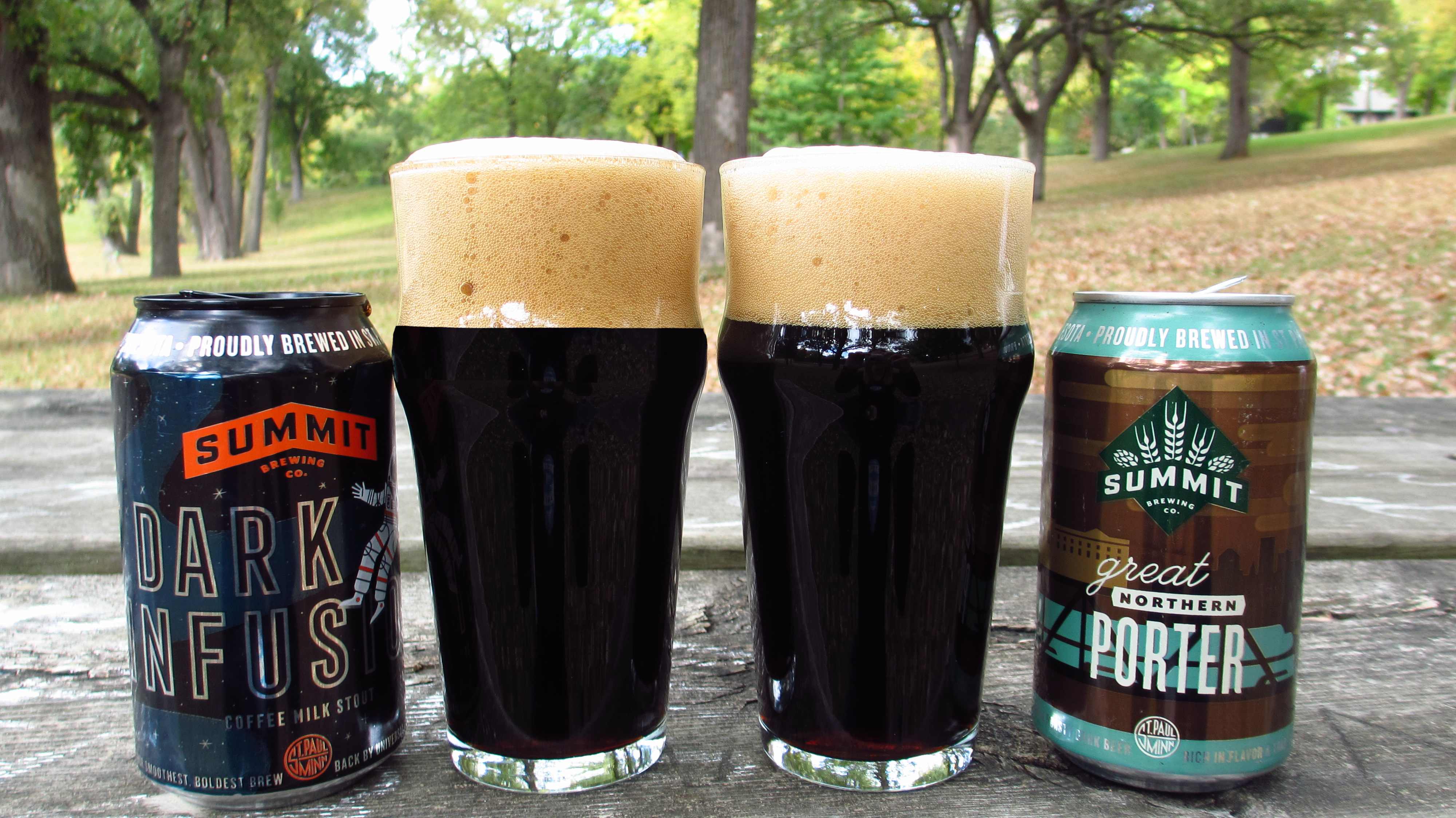
Eventually, the brand distinction solidified around the type of malt used. Porters traditionally utilized malted barley, while stouts increasingly relied on unmalted roasted barley. From a brand storytelling perspective, this allowed stouts to be marketed as “sharper” and “roastier,” whereas porters were positioned as “smoother” and “sweeter.” This differentiation gave consumers a clear choice based on flavor profile, a fundamental principle of product line management.
The Perception Gap: Modern Craft Branding and the “Story” of the Stout
In the modern craft beer era, the line between a porter and a stout has become increasingly blurred, yet the branding remains distinct. Today, the choice to label a beer as a “porter” versus a “stout” is often more of a marketing decision than a technical one. It is about the “story” the brewery wants to tell.
Positioning via Labeling
When a brand labels a product as a porter, they are often tapping into a sense of heritage, approachability, and classic tradition. Porters are perceived as more sessionable—beers that can be enjoyed in multiples without overwhelming the palate. This makes the porter brand an ideal entry point for consumers who are new to dark beers.
Conversely, the stout label carries a weight of intensity. When a consumer sees “stout” on a label, the brand promise is one of boldness, high alcohol content, and decadent flavors like chocolate, coffee, or dark fruit. Modern brand extensions like “Imperial Stouts” or “Pastry Stouts” have further pushed this boundary, using the stout identity as a canvas for extreme product innovation.
The Role of Sensory Branding
The branding of these two styles also relies heavily on sensory cues. The “mouthfeel” of a stout is often marketed as “velvety” or “creamy,” particularly with the rise of nitrogenated versions. This tactile branding creates a different consumer expectation compared to the “clean” or “crisp” finish often associated with modern porters. By managing these expectations through descriptive labeling and consistent product delivery, breweries maintain the integrity of each brand’s niche.
Brand Strategy Lessons: Consistency, Classification, and Consumer Psychology
The divergence of porter and stout offers several key takeaways for brand strategists and marketers across any industry. It demonstrates how a product’s identity is shaped not only by its creators but also by the language and culture of its consumers.
1. The Power of Naming
A name is never just a label; it is a signal of intent. The transition from “Stout Porter” to “Stout” shows how simplifying a brand name can lead to greater market clarity and stronger brand recognition. In any business, if a descriptor (like “Pro,” “Enterprise,” or “Lite”) becomes more meaningful to the customer than the product name itself, there may be an opportunity to spin that descriptor into a primary brand.
2. Market Segmentation is Dynamic
The history of these beers shows that market segments are not static. What begins as a niche for laborers (porter) can evolve into a global premium category (stout). Brands must be willing to monitor consumer trends and shift their positioning to stay relevant. If the London brewers had clung strictly to the original porter formula without allowing for the “stout” evolution, they might have been disrupted by more agile competitors.
3. Consistency Builds Equity
The reason the stout survived the decline of the porter in the 20th century was largely due to the brand equity built by major players. By ensuring that every pint delivered on the promise of the “stout” experience—dark, rich, and robust—these companies cemented the style in the collective consciousness. For any brand, consistency across touchpoints is the fastest way to build long-term loyalty.
4. Leveraging Heritage in Modern Strategy
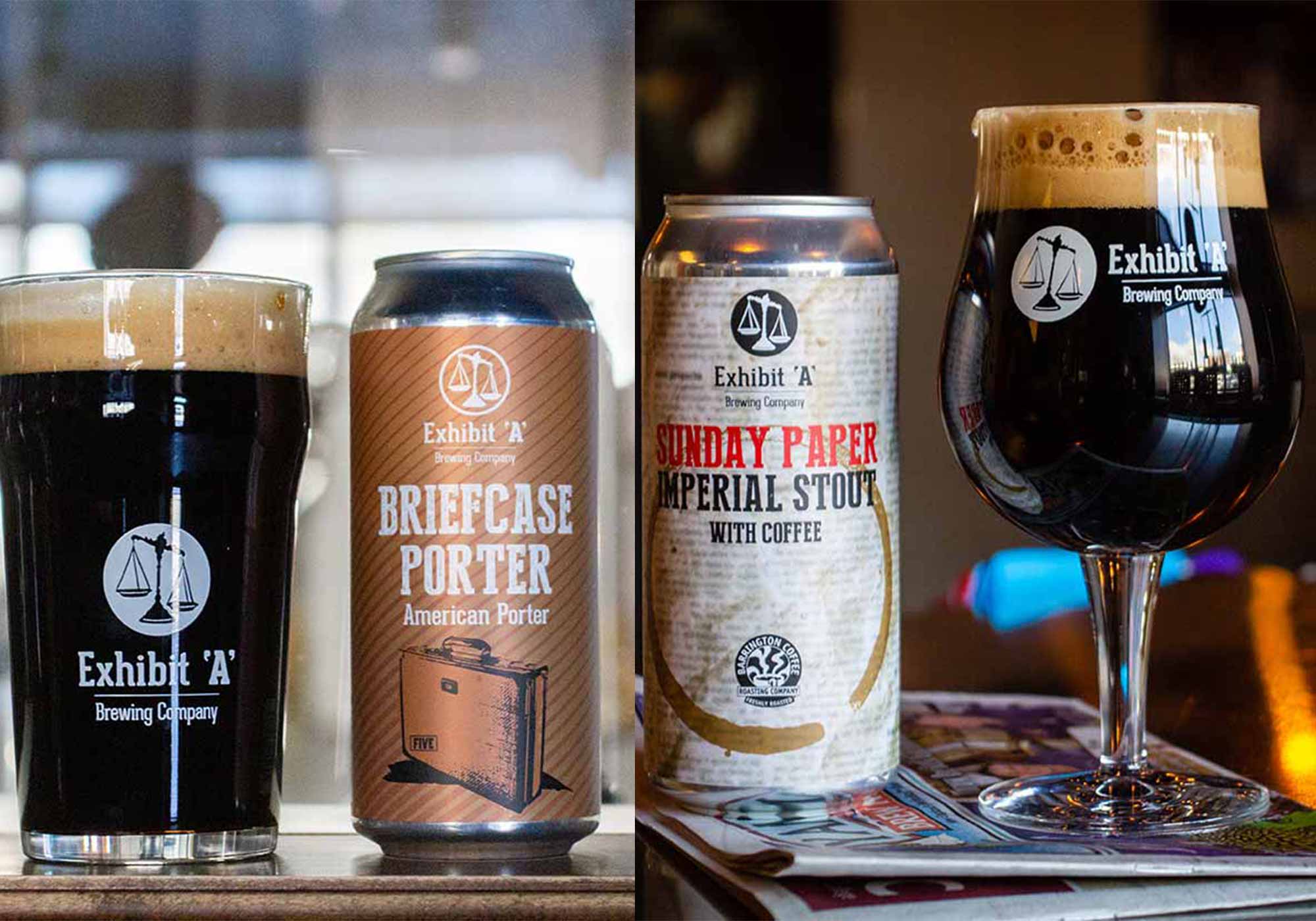
In today’s market, many breweries are reviving the “porter” brand specifically because of its historical underdog status. This “heritage branding” appeals to consumers looking for authenticity and a connection to the past. By understanding the historical context of their product, brands can craft narratives that resonate on an emotional level, rather than just a functional one.
Ultimately, the difference between a porter and a stout is a testament to the longevity of well-executed brand strategy. While the physical products may share a majority of their DNA, their identities are distinct, serving different psychological needs and market tiers. Whether it is through the working-class origins of the porter or the premium, bold evolution of the stout, these two styles continue to provide a roadmap for how brands can navigate centuries of change while maintaining a clear and compelling voice in the marketplace.
aViewFromTheCave is a participant in the Amazon Services LLC Associates Program, an affiliate advertising program designed to provide a means for sites to earn advertising fees by advertising and linking to Amazon.com. Amazon, the Amazon logo, AmazonSupply, and the AmazonSupply logo are trademarks of Amazon.com, Inc. or its affiliates. As an Amazon Associate we earn affiliate commissions from qualifying purchases.