
In the world of professional sports, few pieces of equipment are as specialized, expensive, or technologically sophisticated as the curling stone. While spectators often refer to it simply as “the stone” or colloquially as “the rock,” this 44-pound marvel of engineering is the product of centuries of refinement and modern material science. In professional circles, the curling stone represents the pinnacle of friction-based physics and precision manufacturing. To understand what the curling stone is—and why it is called a “stone” despite its high-tech evolution—one must look into the unique geology, electronics, and engineering that allow it to slide with unparalleled accuracy across a sheet of ice.
The Material Science of the Ailsa Craig Granite
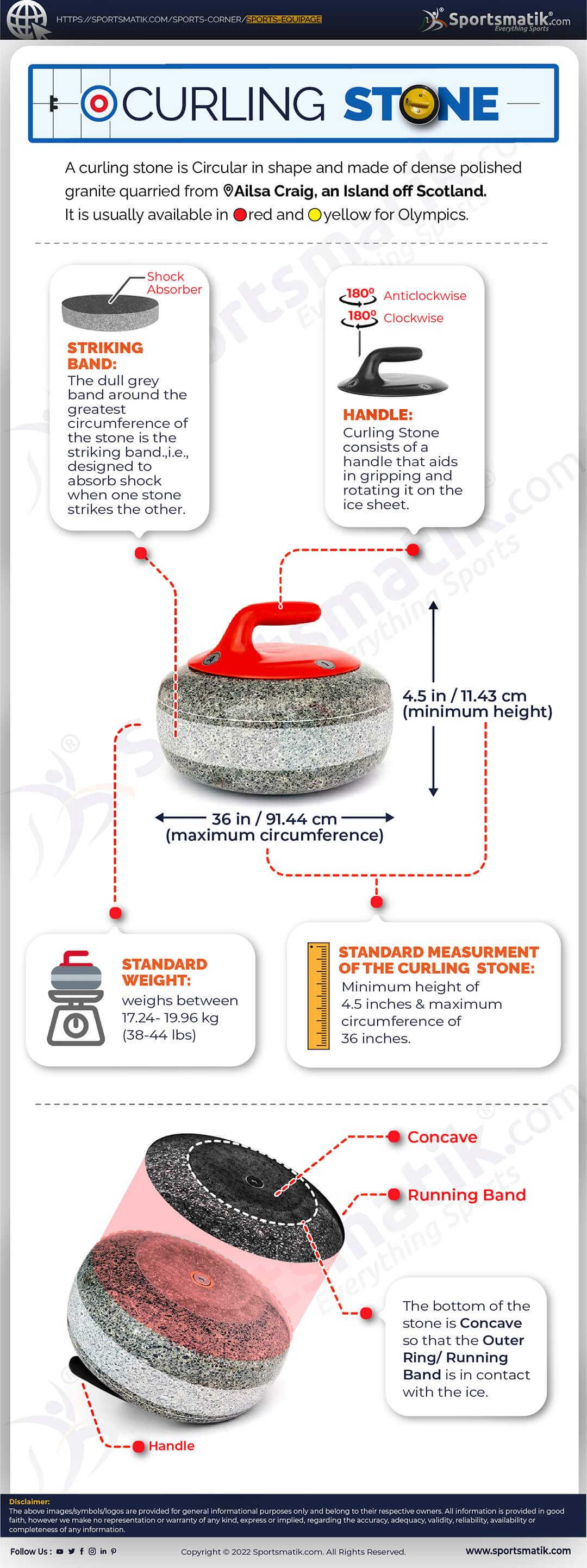
While it is called a stone, it is not just any rock. The integrity of a professional curling stone depends entirely on its molecular structure. Since the sport’s inception, the gold standard for curling stones has been granite harvested from a single, uninhabited island off the coast of Scotland: Ailsa Craig. The technology of the curling stone begins with the geological “brand” of the material itself.
Common Green and Blue Hone Granite
Ailsa Craig granite is unique because of its low water absorption. In the context of ice sports, the greatest enemy of any equipment is moisture. If water penetrates the pores of a stone and then freezes, the expansion of the ice can cause the stone to crack or “pity.”
Technologically, the stone is often a hybrid of two specific types of granite. The “Common Green” granite forms the body of the stone, providing the mass and durability required for high-velocity impacts. However, the “Blue Hone” granite is typically used for the “running surface”—the thin ring at the bottom of the stone that actually touches the ice. Blue Hone is a micro-granite that is virtually waterproof, ensuring that friction remains consistent even as the ice temperature fluctuates. This dual-material construction is a feat of precision masonry, where the two pieces are fused together to create a seamless, high-performance tool.
The Impact of Mineral Composition on Elasticity
The “call” of the stone also refers to its behavior during a “takeout” shot, where one stone strikes another. The tech behind this involves the coefficient of restitution. Because of the specific mineral interlocking in Ailsa Craig granite, the stones transfer kinetic energy with incredible efficiency. This predictable elasticity allows skips (the team captains) to calculate complex angles using physics-based strategies, turning the curling rink into a giant, icy billiards table.
The Engineering of the Running Surface and Concavity
If you were to flip a curling stone over, you would see that it is not flat. This is where the “low-tech” appearance of the stone meets high-level mechanical engineering. The bottom of the stone is hollowed out, leaving only a narrow ring, approximately 5 to 6 inches in diameter, called the “running surface.”
The Physics of the Running Band
The width of this running band is a critical technical specification. A narrower band reduces the surface area in contact with the ice, which decreases friction and increases the stone’s “speed.” Conversely, a wider band provides more stability but requires more force to move. Professional-grade stones are machined to tolerances of a fraction of a millimeter to ensure that every stone in a set of sixteen behaves identically.
Interaction with the “Pebble”
The curling stone’s name and function are inextricably linked to the technology of the ice itself. Unlike hockey ice, which is flat, curling ice is sprayed with water droplets to create a “pebbled” surface. The running surface of the stone “rides” on top of these pebbles. The interaction between the granite and the pebble creates a thin film of water due to pressure-induced melting and friction. This lubricated layer is what allows the stone to “curl” or curve when a rotation is applied. The technology here is a delicate balance of thermodynamics and fluid dynamics, making the stone a passive sensor for the ice conditions.
“Eye on the Hog”: The Integration of IoT and Sensors
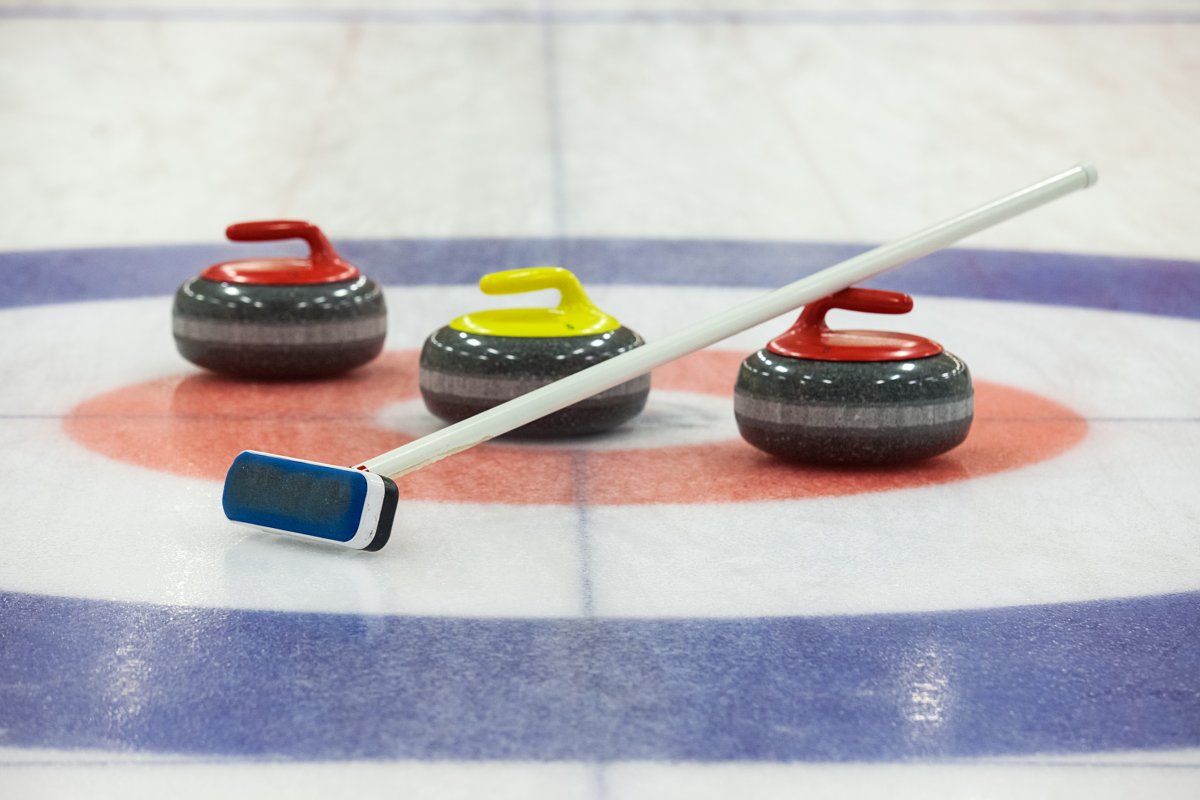
In the modern era, the curling stone has moved from being a purely mechanical object to a “smart” device. One of the most significant technological advancements in the sport is the “Eye on the Hog” system. This integrated sensor technology is built directly into the handle of the stone to solve a perennial officiating problem: the hog line violation.
Electronic Handles and Capacitive Sensors
The hog line is the point at which a player must release the stone. In the past, this was judged by the naked eye, leading to frequent disputes. Modern professional stones are equipped with electronic handles that utilize capacitive touch sensors—the same technology found in smartphone screens.
When a player grips the heat-sensitive, conductive handle, the circuit is closed. A series of magnets embedded under the ice at the hog line trigger a sensor within the stone. If the sensor detects that the player’s hand is still in contact with the handle as it crosses the magnetic strip, LEDs on the stone flash red, indicating a foul. If the release is “clean,” the lights flash green. This integration of IoT (Internet of Things) and magnetic field sensing has revolutionized the integrity of the game.
Battery Life and Thermal Stability
Designing electronics that can function reliably at sub-zero temperatures is a significant engineering challenge. The circuitry inside a curling stone handle must be insulated against the cold to prevent battery drain and sensor drift. The housings are typically made of high-impact polymers that can withstand the jarring force of a 40-pound stone collision without disrupting the delicate internal electronics.
The Manufacturing Process: CAD/CAM Meets Traditional Masonry
The journey from a raw block of Scottish granite to a polished, balanced curling stone involves a sophisticated manufacturing pipeline. While the stones are still finished by hand by master craftsmen, the initial shaping is governed by Computer-Aided Design (CAD) and CNC (Computer Numerical Control) machining.
Precision Balancing and Weight Calibration
Every curling stone must weigh between 38 and 44 pounds, including the handle and bolt. Achieving this weight while ensuring the stone is perfectly balanced requires digital calibration. If a stone is “off-weight” or “off-balance,” it will not track straight, rendering it useless for competitive play. Manufacturers use digital scales and rotational balancing tools to ensure the center of gravity is perfectly aligned with the geometric center of the stone.
The Striking Band and Surface Texturing
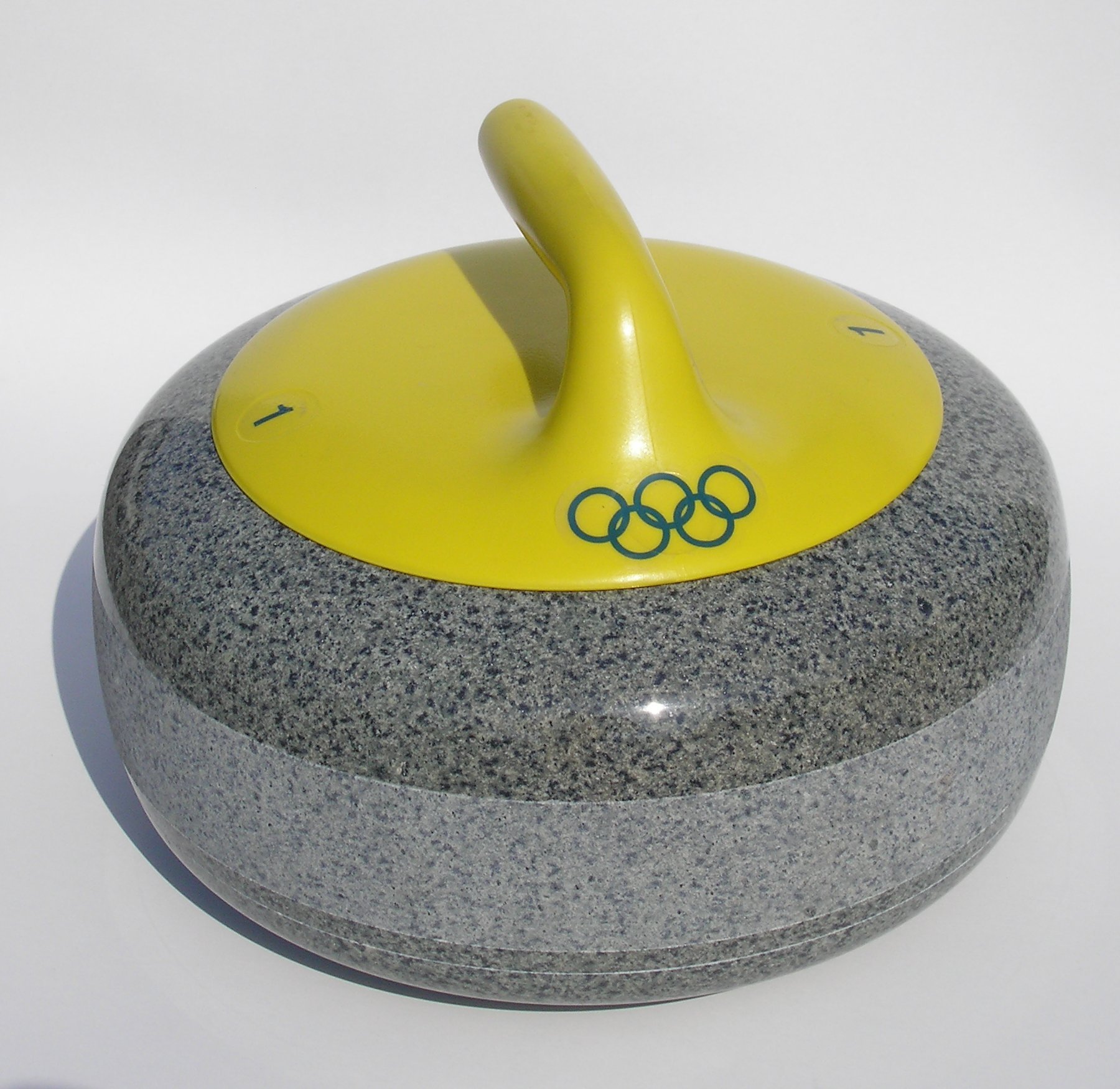
The “striking band” is the widest part of the stone that makes contact with other stones. To prevent the granite from shattering upon impact, this band is often given a “greyed” finish—a slightly roughed surface created through a specific sandblasting technique. This texture helps dissipate the energy of the impact and prevents the stones from “sticking” together due to vacuum effects or surface tension. The precision of this texturing is vital for the tactical “hit and roll” shots that define modern curling strategy.
Future Tech: Data Analytics and Smart Rinks
As sports technology continues to evolve, the “rock” is becoming a data-gathering tool. We are entering an era where curling stones may soon be equipped with internal accelerometers and gyroscopes to provide real-time data to broadcasters and coaches.
Real-Time Path Tracking
By embedding small RFID chips or ultra-wideband (UWB) transmitters into the stone’s handle, analysts can now track the exact path, velocity, and rotation rate of a stone with centimeter-level accuracy. This data allows for “ghosting” overlays on television broadcasts, showing viewers how a stone’s current path compares to the ideal line or to previous shots.
AI and Predictive Modeling
The data harvested from these “smart stones” is being fed into AI models to predict the outcome of a game based on the current “house” configuration. Because the curling stone’s behavior is so reliant on predictable physics, it is a perfect candidate for machine learning. Algorithms can analyze the friction decay of a specific set of stones over the course of a week-long tournament, allowing teams to adjust their “weight” (force) based on data-driven insights rather than just intuition.
In conclusion, while the answer to “what is the curling stone called” might seem simple on the surface, the object itself is a sophisticated piece of technology. From the specialized mineralogy of Ailsa Craig granite to the capacitive sensors in the “Eye on the Hog” handles, the curling stone is a testament to how traditional equipment can be elevated through material science and digital innovation. It is no longer just a rock; it is a high-precision instrument that sits at the intersection of geology, physics, and the future of sports technology.
aViewFromTheCave is a participant in the Amazon Services LLC Associates Program, an affiliate advertising program designed to provide a means for sites to earn advertising fees by advertising and linking to Amazon.com. Amazon, the Amazon logo, AmazonSupply, and the AmazonSupply logo are trademarks of Amazon.com, Inc. or its affiliates. As an Amazon Associate we earn affiliate commissions from qualifying purchases.