
In the saturated marketplace of the twenty-first century, a brand’s visual identity is often its most valuable asset. While logos are frequently constructed from abstract geometric shapes or sleek typography, some of the most enduring brand marks are those that tap into universal human archetypes. Among these, the “blue eye” symbol—historically known as the Nazar—has emerged as a formidable tool in brand strategy, fashion, and corporate identity. Beyond its ancient roots as a protective talisman, the blue eye represents a masterclass in semiotics, color psychology, and cross-cultural marketing.

Understanding what the blue eye symbol is from a branding perspective requires a deep dive into how visual cues influence consumer perception. For designers and brand strategists, the eye is not merely a biological organ; it is a vessel for insight, protection, and vigilance. When rendered in a specific palette of cobalt, cerulean, and white, it creates a visual shorthand that communicates trust and heritage while maintaining a contemporary, chic edge.
The Semiotics of the Eye in Modern Visual Identity
To understand the blue eye’s role in brand strategy, one must first explore the field of semiotics—the study of signs and symbols. In branding, an eye serves as a powerful signifier of “vision.” It suggests a company that is forward-thinking, observant, and deeply aware of its environment. When a brand adopts an ocular motif, it is making a subconscious claim to authority and clarity.
Perception and Insight as Brand Values
In the professional services and consulting sectors, the eye is often used to symbolize market insight. However, the specific “blue eye” or Nazar variant adds a layer of “curated wisdom.” Unlike the sterile, corporate eyes found in 1950s television logos (such as the CBS eye), the blue eye carries a more organic, artisanal connotation. This makes it particularly effective for brands that want to appear “human-centric” or “authentically grounded.” For a personal brand, using an eye symbol can position the individual as a visionary or a guide, offering a protective or watchful perspective over the client’s interests.
The Protective Narrative
One of the most unique aspects of the blue eye in branding is the narrative of protection. Traditionally meant to ward off the “evil eye” or negative energy, this motif allows a brand to position itself as a guardian. This is highly effective in industries ranging from digital security to high-end skincare. By incorporating the blue eye, a brand tells its customers, “We are watching over you,” or “Our product protects your essence.” This creates an emotional bond that goes beyond the functional utility of the product, tapping into a primal human desire for safety and well-being.
The Psychology of Blue: Trust, Stability, and Luxury
The color of the eye symbol is as critical as the shape itself. In the world of brand design, blue is the most universally preferred color, largely because of its association with the sky and the sea—elements that are constant and dependable.
Building Consumer Trust
When a brand utilizes the blue eye, it leverages the psychological benefits of the color blue: reliability, intelligence, and calmness. In a volatile market, consumers gravitate toward brands that feel stable. A cobalt blue eye creates a focal point that is both striking and soothing. This color choice is particularly prevalent in the “Prestige” and “Masstige” (mass-prestige) categories. By combining the mystery of the eye with the stability of blue, brands can achieve a “mystical professional” aesthetic that attracts high-value customers.
Contrast and Visual Hierarchy
From a design perspective, the blue eye provides excellent visual hierarchy. The concentric circles of dark blue, light blue, white, and black create a natural “bullseye” effect. This draws the consumer’s gaze directly to the logo. In marketing collateral—whether it is a social media tile, a luxury shopping bag, or a website favicon—the high contrast of the blue eye ensures legivity at any scale. It is a shape that remains recognizable even when simplified into a minimalist vector, a key requirement for modern digital branding.
Case Studies: From High Fashion to Digital Personal Brands
The blue eye symbol has transcended its cultural origins to become a staple in the visual language of global luxury and lifestyle brands. Examining how different entities have utilized this symbol reveals its versatility as a strategic asset.
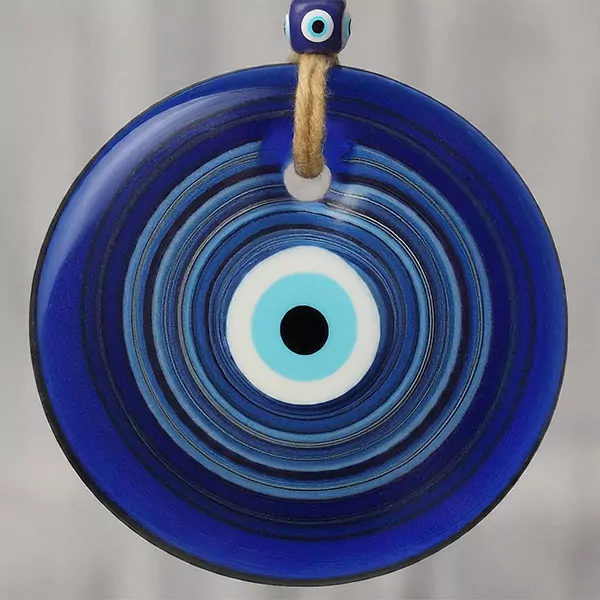
The Luxury Fashion Pivot
High-fashion houses like Kenzo and L’Objet have famously integrated ocular motifs into their core collections. In these instances, the eye is used to create a “signature” look that is instantly recognizable without the need for a text-based logo. For Kenzo, the eye became a symbol of global “oneness” and spiritual depth, moving the brand away from its traditional floral patterns toward a more edgy, streetwear-inspired identity. This shift allowed the brand to capture a younger, more digitally native demographic that values symbolic storytelling.
Jewelry and the “Talismanic” Brand Strategy
The jewelry industry has perhaps been the most successful in commercializing the blue eye. Brands like Swarovski, Mejuri, and Net-a-Porter have utilized the Nazar as a “hero” design element. The strategy here is to sell not just a piece of gold or silver, but a story of “spiritual protection” and “good vibes.” This is a classic example of lifestyle branding: the product becomes an extension of the consumer’s belief system or personal identity. The blue eye serves as the visual anchor for this strategy, allowing these brands to command a premium price for items that carry significant symbolic weight.
The Rise of the “Third Eye” in Creative Tech
In the realm of creative tech and AI tools, the blue eye is frequently reimagined as a “lens.” Designers use the symbol to represent the “all-seeing” nature of data and artificial intelligence, but they use the blue color palette to soften the “Big Brother” connotations. By making the eye look like a traditional blue talisman, tech brands can frame their surveillance or data-gathering capabilities as a benevolent, protective service rather than an intrusive one.
Strategic Implementation: Integrating the Eye into a Brand Identity
For a brand looking to adopt the blue eye symbol, the execution must be strategic to avoid falling into the trap of visual cliché. A brand must decide whether it is using the symbol as a primary logo, a secondary graphic element, or a seasonal motif.
Minimalist vs. Ornate Design
A brand’s positioning will dictate the complexity of the eye symbol. A luxury brand might opt for an ornate, hand-painted aesthetic to emphasize craftsmanship and heritage. In contrast, a modern tech or lifestyle brand might use a minimalist, geometric representation of the blue eye to signify efficiency and modernity. The “flat design” trend of the last decade has seen many brands strip the eye down to its most basic circles, focusing on the power of the blue-on-white contrast to drive brand recall.
Placement and Consistency
In brand strategy, consistency is king. If a brand adopts the blue eye, it must be integrated across all touchpoints. This includes:
- Packaging: Using the eye as a seal of quality or protection.
- Social Media: Leveraging the eye as an “icon” that stands out in a crowded feed.
- Brand Voice: Aligning the brand’s messaging with the themes of the eye—vision, protection, and insight.
Avoiding Cultural Appropriation through Brand Storytelling
Because the blue eye (Nazar) has deep cultural roots in the Mediterranean and Middle East, brands must be careful to respect its origins while adapting it for a global audience. The most successful brands do not simply “copy-paste” the symbol; they reinterpret it. This involves acknowledging the history of the symbol in the brand’s “About Us” or “Brand Philosophy” sections, ensuring that the usage feels like an appreciative homage rather than a thoughtless extraction. This transparency builds brand equity and avoids the pitfalls of cultural insensitivity.
The Future of the Blue Eye in the Digital Economy
As we move further into an era dominated by visual-first platforms like Instagram and TikTok, the blue eye symbol is likely to grow in prominence. Its ability to communicate complex ideas—trust, vision, and protection—in a single, high-contrast image makes it the perfect “thumb-stopping” graphic.
Personal Branding and the “Iconic” Self
For influencers and solopreneurs, the blue eye offers a way to build a personal brand that feels both ancient and cutting-edge. It provides a sense of “mystique” that is highly marketable in the wellness, coaching, and creative industries. By aligning themselves with a symbol that has lasted for thousands of years, personal brands can borrow some of that perceived longevity and “universal truth.”
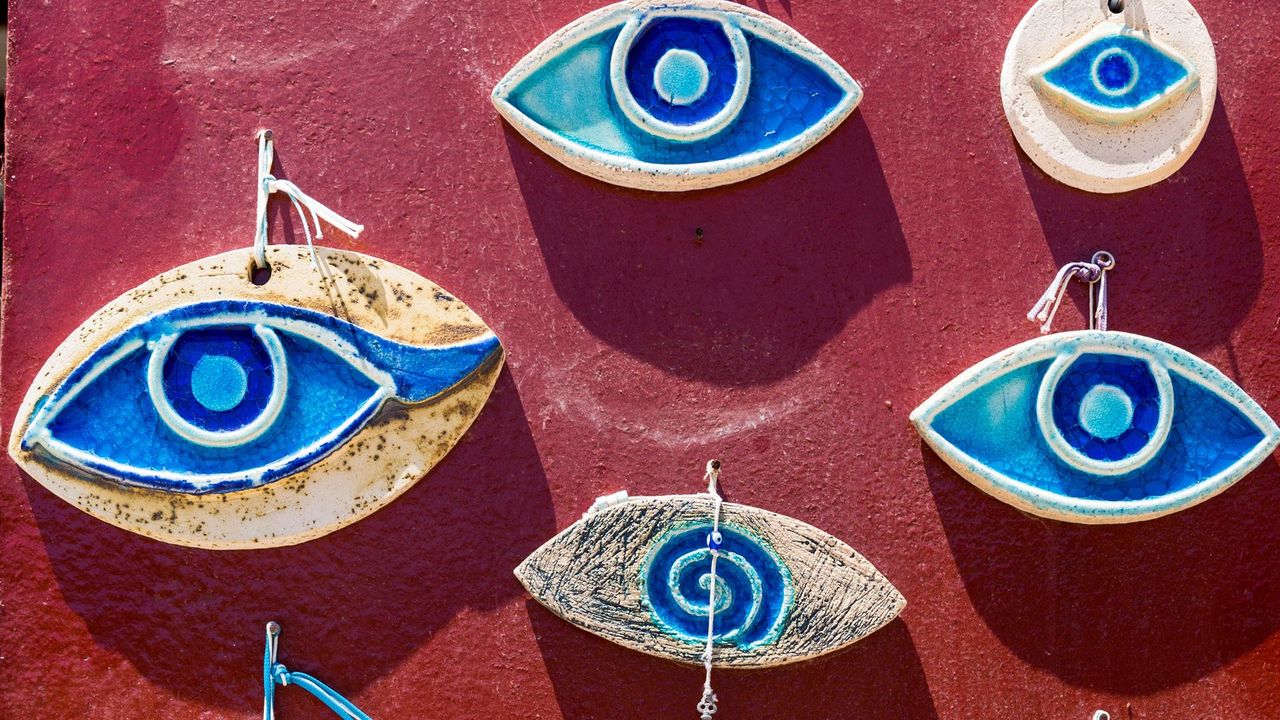
Visual Identity in the Age of AI
As AI tools become more adept at generating logos, the human element in branding—specifically the use of archetypal symbols—will become more valuable. A blue eye symbol feels “human” and “spiritual,” providing a necessary counterweight to the cold, algorithmic feel of modern technology. Brands that can successfully bridge the gap between ancient symbolism and modern utility will be the ones that define the next decade of visual culture.
In conclusion, the blue eye is far more than a decorative icon. It is a sophisticated branding tool that combines color psychology, historical weight, and visual impact. Whether it is used to signify the “vision” of a corporate giant or the “protective” nature of a luxury skincare line, the blue eye remains one of the most powerful and versatile symbols in the global brand strategist’s toolkit. By understanding its deep-seated psychological triggers, brands can use this ancient symbol to build modern identities that resonate on a truly universal level.
aViewFromTheCave is a participant in the Amazon Services LLC Associates Program, an affiliate advertising program designed to provide a means for sites to earn advertising fees by advertising and linking to Amazon.com. Amazon, the Amazon logo, AmazonSupply, and the AmazonSupply logo are trademarks of Amazon.com, Inc. or its affiliates. As an Amazon Associate we earn affiliate commissions from qualifying purchases.